
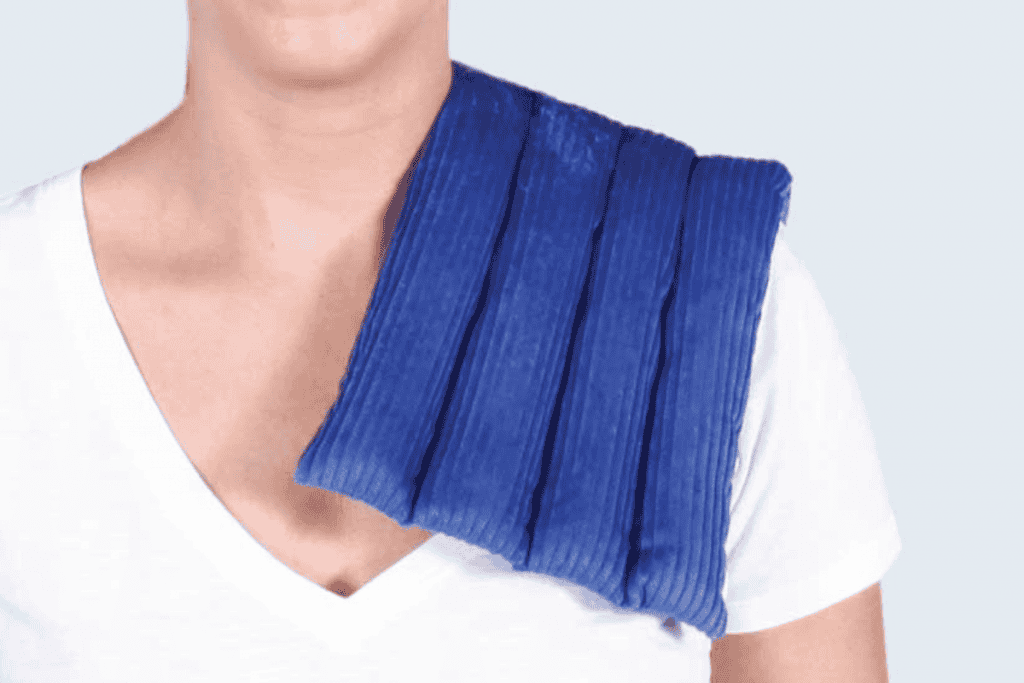
Fibromyalgia is a chronic condition characterized by widespread muscle pain, fatigue, and other symptoms that can severely impact daily life. One of the most common ways to manage muscle pain associated with fibromyalgia is through heat therapy.
Heat helps relax muscles, improves blood circulation, and provides soothing relief. While heat pads can be expensive, there are simple, effective, and affordable DIY heat packs you can make at home.
This article explores seven DIY heat packs for muscle pain relief, providing natural and budget-friendly options to ease discomfort.

Rice Heat Pack
Materials Needed: Uncooked rice, fabric (cotton or fleece), needle, and thread.
The rice heat pack is one of the simplest and most effective DIY options for people with fibromyalgia. Rice is an excellent heat-retaining material, allowing the heat to stay longer and provide consistent relief.
To make your rice heat pack, cut your fabric into a small rectangular shape, sew the edges to form a pouch, and leave a small opening to fill it with rice. Once filled, sew the opening shut.
You can adjust the size to target different areas of pain or create multiple smaller packs for use on other muscle groups.
How to Use: Microwave the rice pack for about 1-2 minutes or until warm but not too hot. Place the pack on the area where you’re experiencing muscle tension or pain. The heat will work to relax your muscles and increase blood flow, helping to alleviate discomfort.
Benefits: Rice packs are reusable and can be customized in size to suit individual needs. They’re ideal for localized pain relief and are simple to make. The long-lasting heat rice provides makes this pack particularly effective for extended relief.
Flaxseed Heat Pack
Materials Needed: Flaxseeds, fabric, needle, and thread.
Flaxseeds are an excellent material for heat packs because they retain heat for longer periods. Their small, smooth texture allows the pack to conform to your body more comfortably, providing targeted pain relief.
Making a flaxseed heat pack follows the same process as making a rice pack: cut your fabric into your desired shape, sew it into a pouch, and fill it with flaxseeds. Once sealed, the pack is ready to use.
How to Use:
- Microwave the flaxseed pack for 1-2 minutes.
- If you prefer, heat it in the oven for around 15 minutes at a low temperature.
- Place the warm flaxseed pack on the affected area and enjoy soothing relief.
Benefits: Flaxseed packs retain heat longer than rice packs, which is ideal for sustained relief. Their ability to mold to the body makes them perfect for muscle groups that need concentrated heat therapy. Additionally, flaxseed is natural and eco-friendly.
Bean Bag Heat Pack
Materials Needed: Dried beans (e.g., black beans, kidney beans), fabric, needle, and thread.
Beans make an excellent filler for heat packs, offering a more flexible and malleable alternative to rice or flaxseeds. Dried beans, such as black beans or kidney beans, conform easily to the body, enhancing the comfort and effectiveness of the heat therapy.
Making a bean bag heat pack is simple—cut your fabric into a pouch shape, sew the edges together, and fill it with dried beans. Once sealed, your heat pack is ready to be heated.
How to Use: Microwave the bean bag heat pack for 1-2 minutes or until it reaches a comfortable warmth. Apply it to the areas experiencing muscle pain or stiffness.
Benefits: Bean bag packs are highly flexible and can mold to the contours of your body, making them ideal for relieving tension in various muscle groups. The natural materials used in these packs are safe and sustainable, and they offer long-lasting heat.
Cornstarch Heat Pack
Materials Needed: Cornstarch, fabric, needle, and thread.
Cornstarch is an unusual but effective material for creating heat packs. It provides a soft, lightweight option that is gentle on the skin, making it ideal for sensitive areas. To create a cornstarch heat pack, sew a fabric pouch and fill it with cornstarch. After sealing the pouch, your heat pack is ready to use.
How to Use: Heat the cornstarch pack in the microwave for 1-2 minutes. If it needs additional warmth, continue heating in short intervals. Place the pack on the sore muscles for relief.
Benefits: Cornstarch heat packs are lightweight and soft, making them comfortable for delicate skin or areas more sensitive to heat. They provide gentle, even heat, ideal for alleviating muscle pain without causing discomfort.
Herbal Scented Heat Pack
Materials Needed: Dried lavender, chamomile, peppermint leaves, rice or flaxseed, fabric, needle, and thread.
Incorporating herbs like lavender, chamomile, or peppermint into your heat pack can enhance the soothing effects of the heat. These herbs are known for their calming properties, which can help reduce muscle tension and promote relaxation.
To make an herbal-scented heat pack, mix dried herbs with rice or flaxseeds inside a fabric pouch. The herbs will release calming scents as the pack is heated, providing aromatherapy and muscle pain relief.
How to Use: Microwave the herbal heat pack for 1-2 minutes. Apply it to the sore area, and enjoy the herbs’ warmth and therapeutic benefits.
Benefits: This type of heat pack combines heat therapy with the relaxing benefits of aromatherapy. The soothing scents of lavender, chamomile, and peppermint can promote stress relief and enhance the effectiveness of the heat in easing muscle pain.
Water Bottle Heat Pack
Materials Needed: A plastic water bottle, towel, or cloth.
A water bottle heat pack is the easiest and most cost-effective option for those needing quick relief. Fill a plastic bottle with warm (not boiling) water and wrap it in a towel or cloth to prevent direct contact with your skin. You can also use a bottle with a wide opening to add heat-retaining materials like rice or beans, making the pack more versatile.
How to Use: Place the wrapped water bottle on the affected area. The warmth from the water will help relieve muscle tension and provide soothing relief.
Benefits: This method is straightforward and doesn’t require sewing or crafting. The water bottle can be easily reused, and the heat from the water provides long-lasting comfort. It’s particularly effective for larger areas of pain, like the back or legs.
Clay Heat Pack
Materials Needed: Natural clay (e.g., terracotta or clay beads), fabric.
Clay is an excellent material for heat therapy due to its ability to retain heat for extended periods. Natural clay or terracotta beads are ideal for creating a heat pack that offers deep, lasting heat.
Place the clay or beads inside a fabric pouch and sew it shut to make a clay heat pack. This method is particularly effective for larger muscle groups requiring more heat.
How to Use: Heat the clay pack in the microwave or an oven at a low temperature. Apply the warm pack to your muscles for relief.
Benefits: Clay heat packs provide intense, long-lasting heat, ideal for more severe muscle pain or stiffness. The clay’s deep heat is perfect for chronic pain conditions like fibromyalgia, where long-term relief is needed.
FAQs
Q1: How long should I heat my DIY heat pack?
Microwaving most DIY heat packs for 1-2 minutes is sufficient. However, test the temperature before applying it to your skin. Never overheat the pack, as it could burn your skin.
Q2: How often should I use heat therapy for fibromyalgia?
Heat therapy can be used multiple times daily, but listening to your body is essential. Use heat therapy for 15-20 minutes, and always take breaks to prevent overstimulation.
Q3: Can I reuse these heat packs?
Yes, all of the DIY heat packs mentioned are reusable. Reheat them as needed. Check the fabric and materials for signs of wear and tear over time.
Q4: Are these heat packs safe for sensitive skin?
These heat packs are made from natural materials and should be safe for sensitive skin. If you have particularly sensitive skin, it’s advisable to wrap the heat pack in a towel or cloth before applying it.
Conclusion
DIY heat packs are a simple, natural, and affordable way to manage muscle pain and discomfort associated with fibromyalgia. Using a variety of materials, such as rice, flaxseeds, and herbs, you can customize your heat pack to suit your needs.
These heat packs are effective and provide a comforting, natural solution for pain relief. Experiment with different options and find what works best for your body—your muscles will thank you!
