
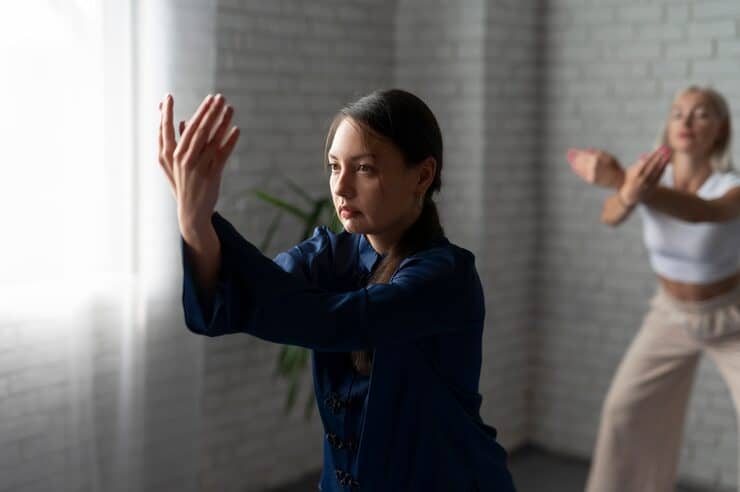
Blood pressure can feel like a silent bully. One reading looks fine, the next one sends your heart racing and your mind spiraling.
I know how exhausting it is to be told to “just exercise” when your body already feels stressed, tired, or overwhelmed. That is exactly why Tai Chi deserves a serious look. It is gentle, calming, and surprisingly powerful for the people who need a safer way to move without feeling punished by exercise.
This is not about doing less for your health. It is about finding a smarter way to support your heart, your nerves, and your peace of mind.
Disclaimer: This article is for general wellness education and is not a substitute for medical advice. If you have high blood pressure, chest pain, dizziness, or heart disease, talk to your doctor before starting a new exercise routine.

Why Tai Chi Feels Different From Regular Exercise
Tai Chi is not the kind of workout that leaves you gasping, sweating through your clothes, or staring at the floor wondering why you signed up for this in the first place. It is slow. It is controlled. It is smooth. And that is exactly why so many people find it easier to stick with.
When people think about blood pressure support, they usually think of hard cardio, intense gym sessions, or forcing themselves into a routine they hate. That can work for some people, but not for everyone.
If exercise feels too aggressive, too painful, too loud, or too stressful, your body may push back instead of relaxing into the movement.
Tai Chi works differently.
It combines gentle movement, balance, breathing, and focus. That means your body is not only moving, it is settling down. That matters because stress can make blood pressure harder to manage. A calmer nervous system often means a calmer body overall.
What Tai Chi Actually Does For Your Body
Tai Chi is often described as moving meditation, but that does not really capture the full picture. It is both physical and mental.
It asks your body to coordinate while asking your mind to slow down. That combination can be especially helpful when blood pressure is affected by tension, anxiety, poor sleep, or chronic stress.
Here is what Tai Chi may help support:
- Relaxation: Slow movement and breathing can help calm the stress response.
- Circulation: Gentle movement encourages blood flow without overloading the body.
- Balance: Better balance can reduce fear of movement and falling.
- Flexibility: Slow shifts and stretches can ease stiffness.
- Consistency: Because it is low impact, many people can do it more regularly.
- Mind-body awareness: You learn how your body feels and when it needs to slow down.
That last part matters more than people realize. A lot of us spend years ignoring our body until it screams. Tai Chi teaches you to listen before the scream starts.
Why Tai Chi May Be Better Than Pushing Harder
Not everybody wants a sweaty, high-intensity routine. Sometimes the problem is not laziness. Sometimes the problem is survival mode.
If you are already dealing with stress, fatigue, joint pain, poor sleep, or fear of overdoing it, cardio can feel like one more demand on a body that is already asking for mercy. Tai Chi offers something different: movement without pressure.
It gives you a way to be active without triggering the “I cannot do this” feeling.
That does not mean cardio is bad. Walking, cycling, swimming, and other aerobic exercises can still be excellent for heart health. But if the choice is between doing nothing and doing Tai Chi, Tai Chi is a beautiful place to begin. And for many people, the beginning is the hardest part.
The Best Tai Chi Exercises For Blood Pressure Support
Not every Tai Chi move has to be complicated. In fact, the simpler it feels, the more likely you are to keep doing it. The goal is not perfection. The goal is calm repetition.
Start With The Breathing
Before you move your arms or shift your feet, start with your breath. This is where the magic begins.
Try this:
- Stand or sit comfortably.
- Relax your shoulders.
- Inhale through your nose.
- Exhale slowly through your mouth or nose.
- Let the exhale be longer than the inhale.
This kind of breathing helps your body feel safe. And when your body feels safe, it is more likely to relax.
Slow Weight Shifts
This is one of the simplest and best Tai Chi-style exercises for beginners.
How to do it:
- Stand with your feet shoulder-width apart.
- Keep your knees soft, not locked.
- Shift your weight slowly to one side.
- Then shift it back to the center.
- Move to the other side.
- Keep your upper body relaxed.
This looks almost too easy, but do not be fooled. Slow weight shifting helps balance, body awareness, and stability. It is also gentle enough for many older adults and people who are nervous about exercise.
The Cloud Hands Motion
This is a classic Tai Chi movement that feels soft and flowing.
How to do it:
- Stand tall with relaxed shoulders.
- Move one hand in a slow circular path in front of your body.
- Let the other hand follow in a mirrored, floating motion.
- Shift your weight gently from side to side.
- Keep your breathing smooth.
The goal is to feel like you are moving through water, not fighting it.
Arm Circles With Breath
This is a calming way to combine movement and breathing.
How to do it:
- Inhale while lifting your arms slowly.
- Exhale while lowering them slowly.
- Keep the movement controlled and graceful.
- Do not rush.
This helps connect breath with motion, which can make the body feel more settled.
Gentle Standing Posture
Sometimes the exercise is not in the movement. Sometimes it is in how you stand.
Try this:
- Feet grounded.
- Knees soft.
- Spine long.
- Chin slightly tucked.
- Shoulders relaxed.
- Jaw unclenched.
Holding this posture for a few breaths can help you feel steady and centered.
A Simple Tai Chi Routine You Can Actually Follow
You do not need to memorize a hundred movements to benefit from Tai Chi. You just need a routine that feels doable.
Here is a gentle flow you can repeat:
- Stand comfortably and breathe slowly.
- Shift your weight right and left.
- Raise and lower your arms with your breath.
- Add a slow turning motion of the torso.
- Practice cloud hands for a few minutes.
- End by standing still and breathing deeply.
If your body needs less, do less. If your body feels good, do a little more. That is the beauty of this style of movement.
Why This Helps More Than People Expect
Tai Chi may look quiet from the outside, but on the inside, a lot is happening.
Your muscles are working. Your balance is being trained. Your attention is being focused. Your nervous system is getting a chance to step out of alarm mode. And that matters because stress and blood pressure are often linked like stubborn old neighbors who refuse to stop arguing.
When you are tense all the time, your body may stay in a state of constant alert. Tai Chi helps interrupt that pattern. It invites your body to soften, and that softening can support healthier daily habits overall.
It may also help you enjoy exercise again.
That sounds small, but it is not small at all. When exercise feels punishing, people quit. When exercise feels calming and possible, people return to it. Consistency wins.
Who Tai Chi Is Good For
Tai Chi can be especially appealing if you are:
- New to exercise
- Managing stress or anxiety
- Older and worried about balance
- Living with joint stiffness
- Recovering from long periods of inactivity
- Looking for a gentler routine
- Tired of workouts that feel too intense
It is also useful for people who know they should move more, but keep stopping because the exercise plan is too demanding. Tai Chi moves feel like care instead of punishment.

Who Should Be Careful
Tai Chi is gentle, but gentle does not mean automatic for everyone. You should be careful if you:
- Feel dizzy often
- Have severe balance problems
- Have chest pain or shortness of breath
- Were told by a doctor to limit physical activity
- Have an injury that makes standing difficult
If anything feels off, stop and check in with a healthcare professional. There is no prize for pushing through warning signs.
The Emotional Side Of Blood Pressure
High blood pressure is not just a number. It can come with fear. Fear of bad news. Fear of medication changes. Fear that your body is aging faster than you want it to. Fear that you are doing everything wrong.
That emotional load can make everything harder.
Tai Chi offers a small but powerful shift. It gives you a moment where you are not fighting your body. You are partnering with it. That matters on days when your nerves are frayed and your thoughts are heavy. Sometimes healing begins with one calm breath and one slow step.
How To Make Tai Chi A Real Habit
The best exercise is the one you actually do. Not the one you plan to do. Not the one you buy clothes for. The one you practice.
To make Tai Chi stick:
- Pick the same time each day
- Keep the session short at first
- Use a quiet space
- Play soft music if it helps
- Wear comfortable clothes
- Focus on consistency, not performance
You do not need to “feel motivated” every day. You just need a routine that is kind enough to return to.
Tai Chi And Other Helpful Exercise Options
Tai Chi can be part of a bigger picture. It does not have to stand alone.
You can pair it with:
- Walking
- Gentle stretching
- Light cycling
- Chair exercises
- Water aerobics
- Breathing practices
This is especially useful if Tai Chi alone feels too slow or if you want to build a balanced routine. Some days you may do a full session. Some days you may do five minutes. That still counts.
A Weekly Gentle Movement Plan
Here is a simple way to build momentum without overwhelming yourself:
- Day One: 10 minutes of Tai Chi and breathing
- Day Two: A short walk
- Day Three: 10 to 15 minutes of Tai Chi
- Day Four: Gentle stretching
- Day Five: Tai Chi plus slow walking
- Day Six: Rest or easy movement
- Day Seven: Repeat your favorite routine
You can adjust the time based on your body. The goal is not strict discipline. The goal is a rhythm your body can trust.
Mistakes People Make With Tai Chi
People often give up too early because they expect instant results or perfect form.
Common mistakes include:
- Moving too fast
- Holding the breath
- Tensing the shoulders
- Comparing yourself to others
- Doing too much on the first day
- Treating it like a performance instead of a practice
Tai Chi is not about looking impressive. It is about feeling more grounded. That shift alone can change how exercise feels in your life.
Why Breathing Matters So Much
Breathing is not just a background detail. It is part of the exercise.
When your breath is shallow, your body may stay keyed up. When your breath is slow and steady, your body may begin to soften. That is why Tai Chi can feel so calming even when the movement is simple.
Try pairing each movement with a breath:
- Inhale as you expand
- Exhale as you settle
- Keep the exhale slow
- Let your face relax
Sometimes the body follows the breath. Sometimes the breath follows the body. Either way, they work together.
When You Are Too Tired For A Full Session
This part matters because real life is not neat.
Some days you will have energy. Some days you will barely want to stand up. On those days, do not quit entirely. Shrink the practice.
You can:
- Sit and breathe for two minutes
- Do slow hand movements
- Shift weight gently while holding a chair
- Practice one Tai Chi form only
- Rest and try again tomorrow
Tiny movement still counts. Tiny movement keeps the habit alive.
Frequently Asked Questions
Can Tai Chi Lower Blood Pressure?
Tai Chi may help support healthier blood pressure as part of an overall lifestyle, especially when it helps with relaxation, stress reduction, and regular movement. It is not a quick fix, and it should not replace medical treatment if you have been prescribed medication or other care.
How Often Should I Do Tai Chi?
A few times a week is a great start. Even short daily sessions can be helpful if they are realistic for your schedule and energy level.
Is Tai Chi Better Than Cardio?
Not better for everyone, but often better for people who need something gentler and more calming. Cardio can still be helpful, but Tai Chi may be easier to stick with and less stressful on the body.
Do I Need Special Training?
Not necessarily. You can start with beginner videos, classes, or simple movement routines. A teacher can help, but you do not need to wait for perfection before beginning.
Can Older Adults Do Tai Chi?
Yes, Tai Chi is often a very good option for older adults because it is low impact and balance-friendly. A chair nearby can make it even safer and more comfortable.
What If I Feel Unstable?
Slow down, shorten the movement, and use support if needed. If balance is a concern, practice near a wall, counter, or sturdy chair.
How Long Before I Notice Benefits?
That depends on the person. Some people feel calmer right away. Others notice improvements in balance, flexibility, or stress after practicing regularly for several weeks.
Final Thoughts
Tai Chi is not flashy. It is not loud. It does not try to impress you with sweat and suffering. It simply asks you to show up, breathe, move gently, and give your body a chance to settle.
That may be exactly what your blood pressure journey needs.
If cardio feels too intense, too painful, or too hard to stick with, Tai Chi can be the softer path back into movement. And soft is not weak. Soft can be steady. Soft can be powerful. Soft can be the thing that finally helps you keep going.
Your body does not need punishment. It needs support.
And sometimes support looks like slow hands, calm breath, and one peaceful step at a time.