
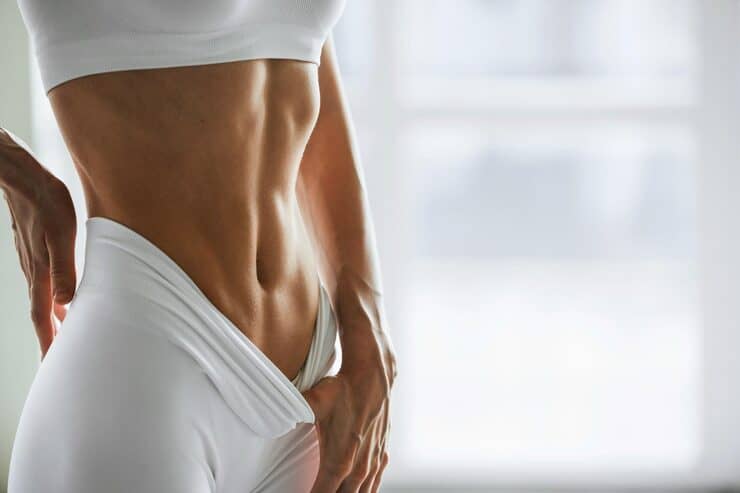
After 40, the core can feel like it has opinions. The moves that used to flatten the stomach in a hurry can suddenly feel awkward, noisy, or downright rude to the lower back.
That is exactly why the right ab work matters more than ever, because strong abs are not just about appearance, they are about support, posture, balance, and moving through life without feeling like your body is arguing with you.
Disclaimer: This article is for general fitness information only and is not medical advice. Check with a qualified health professional before starting a new exercise routine, especially if you have back pain, pelvic floor issues, hernia concerns, or any medical condition.

Why Abs Training Feels Different After 40
The body does not suddenly fall apart at 40, despite what the internet likes to scream into the void. It does, however, start sending clearer messages, and those messages usually sound like, “Please stop forcing me through sloppy crunches.”
Hormones shift, recovery gets slower, and tight hips, achy backs, and pelvic floor changes can make traditional ab work feel less effective and more irritating.
That is not a sign that your body is failing. It is a sign that your strategy needs to grow up a little. Strong abs after 40 come from smarter movement, better breathing, and exercises that train the whole core instead of just chasing that burning feeling in the front of the stomach.
There is also something emotional about this phase of life. Many women have spent years pushing through workouts that never truly respected their bodies, and now the body is asking for a different kind of conversation. The good news is that the conversation can still be powerful, beautiful, and effective.
What “Hits Different” Really Means
The best abs exercises for women over 40 are not necessarily the flashiest ones. They are the ones that make the core work deeply without making the neck cranky, the back angry, or the pelvic floor feel like it is doing unpaid overtime.
They create strength from the inside out, which is exactly what a mature body responds to best.
“Hits different” means the exercise actually translates into daily life. You feel more stable when you get out of bed, more supported when you carry groceries, and more confident when you twist, bend, reach, or laugh too hard at the wrong moment. That is the kind of core strength that matters.
It also means the exercise respects how women’s bodies change. Some days the lower belly feels softer, some days the waist feels tighter, and some days the whole middle section wants to complain before breakfast. Good ab training does not punish that reality. Good ab training works with it.
Best Abs Exercises For Women Over 40 At A Glance
| Exercise | Why It Works | Reps / Time |
|---|---|---|
| Dead Bug | Trains deep core control and protects the lower back | 8–10 each side |
| Heel Taps | Strengthens the lower abs with control | 10–15 each side |
| Bird Dog | Builds core stability and balance | 8–10 each side |
| Side Plank | Targets obliques and deep core support | 20–30 seconds each side |
| Glute Bridge March | Connects core, glutes, and pelvic stability | 8–10 each side |
| Standing Knee Drive | Trains standing core strength | 10–12 each side |
| Pallof Press | Builds anti-rotation strength | 10–12 each side |
| Reverse Crunch | Hits the lower abs without endless neck strain | 10–15 reps |
Dead Bug
Dead bugs look almost too gentle to matter, which is usually how the most useful exercises behave. Lying on the floor with opposite arm and leg moving at the same time, the body has to stay organized instead of throwing itself around for drama. That control teaches the deep abdominal muscles to brace properly, and that kind of strength is gold after 40.
Start with knees over hips and arms reaching toward the ceiling. Lower one arm and the opposite leg slowly while keeping the lower back gently connected to the floor, then return and switch sides. The movement should feel controlled, not chaotic, because chaos is how the back starts whispering complaints.
Why women over 40 love it:
- It is gentle on the neck
- It strengthens the deep core without crunching the spine
- It improves coordination and control
- It helps the lower back feel supported
Form tips:
- Keep your lower back from arching
- Move slowly enough to notice the muscles working
- Exhale as the arm and leg extend
- Stop before the movement gets sloppy
Heel Taps
Heel taps are one of those exercises that look simple until the abs start negotiating. They target the lower abdominal area while keeping the spine in a safe position, which is exactly what makes them a favorite for smarter core work. The magic is not in speed. The magic is in control.
Lie on your back with knees bent and feet lifted, or keep your feet down if your core is still learning the job. Gently tap one heel to the floor, then the other, while your core stays engaged and your back stays quiet. If your neck or lower back starts yelling, slow down or reduce the range.
This move is especially useful for women who want to feel the lower abs activate without doing endless sit-ups. It teaches the body how to hold tension while the legs move, which matters in real life more than people think. Walking, standing, climbing stairs, and carrying things all benefit from this kind of support.
Bird Dog
Bird dog is one of the most underrated core exercises on earth. It makes the body work in a cross-pattern, which helps the core, glutes, shoulders, and back cooperate instead of acting like separate roommates. That teamwork becomes more important with age, because stability is one of the best gifts you can give yourself.
Start on hands and knees, then extend one arm and the opposite leg. Hold for a breath or two without letting the hips twist, then return and switch sides. The key is to stay steady enough that the movement feels elegant instead of wobbly.
Bird dog is great for posture, balance, and lower-back support. It also teaches the abs to work without crunching, which can feel much kinder for many women over 40. That gentler style often leads to better consistency, and consistency wins more battles than intensity ever will.
Side Plank
Side plank is where the obliques finally get to clock in and do some honest work. It strengthens the side body, supports the waistline, and helps the core resist collapsing when life gets sideways, which happens more often than anyone would like. It is also a strong reminder that core training is not just about the front of the stomach.
Start on one forearm with knees bent for a modified version, or straighten the legs if strength and comfort allow. Lift the hips and hold the body in one straight line, breathing steadily instead of pretending not to be in effort. The hold should feel challenging but controlled, like you are building strength rather than suffering for a photo.
Benefits of side plank:
- Strengthens obliques
- Improves balance and posture
- Helps stabilize the spine
- Encourages full-core engagement
If the full version feels like too much, the bent-knee version is not a lesser version. It is simply a smarter version for the body you have today. That body still counts, still adapts, and still gets stronger when you respect where it is starting from.
Glute Bridge March
This one feels like a secret weapon because it does more than wake up the abs. It connects the glutes, pelvis, and core in a way that makes the whole middle section feel more organized. For many women over 40, that connection matters because weak glutes and unstable hips often make the abs work harder than they should.
Start in a bridge position with hips lifted and feet grounded. Then slowly lift one knee toward the chest without dropping the hips, lower it, and switch sides. The body should stay as level as possible, which is where the core gets challenged in a very real, very useful way.
This exercise is especially helpful if you sit a lot during the day. Sitting tends to switch the glutes off and make the core sleepy, and that sleepy combo can lead to stiffness and back annoyance. Bridge marches wake the system back up with surprising grace.
Standing Knee Drive
Not every core exercise needs to happen on the floor. Standing knee drives train the abs in a way that feels more functional because standing is how real life actually happens. They also help improve balance and posture while reminding the body that the core’s job is to stabilize movement, not just look good in a mirror.
Stand tall and draw one knee up while the opposite elbow moves toward it, or simply drive the knee up with a strong exhale. Keep the torso upright and avoid leaning too far back, because the goal is to challenge the core, not perform a dramatic dance move. One side at a time, the body learns to stabilize under motion.
This move is especially great for busy women who want something efficient. It can be done as part of a warm-up, a core circuit, or a quick home workout between the many other things life insists on. That kind of practicality makes it easier to keep going.

Pallof Press
Pallof press sounds fancy, but the movement itself is beautifully simple. It trains the core to resist rotation, which is one of the most important jobs your abs ever do. Every time you carry a bag, reach awkwardly, twist in the car, or steady yourself while lifting, this kind of strength comes into play.
Using a resistance band anchored to one side, hold the band at chest height and press it straight out in front of you. The band will try to pull your torso sideways, and your core has to say, “Not today.” That anti-rotation work is quietly powerful and very kind to the spine.
For women over 40, this is one of the smartest core choices available. It builds stability without endless spinal flexion, and it helps the midsection feel useful instead of tortured. The body responds well when it is trained to resist movement rather than only perform crunching motions.
Reverse Crunch
Reverse crunches can be a better option than traditional crunches for many women because they let the lower abs do the heavy lifting. Instead of yanking the neck forward, the pelvis curls upward in a controlled motion. That difference matters more than people think, especially when the neck, shoulders, or back have started becoming opinionated.
Lie on your back with knees bent and feet lifted or lightly hovering. Curl the pelvis toward the ribs, lifting the hips slightly off the floor, then lower with control. The movement should be small and deliberate, not wild and swinging like the body is trying to escape.
A reverse crunch works best when the abs initiate the motion. If momentum takes over, the exercise turns into a floppy little performance and the core stops getting the message. Slow, controlled reps are what make this one hit differently.
The Best Way To Use These Exercises
The real trick is not choosing the hardest exercise. The real trick is choosing the exercises your body will actually respond to consistently. A woman over 40 does not need punishment. She needs a system that respects recovery, builds confidence, and feels doable on ordinary days.
A smart core routine can be short and still effective. Ten to fifteen focused minutes, three to four times a week, is enough to create meaningful change when the work is consistent. There is no prize for doing the most uncomfortable version of everything.
Try pairing exercises that train different core functions. One day can focus on stability, another on rotation resistance, and another on lower-abdominal control. That variety keeps the body engaged and helps the core become stronger in a more complete way.
Sample 15-Minute Abs Routine
Here is a simple structure that works well for many women over 40. It is enough to challenge the core without turning the workout into an emotional breakup scene. Quality matters more than quantity every single time.
Round One
- Dead Bug — 8 reps each side
- Heel Taps — 10 reps each side
- Bird Dog — 8 reps each side
Round Two
- Side Plank — 20 to 30 seconds each side
- Glute Bridge March — 8 reps each side
- Pallof Press — 10 reps each side
Round Three
- Standing Knee Drive — 10 reps each side
- Reverse Crunch — 12 reps
- Dead Bug Hold — 20 seconds
Rest as needed between exercises, especially if the lower back starts to feel overworked. The goal is not to race through it like the floor is on fire. The goal is to move with enough control that the muscles actually learn something.
What To Avoid If Your Core Feels Weak
Not every ab move deserves a place in your routine. Some exercises look impressive but create more strain than strength, especially if the body is dealing with weakness, diastasis recti, pelvic floor concerns, or back sensitivity. A smart core program knows the difference between effort and irritation.
Be careful with:
- Fast, sloppy crunches
- Aggressive sit-ups
- Excessive leg lifts with poor control
- Twisting too hard through the lower back
- Holding the breath during hard reps
Breathing is not an optional extra. It is part of the exercise, and it helps the deeper core muscles do their job better. When the breath gets trapped, the body tends to brace in a way that can make everything feel harder than it needs to.
How To Make Abs Work Actually Stick
The best core program in the world means very little if it never gets repeated. That is why the routine needs to feel realistic, not heroic. Women over 40 usually do better with routines that are efficient, supportive, and easy to return to after a busy day.
Pick exercises that feel safe enough to repeat. If the body dreads the routine, the routine will not last. If the body feels stronger, steadier, and a little more supported after each session, the habit becomes much easier to keep.
A few helpful reminders go a long way:
- Keep the movements slow and intentional
- Focus on exhaling during effort
- Stop before form falls apart
- Build gradually instead of chasing soreness
- Celebrate steadiness, not just appearance
That last part matters more than people admit. A stronger core changes how you move, breathe, and carry yourself. The mirror may notice later, but your body will notice first.
Signs You Are Doing It Right
It is easy to think core training is working only if the stomach burns like it is writing a complaint letter. In reality, the better signs are often quieter. You may feel more stable, more balanced, and less fragile in daily movement.
Good signs include:
- Better posture
- Less strain in the lower back
- Stronger balance
- More control during walking or lifting
- Easier breathing during exercise
- A firmer sense of connection through the midsection
That feeling of connection is beautiful. It is the body saying, “Ah, finally, we are working together.” That is the kind of progress that lasts.
FAQs
How Often Should Women Over 40 Train Abs?
Three to four times per week is a solid place to start. The core does not need to be destroyed every day to get stronger. It needs consistent, thoughtful training and enough recovery to adapt.
Are Crunches Bad After 40?
Not necessarily, but they are not always the best choice. Many women do better with exercises that support the spine, build stability, and protect the neck and pelvis. Crunches can have a place, but they should not be the only tool.
Can Abs Exercises Reduce Belly Fat?
Abs exercises can strengthen and shape the core, but they do not target fat loss in one specific area. Fat loss comes from overall lifestyle habits, including nutrition, movement, sleep, and stress management. Strong abs and a smaller waist are related goals, but they are not the same thing.
What If My Lower Back Hurts During Core Work?
That is a sign to stop and reassess the movement. The core should support the back, not punish it. Try simpler exercises, shorten the range of motion, and focus on control before adding intensity.
Do I Need Equipment?
No, not at all. Dead bugs, heel taps, bird dogs, and reverse crunches can all be done with no equipment. A resistance band can be helpful for moves like Pallof presses, but it is not required.
Can I Do These Exercises If I Am Beginner Level?
Absolutely. Most of these exercises can be modified to fit a beginner. Starting with fewer reps, slower movement, and shorter holds is often the smartest way to build strength without overwhelming the body.
Final Thoughts
Strong abs after 40 are not about chasing a teenage waistline or punishing the body for changing. They are about building support, improving movement, and creating a middle section that helps you feel more powerful in everyday life. That kind of strength is real, and it ages beautifully.
The best part is that your body is still very trainable. It may ask for different moves, better recovery, and more respect than it used to, but that is not a setback. That is wisdom showing up in muscle form.
Choose the exercises that feel steady, kind, and effective. Keep the routine simple enough to repeat and strong enough to matter. That is how abs work starts hitting different in the best possible way.