
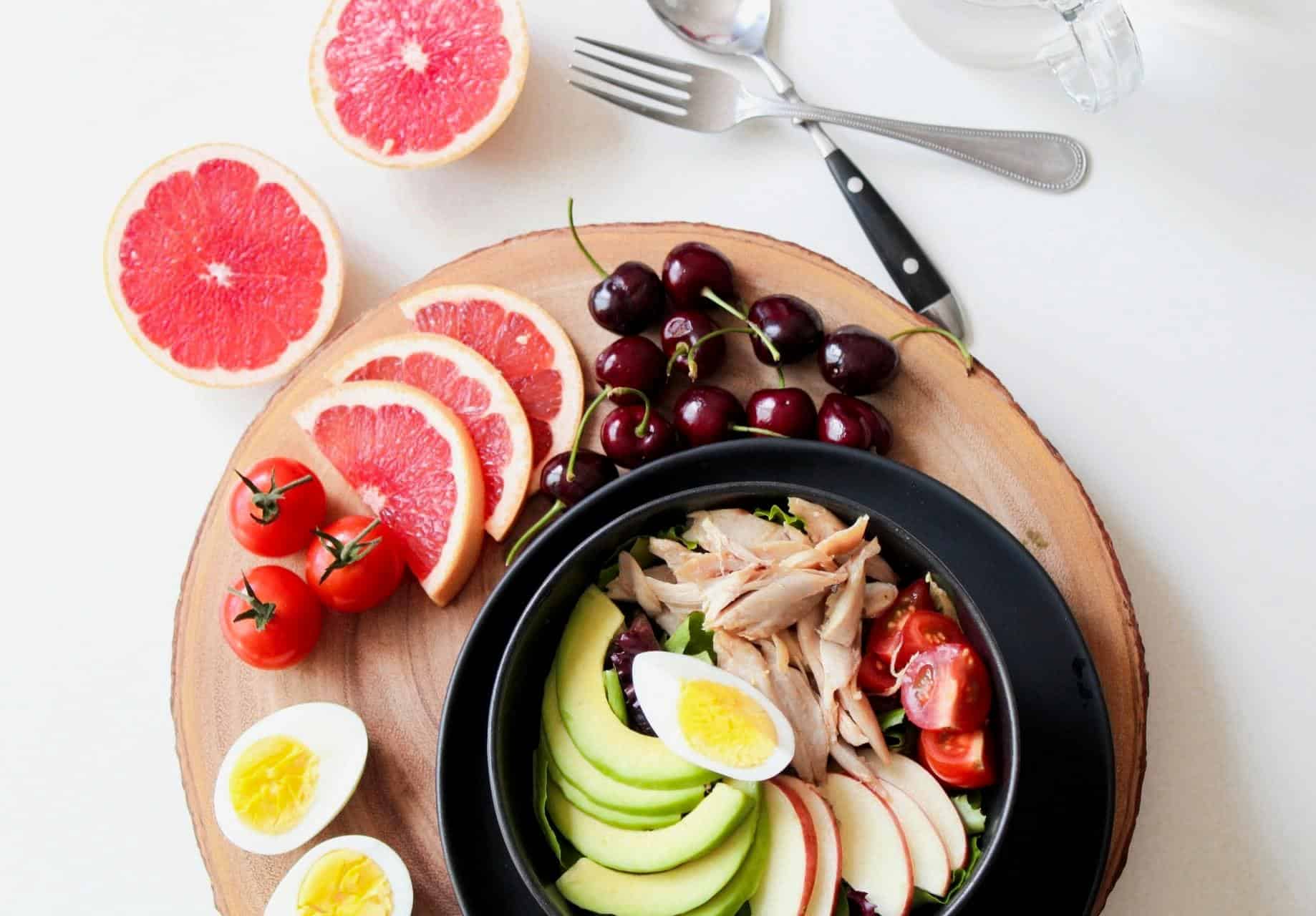
Inflammation is your body’s natural defense mechanism against injury and infection, but when it becomes chronic, it quietly fuels a host of conditions—from heart disease and diabetes to arthritis and cognitive decline. The foods you choose each day wield tremendous power to either fan or extinguish these low-grade inflammatory fires.
By centering your meals around whole, nutrient-dense ingredients, you support your body’s healing processes, boost energy, and protect long-term health. This guide dives into the best anti-inflammatory diet foods—what they are, why they work, and exactly how to build them into a delicious, sustainable eating plan.

Understanding Inflammation
What Is Chronic Inflammation?
Acute inflammation is short-lived and helpful—it’s what causes swelling and redness after a cut, for instance. Chronic inflammation, however, is a stealthy, persistent state of immune activation. Over time, it can damage blood vessels, organs, and tissues.
- Triggers: Poor diet, stress, sedentary lifestyle, environmental toxins
- How it Happens: Immune cells release pro-inflammatory cytokines (like IL-6, TNF-α) that, when unopposed, chronically stress tissues
Health Consequences
Left unchecked, chronic inflammation is implicated in:
- Cardiovascular disease: Plaque formation and artery stiffening
- Type 2 diabetes: Impaired insulin sensitivity
- Autoimmune disorders & arthritis: Continuous joint and tissue damage
- Neurodegenerative diseases: Increased risk of Alzheimer’s and Parkinson’s
Understanding these links makes the case for an anti-inflammatory diet far stronger than simply “eating healthy.” It’s about safeguarding long-term function and quality of life.
Principles of an Anti-Inflammatory Diet
- Emphasize Whole Foods
Single-ingredient, minimally processed foods preserve natural nutrients and antioxidants. - Eat the Rainbow
Different pigments (anthocyanins in berries, carotenoids in carrots) deliver unique phytonutrients that neutralize free radicals. - Balance Macronutrients
Combine lean proteins, healthy fats, and fiber-rich carbohydrates at each meal to maintain stable blood sugar and reduce inflammatory spikes. - Minimize Pro-Inflammatory Items
- Added sugars & sweetened beverages
- Refined grains (white bread, pastries)
- Trans fats (often in fried and packaged snacks)
- Excess red/processed meats
- Flavor with Spices & Herbs
Turmeric, ginger, garlic, and cinnamon aren’t just tasty—they pack concentrated anti-inflammatory compounds.
Top Anti-Inflammatory Foods
Fruits
- Berries (Blueberries, Strawberries, Raspberries): Rich in anthocyanins and vitamin C, they help neutralize free radicals and modulate immune responses.
- Cherries: Contain anthocyanins and quercetin; studies show cherry intake can reduce markers of inflammation and oxidative stress.
- Citrus Fruits (Oranges, Grapefruit): High in vitamin C and flavonoids that support antioxidant defenses.
Vegetables
- Leafy Greens (Spinach, Kale, Swiss Chard): Provide vitamins A, C, K, and magnesium—nutrients tied to lower inflammatory markers.
- Cruciferous Veggies (Broccoli, Cauliflower, Brussels Sprouts): Sulforaphane, a sulfur-containing compound, has potent anti-inflammatory effects.
- Bell Peppers & Tomatoes: Rich in vitamin C, carotenoids, and lycopene, known to protect against inflammatory processes.
Whole Grains & Legumes
- Oats & Barley: Contain beta-glucan fiber, which supports healthy gut bacteria and reduces cytokine production.
- Brown Rice & Wild Rice: Provide magnesium and fiber that help regulate blood sugar and curb inflammatory signaling.
- Beans & Lentils: Loaded with fiber and plant-based protein; their fermentation in the colon produces short-chain fatty acids that calm inflammation.
Fatty Fish & Lean Proteins
- Salmon, Mackerel, Sardines, Tuna: High in EPA and DHA omega-3 fatty acids, which directly inhibit pro-inflammatory pathways.
- Poultry Breast & Eggs: Lean sources of protein; eggs also deliver choline, necessary for immune cell regulation.
Nuts, Seeds & Healthy Oils
- Walnuts: Excellent source of alpha-linolenic acid (plant-based omega-3) plus polyphenols.
- Chia & Flaxseeds: Packed with fiber and ALA; can be easily sprinkled on yogurt, oatmeal, or smoothie bowls.
- Extra-Virgin Olive Oil & Avocado Oil: Contain monounsaturated fats and polyphenols that reduce inflammatory gene expression.
Spices & Herbs
- Turmeric: Curcumin, its active compound, blocks NF-κB—a key inflammatory regulator.
- Ginger: Gingerols inhibit prostaglandins and leukotrienes, chemical mediators of inflammation.
- Garlic: Allicin and other sulfur compounds temper immune overactivity.
- Cinnamon & Rosemary: Offer additional antioxidant and anti-inflammatory benefits.
Beverages & Fermented Foods
- Green Tea: Rich in epigallocatechin gallate (EGCG), a powerful anti-inflammatory flavonoid.
- Coffee (in moderation): Provides polyphenols; some studies link moderate coffee intake with lower inflammation.
- Yogurt, Kefir, Kimchi, Sauerkraut: Probiotics support a healthy microbiome, which in turn regulates immune responses.

Foods to Avoid
| Category | Examples | Why to Avoid |
|---|---|---|
| Added Sugars | Sodas, candies, sweetened cereals | Spike blood sugar and cytokine release |
| Refined Grains | White bread, pastries | Lack fiber; promote rapid glucose rises |
| Trans & Hydrogenated Fats | Packaged snacks, margarine | Trigger endothelial dysfunction |
| Excess Red/Processed Meats | Sausages, hot dogs, bacon | Linked to higher levels of inflammatory markers |
| Artificial Additives | Certain emulsifiers, colorants | May disrupt gut barrier, fueling inflammation |
Sample 7-Day Anti-Inflammatory Meal Plan
| Day | Breakfast | Lunch | Dinner | Snack |
|---|---|---|---|---|
| 1 | Overnight oats with berries & chia seeds | Grilled salmon salad with mixed greens, avocado | Lentil–vegetable stew with turmeric | Handful of walnuts |
| 2 | Spinach–mushroom–feta omelet | Quinoa bowl with roasted veggies & tahini dressing | Baked mackerel with steamed broccoli | Apple slices with almond butter |
| 3 | Greek yogurt parfait with nuts & cherries | Chickpea–veggie wrap in whole-grain tortilla | Stir-fried tofu with bell peppers & brown rice | Carrot sticks & hummus |
| 4 | Smoothie: kale, pineapple, ginger, flax | Tuna salad on bed of mixed greens | Turkey chili with beans and cilantro | Green tea & dark chocolate (70%+) |
| 5 | Buckwheat pancakes topped with berries | Lentil soup with whole-grain roll | Baked cod with sweet potato & asparagus | Kefir with cinnamon |
| 6 | Avocado toast on sprouted-grain bread | Grilled chicken breast & quinoa salad | Vegetable curry with chickpeas & spinach | Handful of pumpkin seeds |
| 7 | Chia pudding with mango | Soba noodle bowl with edamame and seaweed salad | Salmon fillet, sautéed kale, and brown rice | Orange slices & a few almonds |
Feel free to swap days and repeat your favorites!
Practical Tips for Success
- Batch Cooking & Meal Prep: Spend one or two hours on the weekend chopping veggies, cooking grains, or portioning nuts to make weekday meals a breeze.
- Smart Swaps: Replace mayonnaise with avocado mash, white rice with quinoa or cauliflower rice, and soda with sparkling water plus fresh citrus.
- Flavor Boosters: Keep a spice drawer stocked—toss turmeric into soups, grate fresh ginger into salad dressings, or sprinkle cinnamon over oatmeal.
- Label Reading: Aim for ingredient lists you recognize; avoid long lists with unpronounceable chemicals.
Frequently Asked Questions
1. How quickly can I expect to see benefits from an anti-inflammatory diet?
Many people notice improvements in energy, digestion, and joint comfort within 2–4 weeks. Long-term markers such as blood lipids and CRP may take 8–12 weeks to show significant changes.
2. Can I still eat red meat occasionally?
Yes—choose lean cuts, grass-fed when possible, and keep portions to 3–4 ounces. Balance it with plenty of vegetables and whole grains.
3. Is fruit sugar a problem?
Whole fruits contain fiber that slows sugar absorption and supplies antioxidants. Limit fruit juice and dried fruit, which concentrate sugars without fiber.
4. Do I need to buy expensive “superfoods”?
Not at all. Common staples like spinach, carrots, oranges, oats, beans, and sardines deliver powerful anti-inflammatory nutrients at very affordable prices.
5. What if I have dietary restrictions (e.g., vegan, gluten-free)?
The anti-inflammatory framework adapts easily. For vegans, focus on beans, lentils, nuts, seeds, whole grains, and a rainbow of fruits and vegetables. Gluten-free options include quinoa, brown rice, oats (certified gluten-free), and buckwheat.
Conclusion
Chronic inflammation needn’t be an inevitable companion to aging or modern life. By making daily food choices that prioritize whole, colorful, nutrient-dense ingredients—and minimizing processed, sugar-laden items—you can support your body’s innate healing and protective pathways.
Start small: swap one snack or meal per day, then build momentum. Over time, these sustainable shifts will pay dividends in energy, resilience, and long-term health. Here’s to a vibrant, inflammation-free you!
