

The Bighead Carp, an invasive species, has been wreaking havoc on native ecosystems, and it’s essential to understand the impact of this Bighead Carp on our environment. Native to Asia, this large freshwater fish has been introduced to other parts of the world, including the United States, through human activity. The Bighead Carp can grow up to 4 feet in length and weigh over 100 pounds, making it a formidable invasive species.
Introduction and Spread
The Bighead Carp was first introduced to the United States in the 1970s, when it was imported as a food source for Asian markets. However, it soon escaped from fish farms and began to establish itself in the wild. The species has since spread to numerous waterways, including the Mississippi River Basin, where it has been found in large numbers.
Impact on Native Ecosystems
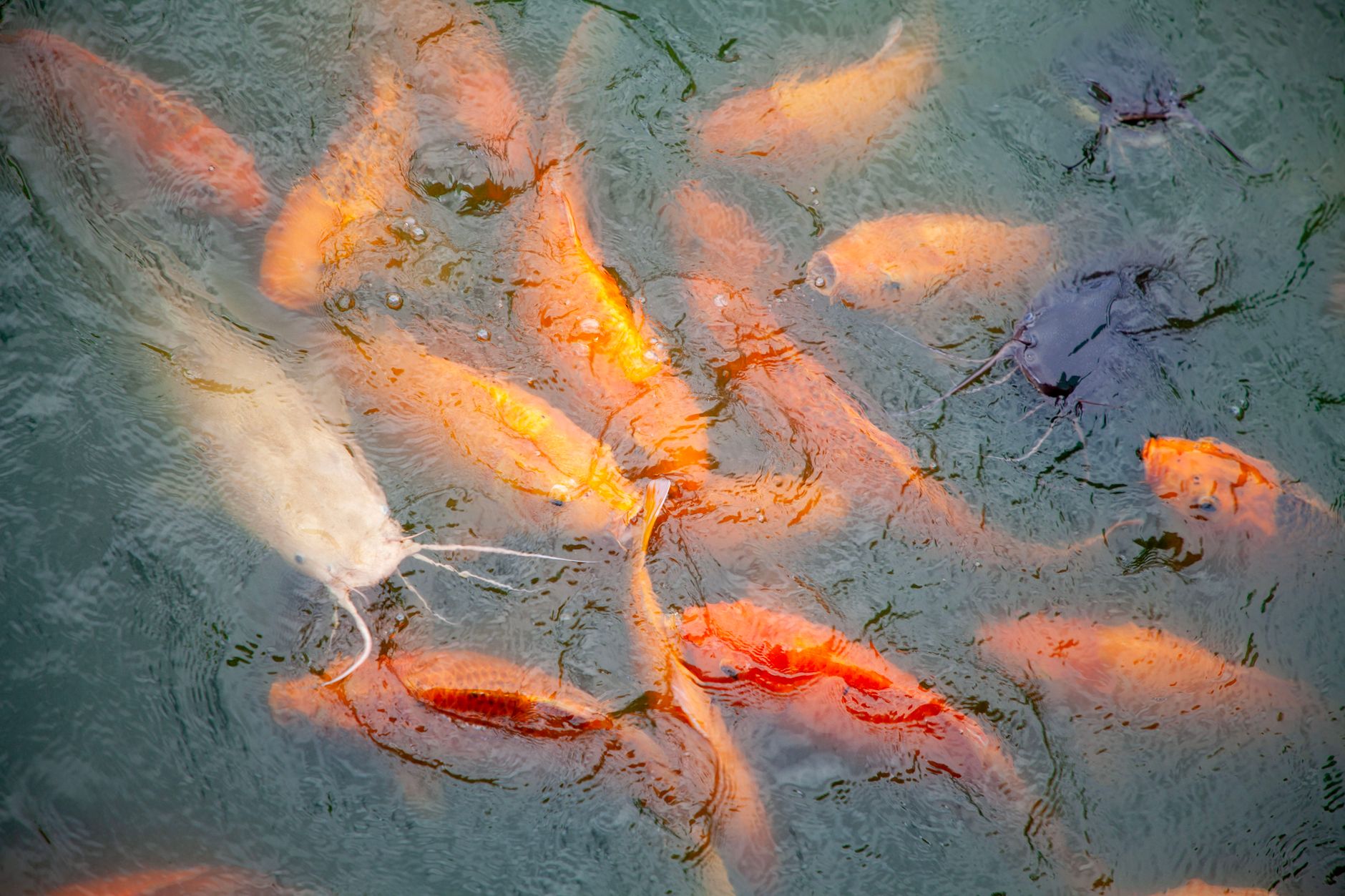
The Bighead Carp has had a devastating impact on native ecosystems. It is a filter feeder, which means it consumes large amounts of phytoplankton and zooplankton, leaving little food for native species. This can have a ripple effect throughout the entire ecosystem, leading to a decline in native fish populations and other aquatic species.
Effects on Water Quality
The Bighead Carp can also affect water quality by stirring up sediment and increasing the amount of suspended solids in the water. This can lead to a decrease in water clarity, making it difficult for other species to survive. Additionally, the Bighead Carp can carry diseases and parasites that can be transmitted to native species, further threatening their populations.
Control and Management Efforts
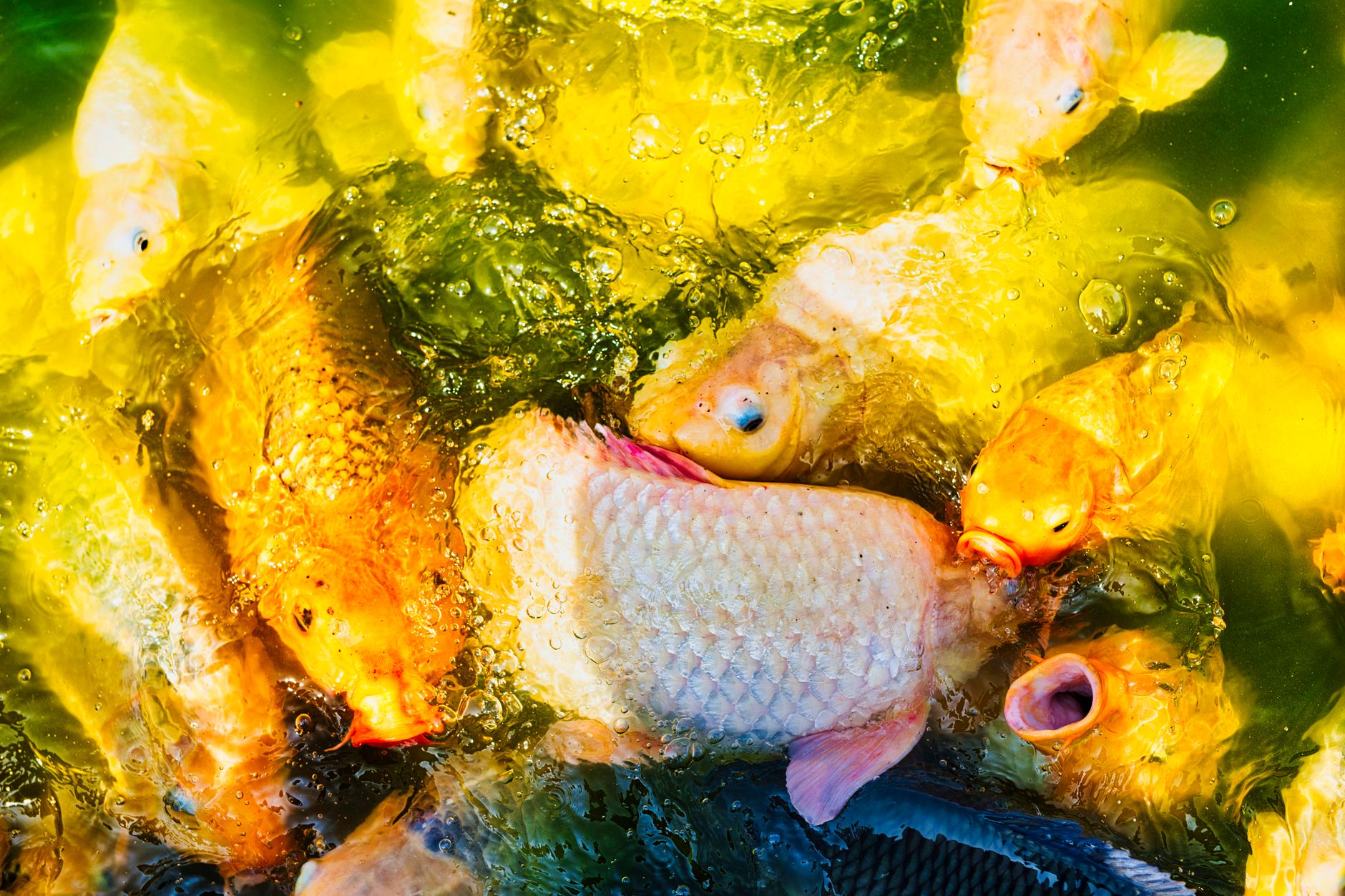
Efforts are being made to control the spread of the Bighead Carp and mitigate its impact on native ecosystems. These efforts include the use of electrical barriers to prevent the species from moving upstream, as well as the removal of Bighead Carp from infested waterways. Additionally, researchers are exploring new methods for controlling the species, such as the use of genetic engineering to produce sterile Bighead Carp that are unable to reproduce.
- Electrical barriers to prevent upstream movement
- Removal of Bighead Carp from infested waterways
- Genetic engineering to produce sterile Bighead Carp
What You Can Do to Help
There are several things you can do to help prevent the spread of the Bighead Carp and mitigate its impact on native ecosystems. If you are a boater or angler, make sure to follow all local regulations and guidelines for preventing the spread of invasive species. You can also support conservation efforts by donating to organizations that work to protect native ecosystems and prevent the spread of invasive species.
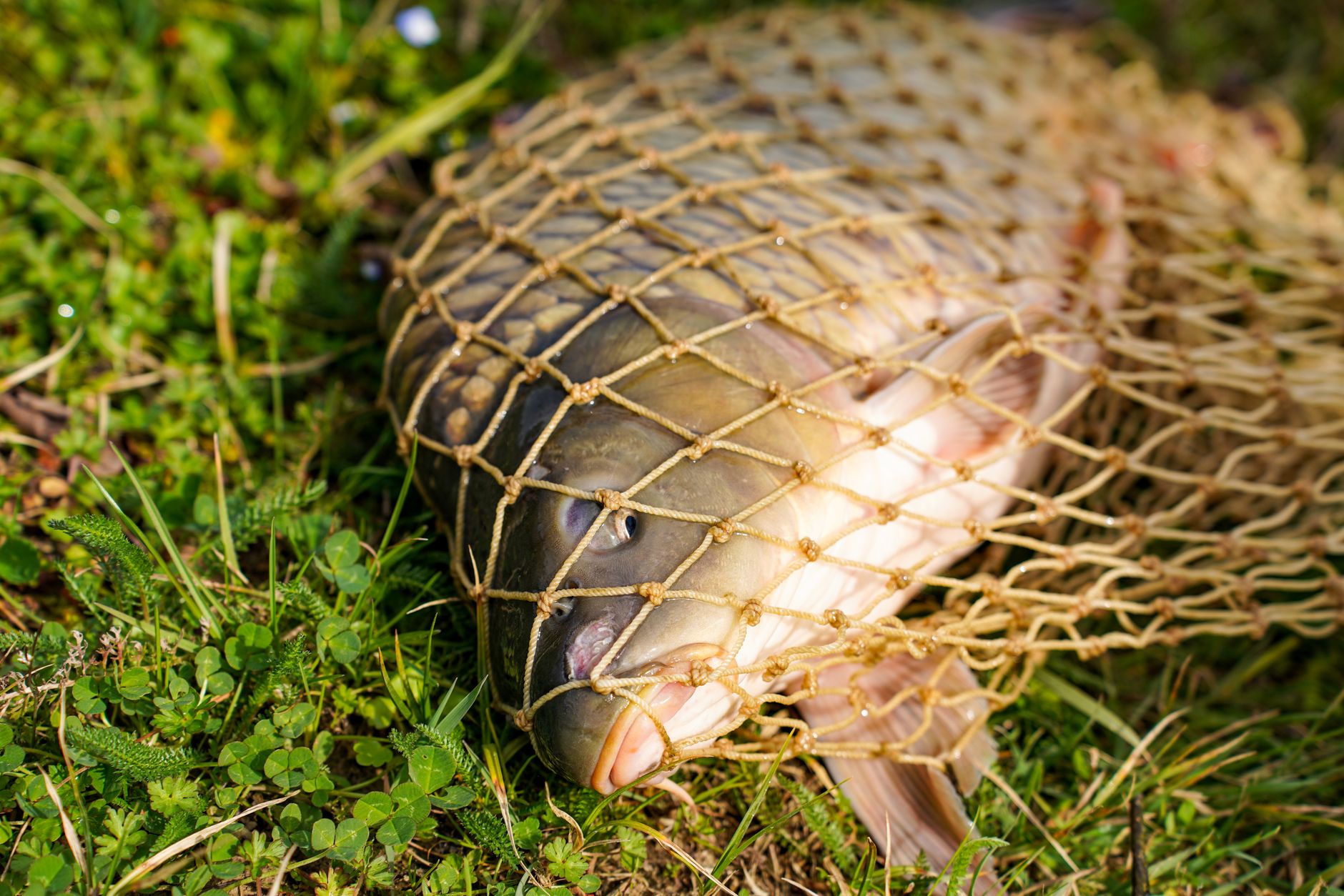
In conclusion, the Bighead Carp is a highly invasive species that has had a significant impact on native ecosystems. It’s essential to understand the impact of this Bighead Carp and take steps to prevent its spread and mitigate its effects. By working together, we can help protect our native ecosystems and preserve the natural beauty of our waterways for future generations.