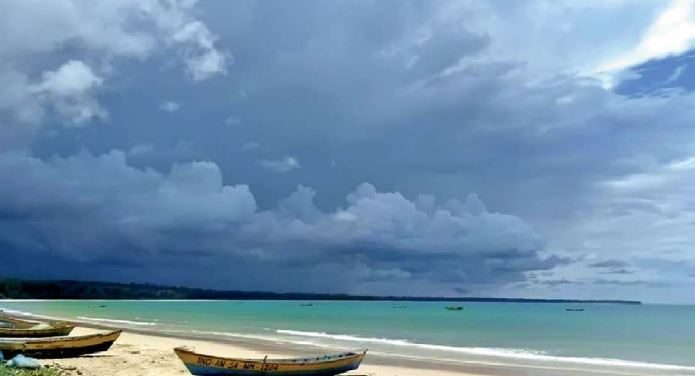
We have all thought about going away for a holiday in the winter. The ideal time for lying on the beach in your beautiful new swimwear. If you are around the equator or the Southern Hemisphere, it means perfect weather for a holiday. Complete the experience with a tropical fruit drink, and a good book, and you have a great time. But if you book the wrong place at the wrong time, it could be disastrous. A monsoon might just get in the way of those plans. It’s quite important that you know what a tropical monsoon climate is. And where you’re most likely to come across a monsoon. You don’t want your holiday to be totally ruined by bumping into one of these things. What Is A Monsoon? A monsoon is a particular type of storm which changes seasonally. It changes due to alterations in wind direction. Monsoons occur in tropical locations and are a major headache for travellers. They can appear in different times with different outcomes, in both the wet season and dry seasons of each location. How Do They Form? Summer monsoons and winter monsoons form a little differently. Summer monsoons happen when the air above the land is warmer that the air over the ocean. Warm air raises and goes out to sea, as heat always move to where it is cooler. The cool air sinks and starts to travel inland. If that air moving in is very humid, the moisture condenses and forms rain. When these differences are very stark and the air is saturated with moisture, you get a storm. Winter monsoons happen when the opposite circumstances occur. The air over the land is cooler. This means that it sinks and gets pulled out to sea. The sea is very warm however, so the heat rises. With all the humidity the moisture in the air forms giant rain clouds over the coast and the ocean. This then bursts into huge rain storms, which can easily cover the beach and move inland somewhat. Are Monsoons Dangerous? All extreme weather types can have their dangers. Luckily, it is not the wind itself that is the problem, although stormy conditions are found with monsoons. They are not like hurricanes, and so the fast winds wont knock you down or collapse building. You can encounter flash floods though, as the rain is quick and torrential. Moving through knee or waist deep water is awful and it can be very dirty. It brings up dirt and waste from the street, so make sure to shower off this dirty water. But the heat is a problem too. For monsoons to form, you have to have some very hot air. Summer monsoons form above land. That means that it can be stifling hot and humid in your hotel or wherever you might be. So you absolutely must rehydrate. People collapse often from heat exhaustion during summer monsoons, or just before the rain itself begins. So please take precautions. Sever be more than 15 minutes from your last sip of water when in the tropics. Winter monsoons form over the ocean. If you are scuba diving, snorkelling, or out on any kind of vessel, the same advice applies, but doubly. The heat will be similar to inland with two extra risk factors. One, you will be swimming or diving, so you will be losing water. You cannot tell how much you sweat when swimming. So dehydration happens very often to people who have been in the water. Two, the water of the ocean is a big mirror. You can get a lot of glare from the sun off the surface. So always use high SPF sunscreen and keep hydrated. What is Wet Monsoon Season? Travelling to India, South Asia, or Southeast Asia between April and September and you will encounter wet season monsoons. You should expect to experience heat, humidity, and torrential rainfall. Areas affected are India, Sri Lanka, Bangladesh, Myanmar, and a great deal of coastal Asia. Whilst this rainfall is vital to these countries, it might put a bit of a damper on your summer holiday. These areas of the world are very under-developed too. This means they do not have modern drainage and sewer systems. They are easily overwhelmed with flash floods if the weather is extreme. This means that water can very quickly get up to your waist. Try and stay out of the water unless absolutely necessary. It is dirty water, so you should clean it off in case it carries disease. Under no circumstances should you consume this water. Wet season in these places is generally June to October, and September is the worst month for rainfall. What is Dry Monsoon Season? A tropical monsoon climate does have drier months too. Seeing less than 60mm of rain but more than 100% precipitation is what makes it a dry season. By contrast, tropical savanna climate’s dry months see less than 60mm of any precipitation, not just rain. And they have less than 100% total annual precipitation. In essence, a tropical monsoon climate tends to see more rainfall than savannas do. Additionally, tropical monsoon areas tend to see less variation in temperatures during the course of the year. A tropical savanna climate sees much more varied temperatures. Tropical monsoon climates are most common in South America and Central America. On occasion however, some are found in South Asia, Southeast Asia, the Caribbean, and North America. If you are planning on visiting any of these areas, it’s always best to check first. Always see if there is a chance of a tropical storm where you’re going. They can come quickly and you will have to experience scorching dry weather and flash storms in the same trip. The time of these dry periods is incredibly dependent on the region, whether coastal or inland or mountainous. Please research each nation independently to find out when that might be. Here is a handy list of difference places in South America and when it is best to visit. Should You Let Monsoons Stop Your Travel Plans? You have to make sure your plans are right for you. If you are travelling with any health concerns, you need to check to see if humidity, heat, rain, and quick changes in weather will affect you badly. If you are travelling with very young or elderly relatives, then make sure you have equipped yourself for any needs they will have. Generally speaking though, don’t let this awful weather phenomenon stand in your way. If you are healthy and prepared for the weather, you should be fine. Make sure you have changes of clothes so you aren’t in wet fabrics, bring bottled water with you at all times, wear sunscreen, plan ahead, and listen to your guide for whatever activity you are undertaking. Do all of these, and the monsoon weather shouldn’t hinder your plans too much. To see more travel advice, read the travel section of our blog.