
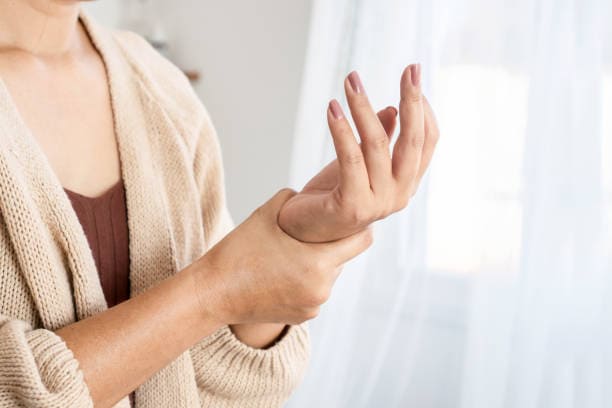
Rheumatoid arthritis (RA) is a chronic autoimmune condition that causes joint pain, swelling, and stiffness. While medical treatments can help, many people look for additional ways to manage pain naturally.
The good news? There are plenty of doctor-free, research-backed methods to ease RA discomfort. Here are 15 powerful tricks to help soothe RA pain and improve your quality of life.
1. Embrace an Anti-Inflammatory Diet
An anti-inflammatory diet can significantly reduce RA symptoms. Certain foods help combat inflammation and provide essential nutrients that support joint health.
Best Foods for RA Relief:
- Fatty fish (salmon, mackerel, sardines) – rich in omega-3 fatty acids.
- Berries (strawberries, blueberries) – packed with antioxidants.
- Leafy greens (spinach, kale) – contain vitamins and minerals that reduce inflammation.
- Nuts and seeds (walnuts, flaxseeds) – excellent sources of healthy fats.
- Olive oil – a potent anti-inflammatory alternative to processed oils.
Avoid processed foods, refined sugars, and excessive red meat, as they can worsen inflammation.
2. Incorporate Regular Low-Impact Exercise
Exercise is crucial for maintaining joint mobility and reducing stiffness. The key is to choose low-impact activities that don’t strain your joints.
Recommended Exercises:
- Swimming & Water Aerobics – Water’s buoyancy reduces joint strain while allowing smooth movement.
- Walking – A simple way to keep joints flexible without excessive pressure.
- Yoga & Tai Chi – Gentle stretching improves flexibility and balance while reducing stress.
- Cycling – Strengthens muscles around the joints, providing better support.
Try to engage in at least 30 minutes of low-impact exercise most days of the week.

3. Practice Mindfulness and Meditation
Stress can exacerbate RA symptoms, increasing inflammation and pain levels. Mindfulness and meditation can help calm the nervous system and improve pain tolerance.
Effective Techniques:
- Deep breathing exercises – Reduce muscle tension and lower stress levels.
- Guided meditation – Helps shift focus away from pain and promotes relaxation.
- Journaling – Writing down feelings and tracking symptoms can provide emotional relief.
Research suggests that practicing mindfulness for just 10 minutes a day can lead to noticeable improvements in pain perception and stress reduction.
4. Apply Heat and Cold Therapy
Heat and cold therapy are simple yet effective ways to relieve pain and stiffness.
| Type | How It Helps | When to Use |
|---|---|---|
| Heat Therapy | Increases blood flow, relaxes muscles, and reduces stiffness. | Best for morning stiffness or chronic pain. |
| Cold Therapy | Numbs sharp pain reduces inflammation and slows nerve impulses. | Ideal for swelling or acute pain. |
For heat therapy, use heating pads, warm baths, or a microwavable heat wrap. For cold therapy, try ice packs or frozen vegetables wrapped in a cloth.
5. Explore Acupuncture
Acupuncture, an ancient Chinese practice, involves inserting thin needles into specific points on the body to restore energy balance. Research suggests that acupuncture can:
- Reduce inflammation by stimulating the nervous system.
- Enhance blood flow, which can improve joint mobility.
- Trigger the release of endorphins, the body’s natural painkillers.
Work with a certified acupuncturist who is experienced in treating RA patients for the best results.
6. Use Assistive Devices
Assistive tools can make daily tasks easier and reduce joint strain.
Helpful Devices:
- Jar openers to reduce hand strain.
- Ergonomic keyboards and pens for comfortable writing.
- Button hooks and zipper pulls for dressing assistance.
- Padded shoe insoles to absorb shock and support foot joints.
7. Try Herbal Remedies
Certain herbs have anti-inflammatory properties that may help manage RA symptoms.
Herbs to Consider:
- Turmeric – Contains curcumin, which has powerful anti-inflammatory effects.
- Ginger – May help reduce pain and stiffness.
- Boswellia (Indian frankincense) – Supports joint health and reduces swelling.
- Green tea – Rich in polyphenols, which may help reduce joint damage.
Always check with a pharmacist before adding herbs to your regimen, especially if you take other medications.
8. Improve Sleep Quality
Poor sleep can worsen RA symptoms. To improve sleep:
- Maintain a consistent bedtime routine.
- Use a weighted blanket for comfort.
- Keep the room cool and dark.
- Avoid caffeine and screen time before bed.
9. Reduce Toxin Exposure
Environmental toxins can contribute to inflammation. Reduce exposure by:
- Using natural cleaning products.
- Avoiding processed foods with additives.
- Drinking filtered water.
10. Practice Gentle Stretching Daily
Stretching keeps joints flexible and reduces stiffness.
- Finger stretches – Great for hand mobility.
- Neck rolls – Help reduce upper body tension.
- Shoulder shrugs – Relieve stiffness.
11. Stay Hydrated
Water helps flush toxins and keeps joints lubricated. Aim for at least 8 glasses per day.
12. Maintain a Healthy Weight
Extra weight puts stress on joints. Losing even a few pounds can reduce pain significantly.
13. Use Essential Oils
- Lavender – Soothes stress and promotes relaxation.
- Peppermint – Cools inflammation.
- Eucalyptus – Eases joint discomfort.
14. Take Breaks and Prioritize Rest
Pacing yourself prevents overexertion. Listen to your body and rest when needed.
15. Join a Support Group
Connecting with others who understand RA can provide emotional support and practical tips.
FAQs
1. What is the fastest way to relieve RA pain naturally? Applying heat or cold therapy and practicing deep breathing can provide immediate relief.
2. Can exercise make RA worse? No, as long as you choose low-impact exercises. Regular movement helps reduce stiffness and improves mobility.
3. Does diet really affect RA symptoms? Yes! An anti-inflammatory diet can help reduce flare-ups and improve overall joint health.
4. How long do natural remedies take to work? It varies, but many people notice improvements within a few weeks of making lifestyle changes.
Conclusion
Living with RA doesn’t mean you have to suffer constantly. These 15 doctor-free strategies can reduce pain, improve mobility, and enhance overall well-being. Small, consistent changes can make a big difference in how you feel daily!
