
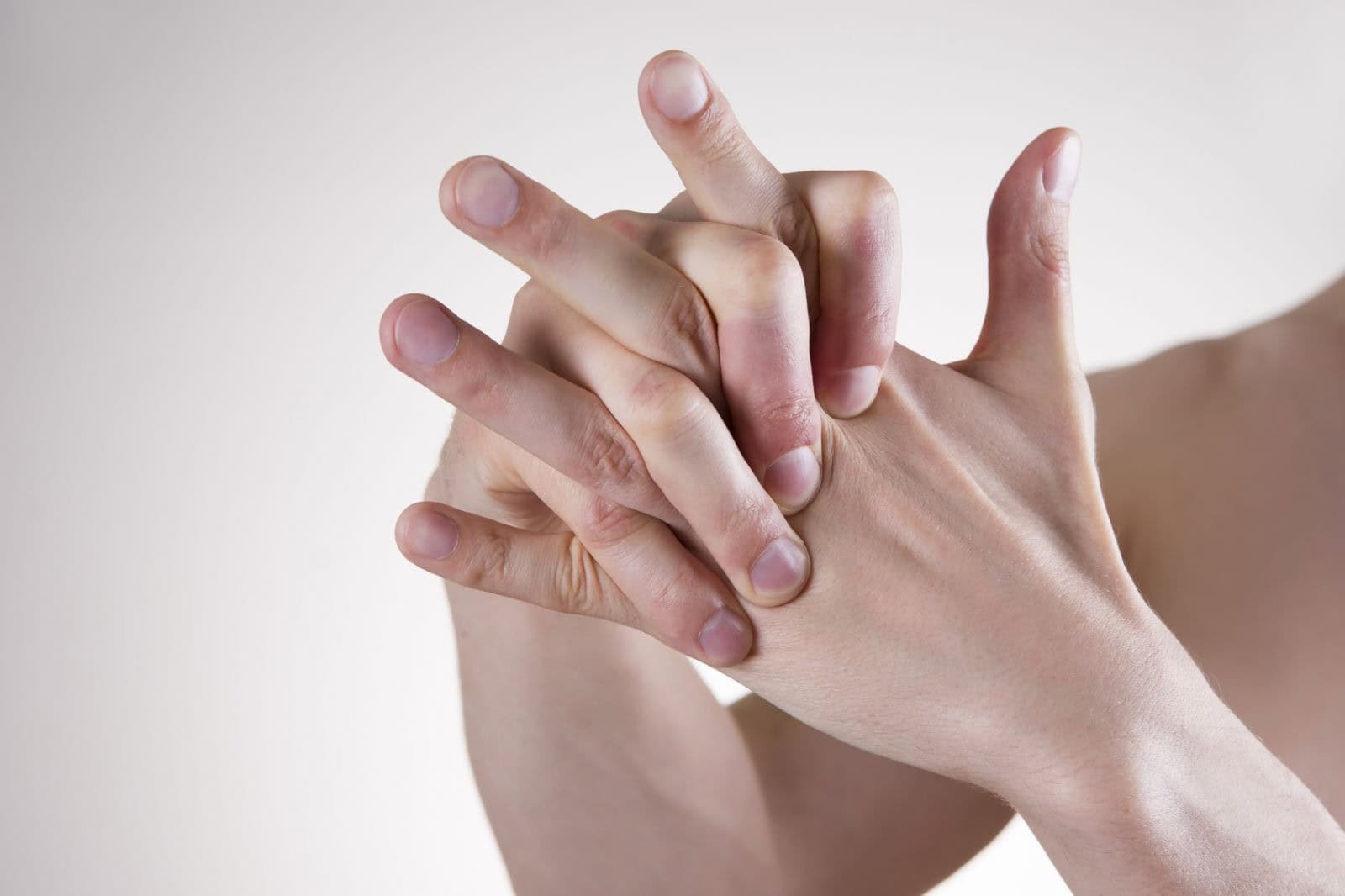
Raynaud’s disease, or Raynaud’s phenomenon, is a condition where small blood vessels, often in the fingers and toes, constrict excessively in response to cold or stress. This can cause discomfort, color changes, and sometimes pain as blood flow is restricted.
Thankfully, specific exercises can help improve blood circulation, manage symptoms, and reduce discomfort. This article will explore seven simple exercises to enhance blood flow in individuals with Raynaud’s Syndrome.
Hand Stretching Exercises
Hand stretches are essential for improving blood circulation in the fingers, hands, and wrists. When Raynaud’s affects the extremities, especially during cold weather, it can feel like your hands are stiff and unresponsive. Hand stretching exercises can help reduce that feeling by increasing flexibility and blood flow.
How to Perform:
- Finger Stretch: Start by extending your fingers wide apart, then slowly bring them together. Repeat this motion 10-15 times. This encourages blood to flow more freely to the fingertips.
- Wrist Flexion/Extension: Hold your arm out in front of you and gently flex your wrist by bending your hand backward and forward. This movement can help improve blood circulation from your forearms into your hands.
- Finger Curls: Gently curl your fingers into a fist, hold for 5 seconds, then open your hand and stretch the fingers back out as wide as possible. Repeat this 10 times to enhance movement and circulation.
Benefits: Regularly practicing hand stretches can relieve muscle tension, increase joint mobility, and promote better blood circulation, reducing the likelihood of triggering a Raynaud’s episode.

Finger Tapping
Finger tapping may seem simple, but it’s surprisingly effective at improving blood circulation. This exercise encourages movement in the smaller joints of the fingers and stimulates blood flow to the extremities.
How to Perform:
- Place your hand comfortably on a flat surface, and one by one, tap each finger against your thumb, starting with the index and moving to the pinky.
- Make sure each tap is gentle but firm enough to create a rhythm.
- Repeat this for 2-3 minutes per hand.
Benefits: This exercise is quick and easy, requires minimal space, and can be done anytime throughout the day. Finger tapping helps warm the hands and promote better blood flow, potentially preventing vasoconstriction.
Arm Circles
Arm circles are an excellent way to improve upper body circulation and increase warmth in your arms and hands. This exercise helps activate blood flow to your hands, shoulders, and upper arms, which are often impacted by restricted circulation.
How to Perform:
- Stand up straight and extend both arms to the sides of your body.
- Begin making small circles with your arms, gradually increasing the size of the circles as you go.
- Perform the exercise for about 30 seconds in one direction, then reverse and repeat for another 30 seconds.
Benefits: Arm circles are an excellent way to engage large and small muscles, which can help promote circulation in areas where blood flow tends to be compromised. Additionally, this exercise can be done in place and requires no special equipment.
Toe Wiggles
While we often focus on the hands and fingers with Raynaud’s, the feet can also be affected by the condition. When your feet feel cold and numb, it’s crucial to stimulate circulation to improve blood flow. Toe wiggling is a simple way to activate the small muscles and blood vessels in the feet.
How to Perform:
- Sit in a comfortable chair with your feet flat on the floor.
- Begin wiggling your toes by gently moving them up, down, and side to side.
- Continue this movement for 2-3 minutes for each foot.
Benefits: This exercise helps wake up the muscles and blood vessels in the toes, encouraging circulation and warmth. It’s beneficial after exposure to cold temperatures, as it can help restore normal blood flow.
Ankle Pumps
Ankle pumps are a fantastic way to stimulate circulation in the lower body, particularly in the feet and calves. Pumping your ankles improves venous return, which helps blood flow back to your heart, which can be recirculated throughout the body.
How to Perform:
- Sit or lie down with your legs extended out in front of you.
- Point your toes away from your body and then flex your feet back toward you.
- Perform 15-20 repetitions for each leg, focusing on the motion of the foot rather than speed.
Benefits: Ankle pumps help activate the calf muscles, which play a critical role in blood circulation. Regular practice can reduce swelling, promote blood flow to the feet, and potentially alleviate some of the discomfort associated with Raynaud’s.
Leg Extensions
Leg extensions work by increasing blood circulation to the legs and feet. When you sit for long periods, your circulation can slow down, which may worsen symptoms of Raynaud’s, especially in the lower body. Leg extensions can help activate blood flow and improve overall circulation.
How to Perform:
- Sit in a chair with your feet flat on the floor.
- Slowly extend one leg straight out before you while keeping your knee straight.
- Hold for 5 seconds, then slowly lower the leg back to the ground.
- Repeat this exercise 10 times for each leg.
Benefits: Leg extensions help promote blood flow to the feet and legs, vital for Raynaud’s patients who may experience coldness and numbness in these areas. This movement can also enhance flexibility and strengthen leg muscles.
Deep Breathing and Relaxation
It’s not just physical movement that improves blood flow; deep breathing and relaxation techniques can also play a crucial role. Stress and anxiety can trigger or worsen Raynaud’s episodes, causing blood vessels to constrict. Deep breathing exercises can help reduce stress and improve oxygen circulation.
How to Perform:
- Sit or lie down in a quiet and comfortable space.
- Inhale deeply through your nose, allowing your lungs to expand fully. Hold for a count of four, then slowly exhale through your mouth.
- Repeat this process for 5-10 minutes, focusing on slow and deliberate breathing.
Benefits: Deep breathing exercises help activate the parasympathetic nervous system, which helps counteract the stress response. Incorporating this relaxation technique into your daily routine can promote overall circulation and reduce the frequency of Raynaud’s flare-ups.
FAQs
Q: Can I do these exercises during Raynaud’s episode?
A: It’s best to perform these exercises regularly as part of your daily routine rather than during an active episode. During an episode, your body is already responding to cold or stress, so you may want to focus on warming up your hands or feet before attempting exercises.
Q: How often should I do these exercises?
A: You can perform these exercises several times a day, but aim for at least once in the morning and once before bed. Consistency is key to improving circulation and preventing episodes of Raynaud’s.
Q: Will these exercises completely prevent Raynaud’s attacks?
A: While exercises can significantly improve circulation and reduce the severity of symptoms, they may not completely eliminate Raynaud’s attacks, mainly if triggered by extreme cold or stress. However, regular exercise can help manage the condition and reduce the frequency of episodes.
Conclusion
Improving blood flow is crucial for managing Raynaud’s Syndrome, and incorporating these seven simple exercises into your daily routine can help improve circulation and reduce symptoms. From hand stretching to deep breathing, these activities don’t require specialized equipment and can be done anywhere.
Start small, stay consistent, and remember that exercise, proper clothing, and stress management can make a significant difference in your comfort and quality of life.
Always consult a healthcare professional for personalized guidance, and listen to your body as you practice these exercises.
