
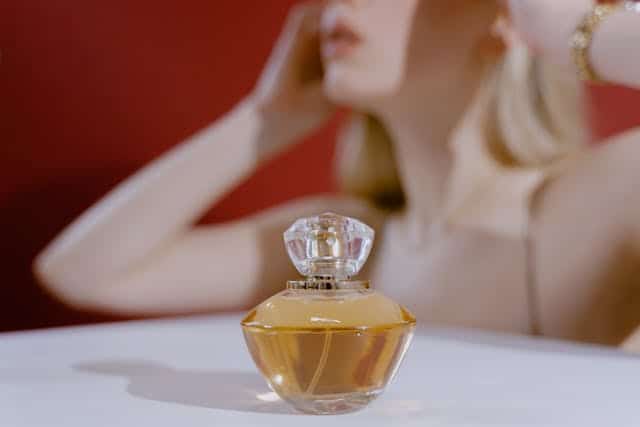
I learned the hard way that a quick grocery run can turn into a siege. I popped into a store for milk, and someone nearby spritzed perfume like it was their spirit animal.
My chest tightened, my head swam, and that familiar fibro fog crept in—thick and sticky, like my brain had been wrapped in cotton candy. For years I shrugged it off as “just a smell.”
Now I know better: for many of us with fibromyalgia, certain chemicals don’t just annoy — they assault. This piece is for the people who leave parties early, for the coworkers who keep an extra seat between them and the perfume-wearer, and for anyone who’s ever asked, “Am I being dramatic or is this real?” Spoiler: it’s very real.

What Is Chemical Sensitivity And Why Does It Matter For Fibro?
Have you ever walked into a room and felt instantly punched in the sinuses, or had your head fuzz over like a radio losing signal?
That’s the territory of chemical sensitivity — a broad term for unpleasant reactions to low-level chemicals in everyday products: perfumes, cleaning sprays, air fresheners, scented laundry detergent, gasoline, paint fumes, and more.
For people with fibromyalgia, this feels especially personal. Fibro already rewires how our nervous systems interpret signals (pain, temperature, even smell).
Add certain chemicals into the mix, and the volume knob on our sensory system seems to get stuck on loud. So a bouquet or a coworker’s cologne can register not as “pleasant smell” but as “threat.”
The body doesn’t always distinguish between real danger and perceived danger — and sometimes it treats a spritz of perfume like poison.
How Fibromyalgia And Chemical Sensitivity Connect
- Sensory Overload Is Our Default Setting. Fibro often means the nervous system is wound a little tighter. Stimuli that are background noise for others can be a symphony (and not the good kind) for us.
- Central Sensitization Means Amplified Signals. Our brains can turn up the volume on touch, taste, sound — and smell. So a tiny whiff becomes a full-body reaction.
- Autonomic Nervous System Plays Tag. Chemicals can trigger the fight-or-flight crew (heart rate, breathing, blood pressure), which feels awful and leaves us drained.
- Overlap With Migraine And MCS (Multiple Chemical Sensitivity). Many of us with fibro also have migraines or meet criteria for MCS — meaning chemicals are a common trigger.
Translation: your reaction isn’t in your head (in the dismissive way people mean when they say that). It’s an over-caffeinated nervous system doing its job too well.
Common Chemical Triggers
| Source | Typical Chemicals Involved | Typical Reactions |
|---|---|---|
| Perfume/Cologne | Fragrance mixes, synthetic musks | Headache, nausea, throat tightness, dizziness |
| Cleaning Sprays | Ammonia, bleach, volatile organic compounds (VOCs) | Coughing, chest pain, eye irritation, flare in body pain |
| Air Fresheners & Scented Candles | Phthalates, aerosols, VOCs | Brain fog, headaches, respiratory irritation |
| Laundry Detergent & Fabric Softener | Synthetic fragrances, dye | Skin rash, itchy throat, fatigue |
| Gasoline, Paints, Solvents | Hydrocarbons, VOCs | Nausea, dizziness, heart palpitations |
| Personal Care Products (lotion, hair spray) | Parabens, fragrances | Skin irritation, migraines, fatigue |
(Short table notes: Think of fragrance as a giant umbrella that can hide hundreds of different chemicals. “Fragrance-free” and “unscented” aren’t always perfect, but they’re often better.)
Why Perfume Hits Us So Hard (Metaphor Time)
Imagine your nervous system as a highway. Under normal circumstances, cars (sensory signals) cruise along at a steady pace. Fibro? It’s like sudden construction zones, detours, and a few too many potholes.
Now imagine perfume as a flashy tourist bus that refuses to follow the lane — honking, blasting music, spraying confetti. The highway gets jammed, other cars swerve, and the whole system grinds to a halt.
Perfume is chemically complex. It can contain dozens (even hundreds) of volatile chemicals designed to evaporate quickly — so you smell them. That volatility is the problem: they easily enter our airways, our bloodstream (tiny amounts, yes, but enough for sensitive systems), and then our poorly behaved nervous system reacts.
The response can be immediate (sneezing, coughing), delayed (fatigue, muscle flare the next day), or cumulative (the more exposures, the worse it gets).
How To Protect Yourself: Practical Strategies (Short-Term And Long-Term)
We need both immediate defenses and long game adjustments. Think of this like building a little fortress rather than an impenetrable bunker — doable, flexible, and realistic.
Immediate Steps When You Encounter A Strong Scent
- Create Distance. Step back or move to a different room. Even a few feet matters.
- Find Fresh Air. Open a window, step outside, or go to a restroom with ventilation. Air circulation helps dilute the chemical concentration.
- Use A Barrier (Literal or Not). A surgical mask or an N95 can reduce inhalation of volatile particles. (Yes, it looks dramatic — but who cares?)
- Hydration And Grounding. Drink water, breathe slowly, and if needed lie down to steady your blood pressure.
- Short-Term Meds If Prescribed. Antihistamines or migraine meds (if you’re prescribed them) can help in some cases — check with your clinician.
Long-Term Home Strategies
- Go Fragrance-Free At Home. Switch laundry detergent, candles, and cleaning products to unscented versions.
- Improve Ventilation. Use exhaust fans, open windows when weather permits, and avoid aerosol sprays.
- Declutter Your Chemical Arsenal. Keep a minimal set of personal care products; fewer ingredients = fewer problems.
- Use Natural Alternatives Carefully. “Natural” is not automatically safe (essential oils can trigger reactions) — test small and be cautious.
- Create A Safe Room. Even one scent-free room where you can retreat makes a huge emotional difference.
At Work Or Public Spaces
- Ask For Scent-Free Policies. Many workplaces will accommodate a fragrance-free request if you explain it as a health need.
- Use Signage Sparingly But Clearly. A polite note in a shared area or on a meeting invite can set expectations: “Please join us fragrance-free for [name]’s comfort.”
- Schedule Smartly. If cleaning is done on certain days, plan meetings away from those windows.
- Carry Quick Relief Tools. Mask, saline nasal spray, or a small fan can be lifesavers.

Conversations That Don’t Suck: Scripts For Telling People About Your Sensitivity
We don’t enjoy awkward talk, but the truth is, most people would rather be told politely than accidentally make you miserable.
- Simple And Direct: “I have a sensitivity to strong scents that makes me very unwell. Could you please skip the perfume today? I’d really appreciate it.”
- Workplace Framing: “I wanted to let you know I’m fragrance-sensitive for medical reasons. Can we make the meeting fragrance-free? I’ll send a polite note to the whole team.”
- Friend/Family: “I love you, but heavy perfume makes me sick. If you could skip it when we hang out, I’ll owe you coffee.”
- If You Need To Be Firm: “I need to move away/leave if strong scents are present. I’m not judging — I just have to protect my health.”
Add a kind tone, a little humor if it fits, and you’ll get farther than with guilt or silence.
Managing A Reaction: What To Do In The Moment
When your body starts flipping out, here’s a practical triage plan:
- Get To Fresh Air — immediate priority.
- Remove Sources — if you can (step away from the person or the sprayed surface).
- Loosen Clothing — tight collars can worsen breathing discomfort.
- Hydrate Slowly — sip water; sometimes the throat spasms from dryness.
- Calm The Autonomic Response — slow diaphragmatic breathing (4 seconds in, 6 seconds out) helps calm racing heart and panic.
- Medication If Available — take migraine rescue or antihistamine if you normally use them and your provider has approved.
- Rest And Recover — reactions can be immediate and also delayed; give yourself permission to rest for hours or even a day.
Tracking Triggers: The Simple Table You Can Use
| Date | Event/Place | Suspected Trigger | Immediate Symptoms | Delayed Symptoms (Hours/Days) | Action Taken |
|---|---|---|---|---|---|
| e.g., 2025-09-01 | Grocery Store | Floral perfume | Throat tightness, cough | Body pain spikes the next day | Left the store, rested, and took an antihistamine |
Use a simple habit tracker or notes app. Pattern-spotting is how we gain power back. If you see the same trigger over and over, prioritize eliminating it.
The Emotional Toll: It’s Not Just Physical
Let’s be honest: chemical sensitivity is isolating. Saying no to hugs because someone’s cologne lingers feels petty to outsiders. Missing out on social events (or cutting them short) compounds loneliness. There’s guilt, frustration, and a low-grade grief over things we used to do freely.
We need language for that: “I’m sorry I left early” and “I had to step out because scents made me unwell” are valid.
Remind yourself: boundaries are not only about other people. They’re about survival. We’re choosing well-being over social fear, and that’s courageous, not selfish.
What About “Fragrance Free” Labels? (Spoiler: They’re Not Magical)
Product marketing loves the words “fragrance-free” and “unscented,” but the reality is messy. Some “unscented” products still contain masking fragrances or chemicals that neutralize smells. Also, “natural” doesn’t equal hypoallergenic — essential oils, for example, can trigger migraines or respiratory reactions.
Rule of thumb:
- Read ingredient lists (shorter often better).
- Start with small patch testing — wear a new product for an hour at home and notice reactions over the next 24–48 hours.
- Keep a trusted shortlist of products that have worked for you and stick to them.
Medical Approaches: What Clinicians Might Offer (Nontechnical Summary)
We’re not going into prescription detail, but it’s helpful to know the kinds of support your medical team might provide:
- Symptom Management — meds for headaches, nausea, or allergies when appropriate.
- Referral To Specialists — ENT, allergist, or neurologist if needed.
- Occupational Therapy — strategies for pacing and environmental modification.
- Behavioral Therapies — CBT or somatic techniques can help manage the stress and autonomic symptoms tied to chemical exposure.
- Documentation For Work — a clinician’s note can be invaluable when requesting workplace accommodations.
If your reactions are severe (difficulty breathing, fainting), seek urgent medical attention.
When To Seek Emergency Care
If exposure leads to any of the following, go to the ER or call emergency services:
- Severe Breathing Difficulty (wheezing, inability to speak full sentences).
- Loss Of Consciousness Or Fainting.
- Chest Pain That Feels Different From Usual Fibro Flare.
- Signs Of Anaphylaxis (very rare with perfume but possible if there’s a true allergic component): swelling of the face/mouth, trouble breathing, rapid heartbeat.
Don’t downplay severe symptoms. Our bodies sometimes lie to us about whether something is “worth” a hospital visit — when in doubt, err on the side of care.
Lifestyle Adjustments That Actually Help (Small Changes, Big Returns)
- Sleep Hygiene: Better sleep lowers baseline sensitivity. Even small improvements (dark room, regular bedtime) can reduce reactivity.
- Stress Reduction: Techniques like gentle yoga, guided breathing, or short walks can lower the nervous system’s reactivity over time.
- Hydration & Nutrition: Stable blood sugar and hydration help — feeling “hangry” can amplify discomfort.
- Pacing & Energy Management: Plan outings with scent exposure in mind; allow recovery days after necessary exposures.
- Support Network: Keep one or two scent-aware friends who can help you navigate tricky social situations.
FAQs — Your Burning Questions
Q: Is My Reaction “All In My Head”?
A: No. It’s a physiological response. That doesn’t mean the brain isn’t involved — it is — but the symptoms are real, measurable, and often debilitating.
Q: Will Avoiding Perfume Cure My Fibromyalgia?
A: No. Avoidance helps reduce one set of triggers and may decrease flares, but fibromyalgia is multifactorial. Think of scent avoidance as symptom management, not a cure.
Q: Are Natural Scents Safer Than Synthetic Ones?
A: Not necessarily. Essential oils and natural extracts can be potent triggers. Safety is individual — what’s safe for one person can be harmful to another.
Q: How Do I Ask My Workplace To Be Fragrance-Free Without Sounding Demanding?
A: Frame it as a health-related accommodation. Offer to provide a brief note from your clinician if needed, and suggest small, implementable steps (e.g., include a polite line in meeting invites).
Q: Will Doctors Take My Sensitivity Seriously?
A: Many will, especially specialists familiar with MCS, migraines, or fibromyalgia. If you encounter dismissal, seek a clinician who understands environmental health or who respects patient-reported symptoms.
Q: Can Masks Help?
A: Yes — especially surgical masks or N95s — they reduce inhalation of volatile particles and can be a useful short-term tool.
Q: How Long Does A Reaction Last?
A: It varies. Some reactions are immediate and short-lived; others have delayed effects lasting 24–72 hours or longer. Track your patterns to know your personal timeline.
Q: Are There Tests For Chemical Sensitivity?
A: There’s no single definitive lab test for MCS. Diagnosis is usually clinical — based on history and symptom patterns. That’s why documentation and tracking are so helpful.
Q: Is It Okay To Avoid Family Events Because Of Scents?
A: Yes. Prioritize your health. Communicate kindly, offer alternatives (outdoor gatherings, scent-free zones), and remember self-protection is a valid choice.
Q: Can Exposure Make My Fibro Permanently Worse?
A: Repeated high exposures can sensitize systems further for some people. That’s why prevention matters. But this is variable — many of us can stabilize with good management.
Quick At-Home Product Swaps
| Problem Product | Alternative To Try | Notes |
|---|---|---|
| Scented Laundry Detergent | Unscented, dye-free detergent | Use a small load first to test |
| Aerosol Air Freshener | Open-window ventilation, HEPA fan | Fans dilute — avoid aerosols |
| Perfumed Lotion | Unscented, short-ingredient moisturizer | Patch test before full-body use |
| Scented Candles | Beeswax or unscented soy, or no candle | Scented candles often emit VOCs |
| Spray Cleaner | Soap and water, or non-aerosol cleaners | Avoid bleach + ammonia mixes |
When People Say “But It Smells Nice” — A Gentle Rebuttal
“Yes, I get that it smells nice to you — but it doesn’t for me. My nervous system hears it as an attack, not a compliment.”
You don’t owe anyone dramatic proof. You don’t have to produce test results or a photo of your pounding heart. A calm, assertive explanation is enough. If someone persists, it’s okay to disengage. Your health > someone’s scent preference.
Coping Tools That Help Me (Tiny, Weird, And Useful)
- A Tiny Battery-Powered Fan: Directs air away from your face when someone near you has sprayed.
- A Pocket-Sized Saline Spray: Helps rinse out the nose and reduce irritation.
- A “Scent-Free” Card: A short printed note you can hand discreetly — “I have a medical sensitivity to fragrances. Would you mind skipping perfume today?”
- A Short List Of Trusted Products: Keep a list you can share with friends who want to be helpful.
- An “Escape Plan” Route: Mentally map exits in public places so you don’t feel trapped when scents hit.
The Social Math Of Saying No (Quick Rules)
- Be Brief — longer explanations invite debate.
- Be Clear — frame it as a health need, not a preference.
- Offer Alternatives — “Let’s meet outside” or “Can we wait until after lunch?”
- Protect Your Energy — you don’t need to educate everyone. Pick your moments.
Resources For Advocacy (How To Get A Fragrance-Free Policy Going)
- Start small: suggest “scent-free” meeting guidelines to your team.
- Offer sample language for HR to use in email templates.
- Don’t be punitive — invite trial periods and feedback.
- If you have documentation, share it with HR to formalize an accommodation.
(And if they balk, remember: laws about workplace accommodations vary — but many employers will accommodate reasonable requests once they understand the health impact.)
FAQs — Bonus Quick Hits
- Can I be allergic to perfume? Maybe — true allergies to perfume ingredients happen but many reactions are non-allergic sensitivity.
- Will quitting perfume help overall? It reduces one category of triggers; overall management still includes sleep, stress control, and pacing.
- Can kids/caregivers wear scents? Encourage fragrance-free options for close caregivers; keep the home scent-controlled.
- Is essential oil diffusing safe? Not for everyone. Diffusers can saturate the air and cause reactions. Test very small exposure if you’re curious.
Conclusion
We live in a scented world. That’s not going to change overnight. But we can make choices that protect our nervous systems without turning our lives into hermit kingdoms. The goal isn’t perfection; it’s safety, dignity, and participation on terms that don’t cost us our health.
Quick Checklist To Start Today
- Carry a mask and fan. Small tools, big difference.
- Create one scent-free room at home. A mini sanctuary matters.
- Track exposures in a tiny journal. Patterns are power.
- Use clear, kind language with others. Most people will comply if asked politely.
- Talk to your clinician about accommodations. Documentation helps at work.
Remember: setting boundaries is self-care, not selfishness. Your nervous system is trying to keep you safe — help it out where you can, and be gentle with yourself when it’s not perfect. We’ve all had to balance living and protecting; think of this as smart living, not a life sentence.
Final Invitation
What’s the single scent that knocks you down every time? Share it below — or tell me the tiny trick that’s saved you from a flare. We’re a weird, resilient crew. Let’s keep swapping notes (and fragrance-free product recs) so the rest of the world learns how to be kinder to our nervous systems.