
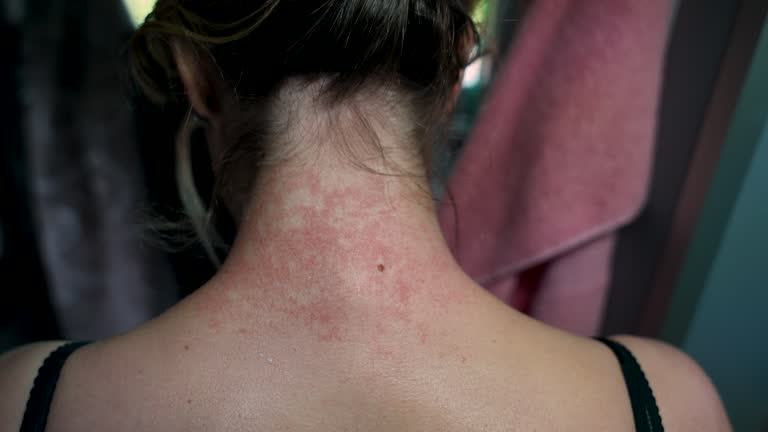
I still remember the first time a gentle hug felt like being squeezed through a cheese grater. I froze, pulled back, and watched my partner’s face go a little puzzled—“Are you okay?”—like I’d just cancelled happy hour for no reason.
That small moment taught me two things: one, that fibromyalgia doesn’t ask permission before it ruins simple comforts, and two, that you can build smart little tricks to protect your skin, your nerves, and your sanity.
These are the real-world, practical hacks I’ve learned (and the ones other Fibro Warriors swore by) for when even a breeze or a T-shirt feels like a betrayal.

Understanding Why Your Skin Hurts
Why does a soft touch sometimes feel like fire? Short answer: the nervous system is confused. Long answer: fibromyalgia often comes with central sensitization and tactile allodynia—fancy terms meaning your brain amplifies normal touch signals and interprets them as pain.
So a tag, a lap blanket, or even a fan can trigger real, unpleasant sensations. It’s not in your head (I promise you—no one wants to invent blue hands), and it’s not because you’re dramatic. It’s biology.
Knowing this helps because it shifts the goal: we aren’t trying to “fix” people’s reactions; we’re trying to reduce the number of times your nerves flare up.
The fewer surprise stimuli, the calmer the nervous system gets. Think of your body like a fussy radio—when the signal is noisy, you turn down the volume, change the station, and cover the blinking lights.
The Gentle Skin Care Routine
You can’t make your nerves behave overnight, but you can stop tempting them. A gentle skincare routine is the frontline defense.
- Lukewarm Showers Only. Hot water feels luxurious but is a surefire way to trigger pain and itch. Keep it lukewarm and brief.
- Use Super-Soft Washcloths Or Your Hands. Avoid loofahs, scratchy gloves, and bath brushes. Let your hands be your scrubbers.
- Pat Dry. Don’t rub—pat. Patting keeps friction low and prevents flare-ups.
- Fragrance-Free, Minimal Ingredients. The fewer added perfumes, dyes, and botanicals, the less your skin and nerves have to react.
- Moisturize Immediately. Right after pat-dry, slather on a gentle, fragrance-free cream or ointment. Occlusive layers (thicker creams) seal moisture better and reduce nerve irritation from dryness.
- Patch Test New Products. Dab a little on the inside of your forearm for a few days before full-face or full-arm use. If it stings or goes red, toss it.
Tiny rituals like this add up. They don’t cure the hypersensitivity, but they barricade you against unnecessary triggers.
Clothing And Fabric Choices That Won’t Betray You
Clothes should be allies, not assassins. Learn to love fabrics that whisper.
- Favor Soft, Natural Fabrics. Cotton, bamboo, and modal tend to be friendlier against hypersensitive skin than scratchy wool or heavy synthetics.
- Seamless Or Flat Seams. Seek out seamless underwear, tagless shirts, and flatlock seams that won’t dig into your ribs or collarbone.
- Loose Is Your Friend. Tight clothing increases pressure and friction and makes your nervous system grumpy. Aim for relaxed fits.
- Cover Problem Areas Lightly. If a breeze or fan over your skin triggers pain, keep a lightweight scarf, shawl, or wrap handy. Choose breathable materials so you don’t overheat.
- Prewash New Clothes. Sometimes, chemicals and stiffeners from manufacturing are the culprits. A gentle wash—and an extra rinse if your machine allows—helps.
- Avoid Flashy Textures Close To Skin. Lace, coarse knits, and exposed zippers can be little shock troops of discomfort.
You’d be surprised how much relief a slip-on, tagless T-shirt can bring.
Temperature, Humidity, And Your Skin
Thermal allodynia—temperature-related sensitivity—is a real jerk. It’s not just hot/cold; it’s sudden changes.
- Layer Smartly. Thin layers let you fine-tune comfort without abrupt exposure. A tank, a thin cardigan, and a scarf allow micro-adjustments.
- Avoid Drafts And Direct Fans When Possible. A fan on your face might feel refreshing to others and painful to you. Direct airflow can feel like sandpaper.
- Keep Indoor Temperatures Stable. Sudden swings (A/C blasting in summer, heater cranked up in winter) can trigger flares.
- Humidifier For Dry Climates. Dry air dries out skin and increases itch/pain. A small humidifier near your bed or workstation can help.
- Cooling Packs For Acute Flare-Ups. A soft, thin cool pack wrapped in a cloth can calm inflamed skin—no direct ice-to-skin contact, please.
Think of your environment as a constant low-key massage—gentle, predictable, and boring. That’s what calms the nervous system.
Quick On-The-Go Hacks
Out in the world and the world wants to touch you? Here are portable life-savers.
- Wear A Lightweight Shawl Or Cardigan. Carry it in your bag so you can cover up for rides, restaurants, or sudden drafts.
- Soft Gloves For Cheap. Thin cotton gloves are discreet and can be useful when you’re doing light tasks that irritate your hands.
- Bandage Or Moleskin For Tender Spots. If a particular seam or strap rubs, a small square of moleskin over the area prevents friction.
- Super-Soft Adhesive Pads For Bras/Straps. Tiny silicone pads or fabric cushions under bra straps or backpack straps can reduce pressure on trigger points.
- Portable Cooling Towel. Foldable, soft cooling towel that you wet and wring—gentle coolness without ice.
- Noise-Cancelling, But For Touch. Okay, that’s not a real product (yet), but pack compassion: people will misunderstand. A short, “My skin’s very sensitive; can I have a little space?” usually does the trick.
When you’re out, prevention beats correction. Keep a “comfort kit” in your bag.

Topical Treatments And Safe Patch Testing
Topicals can be helpful, but you must be cautious—your skin is already reactive.
- Gentle Topical Analgesics. Creams with mild lidocaine or other numbing agents can offer local relief. Always patch test to ensure no burning or rash.
- Avoid Menthol If It Burns. Menthol feels cooling but can sting sensitive skin. Try a tiny test spot before applying widely.
- Barrier Creams. Zinc oxide or thicker ointments can create a buffer between skin and irritants—useful under straps and at rubbing points.
- Natural Oils—With Caution. Coconut oil or oat oil can soothe for some, but botanical essential oils (lavender, peppermint) are often irritating—skip them unless you’ve tested them extensively.
- Topical Magnesium Or Calcium Lotions. Some folks report benefit; others notice skin irritation. Test first.
- Keep An Antihistamine Handy For Itch. While antihistamines don’t fix nerve pain, they sometimes help with associated itchy flare-ups. Consult your doc.
Rule of thumb: less is more. Soothe the skin; don’t smother it with a chemistry set.
Bathing, Soaking, And Epsom Salt Myths
Baths feel like a sacred ritual—can’t we keep them? Yes, but make them strategic.
- Short, Lukewarm Baths. No marathon, no scalding water.
- Epsom Salt If It Helps You. Anecdotally, Epsom (magnesium sulfate) soaks ease muscle tension for many. Try a small amount first and notice how your skin reacts.
- Don’t Overdo Bath Additives. Bubble baths, perfumes, and bath bombs love your skin the way wasps love picnics—briefly and painfully.
- Add Oatmeal For Itch Relief. Finely ground colloidal oatmeal can calm itchy skin. Use sparingly and rinse thoroughly.
- Towel Patting Ritual Post-Bath. Finish with a thick, fragrance-free moisturizer to lock in moisture.
A deliberate, gentle approach to bathing lets you keep the ritual without paying the price afterward.
Sleep Setup For Sensitive Skin
Nighttime should be a refuge, not a battlefield of sheets and seams.
- Soft Sheets, Natural Fibers. Cotton or bamboo sheets in a higher thread count (but not satin with static) are lovely.
- Seamless Pajamas Or Sleep Socks. Minimal seams, tagless labels, soft waistbands.
- Pillowcase Swaps. If your face is tender, consider switching to a soft silk or high-thread-count cotton pillowcase—silk glides more but can trap heat.
- Temperature Control For Night Sweats. Keep a cool pack handy or sleep in layers you can remove.
- Weighted Blanket Alternatives. Weighted blankets are a swear-by for some and unbearable for others. Try a lighter, breathable weighted lap blanket first, or skip it if pressure triggers pain.
- Keep A Gentle Barrier. A thin cotton sheet between your skin and anything textured (like a memory foam pillow) reduces friction.
Sleep is a healing tool. Protect it.
Managing The Mental Load: Saying No, Without Guilt
The social aspect of hypersensitivity is brutal. People want to hug, to help, to fix—sometimes by touching you.
- Practice Short Scripts. “I’d love a hug, but my skin is really sensitive today—can we do a high five?” Simple and effective.
- Teach Loved Ones. A quick demo—“This is how light touch feels”—helps bridge the empathy gap.
- Set Boundaries Publicly If Needed. A visible shawl or wristband that says “skin sensitive” (or a discreet note) prevents awkward moments and lets you avoid repeating the talk.
- Mindfulness And Grounding For Panic. When touch triggers panic or fight/flight, breathe. Grounding exercises (5 things you can see, 4 you can touch, etc.) anchor the moment.
- Therapy For The Emotional Fallout. Chronic pain and isolation can hurt the brain almost as much as the body. A therapist who understands chronic illness is gold.
You don’t owe explanations to anyone, but a little prep helps when you want to engage without paying the sensory price.
When To See A Doctor Or Specialist
If your skin pain is new, rapidly worsening, or accompanied by rash, fever, or neurological changes (weakness, numbness beyond pins-and-needles, trouble speaking), see a medical professional.
For persistent tactile allodynia, pain specialists, neurologists, or dermatologists who know about neuropathic pain can help. Bring notes: when it started, what triggers it, and what you’ve tried.
A note on medications: there are prescription options (certain nerve-targeting meds, topical anesthetics) that can reduce central sensitization. Your doc will balance benefits and side effects. Don’t be surprised if it takes time to find the right strategy—it often does.
Practical Tools And Products Table
| Tool | Why It Helps | How To Use |
|---|---|---|
| Soft Cotton Shawl | Blocks drafts and reduces sudden airflow | Drape lightly over shoulders or lap |
| Tagless, Seamless Undergarments | Eliminates rubbing at sensitive spots | Replace scratchy bras/underwear first |
| Cooling Towel | Provides gentle, uniform cool sensation | Wet, wring, and lay on skin for short bursts |
| Moleskin | Prevents rubbing from straps or seams | Cut to size; apply to skin under straps |
| Thin Cotton Gloves | Reduces friction for hands during tasks | Use during typing or washing dishes |
| Fragrance-Free Cream/Ointment | Restores skin barrier and soothes | Apply immediately after pat-dry |
| Soft Adhesive Pads | Cushion straps and bra bands | Place under strap pressure points |
| Small Soft Ice Pack | Acute inflammation relief | Wrap in cloth; apply 10–15 minutes max |
| Low-Allergen Laundry Detergent | Removes residual manufacturing chemicals | Use free-and-clear detergents; double-rinse |
(Quick tip: build a small “comfort kit” with 3–5 of these items and keep it in your bag. You’ll thank me.)
Sample Daily Routine: A Gentle Day When Skin Is Sensitive
- Morning: Lukewarm shower, pat dry, apply fragrance-free ointment. Wear a loose cotton top and seamless underwear. Keep a light shawl on the back of your chair at work.
- Midday: Lunch in a calm, temperature-stable environment. If you’re dining outside, bring a scarf in case of breeze.
- Afternoon: Short cooling towel break if skin feels hot or inflamed; apply a small patch of topical if necessary (patch-tested beforehand).
- Evening: Gentle bath with a small scoop of Epsom salt (if tolerated), pat dry, heavy moisturizer. Stretch lightly to relax muscles without adding pressure to trigger points.
- Bedtime: High-thread-count cotton sheets, tagless pajamas, and a thin cotton layer you can peel off if you overheat.
Routines aren’t rigid rules—they’re scaffolding that helps your nervous system relax.
Long-Term Strategies: Rewiring The Nervous System (Slow And Steady)
While short-term hacks are lifelines, there are long-game strategies to help your nervous system settle down over months and years.
- Paced Activity. Avoid boom-and-bust cycles; consistent, gentle activity helps reduce flares.
- Physical Therapy With A Sensitive Approach. Look for PTs who understand chronic pain and can prescribe desensitization techniques and gentle range-of-motion work.
- Sensory Retraining Exercises. Under guidance, slowly exposing less sensitive areas to tolerable stimuli can recalibrate responses over time.
- Sleep Hygiene. Better sleep often equals lower sensitivity. Work on regular sleep schedules and sleep-friendly environments.
- Stress Reduction. Chronic stress keeps the nervous system primed. Mindfulness, CBT, and gentle movement (tai chi, water aerobics) help.
- Nutrition And Hydration. Stable blood sugar, good hydration, and reduced inflammatory foods can make your nervous system less reactive for some people—this is highly individual.
- Community Support. Sharing tips and empathy with other Fibro Warriors reduces isolation and helps you learn practical hacks faster.
Patience is mandatory here. Progress often looks like inching forward, then holding, then inching again.
FAQs
Q: Is it normal for a light brush of fabric to feel excruciating?
A: Yes. That’s tactile allodynia—when the nervous system misreads harmless touch as pain. It’s real and common in fibromyalgia. You’re not imagining it, and you’re not being dramatic.
Q: Will changing my detergent help?
A: Often yes. Residual dyes and fragrances from detergents can irritate hypersensitive skin. Switch to a free-and-clear detergent and run an extra rinse cycle for a few weeks to see if you notice a difference.
Q: Can I use essential oils to soothe my skin?
A: Generally no—most essential oils are highly concentrated and can irritate sensitive skin. If you love them, test on a tiny patch for several days first, but many Fibro Warriors avoid them entirely.
Q: Are cooling sprays or menthol products safe?
A: Maybe. Menthol can be soothing for some and painful for others. Always patch test and use minimal amounts. If it stings at all, stop.
Q: Does wearing compression clothing help or hurt?
A: It depends. Some people find gentle compression comforting; others find pressure intolerable. Try low-pressure garments and monitor how your skin responds.
Q: What about topical lidocaine patches?
A: They can provide localized numbness for short periods and help with especially tender spots. Use as directed and talk to your provider about frequency and safety if you plan to use them often.
Q: Should I avoid exercise because of skin sensitivity?
A: Not necessarily. Low-impact activities like walking, swimming, or tai chi often help overall pain regulation. Avoid high-friction activities or anything that causes straps/rubs on sensitive areas.
Q: Can diet changes reduce skin sensitivity?
A: There’s no one-size-fits-all diet for allodynia, but reducing known inflammatory triggers (for you) and stabilizing blood sugar may reduce overall nervous-system reactivity. It’s best to experiment with guidance from a nutrition-savvy provider.
Q: How do I explain this to well-meaning family members who keep touching me?
A: Short scripts work wonders. Calmly say, “I’m touch-sensitive today—can we hug later?” or “My nerves are on edge; I’m not avoiding you.” Most people respond better to clarity than mystery.
Q: Are there devices that help desensitize skin?
A: Some clinics offer desensitization protocols, and some therapists use gentle sensory retraining devices. These should be done under professional guidance, not DIY.
Q: When should I be worried about a rash or change in color?
A: If you see a spreading rash, blisters, fever, or signs of infection, contact a medical professional promptly. Also consult your doctor for new or sudden neurological symptoms.
Q: How quickly will these hacks help?
A: Some hacks (soft clothing, moisturizing, cool packs) can give immediate relief; long-term desensitization takes weeks to months. Celebrate the small wins.
Conclusion
Living with skin sensitivity is like having an overprotective bouncer guarding your body—sometimes polite, sometimes a full-on blockade. You didn’t choose this bouncer, but you can influence how it behaves.
Small, consistent changes—soft fabrics, gentle skincare, smart layering, and a pocket-sized comfort kit—make everyday life smoother.
Combine those with long-term strategies (sleep, paced activity, stress reduction) and the occasional professional input, and you’ll find your days slowly shift from surviving to tolerating…and maybe even enjoying.
Most importantly: you’re not alone. Share your tiny hacks—did you find a miracle soft bra? A particular ointment that didn’t scream at your skin?
Drop them in your mental note, and pass them along to the next Fibro Warrior who’s learning how to live in a body that sometimes has a mind of its own.
You are allowed to set boundaries. You are allowed to prioritize comfort. And you are allowed to demand gentleness—not only from others, but from yourself. Life with fibromyalgia isn’t all rainbows and unicorns, but with the right hacks, it’s a whole lot less stingy.