
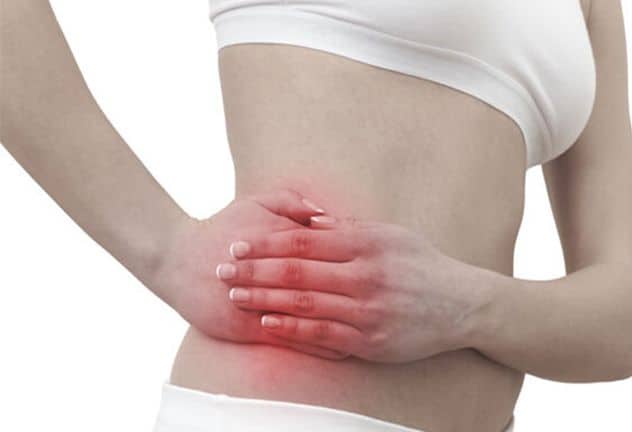
Some mornings my body wakes before my mind does — not with one sharp signal but with a familiar, low-level dread that lives in the edges of things.
For years I tracked flares, pacing, and sleep, assuming every new spike of pain was “just fibro.” Then came a night of deep, searing pain that wouldn’t be soothed by breathing exercises or pacing.
It turned out to be a kidney stone — and that moment taught me something important: when you live with a chronic pain condition, other medical issues can hide behind the fog and the background hum.
You don’t have to be dramatic to be right; sometimes the body is quietly trying to tell you there’s something else going on.
This article pulls from that messy, lived-in place where chronic pain and acute medical events overlap. It’s for anyone with fibromyalgia who has noticed odd flank pain, unexplained nausea, or an increase in anxiety tied to new, sharp symptoms.
We’ll walk through how kidney stones can be an overlooked trigger, why they get missed, what to look for, and—most importantly—what you can do about it.

What Is The Connection Between Fibromyalgia And Kidney Stones?
On the surface, fibromyalgia and kidney stones look like different beasts. Fibromyalgia is a chronic, widespread pain condition with fatigue, sleep disruption, and cognitive fog. Kidney stones are a fairly acute issue — small, hard deposits that form in the urinary tract and can cause sudden, intense pain.
But those two can intersect in ways that matter:
- Symptom Overlap: Fibro-related pain, muscle tension, and gastrointestinal upset can mask or mimic early stone symptoms.
- Lifestyle Interactions: Sleep problems, diuretic effects of some medications, and low activity can change hydration and urinary patterns, indirectly affecting stone risk.
- Stress And Nervous System Sensitivity: A nervous system that’s primed to amplify signals may translate a passing renal twinge into a full-blown crisis in your experience of pain and panic.
- Delayed Recognition: Living with chronic pain normalizes a baseline of discomfort, so new, important warning signs can be dismissed as “just another day.”
Seeing the connection isn’t about blaming fibromyalgia for everything. It’s about recognizing that when your body is noisy all the time, quieter warnings—like the early signs of a kidney stone—are easier to miss.
Why Kidney Stones Often Go Unnoticed In People With Fibromyalgia
When you already have a chronic, fluctuating pain baseline, your internal alarm system gets a little… well, desensitized and confused.
Here’s why stones can be overlooked:
- Baseline Pain Makes New Pain Harder To Differentiate: If you wake up daily with body aches, a startle of flank pain might register as an intensification rather than a new, targeted problem.
- Fibro Fog Obscures Symptom Tracking: When concentration is slow and memory is fuzzy, it’s easy not to notice patterns like pain that comes in waves, or pain tied to urination.
- Overlap With GI Symptoms: Nausea, abdominal discomfort, and bowel irregularity can be interpreted as IBS or medication side effects rather than part of a urinary event.
- Anxiety Frames Sensation: Chronic worry can turn mild discomfort into catastrophic thinking — or, conversely, normalize worry so much you ignore worsening signs.
- Medication Effects: Some medications (e.g., certain diuretics, calcium supplements if taken incorrectly) and supplements can influence urine composition and stone risk.
Understanding these blind spots helps you pay smarter attention — not in a panicked way, but in a curious, detective-like way that respects the reality of living with chronic pain.
Signs And Symptoms: What To Watch For (Beyond “Just Pain”)
Kidney stone symptoms can vary based on the stone’s size and location. Because many early signs overlap with fibromyalgia or other conditions, here are specific clues that should raise a flag:
- Flank Pain That Feels Different
- Often sharp, sudden, and localized to one side between the ribs and hip.
- Comes in waves (colicky) rather than a steady ache.
- May radiate toward the groin or front of the abdomen.
- Changes In Urination
- Increased urgency or frequency.
- Pain or burning during urination that’s new.
- Pink, red, or brown urine (blood present).
- Cloudy or foul-smelling urine suggesting infection or stone-related irritation.
- Nausea, Vomiting, Or Sweating
- These can be signs of acute distress not typically explained by usual fibro fatigue.
- Often accompany the sharp waves of pain.
- Fever Or Chills
- May indicate infection — this is an urgent sign.
- Pain That Doesn’t Respond To Usual Fibro Tools
- If a flare won’t settle with pacing, rest, breathing exercises, or your standard medications, consider another cause.
If several of these appear together — especially sharp unilateral flank pain + blood in urine + nausea — seek medical evaluation promptly.
Quick Comparison — Fibromyalgia Flare Vs. Kidney Stone Episode
| Feature | Typical Fibromyalgia Flare | Typical Kidney Stone Episode |
|---|---|---|
| Onset | Gradual or variable | Sudden, often severe |
| Pain Quality | Widespread, aching, burning | Localized, sharp, colicky |
| Pain Location | Diffuse muscles, joints | Flank, radiating to groin or abdomen |
| Urinary Changes | Rare | Common (urgency, blood, dysuria) |
| Nausea/Vomiting | Sometimes | Often with acute pain |
| Fever | Uncommon | Possible (if infected) |
| Response To Pacing/Rest | Often improves | Usually persists or worsens |
| Duration | Days–weeks fluctuation | Hours–days acute episodes |

How Kidney Stones Can Trigger Fibromyalgia Symptoms
A kidney stone isn’t just a one-off event — it can ripple through your whole symptom network:
- Increased Central Sensitization: Acute pain can sensitize the central nervous system further, temporarily amplifying fibromyalgia pain.
- Sleep Disruption: Night pain or nocturia (getting up to pee) fragments sleep and deepens fibro fog and emotional reactivity.
- Muscle Guarding: Tensing and guarding around the painful area increases muscular pain elsewhere.
- Anxiety And Catastrophic Thoughts: Sudden sharp pain can ignite panic, which in turn raises muscle tension and pain sensitivity.
- Activity Avoidance: Fear of triggering pain leads to less movement, which worsens mood, sleep, and pain over time.
Recognizing that a kidney stone can worsen fibro symptoms helps avoid misattributing every new spike solely to fibromyalgia progression.
Common Triggers And Risk Factors You Might Be Ignoring
You’re not being negligent if you missed these — they’re easy to overlook in everyday life. Pay attention to patterns rather than guilt.
- Dehydration And Inconsistent Fluid Intake
- Long gaps between drinks, low overall water, or heavy caffeine/alcohol intake that increases diuresis.
- Dietary Factors
- Excess sodium, high-oxalate foods (spinach, nuts, chocolate in some people), or high animal protein intake in sensitive individuals.
- Supplements And Medications
- Overuse of vitamin C, calcium supplements without balance, or specific meds that alter urine chemistry (ask your clinician).
- Low Mobility Or Sedentary Periods
- Post-surgery, long travel, or bad flare weeks reduce urine flow and change mineral balance.
- Recurring UTIs Or Urinary Issues
- Infections can encourage stone formation or complicate presentation.
- Menstrual, Hormonal, Or Metabolic Changes
- Hormonal shifts and certain metabolic conditions subtly influence stone risk.
Again — this isn’t “blame.” It’s a set of modifiable areas to experiment with as you and your clinician build a plan.
How To Tell If A Flare Is Actually A Kidney Stone — A Practical Checklist
Use this as a short mental checklist when you notice a new pain pattern. Treat it like data collection, not judgment.
- Is the pain sudden and localized to one side? ✔ / ✖
- Is it described more as stabbing/sharp than the usual diffuse ache? ✔ / ✖
- Do you have nausea or vomiting accompanying the pain? ✔ / ✖
- Any change in urination — color, smell, burning, or increased urgency? ✔ / ✖
- Does the pain come in waves with brief intense peaks? ✔ / ✖
- Is there fever or chills? ✔ / ✖
- Has the pain not improved with your typical pacing and rest? ✔ / ✖
If multiple checks are ✔, contact your clinician or urgent care. If fever + urinary changes present, seek urgent care or emergency services — infections with stones can be dangerous.
Practical Strategies To Reduce Stone Risk (Real, Doable Steps)
Many of these are small, cumulative habits rather than dramatic life overhauls—perfect for people who live by spoonfuls of energy.
Hydration Habits That Actually Work
- Aim for steady fluid intake across the day. A few large gulps at night or first thing in the morning won’t cut it.
- Carry a water bottle you like — small sips frequently beat forcing down large amounts.
- Add flavor without sugar: a slice of lemon or cucumber can make sipping easier.
- Notice urine color: pale straw is the goal; dark indicates you need more fluids.
Diet And Meal Patterns
- Moderate sodium — high salt increases calcium excretion in urine.
- Avoid extreme diets that swing calcium, oxalate, or protein wildly.
- Spread calcium intake across meals; if you take supplements, discuss timing with your clinician.
- If you suspect oxalate sensitivity (your stones were analyzed or suspected), avoid large single servings of high-oxalate foods.
Movement And Pacing
- Keep light daily movement in the plan — walking or gentle stretching helps urinary flow and overall circulation.
- Avoid long bed-bound stretches when possible; get up and change position regularly.
- If a stone is active and pain is intense, gentle movement that doesn’t spike pain is better than being entirely still.
Medication And Supplement Awareness
- Keep a medication/supplement list updated and discuss it with your clinician; small changes can alter urine chemistry.
- Don’t stop prescription meds without clinician approval — but raise the issue if stones recur.
Sleep And Stress Management
- Prioritize consistent sleep windows: better sleep helps hormone balance and pain management.
- Use short, practical stress tools (breathing, progressive muscle relaxation) during acute pain spikes to limit panic and muscle guarding.
What To Do During A Suspected Stone Episode (A Short Script)
When pain spikes, your executive function may be low. Use this script as an action list so you don’t have to think under duress.
- Stop and Assess: Is the pain unilateral, sharp, and wave-like? Any urinary changes or fever?
- Immediate Comfort Measures:
- Controlled breathing (4–6 slow breaths per cycle).
- Gentle position changes — sometimes lying on the painful side or curling slightly helps.
- Use heat on the flank only if it reduces muscle guarding (some find relief).
- Medication:
- Take your usual pain-relief plan if appropriate and safe (follow prescriber advice).
- Avoid doubling up on meds without checking.
- Hydration:
- Sip water steadily if not vomiting and not otherwise restricted by medical conditions.
- Seek Help:
- If pain is relentless, bleeding with urination, or there’s fever/chills, seek urgent care.
- If unsure, call your clinician — better safe than sorry.
Symptom Response Guide — What Helps What
| Symptom | First-Line Self-Help | When To Escalate |
|---|---|---|
| Mild flank ache | Hydration, heat pack, pacing | Pain intensifies or lasts >24–48 hours |
| Sharp colicky pain | Seek medical evaluation, controlled breathing, analgesia per plan | Uncontrolled pain, vomiting, fever |
| Blood in urine | Urgent clinician contact | Heavy bleeding, dizziness, fainting |
| Fever + urinary symptoms | Urgent care or ER (possible infection) | Immediate — can indicate sepsis risk |
| Nausea/vomiting | Anti-emetic pre-planned with clinician, hydration | Cannot keep fluids down, severe dehydration |
Medical Evaluation: What To Expect (So You Can Advocate For Yourself)
If you go to a clinic or ER, you may be offered tests like urine analysis, blood work, and imaging. Because fibromyalgia patients are used to being dismissed sometimes, a short script can help you be heard:
- “I have chronic fibromyalgia, but this pain feels different — sharp and unilateral. I’m concerned about a kidney stone.”
- “I’m noticing [list two specific symptoms: blood in urine, nausea, waves of pain].”
- “Can we check urine for blood and infection and consider imaging if the exam suggests it?”
Be firm but calm. Your lived experience is valid. If you can, bring a short symptom diary: time of onset, pain pattern, urine changes.
Managing Pain, Anxiety, And Sleep During A Stone Episode
A kidney stone can be physically brutal and emotionally triggering. The key is practical triage for body and mind.
Immediate Pain Management (Nonjudgmental)
- Use prescribed analgesics in the short term as advised.
- Try 4-4-6 or 4-4-8 breathing to downregulate panic and muscle tension.
- Heat packs can ease muscular guarding; some people prefer cold — do what helps.
Anxiety Soothing
- Short grounding exercises (name 5 things you see, 4 things you touch) reduce fight-flight intensity.
- Reassure yourself: stones are common and usually treatable; acute pain doesn’t always mean long-term harm.
- Keep a small “toolbox” list on your phone: breathing prompts, a calming playlist, a contact to text when fear spikes.
Sleep Support
- If nocturnal pain wakes you, use a structured wind-down when pain settles: dim lights, warm drink, slow breathing.
- Avoid doomscrolling if awake with pain — the anxiety loop is real.
- If pain prevents sleep and persists, seek medical care rather than trying to sleep through it.
Longer-Term Strategies: Preventing Recurrence
If you’ve had a stone, preventing repeat episodes makes life calmer and reduces the chance of stones worsening fibro symptoms.
- Follow-Up Testing: If a stone was passed or removed, ask your clinician about analysis of the stone or urine testing to tailor prevention.
- Personalized Fluids Plan: Some people benefit from a set fluid target (discuss safe amounts with your clinician if you have other medical conditions).
- Dietary Tweaks Tailored To You: Avoid blanket eliminations. Work with a dietitian or clinician to find what fits your body.
- Medication Review: Some drugs increase stone risk in certain people — periodic medication reviews are useful.
- Regular Movement: Small, consistent activity supports urinary health and general resilience.
Three-Month Starter Plan (Practical And Spoon-Friendly)
If you want a structured approach without grand promises, try this 12-week roadmap. It’s designed for the limited energy and pacing needs common in fibromyalgia.
Weeks 1–2: Stabilize And Observe
- Start a simple hydration log (note color and approximate volume).
- Keep a symptom notebook: timing, quality, and triggers of any urinary or flank discomfort.
- Begin a 3-minute morning breathing routine.
Weeks 3–6: Build Foundational Habits
- Increase daily gentle movement (add 1–2 minutes per day to walks or stretches).
- Adopt a consistent sleep window.
- Reduce one dietary risk factor (e.g., lower salty snacks or excessive coffee).
Weeks 7–12: Personalize And Amplify
- Review your notes with a clinician; ask about urine testing or metabolic evaluation if stones occurred.
- Try a short guided hydration schedule: small bottle near you, sip every 20–30 minutes during awake hours.
- Plan a “maintenance” self-care routine: 5-minute evening wind-down, 2 short movement breaks per day.
Celebrate micro-wins: a day with pale urine, a night without nocturia, a morning without panic. Those are progress.
Common Mistakes People Make (And How To Avoid Them)
- Ignoring New Localized Pain: “It’ll pass” is tempting but can delay important care.
- Overcorrecting Diet Without Guidance: Extreme changes can create other problems. Make small, evidence-based tweaks.
- Assuming All Urinary Symptoms Are UTI: Stones can cause similar symptoms; get both urine testing and imaging if needed.
- Avoiding Movement Completely: Fear of pain can lead to inactivity that worsens risk factors.
- Doubling Meds Without Advice: This is dangerous. Talk to your clinician about pain plans.
Scripts To Use With Your Clinician And Family
Here are short, practical phrases to help conversations go smoothly.
To Your Doctor
“My fibromyalgia baseline is usually [describe briefly], but this pain feels different — sharp on my [left/right] flank, and I’ve noticed [blood in urine/nausea/urinary urgency]. Could we check for a kidney stone?”
To Family/Friends
“I’m having a different kind of pain — it might be a kidney stone. I might need to leave early or rest. Can you [save me a seat/help with transport/check in by text]?”
To Yourself (Daily)
“This pain is a signal. I can notice it, gather data, and ask for help when needed.”
Frequently Asked Questions
Q: Can fibromyalgia cause kidney stones?
A: Fibromyalgia itself doesn’t directly create stones, but the way fibromyalgia affects sleep, activity, medication use, and stress responses can create conditions that make stones more likely or harder to notice.
Q: If I have a kidney stone, will it make my fibromyalgia permanently worse?
A: Usually no. An acute stone can temporarily amplify central sensitivity and disrupt sleep but with proper management and recovery, your baseline usually returns. Preventing recurrence reduces the long-term impact.
Q: How urgent is blood in the urine?
A: Blood in urine should prompt a clinician visit. It can come from stones, infection, or other causes. If it’s accompanied by severe pain, dizziness, or fainting, seek immediate care.
Q: Will drinking more water definitely prevent stones?
A: Increasing fluid intake is one of the most helpful general strategies and reduces stone risk for many people. But it’s not a guaranteed prevention for everyone — personal factors matter.
Q: Are there dietary “superfoods” to avoid?
A: There’s no universal list; context matters. Extremely high-oxalate diets or excessive supplement use can matter in some people. Tailor changes with a clinician or dietitian.
Q: Can I manage mild stones at home?
A: Some small stones pass with hydration and pain management, but you should be guided by your clinician. Severe pain, fever, vomiting, or inability to pass urine require urgent care.
Q: How do I balance hydration with medications that make me urinate more?
A: Talk to your clinician about adjustements. Often the answer is steady sipping and monitoring urine color rather than gulping or restricting.
When To Seek Immediate Medical Attention
- Severe, unrelenting pain that doesn’t respond to your pain plan.
- Fever, chills, or feeling faint.
- Heavy bleeding or inability to urinate.
- Persistent vomiting or signs of severe dehydration.
These are not “overreactions” — they’re appropriate responses. Your safety is the priority.
Final Thoughts
Living with fibromyalgia teaches you to be a careful steward of energy. It also risks normalizing pain to the point where urgent signals get lost in the background noise. Kidney stones are a clear example of something that can hide behind that noise but still be treated effectively if you notice the right cues.
You don’t need to become hypervigilant or fearful — you need to be informed and curious. Start by tracking differences: Was the pain sudden? Is it localized? Are there urinary changes? Pair that curiosity with small, sustainable changes: steady hydration, gentle movement, sleep habits, and an open line with your clinician.
If you take one thing away: treat new, localized, or unusually intense pain as a data point, not a punishment. Notice it, record it, and check in. You’re not failing by asking for help — you’re being pragmatic. And if a kidney stone shows up, you now have tools, scripts, and a plan to get through it with less panic and more control.
We’re in this together. Tell me — what’s one small change you could try this week to make it easier to spot when your body is trying to tell you something different?