
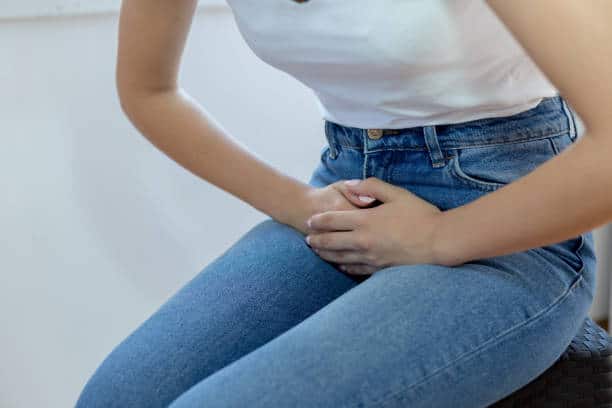
Some mornings my bladder wakes me before the world does — not with a dramatic alarm bell, but with a small, insistent squeeze that will not quiet. It starts as a tiny twitch, a nudge that says, pay attention, then grows muscles into a demand: restroom, now.
Over time I learned what that feeling meant: not just a bladder acting up, but my whole nervous system in a high state of watchfulness. That’s fibromyalgia bladder spasms for me — a bodily whisper that turns into noise because the volume for threat is turned up.
I’m writing from that lived-in place where pain, sleep trouble, and body alarms braid together. This article is a map: what bladder spasms feel like in fibromyalgia, the often-hidden triggers that make them worse, and practical steps that actually help. I’ll keep it straightforward and kind — the goal is less fear and more workable tools.

What Are Bladder Spasms In Fibromyalgia?
Bladder spasms are involuntary contractions of the bladder muscle (the detrusor). For many people with fibromyalgia, spasms feel different: a background tension, sudden gripping sensations, pressure, or the frequent urge to pee that seems disproportionate to actual urine volume. They can be momentary or last long enough to wreck sleep, activity, or confidence.
In fibromyalgia, the bladder doesn’t act alone. The central nervous system — the same system that amplifies pain — can amplify bladder sensations and signals. That means small bladder cues can feel loud, and stress or pain elsewhere in the body can make bladder symptoms worse.
Why Bladder Symptoms Often Happen With Fibromyalgia
- Central Sensitization: The nervous system becomes hypersensitive to signals. Bladder sensations that would be background get amplified.
- Autonomic Dysregulation: Fight-or-flight responses can be out of balance, changing bladder muscle tone and sensitivity.
- Sleep Disruption: Poor sleep reduces pain thresholds and increases reactivity to bodily sensations.
- Pelvic Floor Dysfunction: Tension or poor coordination in pelvic muscles can create or worsen spasms and urgency.
- Comorbid Conditions: Conditions like interstitial cystitis, overactive bladder, or past urinary infections can coexist with fibromyalgia and worsen symptoms.
How Bladder Spasms Feel (Common Descriptions)
- A sudden, sharp cramp deep in the lower abdomen.
- A constant low-grade pressure that never quite goes away.
- A racing, urgent need to urinate even after just going.
- Nighttime awakenings with a need to void (nocturia) that wreck sleep.
- Pain that mimics or triggers panic-like breathlessness or muscle tension.
- Spasms that coincide with flare-ups of fibromyalgia pain.
Hidden Triggers That Make Bladder Spasms Worse
Some triggers are obvious: drinking a lot of coffee, a urinary infection, or a cold that makes you cough. Others are stealthy — they don’t look like bladder triggers, but they light the nervous system fuse and the bladder answers the alarm. Here are the hidden ones to watch for.
Sensory Overload And Stress
The brain treats sensory overload as threat. Loud environments, multitasking, or emotional stress can heighten nervous system reactivity and make bladder sensations feel urgent.
- Crowded, noisy places often precede urgency spikes.
- High-stress days can lead to more frequent bathroom trips.
- Emotional triggers (grief, shame, sudden worry) may bring on spasms.
Poor Sleep And Fragmented Rest
Sleep and bladder control are tied together. When sleep is disrupted, nervous system recovery is impaired.
- Night wakings increase nocturia and bladder sensitivity.
- Sleep debt lowers thresholds for pain and urgency.
Pelvic Floor Tension (The Silent Culprit)
Pelvic floor muscles that are chronically tight or poorly coordinated can create a scenario where the bladder and pelvic muscles are in a tug-of-war.
- Tight pelvic floor increases pain signals and can cause incomplete emptying, which paradoxically increases urgency and spasms.
- Some people hold tension unconsciously — jaw, neck, shoulders — and that pattern extends to the pelvis.
Bladder Irritants In Diet And Medication
Some foods and medicines are bladder irritants even when they don’t seem to be.
- Caffeine, alcohol, acidic foods, artificial sweeteners, and spicy foods are common irritants.
- Certain medications (diuretics, some antidepressants, bladder-stimulating agents) can increase urgency or frequency.
Deconditioning And Movement Avoidance
When movement is painful, it’s tempting to reduce activity. But a sedentary lifestyle can change circulation, muscle tone, and bladder function.
- Weak core and pelvic support may impair bladder control.
- Reduced movement equals more stiffness and a body that notices every internal signal.
Chronic Inflammation And Immune Activation
Inflammation and immune system changes that accompany chronic pain can sensitize peripheral tissues, including the bladder lining and pelvic organs.
- Low-level inflammation can make bladder walls more reactive.
- Past infections or recurrent irritations can leave the bladder more sensitized.
Hormonal Shifts
Hormones affect tissue sensitivity and muscle tone.
- Perimenopause/menopause, menstrual cycle changes, and other hormone fluctuations can influence bladder spasm frequency and severity.
- Estrogen loss can change pelvic tissue resilience and bladder lining sensitivity.
Medication Side Effects And Interactions
- Some medications meant to treat pain, mood, or sleep can change bladder contractility or createmore urgency.
- Polypharmacy (multiple meds) increases the chance that one of them is nudging bladder symptoms.
Weather, Temperature, And Sensory Inputs
Cold or sudden temperature changes can trigger pelvic muscle spasms in some people. For others, weather shifts correlate with overall flare-ups, which can include bladder symptoms.
How To Tell What’s A Trigger For You
It’s easy to feel helpless when symptoms fluctuate. Instead, think of yourself as a gentle scientist: collect data, test, tweak, and learn.
- Keep a simple bladder-symptom diary for 2–4 weeks:
- Time of each urge/spasm.
- What you ate and drank (especially coffee, alcohol, spicy foods).
- Sleep duration and quality.
- Stress level on a 1–10 scale.
- Medications taken that day.
- Activity level and notable events (exercises, long car drives, cold exposure).
- Look for patterns across days, not just single events.
- Test one change at a time for at least 7–10 days to see if it moves the needle.
Practical Toolbox: Strategies That Help (Real-World, Low-Fuss)
This table summarizes practical strategies, what they help with, and how to start. Use it as a menu — pick 2–3 approaches to begin.
| Strategy | What It Helps | How To Start | Notes |
|---|---|---|---|
| Pelvic Floor Physical Therapy | Pelvic tension, incomplete emptying, spasms | Find a PT specializing in pelvic health; start with an assessment | Most helpful when tension or coordination is an issue |
| Bladder Training | Frequency and urgency | Gradually increase voiding intervals by 15 minutes | Works slowly; pair with relaxation techniques |
| Mindful Breathing & Relaxation | Panic spikes, muscle tension, immediate spasm relief | 4-6 deep breaths; diaphragmatic breathing; progressive muscle relaxation | Use during urgency to reduce alarm response |
| Reduce Bladder Irritants | Frequency, urgency, night wakings | Remove caffeine & artificial sweeteners for 2 weeks, then reintroduce slowly | Everyone’s triggers differ — personal testing is key |
| Gentle Movement / Graded Activity | Overall pain, sleep, bladder muscle tone | Short daily walks, pelvic floor-friendly yoga | Avoid overexertion; increase slowly |
| Sleep Optimization/CBT-I | Nocturia, pain sensitivity | Keep sleep schedule; wind-down routine; consult CBT-I resources | Better sleep reduces nervous system reactivity |
| Medication Review | Medication-induced urgency or retention | List meds for your clinician; discuss alternatives | Never stop meds without prescriber guidance |
| Heat & Soothing Strategies | Local spasm relief | Warm baths, heat packs to lower abdomen | Adds immediate comfort; not a cure |
| Mindfulness / ACT | Acceptance of sensations, secondary suffering | 5–10 minute daily practice; body scans | Reduces the emotional charge around sensations |
| Short-Term Medication (Under Prescriber) | Severe urgency/spasm control | Discuss antispasmodics, neuromodulators, or bladder-targeted meds | Use selectively and with medical oversight |

Step-By-Step Plans You Can Try
Two-Week Starter Plan: Stabilize And Collect Data
- Week 1:
- Begin a bladder-symptom diary (see earlier).
- Remove caffeine and artificial sweeteners.
- Start a 3–5 minute breathing practice each morning and during urgent moments.
- Week 2:
- Add a nightly wind-down: warm shower, 10-minute body scan, no screens.
- Do short daily movement (2–10 minutes).
- Try simple pelvic floor relaxation cues: breathe into your belly with gentle pelvic release.
Eight-Week Build Plan: Add Professional Support
- Weeks 3–6:
- If pelvic pain or tension is present, book a pelvic floor PT. Expect assessments and gentle home exercises.
- Begin bladder training: extend bathroom intervals by 10–15 minutes when urgency is manageable.
- Weeks 7–8:
- Reassess patterns from your diary.
- Introduce CBT or guided self-help for anxiety if worry fuels urgency.
- Talk to your clinician about medication adjustments if frequency or pain remains high.
Specific Techniques And Scripts
Pelvic Floor Relaxation (Simple At-Home)
- Lie on your back with knees bent or sit in a supported chair.
- Place one hand on your belly and one on your chest.
- Breathe slowly: inhale 4 counts, exhale 6–8 counts.
- As you exhale, imagine the pelvic floor dropping gently — a softening rather than an active squeeze.
- Repeat for 6–8 breaths, once or twice daily, and when urgency starts to feel loud.
Quick Urgency Grounding
- Sit or stand in a safe spot — stopping activity is fine.
- Breathe: 4 in, hold 2, 6 out. Repeat 6 times.
- Name the sensations: “Tightness in the lower belly. This is uncomfortable, not dangerous.”
- If possible, distract briefly with a cognitive task (count backward by 3s, recite a poem line).
- Use this as an on-ramp to bladder suppression strategies like delay.
Bladder Training Delay Technique
- When urge hits, aim to delay going to the bathroom by 5–10 minutes.
- Use breathing and pelvic relaxation during the delay.
- Gradually increase delay by a few minutes every few days.
- Reward yourself for success (micro-wins matter).
Medication And Medical Options (How To Navigate The Conversation)
Medication can help — for some people it’s a game-changer, for others it’s not needed or causes side effects. The key is shared decision-making with a trusted clinician.
- Prepare a short script for your appointment:
- “I’m having bladder spasms/urgency that feel linked to my fibromyalgia. They’re happening X times per day/night and affecting my sleep and activity. Can we review options — pelvic PT, bladder-focused meds, or altering current medications that might worsen symptoms?”
- Ask about:
- Pelvic-targeted antispasmodics (short-term relief for some).
- Neuromodulators or medications that affect nerve signaling (used selectively).
- Effects of your current meds on bladder function.
- Safety reminder: never stop or change a prescription without medical guidance.
When To Rule Out Other Causes (Red Flags)
Some bladder symptoms need urgent attention. Seek immediate medical care for:
- High fever, severe abdominal pain, or vomiting with urinary symptoms.
- Sudden inability to urinate.
- Blood in the urine in large amounts or accompanied by other worrying symptoms.
- Symptoms of sepsis (very high fever, confusion, very low blood pressure).
- New, rapidly worsening symptoms that are outside your usual pattern.
Also, if you haven’t been evaluated for urinary infections or pelvic conditions before, a clinician should rule out infections, stones, or other medical issues before attributing everything to fibromyalgia.
Lifestyle Adjustments That Quiet The Background Noise
Small, consistent changes chip away at baseline reactivity.
- Hydration Strategy:
- Avoid large fluid loads at night.
- Sip consistently through the day rather than guzzling in bursts.
- Caffeine & Alcohol:
- Track effects: try 2–4 weeks without caffeine to see if urgency improves.
- Meal Timing:
- Some people notice worse urgency when they’re hungry or when blood sugar dips — small regular meals can help.
- Clothing:
- Avoid tight waistbands or pressure across the pelvis, which can trigger sensations.
- Temperature:
- Wear layers in cold weather; a warm pack can soothe pelvic tension.
The Role Of Emotions: Shame, Anxiety, And The Vicious Loop
Bladder symptoms can feel embarrassing. Shame and avoidance increase stress, and stress spikes nervous system reactivity — which increases symptoms. Breaking this loop is both practical and compassionate.
- Normalize: bladder issues are common in people with chronic pain; they do not indicate weakness or failure.
- Talk about it: a short script — “I have a medical reason I may need to leave early; I appreciate your understanding.”
- Use peer support or small online groups where people share tips and the “get it” factor reduces shame.
Integrating Treatments: Combine, Don’t Chase One Cure
Bladder spasms in fibromyalgia rarely respond to a single magic bullet. The most durable improvements come from combining small behavioral changes, pelvic work, sleep optimization, and anxiety management.
- Pick 2–3 strategies to start and commit for 4–8 weeks.
- Track changes with a diary.
- Celebrate small wins — even fewer night wakings or one calmer day counts.
Common Mistakes People Make (And How To Avoid Them)
- Waiting for “Perfect Health” to Act: Waiting increases avoidance. Start with tiny steps.
- Blaming Yourself: Bladder symptoms are physiological and neurological — not a moral failure.
- Overdoing Exercises Too Fast: Rapid increases in activity can trigger flares. Use graded plans.
- Relying Only on Meds or Only on Lifestyle: Combine approaches for best results.
- Not Testing Triggers Systematically: Random changes mask what helps. Use a simple diary.
Example Two-Month Roadmap (Actionable)
Weeks 1–2:
- Start diary.
- Remove caffeine and artificial sweeteners.
- Begin pelvic relaxation breathing (3 minutes morning & evening).
Weeks 3–6:
- Add 5–10 minutes gentle daily movement.
- Introduce bladder delay training (start small).
- Book pelvic floor PT if you have pelvic tension or incomplete emptying.
Weeks 7–8:
- Reassess diary; reintroduce selective foods to test triggers.
- Add CBT or structured anxiety work if worry fuels urgency.
- Discuss medication options or review with your clinician if symptoms persist.
FAQs
What Is The Difference Between Bladder Spasms And A UTI?
A urinary tract infection (UTI) commonly causes burning with urination, cloudy or foul-smelling urine, fever, and often a rapid-onset urgency. Bladder spasms in fibromyalgia may not have infection signs — they can be pain or pressure without fever or abnormal urine. If you have fever, pain, or abnormal urine, see a clinician for testing.
Can Fibromyalgia Cause Bladder Problems Permanently?
Fibromyalgia can create a more sensitive nervous system that makes bladder sensations louder, but sensitivity can improve with targeted interventions (pelvic PT, sleep improvement, anxiety management, bladder training). Changes are often possible; “permanent” depends on many factors and varies person to person.
Will Cutting Out Caffeine Fix My Urgency?
Caffeine is a common irritant and removing it can help some people a lot. For others, it may make little difference. Test systematically: remove caffeine for 2–4 weeks and track changes.
Is Pelvic Floor Physical Therapy Painful?
A good pelvic floor therapist will prioritize comfort. Some internal assessments or stretches may feel uncomfortable initially if the muscles are tight, but treatment usually focuses on gentle neuromuscular re-education and relaxation. Discuss boundaries and stop any painful techniques.
Are There Exercises I Should Avoid?
High-impact exercises or activities that create heavy Valsalva (bearing down) can worsen pelvic floor tension in some people. If an exercise increases symptoms, reduce intensity or modify it and consult a pelvic PT.
When Should I See A Doctor?
See a doctor if you have fever, severe pain, blood in urine, inability to urinate, or new rapidly worsening symptoms. Also seek assessment if you haven’t had a medical evaluation for bladder issues before — ruling out infection or structural problems is important.
Can Anxiety Make Bladder Spasms Worse?
Yes. Anxiety increases sympathetic nervous system tone and muscle tension, which can magnify bladder sensations and spasms. Treating anxiety (CBT, breathing, sleep work) often reduces bladder symptom severity.
Is There A Diet That Works For Everyone?
No single diet works for everyone. Common irritants include caffeine, alcohol, acidic foods, spicy foods, and artificial sweeteners, but each person’s triggers differ. Systematic testing is the best approach.
Tiny Scripts To Use (Doctors, Friends, Workplace)
To Clinician:
“I’m having bladder spasms and urgency that are disrupting sleep and activity. I have fibromyalgia, and I’d like to review pelvic floor therapy, a medication review, and possible bladder training options.”
To Family/Friends:
“I might need to step out or sit near an exit during events — it helps me manage some chronic health stuff. Thanks for understanding.”
At Work:
“I may need brief, occasional breaks. I’ll plan tasks around regular intervals so it affects work as little as possible.”
Closing Thoughts
Bladder spasms in fibromyalgia are sneaky — they can hide behind stress, poor sleep, pelvic tension, and everyday irritants. But they’re not unbeatable. Think of your approach as gentle experimentation: collect data, test one change at a time, and build tiny habits that add up.
Start small. Try one breathing practice today, a two-minute gentle walk, or a 48-hour break from caffeine. Notice what shifts. Remember: progress rarely looks dramatic day-to-day, but small wins compound into real relief.
If you’re feeling overwhelmed or the symptoms feel dark, reach out to your clinician or a crisis resource — your safety and mental health matter more than any plan. You don’t have to figure this out alone. We’re in it together.
Which one tiny change will you test this week?