
Fibromyalgia is a chronic condition that affects millions of people worldwide and is characterized by widespread pain, fatigue, stiffness, headaches, and mental fog.
While the exact cause of fibromyalgia remains unknown, managing symptoms through medical treatment and lifestyle adjustments is essential.
One promising approach is focusing on diet, especially anti-inflammatory foods that may help alleviate pain and reduce inflammation.
This article explores how food can be pivotal in managing fibromyalgia symptoms, highlights key anti-inflammatory ingredients, and provides 10 delicious and nutritious recipes.
Understanding Fibromyalgia and Inflammation
Fibromyalgia is more than just chronic pain. It’s a complex condition that involves muscle and tissue pain throughout the body, often accompanied by fatigue, disrupted sleep, cognitive difficulties, and mood disturbances.
It is believed that fibromyalgia may be related to an abnormal response to pain signals in the brain and nervous system, where normal pain becomes amplified.
Chronic inflammation is suspected to play a significant role in fibromyalgia’s symptoms. Inflammation occurs when the body’s immune system responds to injury or infection, and while it’s a natural defense, persistent inflammation can lead to tissue damage and exacerbate chronic pain.
This is why adopting an anti-inflammatory diet may help reduce the severity of fibromyalgia symptoms by targeting underlying inflammation.
Foods rich in antioxidants, omega-3 fatty acids, and healthy fats have been shown to help reduce inflammation in the body, potentially leading to symptom relief for people with fibromyalgia.

Key Anti-Inflammatory Foods for Fibromyalgia
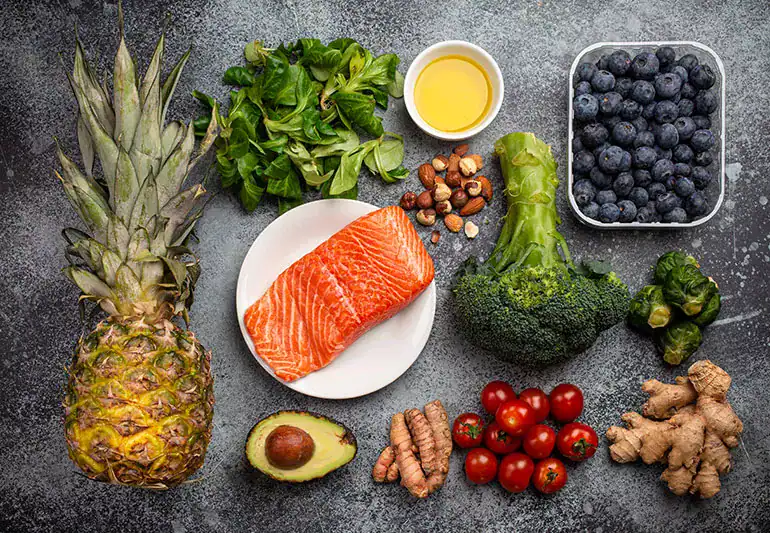
Incorporating anti-inflammatory foods into your diet can help control the inflammation associated with fibromyalgia. Here are some key foods to focus on:
Omega-3 Fatty Acids: Fatty fish like salmon, walnuts, and flaxseeds contain omega-3 fatty acids, which have potent anti-inflammatory properties.
These healthy fats can help reduce joint pain, improve cardiovascular health, and even enhance mood, which is essential for people living with fibromyalgia who also struggle with depression and fatigue.
Antioxidant-Rich Fruits & Vegetables: Foods like blueberries, tomatoes, spinach, kale, and sweet potatoes are rich in antioxidants. Antioxidants neutralize free radicals in the body, which can cause inflammation and damage. These foods not only reduce inflammation but also support overall health.
Healthy Fats: Avocado, olive oil, and coconut oil are excellent sources of healthy fats. These fats help regulate inflammation by supporting cellular health and hormone production.
Spices and Herbs: Turmeric, ginger, cinnamon, rosemary, and garlic are powerful anti-inflammatory spices that can easily be added to meals. For example, turmeric contains curcumin, a compound known for its potent anti-inflammatory effects, while ginger helps reduce pain and improve circulation.
High-Fiber and Protein-Rich Foods: Black beans, chickpeas, lentils, and other legumes are excellent sources of both fiber and plant-based protein.
These foods help reduce inflammation, promote gut health, and support overall well-being. They also provide sustained energy, helping combat the fatigue that often accompanies fibromyalgia.
Recommended Diets for Fibromyalgia
There’s no one-size-fits-all approach to managing fibromyalgia symptoms, but specific diets have shown promise in alleviating inflammation and pain:
Low-Calorie Diets: Maintaining a healthy weight can significantly reduce the strain on joints and muscles, potentially lessening pain levels. Low-calorie diets, particularly those rich in fiber and lean protein, can also help with weight management and support overall health.
Vegetarian Diets: A vegetarian diet, focusing on plant-based foods such as fruits, vegetables, nuts, seeds, and legumes, can be rich in anti-inflammatory compounds.
For fibromyalgia, raw vegetarian diets, which emphasize uncooked plant foods, may offer additional anti-inflammatory benefits due to higher levels of vitamins and minerals.
Low FODMAP Diet: The low FODMAP diet restricts certain fermentable carbohydrates that may trigger digestive issues and inflammation.
This diet has been shown to alleviate gastrointestinal symptoms, which are often associated with fibromyalgia. It avoids foods like garlic, onions, dairy, and wheat.
Top 10 Fibromyalgia-Friendly Anti-Inflammatory Recipes
Now that we understand which foods to incorporate, here are 10 anti-inflammatory recipes that are not only delicious but also help support your fibromyalgia management.
Avocado Toast
Avocado is a powerhouse of healthy fats and potassium, which may help reduce inflammation and support muscle function. This simple dish is easy to make and perfect for any meal.
Use whole wheat or gluten-free bread for fiber, and top with slices of ripe avocado. Sprinkle with some red pepper flakes, olive oil, and a squeeze of lemon for added flavor. This meal is also great for breakfast or a midday snack.
Glazed Sesame Salmon
Salmon, rich in omega-3 fatty acids, is a perfect addition to any anti-inflammatory diet. The salmon is coated in this recipe with a flavorful glaze made from soy sauce, sesame oil, rice wine, garlic, ginger, and chili sauce.
Combining these ingredients provides an anti-inflammatory boost while adding depth to the salmon’s natural flavor. For a balanced meal, serve with steamed vegetables or a side of quinoa.
Black Bean Burgers
Black beans are high in fiber and protein, making them a great plant-based alternative to traditional meat burgers. For this recipe, black beans are mashed and mixed with garlic, onions, and spices to create flavorful patties.
Serve these burgers with gluten-free buns and a fresh salad to keep the meal fibromyalgia-friendly and anti-inflammatory. This is a great BBQ alternative that doesn’t compromise on taste.
Healthy Stuffed Sweet Potato Skins
Sweet potatoes are a great source of vitamin A and potassium, which helps combat muscle fatigue and inflammation.
To make this dish, bake the sweet potatoes and stuff them with sautéed spinach, chickpeas, and spices like turmeric and cumin. This hearty, satisfying meal is a perfect combination of anti-inflammatory ingredients.
Split Pea Soup
This vegan soup is low in fat, cholesterol, and calories, making it a healthy option for anyone looking to reduce inflammation. Thyme, sage, and bay leaves combine to add layers of flavor, while split peas provide fiber and protein. This soup is rich in iron and can be made in bulk for meal prepping.
Greek Style Chicken Salad
For a light yet filling lunch, try this Greek-style chicken salad. The grilled chicken, tomatoes, cucumber, red onion, and a generous olive oil and Greek yogurt drizzle make for a refreshing and anti-inflammatory meal. Adding herbs like oregano and thyme boosts the flavor and supports anti-inflammatory benefits.
Vegetable Lentil Shepherd’s Pie
This hearty dish is nutritious and delicious, as it is filled with lentils, sweet potatoes, pumpkin, and various vegetables. Lentils provide protein, while sweet potatoes offer beta-carotene and potassium.
The mashed sweet potato topping is an excellent alternative to traditional mashed potatoes, giving the dish a creamy texture while providing anti-inflammatory benefits.
Watermelon, Mint, and Grilled Cheese Salad
This unique salad combines the refreshing sweetness of watermelon with the savory flavors of grilled cheese, creating a delightful contrast. Watermelon is packed with vitamin C, which has anti-inflammatory properties, while mint adds a cool, refreshing twist. This salad is perfect for a summer meal or as a light dinner.
Fresh Spring Rolls
This low-calorie, anti-inflammatory spring rolls are packed with fresh vegetables like carrots, zucchini, and bell peppers.
You can add tofu or shrimp for an extra dose of protein. Serve them with a homemade peanut or soy dipping sauce to enhance the flavor while keeping the meal fibromyalgia-friendly.
Chocolate Mint Quinoa Breakfast Bowl
Try this chocolate mint quinoa bowl for a sweet yet healthy start to your day. Quinoa is a gluten-free grain that provides protein and fiber, while dark chocolate adds antioxidants.
Top with berries and pumpkin seeds for an extra anti-inflammatory punch, and enjoy a balanced breakfast that satisfies your sweet tooth.
How to Customize Recipes for Your Needs
Each person’s experience with fibromyalgia is unique, so it’s essential to listen to your body and adjust your diet accordingly. If certain ingredients like dairy, gluten, or FODMAP-rich foods trigger symptoms, you can easily modify the recipes provided.
For instance, use gluten-free bread in the avocado toast or substitute regular yogurt with a non-dairy alternative in the Greek-style chicken salad. Experiment with different ingredients until you find what works best for your body.
FAQs
1. Can diet alone help manage fibromyalgia symptoms?
While diet is an essential factor in managing fibromyalgia, it should be part of a comprehensive treatment plan.
Diet alone may not cure fibromyalgia but can help reduce inflammation and improve overall well-being. Always consult with your doctor for a personalized approach.
2. Are all these recipes suitable for everyone with fibromyalgia?
Each person with fibromyalgia may have different sensitivities to certain foods. Modifying recipes based on your needs and consulting a healthcare provider before making significant dietary changes is essential.
3. How can I start incorporating anti-inflammatory foods into my diet?
Add simple anti-inflammatory foods such as fruits, vegetables, and healthy fats to your meals. Try swapping out processed foods for whole foods, and experiment with recipes that include spices like turmeric, ginger, and cinnamon.
The Bottom Line
While fibromyalgia remains a condition without a cure, adopting a diet rich in anti-inflammatory foods may help reduce symptoms and improve quality of life.
Incorporating omega-3 fatty acids, antioxidant-rich fruits and vegetables, and healthy fats into your meals can support your body in managing chronic pain and inflammation.
Try the recipes above to start your journey toward a more balanced and pain-free life. Always consult your healthcare provider to tailor your diet to your unique needs.
