
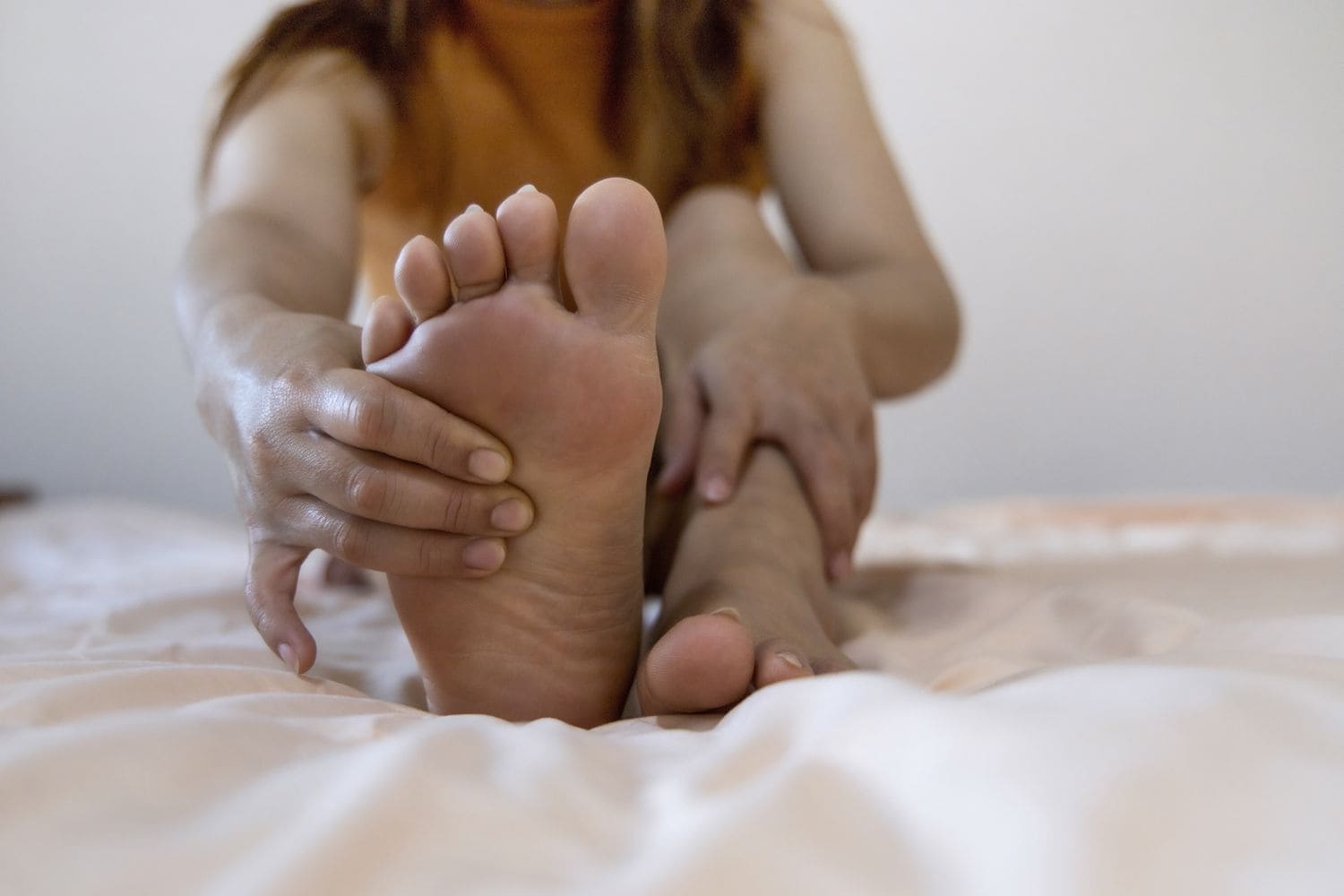
Have you ever woken up and felt like your hands had been lovingly stuffed into a pair of soggy marshmallows — stiff, puffy, a little numb — but when you look down, there’s no visible swelling, no red flags, nothing to show for the discomfort except your aching hands and a sigh?
Welcome to one of fibromyalgia’s sneaky little mysteries: the swelling sensation — the feeling of puffiness that defies the eye.
This article walks beside you through what that sensation might be, why we feel it without “proof,” what helps (and what doesn’t), and how to talk to doctors about it without feeling dismissed.
Think of this as a long, chatty cup-of-coffee conversation where we translate weird body talk into plain English—and give you a toolkit for the next time your hands go poof.

Personal Experience
Once, after a sleepless night, I woke up and my hands felt like soft balloons — heavy, fuzzy, and slow. I rubbed them, wiggled my fingers, tried the kettle test (does the mug fit?), and stared at the mirror for evidence. Nothing.
No puffiness, no dents, just the sensation that my fingers belonged to someone else.
My neurologist shrugged, my therapist nodded, and I learned to bring photos of the moments that felt worst — not because they proved anything, but because they made the experience real to everyone else. We’ve all learned to become our own translators.
What Is The “Swelling Sensation” In Fibromyalgia?
Swelling sensation is the term many of us use for a feeling of puffiness, fullness, or heaviness in a body part — most commonly the hands — when there’s no obvious swelling to see.
It’s not the same as classical edema (fluid you can pinch or see), and it doesn’t always show up on scans or blood tests. It’s real, though. Real enough to make you skip the bracelet, change how you type, and resent narrow mug handles.
Why This Feels So Confusing
- Other people can’t see it, so you worry you’re overreacting.
- Tests often come back “normal,” which is both a relief and maddening.
- Healthcare providers sometimes call it “subjective,” which feels like being told your experience is optional.
But feeling is feeling. Let’s unpack the likely reasons.
Why Do We Feel Puffy When Nothing Shows?
Think of the nervous system as the thermostat for the body. In fibromyalgia, that thermostat gets a little… creative. Here are the most common explanations — written like you’re getting coffee beside me, not a lecture.
Central Sensitization — The Volume Knob Is Stuck Up
Fibromyalgia is often described as a central sensitization condition. Imagine your brain and spinal cord turn the volume up on sensory signals.
So normal sensations — temperature changes, slight joint stiffness, or mild fluid shifts — feel amplified. That extra volume can create a sensation of swelling.
Altered Proprioception — The Hand’s GPS Is Stuttering
Proprioception is your body’s sense of where it is in space. When those signals get fuzzy, your brain may misinterpret finger position or joint status as fullness or tightness. It’s like your internal GPS showing a detour where there isn’t one.
Small Fiber Dysfunction — Tiny Nerves, Big Weirdness
Some people with fibromyalgia have small fiber neuropathy: tiny nerve fibers in the skin don’t send signals correctly. That can cause odd sensations — burning, prickling, or a puffy feeling — even when the tissue looks normal.
Autonomic Nervous System Shifts — Your Body’s Background Engine
The autonomic nervous system controls blood flow and sweating. If it’s dysregulated (a buzzword you’ll meet a lot), blood vessels can change tone, and microchanges in fluid distribution and temperature can be misread as swelling.
Muscles, Fascia, And Tension — Tight Clogs In The System
Stiff muscles and tense fascia (the connective tissue wrap) can produce a sensation of compression or fullness in the hands. You might not be “swollen,” but the tightness feels like a cuff squeezing in.
Inflammation Signals — Low-Key, Not Dramatic
This isn’t classic inflammatory disease, but mild cytokine signals (tiny immune messengers) can alter how nerves perceive the body. Not enough to light up a lab test, but enough to make you feel off.
Common Places We Feel This Puffiness
While hands are the superstar here, other spots can join the parade.
- Hands and Fingers — The most common. Feels like ring-tightness or jelly fingers.
- Feet and Ankles — Heavy, tight, like wearing shoes that are two sizes too small.
- Face and Eyelids — A morning puffiness in the eyelids that looks subtle.
- Abdomen — Fullness or tightness without bloating visible on camera.
- Limbs — Arms and legs may feel “padded” or denser.
How The Swelling Sensation Feels — A Palette Of Metaphors
Words help. Here are ways patients often describe the feeling (pick your favorite):
- My fingers feel like sausages left in warm water.
- Like someone put my hand in a warm, soft glove that I can’t take off.
- A cotton batting under the skin — muffled and slow.
- As if my joints are stuffed with cotton candy.
- My knuckles feel wrapped in cling film.
Rhetorical question: Which one did you just nod at?

Visible Swelling vs. Perceived Swelling
| Feature | Visible Swelling (Edema) | Perceived Swelling (Fibro Sensation) |
|---|---|---|
| Appearance | Obvious puffiness, tight skin, and indentation (pitting) are sometimes present | Skin looks normal; no pitting; jewelry fits the same size |
| Onset | Often, gradual with fluid retention causes or sudden with injury | Can be sudden, tied to fatigue, weather, or stress |
| Tests | May show electrolyte issues, kidney/liver issues, thyroid problems | Tests typically normal |
| Response to Elevation | Improves with leg/hand elevation | May or may not change |
| Pain | May or may not be painful | Often accompanied by aching, burning, or numbness |
| Best Listening | Check for systemic causes (heart/kidney/liver) | Address nervous system, muscle tension, and sensory misfire |
What Other Conditions Mimic This Feeling? (And How We Tell Them Apart)
When our hands feel puffy, it’s sensible to rule out other causes. Here’s how to think it through — without turning into Dr. Google.
Lymphedema
- What It Is: Lymph fluid pooling due to blocked vessels.
- How It’s Different: Usually visibly swollen, often after surgery or infection; skin can thicken over time.
- Red Flag: One-sided, persistent, worsening.
Rheumatoid Arthritis Or Other Inflammatory Arthritis
- What It Is: Autoimmune attacks on joints.
- How It’s Different: Redness, warmth, morning stiffness that lasts, joint deformity over time.
- Red Flag: Obvious joint warmth, high fevers, rapid deterioration.
Hypothyroidism
- What It Is: Low thyroid function can cause puffiness and weight change.
- How It’s Different: Generalized puffiness, cold intolerance, slow reflexes, and weight gain.
- Red Flag: Other systemic symptoms like slow heartbeat, significant weight change.
Medication Side Effects (Steroids, Calcium Channel Blockers)
- What It Is: Some medicines cause fluid retention.
- How It’s Different: Correlates with starting a medication.
- Red Flag: Timeline fits with starting/stopping drug.
Venous Insufficiency And Heart/Kidney Disease
- What It Is: Fluid pooling from systemic problems.
- How It’s Different: Leg swelling, shortness of breath, fatigue; often visible on exam.
- Red Flag: Breathlessness, chest pain, sudden weight gain.
If you don’t have these other signs, it’s more likely to be a sensory issue tied to fibromyalgia.
How To Describe The Sensation To Your Clinician (So You’re Actually Heard)
Doctors hear a lot of “it hurts” and may default to tests. Here’s a cheat sheet to make your experience speak for itself.
- Use Concrete Comparisons: “Feels like my fingers are stuffed in cotton wool” beats “my hand is swollen.”
- Note Timing: “Worse in the morning / after long phone calls / after standing.”
- Document Triggers: Weather changes, stress, poor sleep, certain foods, or activity.
- Rate The Sensation: On a 0–10 scale, how distressing is it? Is it constantly there or intermittent?
- Photograph When You Can: Even if the hand looks normal, take a short video or photo when it feels worst; it helps with credibility.
- List Other Symptoms: Brain fog, fatigue, numbness, temperature sensitivity — these create the pattern that suggests fibromyalgia.
Practical Strategies That Often Help — Immediate And Daily Tools
No miracle cures here, but a toolbox of little things that add up. Use what fits; discard the rest.
Immediate Comfort (When Your Hands Feel Puffy Right Now)
- Gentle Compression: A light knit glove or wrist sleeve can give the brain reassuring feedback — not to squeeze, but to signal containment.
- Contrast Baths: 20–30 seconds warm, 10–20 seconds cool, repeat for a few minutes — helps reset local blood flow. (If you have temperature sensitivity, be gentle.)
- Elevation And Rest: Put your hands on a pillow for 10–15 minutes to see if the sensation eases.
- Gentle Movement: Finger wiggles, tendon glides, and slow stretches to tell your nervous system, “We’re okay here.”
- Massage And Self-Soothing: Stroking the dorsum (back) of the hand toward the heart can feel calming.
- Mindful Breathing: Slow 4-6 second breaths reduce sympathetic arousal and can quiet the overactive sensory system.
Daily Habits That Reduce Frequency/Intensity
- Pacing: Don’t overdo repetitive hand tasks in a single block — break them into small sessions with rests.
- Regular Movement: Short walks, gentle yoga, or hand-specific exercises help maintain circulation and nerve health.
- Temperature Regulation: Keep hands warm in cold weather; some of us are more reactive in temperature swings.
- Sleep Hygiene: Better sleep equals lower baseline sensitivity. Small wins here reduce many weird sensations.
- Stress Management: A shorter fuse with stress makes sensory misfires worse. CBT, mindfulness, or simple grounding techniques are medicine.
- Hydration & Salt Balance: Not a cure, but dehydration or electrolyte shifts can make sensations feel worse for some people.
Tools And Products That Often Help
- Light Compression Gloves: Not tight medical-grade sleeves — knit gloves for warmth and feedback.
- Ergonomic Keyboards & Pens: Reduce repetitive strain and microtrauma that amplify nerve signals.
- Warm Water Soaks: A hand soak can feel soothing (avoid too-hot water).
- TENS Unit (If Recommended): Some people get relief; discuss with your clinician.
- Adaptive Mugs and Button Hooks: Reduce the chores that provoke flare-ups.
Quick Action Guide For A Puffy-Feeling Hand
| Symptom Pattern | Try This First | When To Call a Clinician |
|---|---|---|
| Sudden puffiness with redness/heat | Seek urgent care (possible infection/inflammatory flare) | Immediately |
| Puffy sensation after long typing/cooking | Take a 10–15 min break + hand stretches + knit glove | If it persists beyond 48–72 hours |
| Intermittent morning puffiness that resolves | Gentle morning stretches + warm soak | If worsening or accompanied by other systemic symptoms |
| Puffy feeling + breathlessness/dizziness | Seek emergency care | Immediately |
| Chronic subjective puffiness with normal exams | Conservative self-care, pacing, CBT, PT | If the quality of life is declining or new symptoms appear |
Medical Tests: What Might Be Worth Checking (Without Going Down The Rabbit Hole)
If you and your clinician are ruling out other causes, some common, reasonable checks include:
- Basic Blood Panel: CBC, electrolytes, kidney/liver screens — to rule out systemic causes.
- Thyroid Function Tests: Hypothyroidism can cause puffiness.
- Inflammatory Markers: ESR/CRP — if arthritis is suspected.
- Autoimmune Screens: If there are other signs (joint swelling, rashes).
- Neurology Referral: If numbness, burning, or small-fiber neuropathy is suspected.
- Lymphatic/Ultrasound: If one-sided swelling or history of surgery/infection.
Remember: normal tests do not negate your experience. They narrow the field.
Therapies That Can Help Long Term
Physical Therapy And Occupational Therapy
PTs and OTs who understand fibro can teach pacing, joint protection, and gentle strengthening. OTs can give practical aids for daily tasks so your hands aren’t taxed.
Cognitive Behavioral Therapy (CBT)
CBT helps change how we interpret sensations. It won’t erase the feeling, but it can reduce the emotional load and improve coping.
Graded Exercise Therapy (Slow, Not Brutal)
Gentle, consistent movement tailored to your limits can improve overall sensitivity. Not all exercise programs are equal—work with a therapist who understands pacing.
Medication Options (Discuss With Your Doctor)
Certain medications that modulate nervous system signaling (low-dose antidepressants, gabapentinoids, etc.) sometimes reduce sensory over-amplification. These are individualized choices and not first-line for everyone.
Complementary Therapies
Acupuncture, gentle massage, mindfulness-based stress reduction, and biofeedback help some people; results vary.
When To Worry — Red Flags
You should seek immediate medical attention if:
- Hand swelling is sudden, painful, hot, or red — signs of infection or inflammatory flare.
- You have shortness of breath, chest pain, or sudden swelling elsewhere — could be cardiovascular or systemic.
- One limb is clearly and persistently larger than the other — investigate lymphedema or vascular causes.
- Rapid, unexplained weight gain with swelling could indicate fluid retention from organ issues.
If none of these are present, the sensation is unlikely to be an emergency — but don’t minimize persistent suffering. Chronic symptoms still deserve attention and management.
How To Build A Conversation Plan With Your Clinician
If you feel dismissed, try this structure when you talk to them:
- Say How It Affects You: “This feeling makes it hard for me to grip, cook, and sleep.”
- Describe Pattern And Triggers: “Worse in the morning, after sleep loss, and on rainy days.”
- Share Your Self-Care Attempts: “I’ve tried compression gloves, heat soaks, and pacing.”
- Ask For Specific Things: “Could we check thyroid function and discuss a referral to PT?”
- Bring Evidence: A short video or symptom diary helps more than adjectives alone.
You want the clinician to see patterns, not just a fleeting complaint.
Lifestyle And Diet — What Helps Some People (But Not A One-Size-Fits-All)
- Anti-Inflammatory Diet: Some people report benefits from reducing processed foods and increasing whole foods. It’s not a cure but can help overall well-being.
- Limit Highly Processed Sugar & Alcohol: They can exacerbate poor sleep and sensory sensitivity.
- Omega-3s and Vitamin D: Helpful for general wellness in some — talk to your provider before starting supplements.
- Hydration and Balanced Sodium: Avoid extreme low-salt diets if you notice more dizziness or symptom swings.
Remember: small sustainable changes often beat dramatic but short-lived diets.
Pacing For Hands — A Practical Mini-Plan
- Break Tasks Into 10–15 Minute Blocks: Use a timer.
- Alternate Hands: If possible, switch tasks to use both hands evenly.
- Use Assistive Devices: Grippers, jar openers, lightweight utensils.
- Micro-Rests: Pause every 5–10 minutes for finger wiggles and shaking.
- Nighttime Strategy: Wear loose gloves or wrist supports if nighttime stiffness wakes you.
- Keep A Symptom Log: Note timing, activity, sleep, and diet — patterns emerge.
Pacing isn’t giving up; it’s strategic conservation.
Psychological Impact — It’s Not “Just In Your Head”
When your hands feel different and no one else sees it, the psychological weight is heavy.
We feel frustrated, anxious about work and independence, and sometimes embarrassed to complain. That emotional layer feeds the physical sensations — stress amplifies everything.
- Normalize the Grief: You may mourn small losses — a hobby, patience, or freedom. It’s okay.
- Find Community: Online groups or local fibro meetups help. “You get it” is medicine.
- Therapeutic Tools: Acceptance and Commitment Therapy (ACT) and CBT help build skills to live well despite symptoms.
Table: What Helps vs. What Often Doesn’t
| Strategy | Often Helps | Often Doesn’t Help |
|---|---|---|
| Gentle Warmth (soak, socks/gloves) | ✅ Yes — soothes nerves | ❌ Overheating can worsen some people’s symptoms |
| Light Compression Gloves | ✅ Often helpful | ❌ Tight, medical-grade sleeves may increase discomfort |
| Resting Completely (bedbound) | ✅ Short breaks help | ❌ Long inactivity worsens stiffness and sensitivity |
| Pacing And PT | ✅ Yes, over time | ❌ Pushing through severe pain without guidance |
| High-Intensity Exercise | ✅ For some, when gradual | ❌ Sudden, intense workouts often trigger flares |
| Drastic Elimination Diets | ✅ Some find benefits | ❌ Unsustainable and may not change sensation |
| Talking Therapy | ✅ Helpful for coping | ❌ Not a direct sensation fix, but changes perception |
Frequently Asked Questions (FAQs)
1. Is The Puffy Feeling A Sign My Fibromyalgia Is Getting Worse?
Not necessarily. Sensory symptoms fluctuate with sleep, stress, weather, and activity. Track patterns to understand trends. If you have new systemic signs (fever, rapid weight change), discuss with your clinician.
2. Can I Stop Wearing My Rings If My Fingers Feel Tight?
Yes — don’t force jewelry. If you’re worried about losing a ring, take a quick photo with the ring beside your finger when it feels normal so you can check size later.
3. Will Tests Show Anything If I Have This Sensation?
Often tests are normal. That doesn’t mean your experience isn’t real. Tests are most useful to exclude other causes (thyroid issues, inflammatory disease, medication effects).
4. Are There Specific Exercises For Puffy Hands?
Yes — tendon glides, finger abduction/adduction, and gentle fist open/close repetitions. A hand therapist can give personalized regimens.
5. Should I Use Ice Or Heat?
Many prefer heat for stiffness and a feeling of tightness, and cool for burning sensations. Try both briefly and see what your nervous system prefers.
6. Can Medication Stop The Swelling Sensation?
Medications that modulate nervous-system sensitivity can help some people. That includes certain antidepressants and anticonvulsants. Discuss risks/benefits with your doctor.
7. Is It Dangerous If I Have Puffy Hands And No Other Symptoms?
Usually not dangerous. But seek care if it’s sudden, one-sided, or paired with breathing or heart symptoms.
8. Will Compression Gloves Make It Worse?
Light compression gloves often help by giving proprioceptive input; tight medical sleeves can sometimes exacerbate a sensation. Start gently.
9. Could This Be Raynaud’s Or Vascular Issues?
Raynaud’s causes color changes and cold-triggered pain. Vascular issues often have clear signs like persistent coolness, color change, or pain with walking — so check with a clinician if you’re unsure.
10. How Do I Explain This To My Family So They Take It Seriously?
Use concrete analogies: “My fingers feel like they’re wrapped in a sock I can’t remove.” Ask them to help with tasks when it’s bad. Showing them a symptom journal or short video helps too.
11. Can Weather Make It Worse?
Yep — many of us notice weather sensitivity. Barometric pressure, humidity, and cold can all produce sensory misfires.
12. Are There Long-Term Damaging Effects From This Sensation?
If the sensation is purely subjective and not tied to inflammatory or vascular disease, it’s unlikely to cause structural damage. But chronic avoidance and inactivity because of it can lead to deconditioning.
13. What If My Doctor Doesn’t Believe Me?
Bring a symptom log, describe functional impacts (what you can’t do), and ask for specific tests or referrals. If still dismissed, consider a second opinion or a fibromyalgia-savvy clinic.
14. Can Physical Or Emotional Trauma Make It Start?
Many people trace fibro symptoms to stressful events or injuries. Triggers vary, and sometimes the initial cause is unclear.
15. Any Quick At-Work Tips?
Use wrist supports, ergonomic tools, voice-to-text for typing, and schedule micro-breaks. Keep a warm cloth or gloves nearby.
Sample 7-Day Self-Care Plan For Puffy Hands
Goal: Reduce flare intensity and build stability.
Day 1: Symptom journal start; gentle morning hand stretches; knit gloves at desk.
Day 2: Contrast hand baths; 10-minute walk; bedtime wind-down routine.
Day 3: Hand exercises with light resistance; swap heavy tasks between hands.
Day 4: Mindfulness breathing 10 minutes; use adaptive kitchen tools.
Day 5: Warm soak before bed; short session with hand therapist (if available).
Day 6: Gentle yoga or joint mobility; review symptom log for patterns.
Day 7: Rest day with light movement; plan pacing for next week.
Adapt and repeat. Small, consistent steps beat big, sporadic pushes.
Coping Strategies For The Emotional Side
- Name It: When you can name the feeling—“puffy hand sensation today”—it feels less ominous.
- Reframe: You’re responding to a nervous system that’s extra-alert, not failing you.
- Micro-Goals: Celebrate tiny functional wins (made tea without help! typed for 10 minutes!).
- Connect: Tell one trusted person what helps — practical support matters.
- Professional Help: A therapist familiar with chronic illness helps reduce the emotional amplification.
When Symptoms Change — What To Monitor
If your puffy-feeling hands start to show new qualities, pay attention:
- Color Change: Blue, white, purple, or red — could be vascular.
- Temperature Change: Persistently cool or hot skin.
- Pain Escalation: Severe, sharp pain is different from a dull, heavy feeling.
- Functional Loss: Dropping objects, severe weakness, or muscle wasting.
- Skin Changes: Ulcers, thickening, or marked texture differences.
Any of the above deserves prompt evaluation.
Final Deep Breath: What We’ve Learned
We’ve all got stories about hands that feel like they’ve been dipped in cotton and then forgotten. The swelling sensation in fibromyalgia is real, even when tests are quiet.
It likely reflects altered nervous system signaling, proprioceptive mismatch, small fiber involvement, and the daily load of stress, sleep debt, and life’s physical demands.
There is no single magic wand. But there are pragmatic things that help: pacing, gentle movement, temperature and compression strategies, good sleep, and a clinician who listens.
Combine practical tools (gloves, adaptive devices, micro-rests) with therapies that retrain the nervous system (PT, CBT), and you build resilience.
Conclusion — Holding Hands (Metaphorically)
If your hands feel puffy and puffy, you’re not making it up. Your nervous system is talking a language that other people sometimes can’t hear.
Our job is to translate it, reduce the volume when it gets too loud, and keep the hands useful for the important, small, shining things of life — cup handles, hugs, typing that one brave message.
Be a detective: track, test sensibly, try small changes, and gather allies (trusted clinicians, therapists, PT/OT, and fellow Fibro Army friends). And when you’re ready, tell your story — in plain metaphors, with short video, and with the stubborn honesty you deserve. Your sensations are valid. Your strategies matter. You are not alone.
Final Quick Checklist You Can Print Or Screenshot
- Keep a symptom log (time, activity, sleep, notes).
- Photograph or video when sensations spike.
- Try gentle heat and light compression gloves.
- Pace repetitive tasks; use ergonomics.
- Talk to a clinician about thyroid checks, inflammatory markers, and possible PT/OT referral.
- Seek urgent care for sudden redness, severe pain, or breathing issues.
- Join a support group — shared experience is surprisingly powerful.
Invitation
What phrase most matches your puffy-feeling hand? “Cotton batting,” “soggy marshmallow,” “tight glove” — or something else entirely? Tell me the simile that fits and one tiny trick that helps you. We’ll compare notes and add it to our shared toolkit.