
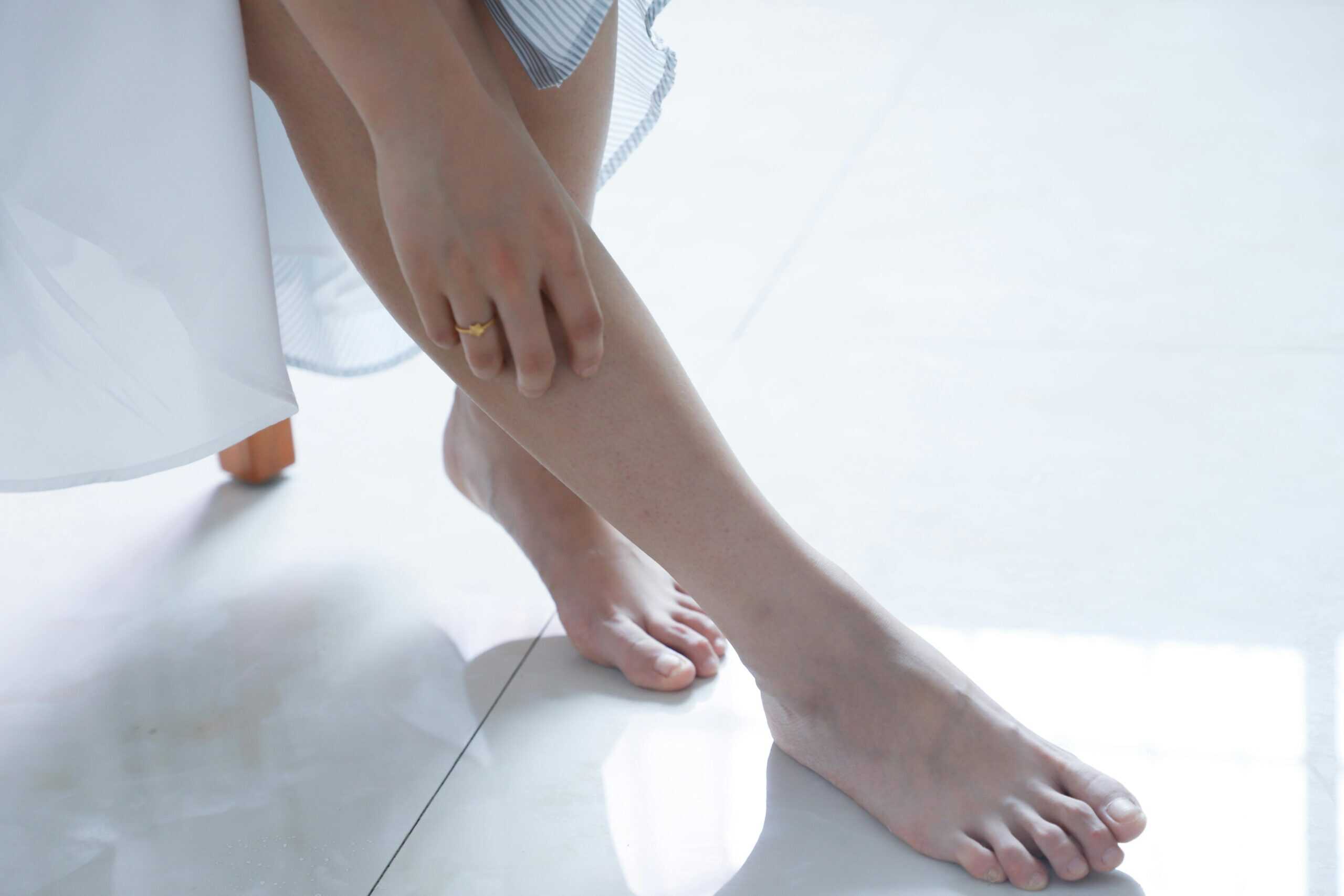
“I’m sorry — what did you say? Heel spurs? Tendinitis? Isn’t that just from walking wrong?” Sound familiar? Welcome to the joyless circus of explaining invisible pain.
These three conditions love to cozy up to fibromyalgia and then act surprised when nobody believes you’re struggling.
In this long-but-honest guide I’ll walk you through what they are, why fibromyalgia makes them nastier, and practical, doable ways to live with — and sometimes beat back — the pain. I’ll also share a little personal experience so you know this isn’t theory. Let’s go.
I remember the day my foot screamed at me for no good reason. I shrugged it off until the mornings turned into a hobble-fest — a stabbing, hot knife under my heel that made me limp like a cartoon character.
Add in a shoulder that flared every time I reached for a mug and an achilles that felt like a taut rope, and suddenly my fibromyalgia felt like it had friends — cruel, persistent friends.
I learned fast that these complaints weren’t separate “issues” but part of a messy, overlapping puzzle. That’s when I started treating my body like a house with faulty wiring: gentle fixes, thoughtful insulation, and no more reckless DIY.

What Are “Fibro’s Sneaky Friends”?
Tendinitis, plantar fasciitis, and heel spurs are three musculoskeletal problems that often show up in people with fibromyalgia.
They’re not the same thing — but they often hang out together, make navigation painful, and conspire to ruin a perfectly good day.
- Tendinitis: inflammation or irritation of a tendon (the rope-like tissue that attaches muscle to bone). Common places: shoulders, elbows, wrists, Achilles.
- Plantar Fasciitis: irritation of the plantar fascia — the thick band on the bottom of your foot that runs from heel to toes. Classic: first-step morning pain.
- Heel Spurs: bony growths on the heel bone. They’re often blamed for pain but are sometimes just a bystander.
Why call them “sneaky”? Because they masquerade as random aches, they migrate, and they’ll happily piggyback on your fibromyalgia symptoms to make life messy.
Why Fibromyalgia Makes These Conditions Worse
You’ve heard it before: fibromyalgia is a problem with how your nervous system processes pain. That central-sensitization setting on high volume does a few things that make tendons and feet more vulnerable:
- Amplified Pain Signals — tiny irritation that would be a blip for others becomes a ten-alarm fire.
- Poor Sleep and Repair — if you don’t reach deep sleep, tissue repair slows. Chronic micro-reinjury accumulates.
- Altered Movement Patterns — guarding and favoring certain parts lead to overuse of others (hello, plantar fasciitis from limping).
- Hypersensitivity — even normal pressure or stretch can feel like damage.
- Fatigue — less ability to tolerate physical therapy ‘workload’ or do regular strengthening.
So it’s not that fibromyalgia “causes” these conditions in the classic sense; it creates an environment where they’re more likely to start, linger, and sting harder.
Tendinitis: The Unwanted Rope Burn
What It Feels Like
Sharp pain at the tendon with movement. It may be worse when you first start an activity and then dull a bit (or stay angry the whole time). Swelling, tenderness to touch, and weakness can join the party.
Common Locations
- Shoulder (rotator cuff tendinitis) — pain with overhead reaching.
- Elbow (tennis/golfer’s elbow) — gripping or twisting hurts.
- Wrist (extensor/flexor tendinitis) — typing or squeezing triggers pain.
- Achilles — heel pain when pushing off or climbing stairs.
Why We Overlook It
It can start as “just” stiffness. With fibromyalgia there’s already baseline ache, so a tendon’s angry whisper gets swallowed until it’s a scream. We chalk it up to “fibro” and delay targeted care.
Diagnosis (What The Doc Will Ask/Do)
Doctors will often ask about activity changes, listen to your history, and check for tenderness; imaging is sometimes used but not always necessary. For us, a careful exam and a therapist’s eye often matter more than scans.
Treatment: Realistic, Fibro-Friendly Strategies
- Relative Rest — not “do nothing forever,” but reduce the specific offending movement. Pacing is key.
- Load Management — switch how a task is done (use both hands, break tasks into smaller chunks).
- Ice and Heat — ice after activity for acute pain; heat can soothe before activity.
- Topical Options — capsaicin cream (if you can tolerate the heat) or topical NSAIDs if prescribed.
- Gentle Stretching — short, frequent, not aggressive.
- Eccentric Strengthening — proven for some tendons, but start very gently (PT-guided).
- Bracing/Splints — to offload the tendon during flare-ups.
- Physical Therapy — the gold standard but needs to be fibro-smart: low volume, gradual progression.
- Corticosteroid Injections — sometimes helpful for short-term pain relief, but not a fix-all; discuss pros/cons with your clinician.
- Shockwave / Other Procedures — available in some places; usually reserved for stubborn cases.
Quick Tip From My Bag: Capsaicin works for localized pain if you can tolerate a “pepper” burn. Patch test first.

Plantar Fasciitis: The Morning Knife
Classic Symptom
That stabbing heel pain when you take your first steps in the morning or after long rest. It often feels better as you walk more (until it’s worse again after prolonged standing).
What’s Going On
The plantar fascia gets overloaded — tiny tears, inflammation, and tightness cause pain at its attachment to the heel bone.
Why Fibro Warriors Get It More
- Altered gait from other pain
- Reduced tolerance for shoe changes or orthotics
- Less restorative sleep leads to poorer tissue repair
- Sensitized nervous system magnifies the pain
Conservative Treatment (Start Here)
- Stretching — calf and plantar fascia stretches several times daily (short holds, multiple reps).
- Footwear — supportive shoes with good arch support; avoid flat slippers and thin-soled shoes.
- Orthotic Inserts — over-the-counter can help; custom orthotics may be needed if simple inserts don’t cut it.
- Night Splint — keeps the plantar fascia gently stretched overnight, useful for morning pain.
- Icing — roll a frozen water bottle under your arch for 10–15 minutes.
- Massage & Self-Myofascial Release — gentle rolling and thumb pressure to tender spots.
- Physical Therapy — for stretching, strengthening, and gait correction.
- Activity Modification — reduce high-impact activities and break standing tasks into shorter segments.
- Medication/Injection — topical or oral meds as prescribed; steroid injections sometimes used but with caution (may weaken tissue with repeated use).
- Shockwave Therapy / Surgery — generally last resorts.
Home Routine Example (Fibro-Friendly)
- Morning: gentle calf stretch (30 seconds, 2x) before getting out of bed.
- First steps: walk slowly, use a cane or support the first few steps if needed.
- Two times daily: roll arch over a tennis ball or frozen bottle for 1–3 minutes, gentle pressure.
- Night: consider a night splint if mornings are brutal.
Heel Spurs: The Misunderstood Bump
What Are They?
A heel spur is a bony outgrowth on the heel bone. Many people have them and never know it. They’re often accused of causing heel pain, but they’re sometimes incidental.
So Are They The Problem Or Not?
It depends. Heel spurs can be painful if they irritate soft tissues, but often the pain comes from the plantar fascia itself. Don’t panic if an X-ray shows one — treat the symptoms, not the image.
Treatment
Same conservative measures as plantar fasciitis usually help. Surgery aimed solely at removing a spur is rarely the first option.
How These Conditions Interact With Fibromyalgia (The Domino Effect)
- One Pain Leads To Another: Favoring a sore shoulder can change posture; new stress on the foot leads to plantar fascia strain.
- Flare Spirals: A flare from tendinitis can trigger a full-body fibro flare; then everything hurts worse.
- Sleep Loss Amplifies Pain: Poor sleep from foot pain feeds the central sensitization loop.
- Emotional Toll: Frustration, angst, and fear of movement make us avoid rehab — which prolongs dysfunction.
The key: treat local problems while respecting the whole-body reality of fibromyalgia.
Practical Management Plan For Fibro Warriors (Step-By-Step)
- Listen First — notice patterns. When does pain spike? What did you do before it started?
- Track Briefly — keep a tiny log (3 lines) for a week: pain level, activity, what helped.
- Pace Everything — micro-breaks, split tasks, alternate sides.
- Fix Shoes First — good footwear is the simplest big win.
- Gentle Movement — regular, short sessions of stretching and strengthening.
- Use Supports — night splints, braces, inserts when needed.
- Ask For PT — but insist on a program that accounts for fatigue and flares.
- Topical Tools — capsaicin, topical NSAIDs, or prescribed creams for localized relief.
- Mind Tools — breath, grounding, and acceptance strategies reduce tension and pain amplification.
- Medical Backups — injections or procedures as targeted, discussed with your provider.
Tendinitis Vs Plantar Fasciitis Vs Heel Spurs
| Condition | Typical Location | Sensation | Common Triggers | First-Line Self-Care | When To See A Doctor |
|---|---|---|---|---|---|
| Tendinitis | Tendon (shoulder, elbow, wrist, Achilles) | Sharp with movement, soreness at rest | Repetitive motion, sudden load | Relative rest, ice, gentle stretches, modify activity | Severe weakness, constant pain, loss of function |
| Plantar Fasciitis | Bottom of heel & arch | Stabbing morning pain, improves/worsens with activity | Prolonged standing, poor footwear, tight calves | Stretching, supportive shoes, orthotics, icing | No improvement after 6–8 weeks, severe walking limitation |
| Heel Spurs | Heel bone bump | Can be asymptomatic or sharp localized pain | Chronic traction, long-standing plantar fasciitis | Treat plantar fascia; shoe support | Persistent pain not explained by other causes |
Footwear And Orthotics: Your First Line Of Defense
You don’t have to spend a fortune, but a few rules help:
- Support Over Fashion — modest heel (not flat), firm heel counter, arch support.
- Avoid Thin Soles — they don’t absorb shock.
- Rotate Shoes — don’t wear the same pair every day.
- Use Insoles — start with cushioned, supportive inserts; progress to custom orthotics if needed.
- Night Splints For Plantar — if mornings are brutal, try a splint.

Gentle Exercises (Fibro-Safe Versions)
Note: stop if exercise triggers severe flare. Work within your baseline and increase volume only slowly.
Calf Stretch (Wall)
- Stand facing a wall, hands on wall, step one foot back.
- Keep back knee straight and heel on ground, hold 20–30 seconds.
- Repeat 2–3 times per side.
Plantar Fascia Stretch (Seated)
- Sit, cross affected foot over opposite knee.
- Gently dorsiflex toes toward shin until you feel stretch under the arch.
- Hold 15–20 seconds, repeat 3–5 times.
Towel Curls
- Sit with towel flat under foot.
- Use toes to scrunch towel toward you. 8–12 reps, 1–2 sets.
Heel Raises (Eccentric For Achilles)
- Stand on both feet, rise up on toes, shift weight to affected side and slowly lower the heel.
- Do 6–10 slow reps, 1–2 sets. Start seated if needed.
Shoulder Pendulum
- Bend at waist, let arm hang, gently swing small circles.
- 30 seconds each direction to loosen rotator cuff area.
When To See A Specialist
- If pain prevents basic walking or self-care.
- If you experience significant weakness (drop arm, inability to grip).
- Pain that doesn’t respond to conservative care after several weeks.
- If you suspect nerve involvement (numbness, severe tingling).
- For consideration of injections, advanced imaging, or surgical options.
Flare Plan For Sudden Worsening
- Stop Offending Activity Immediately.
- Short, Controlled Rest — avoid total immobilization.
- Alternate Hot/Cold — heat for muscle tension; ice for sharp tendon pain.
- Gentle Range Of Motion — move the joint lightly to avoid stiffness.
- Topical Pain Control — creams, patches, as tolerated.
- Low-Dose Pain Medication — only as prescribed and safe for you.
- Call Your Team if pain worsens or mobility drops.
Working With Healthcare Providers: How To Be Clear And Heard
- Bring A One-Week Log — shows reality without dramatics.
- Use Specific Phrases: “First-step morning pain,” “pain with overhead reaching,” “localized tenderness at tendon insertion.”
- Ask For Targeted Referrals: PT specializing in pain disorders, or podiatry for stubborn plantar issues.
- Set Incremental Goals: “Walk to mailbox without limping,” not “run a marathon.”
- Advocate For Pace: insist PT progression respects your energy envelope.
Lifestyle Adjustments That Actually Help
- Weight Management — less load on feet = less strain.
- Sleep Hygiene — helps tissue repair.
- Anti-Inflammatory Habits — consistent small changes like hydration, gentle movement.
- Stress Management — tension makes everything worse.
- Quit Smoking — smoking impairs tissue healing.
Myths And Misconceptions (Snarky But True)
- “Heel Spurs Cause All Heel Pain.” Not always. Treat symptoms first.
- “Rest Forever And It Will Be Fine.” Prolonged immobilization can weaken and prolong recovery.
- “If You Have Fibromyalgia, Nothing Works.” Not true. Things help — they just need to be adapted to your reality.
- “Orthotics Mean You’re Done.” They help many people, but combine them with activity changes and strengthening.
Alternative And Complementary Options (Use With Caution)
- Acupuncture — some people find relief; results vary.
- Massage — can ease muscle tension that feeds tendon load.
- Yoga/Pilates — gentle versions for flexibility and balance.
- Taping — kinesiology tape for short-term support.
- Topicals — essential oils, menthol creams (personal preference).
Always tell your provider what you’re trying so they can watch for interactions or adverse effects.
Long-Term Outlook: What To Expect
Most people respond to conservative care: better shoes, supportive devices, tailored exercises, and smart pacing. Some may need injections or targeted procedures. Surgery is rare and usually a last resort.
With fibromyalgia, fluctuations are the rule: expect ups and downs, but also expect periods of meaningful improvement.
FAQs
Q: Are these problems caused by fibromyalgia?
A: Not directly. Fibromyalgia changes how your body processes pain and may change movement and repair — creating a higher risk environment for these overuse or mechanical problems.
Q: Can plantar fasciitis be mistaken for something else?
A: Yes — tendon pain, nerve entrapments, or arthritis can mimic plantar fasciitis. A focused exam helps sort it out.
Q: Will injections cure plantar fasciitis?
A: Injections can reduce pain temporarily and help you do rehab, but they aren’t a guaranteed cure. Repeated steroid injections can weaken soft tissue, so weigh options carefully.
Q: How long will tendinitis last?
A: It varies. With rest, targeted therapy, and load modification, tendinitis often improves in weeks to a few months. With fibromyalgia, flare-ups can prolong recovery.
Q: Do heel spurs always need surgery?
A: No. Most heel spurs are managed conservatively. Surgery is rare and typically only for severe, persistent pain.
Q: Can I exercise with these conditions?
A: Yes — but modify. Low-impact activities, short sessions, and tolerance-based progressions are best. Strengthening is often crucial, but start small.
Q: Are custom orthotics better than off-the-shelf inserts?
A: Not always. Many people benefit from supportive over-the-counter inserts. Custom orthotics can help complex cases but aren’t a guaranteed magic bullet.
Q: What if my doctor says “it’s all fibro”?
A: Push back calmly. Ask for a targeted exam, a trial of PT, or a second opinion. You can have fibro and a treatable local condition at the same time.
Q: How can I make mornings easier with plantar fasciitis?
A: Gentle stretching before standing, night splint if needed, supportive slippers or shoes for the first steps, and pacing.
Q: Is surgery ever worth it for tendinitis/plantar fasciitis?
A: Sometimes, but it’s a last resort after months of conservative care. Discuss realistic outcomes and rehab expectations.
Q: What simple things can I do today to help my feet?
A: Switch to supportive shoes, use cushioned inserts, start calf/arch stretches, and avoid going barefoot on hard floors.
Q: Will losing weight help?
A: Yes — less mechanical load helps the plantar fascia and joints. Even small reductions can decrease strain.
Q: Is footwear really that important?
A: Absolutely. Good shoes are a low-effort, high-impact intervention.
Q: How do I know if pain is tendon vs nerve?
A: Tendon pain typically worsens with specific movement and local tenderness; nerve pain often involves shooting, electric sensations and numbness. A clinician can help differentiate.
Q: Are there meds that help specifically with these conditions?
A: Topicals and short courses of oral meds can help symptomatically. In fibromyalgia, your baseline meds might already be helping central pain processing — combine approaches.
Real-Life Example: How I Handled A Heel-Flare Week
One week I had both an Achilles twinge and the plantar fascia shouting at me. Here’s what I did:
- Day 1–2: Drastically reduced standing tasks, used a cane for errands, swapped to cushioned shoes, iced after brief walks.
- Day 3–5: Started a gentle PT-guided stretch routine (two 30-second calf stretches, twice per day) and rolled my foot on a bottle. Used a night splint.
- Day 6–7: Gradual return to chores with tiny micro-breaks and orthotic insoles in shoes. Continued topical for pain.
- Result: Pain dropped from a 7/10 to 3/10 over two weeks. I still paced activity for several more weeks, but the big crisis passed.
Lesson: quick modifications + consistency beat heroic “push-through” attempts.
Communication Scripts (Say This To Your Clinician)
- “My main problem is first-step morning pain in my heel rated 7/10 on bad days; it improves slightly after walking.”
- “This started after I increased standing time at work.”
- “I’ve tried over-the-counter inserts and ice but still struggle with stairs.”
- “Can we try a brief PT trial focused on stretching/orthotics before injections?”
Short, specific phrases help get focused plans.
Final Quick Tips
- Rotate shoes and use inserts.
- Do gentle calf and plantar stretches daily.
- Ice after aggravating activity; heat before movement if it helps.
- Break standing tasks into smaller chunks.
- Use topical options before systemic ones when possible.
- Keep a tiny symptom tracker so you can show patterns to your provider.
- Remember: small consistent steps beat occasional heroic efforts.
Conclusion
Yes, tendinitis, plantar fasciitis, and heel spurs are sneaky. They’re also treatable — especially when approached with a fibromyalgia-aware plan: gentle, paced, and multi-pronged.
You don’t have to choose between “accepting pain” and “pushing through” — there’s a middle path of smart supports, small exercises, and steady pacing that protects your energy and your tissues.
You’re not imagining it, and you’re not weak for being careful. Keep experimenting, keep a tiny log, and keep your team in the loop. We may move slowly, but we move smart.