
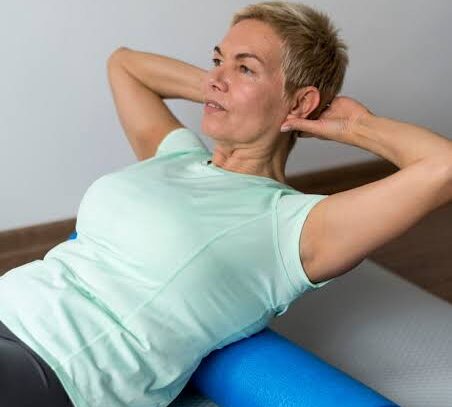
Gentle movement once felt impossible after a flare left every muscle aching from head to toe, and even stretching seemed like asking too much from a body already carrying more than enough. A foam roller sat quietly in the corner for weeks because the thought of adding pressure to tender muscles felt frightening instead of comforting.
Curiosity finally replaced fear one slow afternoon, and a few careful minutes revealed that foam rolling didn’t have to be painful to be helpful. Tiny, gentle movements brought warmth instead of discomfort, proving that kindness often works better than force when caring for a sensitive body.
Disclaimer: This article is for educational purposes only and should not replace personalized medical advice from your healthcare provider. Stop any exercise that causes sharp or worsening pain and seek professional guidance if you have concerns.

Why Foam Rolling Can Feel Intimidating
Many people with chronic pain or fibromyalgia hear that foam rolling can loosen tight muscles and improve mobility. That advice often sounds encouraging until the first attempt feels more painful than expected.
Sensitive bodies respond differently than healthy muscles recovering after a workout. Pressure that feels pleasant for one person may feel overwhelming for someone whose nervous system is already on high alert.
That difference doesn’t mean foam rolling is off limits forever. It simply means the approach has to be slower, gentler, and far more compassionate.
Understanding Why Sensitive Bodies React Differently
Your muscles aren’t always the only source of discomfort. Your nervous system also plays an important role in how your body interprets pressure and movement.
Imagine your nervous system as a smoke alarm that rings before smoke even appears. Even light pressure can feel much stronger because the alarm has become extra sensitive over time.
That sensitivity isn’t laziness or weakness. It is your body’s way of trying to protect you, even when the protection becomes excessive.
Knowing this changes everything about foam rolling. The goal becomes calming the nervous system instead of forcing muscles to surrender.
Signs You’re Using Too Much Pressure
Many people believe foam rolling should hurt before it helps. That idea often creates more tension instead of relief.
Your body gives helpful signals when pressure becomes too much. Listening to those signals is an important part of healing.
Watch For These Warning Signs
- Holding your breath
- Clenching your jaw
- Sharp or stabbing pain
- Pain that continues long after rolling
- Feeling dizzy or nauseated
- Muscles tightening instead of relaxing
- Increased fatigue afterward
- A flare lasting several hours or days
Gentle discomfort may be acceptable for some people. Sharp pain is not a sign of success.
What Foam Rolling Should Feel Like
Healthy foam rolling for sensitive bodies should create a feeling of gradual release. Think of gently smoothing wrinkles from a blanket instead of trying to flatten a rock with a hammer.
You should still be able to breathe normally while rolling. Relaxed breathing often tells you that your nervous system feels reasonably safe.
Small improvements matter. Less stiffness, easier movement, and reduced muscle guarding are meaningful victories.
Choosing the Right Foam Roller
Not every foam roller feels the same. The wrong one can make an already sensitive body feel worse.
The table below compares common options.
| Foam Roller Type | Best For | Comfort Level |
|---|---|---|
| Soft Foam Roller | Fibromyalgia, chronic pain, beginners | Very Gentle |
| Medium Density Roller | Mild muscle tightness | Moderate |
| Firm Roller | Athletic recovery | Intense |
| Textured Roller | Deep tissue massage | Highest Pressure |
A soft foam roller is usually the safest place to begin. You can always increase firmness later if your body responds well.
Preparing Your Body Before Rolling
Foam rolling begins long before the roller touches your muscles. Giving your body a chance to relax first often improves the experience.
Warm muscles usually respond better than cold muscles. Even five minutes of gentle walking around your home can help.
Deep breathing prepares your nervous system for movement. Slow breaths remind your body that it is safe.
A quiet environment also makes a difference. Reducing stress allows muscles to release more naturally.
Gentle Foam Rolling Tips For Sensitive Bodies
Start With Just Five Minutes
Long sessions aren’t necessary. Short sessions are often more effective for sensitive nervous systems.
Stopping while you still feel comfortable builds trust between you and your body. That trust becomes the foundation for future progress.
Let Comfort Guide You
Pressure should always stay within a comfortable range. Less pressure often creates better results than aggressive rolling.
Imagine petting a frightened animal instead of forcing it to come closer. Your muscles usually respond better to gentleness than force.
Move Slowly
Fast rolling rarely allows muscles to relax. Slow movement gives tissues time to adapt.
Rolling only an inch or two at a time is perfectly acceptable. Slow doesn’t mean ineffective.
Keep Breathing
Holding your breath signals stress. Calm breathing tells your nervous system that everything is okay.
Try inhaling through your nose and exhaling slowly through your mouth. Your breathing becomes part of the treatment.
Avoid Rolling Directly Over Bones
The roller is designed for soft tissue. Pressure over bones or joints usually creates unnecessary discomfort.
Stay on the muscle whenever possible. Gentle adjustments often improve comfort immediately.
Don’t Chase Every Tender Spot
Finding a sore area doesn’t mean you should attack it. Sensitive spots often benefit from lighter pressure instead.
Imagine untangling a necklace carefully rather than pulling harder. Patience usually produces better results.
Give Your Body Time
Relief isn’t always immediate. Sometimes the greatest benefit appears later in the day.
Small changes deserve celebration. Better sleep, easier walking, or reduced stiffness all count as progress.
Areas That Usually Respond Well
Certain muscles often tolerate gentle rolling better than others. Starting with easier areas builds confidence.
Good Beginner Areas
- Upper back
- Calves
- Hamstrings
- Side of the hips
- Glute muscles
These muscles generally have more soft tissue. They often respond well to gentle pressure.
Areas To Approach Carefully
Certain areas deserve extra caution. Sensitive nerves and delicate structures can become irritated.
Use Extra Care Around
- Neck
- Lower back directly over the spine
- Knees
- Elbows
- Front of the hips
- Abdomen
If you’re unsure about an area, ask a healthcare professional before rolling it.
Simple Foam Rolling Routine
A short routine often works better than an ambitious one. Consistency matters far more than duration.
| Muscle Group | Time |
|---|---|
| Calves | 30–60 seconds each |
| Hamstrings | 30–60 seconds each |
| Glutes | 30–60 seconds each |
| Upper Back | 1–2 minutes |
| Gentle Deep Breathing | 2 minutes |
This entire routine takes less than ten minutes. That makes it easier to maintain on difficult days.
Common Mistakes To Avoid
Good intentions sometimes create unnecessary discomfort. Recognizing these mistakes helps protect your body.
Avoid These Habits
- Rolling too fast
- Using maximum pressure immediately
- Holding your breath
- Ignoring pain signals
- Spending several minutes on one painful spot
- Rolling every sore muscle in one session
- Comparing your progress to others
Your journey belongs to you. Someone else’s routine isn’t automatically right for your body.
How Often Should You Foam Roll?
Daily foam rolling isn’t required. Recovery days can be just as valuable as active days.
Many people find two to four gentle sessions each week helpful. Your body’s response should guide your schedule.
During a flare, even one or two minutes may be enough. Listening to your body is always more important than following a strict calendar.
Pair Foam Rolling With Other Gentle Habits
Foam rolling works best as part of a bigger self-care routine. Small habits often support each other.
Helpful combinations include:
- Gentle stretching
- Slow walking
- Warm baths
- Heat therapy
- Mindful breathing
- Drinking enough water
- Prioritizing sleep
- Pacing daily activities
None of these habits needs to be perfect. Small, consistent efforts usually create lasting benefits.
When Foam Rolling May Not Be Appropriate
Foam rolling isn’t suitable for every situation. Certain conditions require extra caution.
Avoid foam rolling if you have:
- A recent fracture
- An open wound
- Severe swelling
- Active infection
- Deep vein thrombosis
- Unexplained severe pain
- A healthcare provider’s instruction to avoid it
If you’re uncertain, speak with your healthcare provider before beginning.
Emotional Benefits Beyond Muscle Relief
Physical relief is only part of the experience. Gentle self-care also changes the relationship you have with your body.
Many people spend years feeling frustrated with bodies that seem unpredictable. Choosing kindness instead of force creates a different conversation.
Every slow breath becomes an act of patience. Every gentle movement reminds you that healing doesn’t always require pushing harder.
Your body isn’t your enemy. It is communicating the best way it knows how.
Creating A Comfortable Foam Rolling Space
Your environment influences how your body responds. A peaceful setting encourages relaxation.
Consider these simple ideas:
- Dim the lights
- Play calming music
- Keep a blanket nearby
- Use a yoga mat for cushioning
- Wear comfortable clothing
- Silence phone notifications
Comfort isn’t a luxury during recovery. It is part of the process.
Progress Looks Different For Everyone
Improvement rarely follows a straight line. Good days and difficult days often exist in the same week.
One session may leave you feeling lighter. Another session may simply help you maintain your current comfort.
Neither outcome means you’re failing. Progress often arrives quietly before it becomes obvious.
Celebrate The Small Wins
Recovery isn’t measured only by pain levels. Many victories deserve recognition.
Celebrate moments like:
- Standing a little longer
- Walking a little farther
- Sleeping more comfortably
- Feeling less stiff in the morning
- Recovering faster after activity
- Feeling more confident moving your body
Small victories eventually become meaningful change. They deserve just as much attention as the big milestones.
Frequently Asked Questions
Can Foam Rolling Make Fibromyalgia Pain Worse?
Yes, using too much pressure or rolling too aggressively can increase discomfort. Gentle techniques with a soft roller are usually better tolerated by people with sensitive bodies.
How Long Should A Foam Rolling Session Last?
Five to ten minutes is often enough. Short, consistent sessions usually work better than long, intense workouts.
Should Foam Rolling Hurt?
No. Mild pressure is acceptable, but sharp or lingering pain is a sign to stop or reduce pressure.
Is It Better To Foam Roll Before Or After Exercise?
Both can be helpful depending on your goals. Before activity, gentle rolling may improve mobility, while afterward it may encourage relaxation.
Can I Foam Roll During A Fibromyalgia Flare?
Sometimes very gentle rolling is comfortable during a flare, but many people benefit more from rest, heat, or breathing exercises until symptoms calm down.
Which Foam Roller Is Best For Sensitive Bodies?
A soft foam roller is usually the most comfortable choice for beginners and people with chronic pain or fibromyalgia.
How Soon Will I Notice Results?
Some people feel relief after one session, while others notice gradual improvements over several weeks. Consistency and gentle pressure often matter more than intensity.
Every Gentle Choice Matters
Bodies that live with chronic pain deserve patience instead of punishment, and foam rolling should never become another battle to win. Gentle care often creates the greatest progress because it works with your body instead of against it.
Healing rarely happens all at once, yet every thoughtful choice builds a stronger foundation for tomorrow. You are not behind, you are not broken, and every small step toward comfort is a step worth celebrating.