
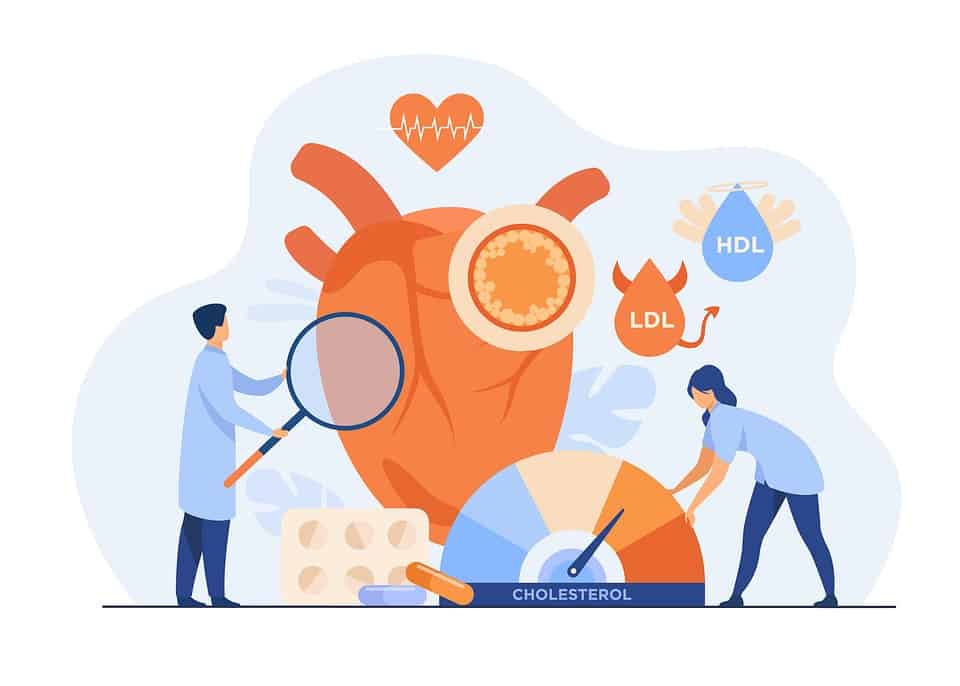
Managing cholesterol levels is key to a healthy heart, yet many of us unknowingly consume foods contributing to high cholesterol. These foods may seem harmless or even healthy, but they can quietly impact heart health.
Here’s a detailed list of 15 everyday foods you should watch out for and healthier alternatives to keep your cholesterol in check.
Section 1: Processed and Packaged Foods
- Frozen Pizzas
- Why they’re bad: Frozen pizzas often contain high levels of saturated and trans fats due to their processed cheese, fatty toppings, and crust. A single serving can contain nearly half your daily saturated fat allowance.
- Healthier Alternative: Make your own pizza at home with a whole-grain crust, light cheese, and plenty of vegetables. If you opt for store-bought pizza, check the label for low-fat and whole-grain options.
- Microwave Popcorn
- Why they’re bad: Many brands add unhealthy oils, artificial flavorings, and trans fats to their microwave popcorn products. Some varieties also pack a lot of sodium.
- Healthier Alternative: Air-pop your popcorn at home and season it with spices or nutritional yeast instead of butter.
- Store-Bought Cookies
- Why they’re bad: These treats are often loaded with trans fats, which raise bad cholesterol (LDL) and lower good cholesterol (HDL). They’re also high in added sugars.
- Healthier Alternative: Bake your cookies using whole-grain flour, natural sweeteners like honey, and heart-healthy oils like olive or avocado oil.

Section 2: Restaurant and Fast Foods
- Fried Chicken
- Why they’re bad: Fried chicken is cooked in oil that is often reused multiple times, which increases trans fat content. The breading adds unnecessary carbs and calories.
- Healthier Alternative: Opt for baked or air-fried chicken seasoned with herbs and spices to maintain flavor.
- Cheeseburgers
- Why they’re bad: The combination of fatty beef, processed cheese, and sugary sauces makes cheeseburgers a cholesterol-heavy choice. One burger can contain more saturated fat than you should consume daily.
- Healthier Alternative: Use lean ground turkey or plant-based patties, load up on vegetables, and skip the cheese or use a low-fat version.
- French Fries
- Why they’re bad: French fries are deep-fried in oils high in trans fats and are often heavily salted, contributing to high cholesterol and high blood pressure.
- Healthier Alternative: Try baked sweet potato fries, which are high in fiber and naturally lower in fat.
Section 3: Dairy Products
- Whole Milk
- Why they’re bad: Whole milk contains saturated fat, which can raise LDL cholesterol levels over time. While milk is rich in nutrients, its fat content can be problematic.
- Healthier Alternative: Switch to skim, low-fat, or plant-based options like almond or oat milk.
- Cream-Based Soups
- Why they’re bad: These soups often contain heavy cream and butter, making them a significant source of saturated fats.
- Healthier Alternative: Choose broth-based soups or thicken soups with pureed vegetables like cauliflower or potatoes.
- Butter
- Why they’re bad: Butter is high in saturated fat, which can contribute to plaque buildup in your arteries over time.
- Healthier Alternative: Use heart-healthy spreads like avocado or olive oil instead of butter.
Section 4: Meats and Protein Sources
- Sausages and Hot Dogs
- Why they’re bad: These processed meats are packed with saturated fats and additives, which can elevate cholesterol and harm overall health.
- Healthier Alternative: Look for lean protein options like grilled chicken or fish. If you love sausages, consider turkey or plant-based alternatives.
- Bacon
- Why they’re bad: Bacon is high in saturated fat and sodium. Just a few slices can exceed your daily recommended fat intake.
- Healthier Alternative: Choose turkey bacon or vegetarian substitutes made from tempeh or tofu.
- Liver
- Why it’s bad: While liver is nutrient-rich, it is extremely high in dietary cholesterol, which can raise blood cholesterol levels if consumed frequently.
- Healthier Alternative: Enjoy liver occasionally, or replace it with lean proteins like chicken breast or legumes.
Section 5: Snacks and Treats
- Potato Chips
- Why they’re bad: Chips are fried in unhealthy oils and often contain trans fats. They’re also high in sodium, contributing to both cholesterol and blood pressure issues.
- Healthier Alternative: Swap chips for baked veggie crisps or roasted chickpeas for a crunchy, low-fat snack.
- Ice Cream
- Why they’re bad: Ice cream’s combination of cream and sugar makes it a high-fat, high-calorie dessert. Regular consumption can negatively impact cholesterol levels.
- Healthier Alternative: Opt for frozen yogurt, sorbet, or dairy-free ice cream made from almond or coconut milk.
- Donuts
- Why they’re bad: Donuts are deep-fried and contain trans fats and sugar, making them a cholesterol bomb.
- Healthier Alternative: Bake your own donuts at home using whole-grain flour and heart-healthy oils.
Conclusion
Avoiding high-cholesterol foods doesn’t mean sacrificing flavor. Making simple swaps and being mindful of what you eat can significantly improve your cholesterol levels and overall heart health.
Remember, small daily changes lead to big long-term benefits. Share this article and help others discover healthier options, too!
FAQs
1. Can I eat high-cholesterol foods in moderation?
Yes, moderation is key. Occasionally consuming high-cholesterol foods and balancing them with a healthy diet can help manage cholesterol levels.
2. Are all fats bad for cholesterol?
No, unsaturated fats found in nuts, seeds, and fish are good for heart health and can help lower LDL cholesterol.
3. Is dietary cholesterol as harmful as saturated and trans fats?
Recent studies suggest that saturated and trans fats have a greater impact on blood cholesterol than dietary cholesterol. However, it’s still important to monitor intake.
4. How can I check if a food is high in cholesterol?
Read nutrition labels. Foods high in saturated fat, trans fat, and dietary cholesterol often significantly impact cholesterol levels.
5. What’s the best way to lower cholesterol naturally?
Focus on a diet rich in fruits, vegetables, whole grains, and lean proteins. Regular exercise and avoiding smoking also play a major role.
