
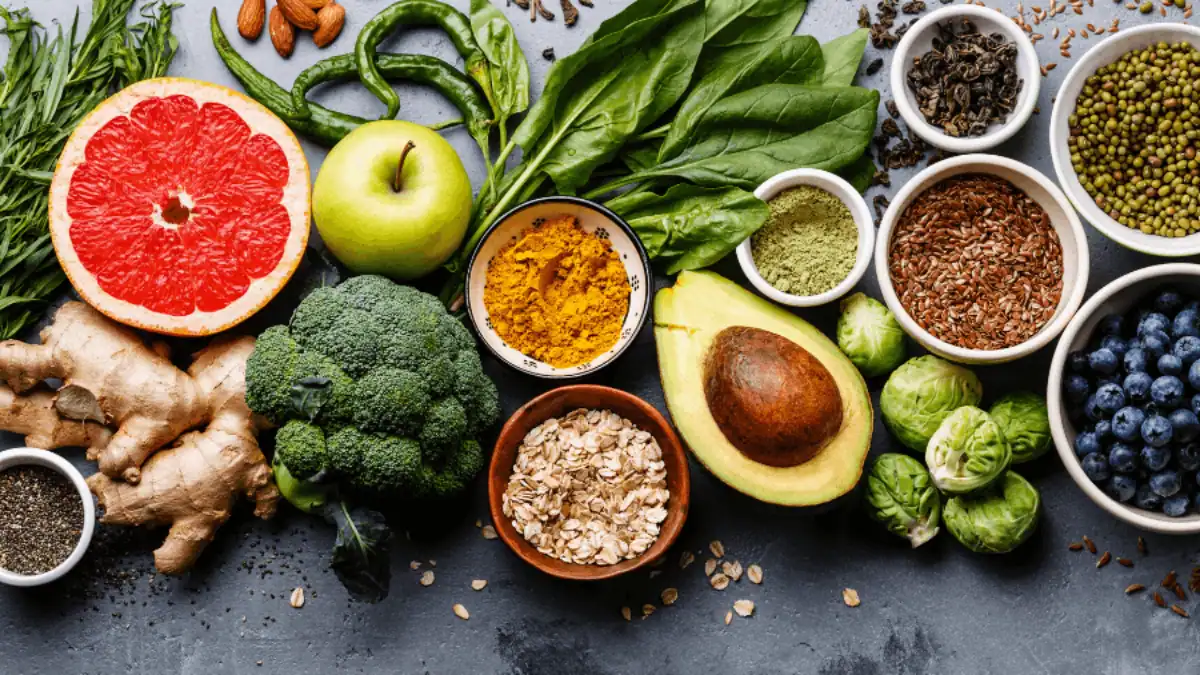
If you live with Irritable Bowel Syndrome (IBS), you know how unpredictable flare-ups can be. One moment, you feel fine; the next, bloating, cramps, and discomfort have taken over.
Choosing the right foods during these moments can make all the difference in soothing your gut and restoring balance.
Here’s a comprehensive guide to foods that can calm an IBS flare-up and help you feel better faster.
1. Low-FODMAP Fruits
When your digestive system is acting up, reaching for fruits low in fermentable sugars or FODMAPs is best. These include unripe bananas, blueberries, pineapple, oranges, and strawberries.
These fruits are gentle on your gut, providing essential nutrients without causing excess gas or bloating. Unripe bananas, for example, are rich in soluble fiber, which can help stabilize digestion.
Blueberries and oranges, with their natural sweetness and anti-inflammatory properties, offer a refreshing way to hydrate and soothe your system.
Add these fruits to a smoothie or eat them alone as a light, gut-friendly snack. Keeping it simple with low-FODMAP fruits ensures your body gets nourishment without aggravating your symptoms.
2. Low-FODMAP Vegetables
Not all vegetables are created equal when it comes to IBS. Certain veggies, like onions and garlic, can wreak havoc on your digestive system during a flare-up. Instead, choose low-FODMAP options like carrots, cucumbers, zucchini, bell peppers, and green beans.
These vegetables are easier to digest and won’t contribute to excessive gas production. Carrots and cucumbers, for instance, can be eaten raw or steamed for a light and refreshing meal. Zucchini and bell peppers can be roasted or sautéed with olive oil for added flavor.
Including these vegetables in your diet during a flare-up can help you maintain a nutrient-rich diet while controlling your symptoms.
3. Lean Proteins
Protein is a crucial part of any diet, and during an IBS flare-up, it’s important to choose lean, easily digestible sources. Foods like chicken, turkey, fish, eggs, and firm tofu are excellent options.
These proteins don’t ferment in the gut, making them less likely to cause discomfort or bloating. Grilled chicken or poached fish paired with low-FODMAP vegetables can create a balanced, satisfying meal.
Eggs are remarkably versatile—scrambled, boiled, or made into a simple omelet-quick to prepare and gentle on the stomach.
If you prefer plant-based options, firm tofu offers a great protein alternative. Including lean proteins in your meals ensures you stay energized without upsetting your digestive system.
4. Gentle Starches and Grains
Starches and grains can be comforting during an IBS flare-up, but choosing easy options on the gut is crucial. White rice, oats, quinoa, and potatoes (both white and sweet) are great choices. These foods are bland and low in irritants, ideal for calming your digestive system.
For instance, a bowl of plain oatmeal topped with a few blueberries can be a soothing breakfast option.
White rice or quinoa served alongside steamed vegetables and lean protein creates a gentle and nourishing complete meal.
If you’re in the mood for a snack, try mashed sweet potatoes or rice cakes. These gentle starches can provide comfort and energy without triggering symptoms.
5. Herbal Teas
A warm herbal tea can work wonders when your stomach feels unsettled. Peppermint tea, for example, is known for its antispasmodic properties, helping to relax the digestive tract muscles.
Fennel tea can reduce bloating, while chamomile tea soothes the gut lining and promotes relaxation. Mix caraway, fennel, and anise seeds to prepare a calming tea blend; steep in hot water for 20 minutes, and sip after meals.
Herbal teas offer immediate relief and support your overall digestive health. They’re caffeine-free, making them a perfect alternative to coffee, which can irritate the gut.
Adding herbal teas to your routine during a flare-up can be a comforting and effective way to ease symptoms.
6. Fermented and Probiotic Foods
Probiotic-rich foods can help restore balance to your gut microbiome, although they should be consumed cautiously during acute symptoms. Lactose-free yogurt with live cultures, kefir, and sauerkraut are excellent options.
These foods support healthy digestion by introducing beneficial bacteria to your gut. Lactose-free yogurt, for example, is gentle on the stomach and can be paired with low-FODMAP fruits for a nutritious snack. Kefir is a versatile drink that provides hydration and probiotics in one.
If you enjoy fermented vegetables, a small serving of sauerkraut can complement your meal. While these foods can aid recovery, it’s essential to start with small amounts and monitor how your body reacts to ensure they don’t exacerbate symptoms.
7. Hydration-Friendly Drinks
Staying hydrated is essential during an IBS flare-up, especially if diarrhea is a symptom. Plain water is the best choice, but you can incorporate electrolyte solutions to replenish lost minerals.
As mentioned earlier, herbal teas are another great option. Avoid caffeinated, carbonated, and alcoholic drinks, as they can irritate the gut and worsen symptoms.
If plain water feels boring, try infusing it with cucumber, lemon, or mint slices for a refreshing twist. Sipping warm water or broth can also be soothing and hydrating.
Proper hydration helps regulate digestion and supports your body’s recovery during a flare-up, so make it a priority to drink regularly throughout the day.
Final Tips
Managing an IBS flare-up can feel overwhelming, but the right foods can make a big difference.
Focus on low-FODMAP fruits, vegetables, lean proteins, and gentle starches to calm your digestive system.
When possible, supplement your meals with herbal teas and probiotic-rich foods, and stay hydrated with water and gut-friendly drinks.
Remember to eat small, frequent meals to avoid overloading your digestive system and to reintroduce other foods slowly after symptoms subside. These tips will help you easily navigate flare-ups and support your long-term digestive health.
FAQs
1. What are the common triggers of an IBS flare-up?
IBS flare-ups can be triggered by various factors, including stress, certain foods (like high-FODMAP items), alcohol, caffeine, and poor sleep. Identifying and managing your specific triggers can help reduce the frequency of flare-ups.
2. Can I eat dairy during an IBS flare-up?
It’s best to avoid regular dairy products during a flare-up, as they contain lactose, which can exacerbate symptoms. Opt for lactose-free yogurt or plant-based alternatives to support your gut without irritation.
3. Is a low-FODMAP diet safe to follow long-term?
A low-FODMAP diet is a great short-term tool for managing IBS symptoms, but it’s not intended for long-term use. Prolonged restriction can lead to nutritional deficiencies and negatively impact gut microbiota. Work with a dietitian to reintroduce foods gradually.
4. Are probiotics effective for IBS?
Probiotics, particularly strains like Saccharomyces boulardii, can benefit some people with IBS. However, results vary, so it’s good to consult a healthcare provider to determine the right probiotic for your needs.
5. How can I prevent IBS flare-ups?
Preventing flare-ups involves:
- Managing stress.
- Maintaining a consistent sleep schedule.
- Eating a balanced diet low in trigger foods.
Keeping a food and symptom journal can help you identify and avoid potential triggers.
