
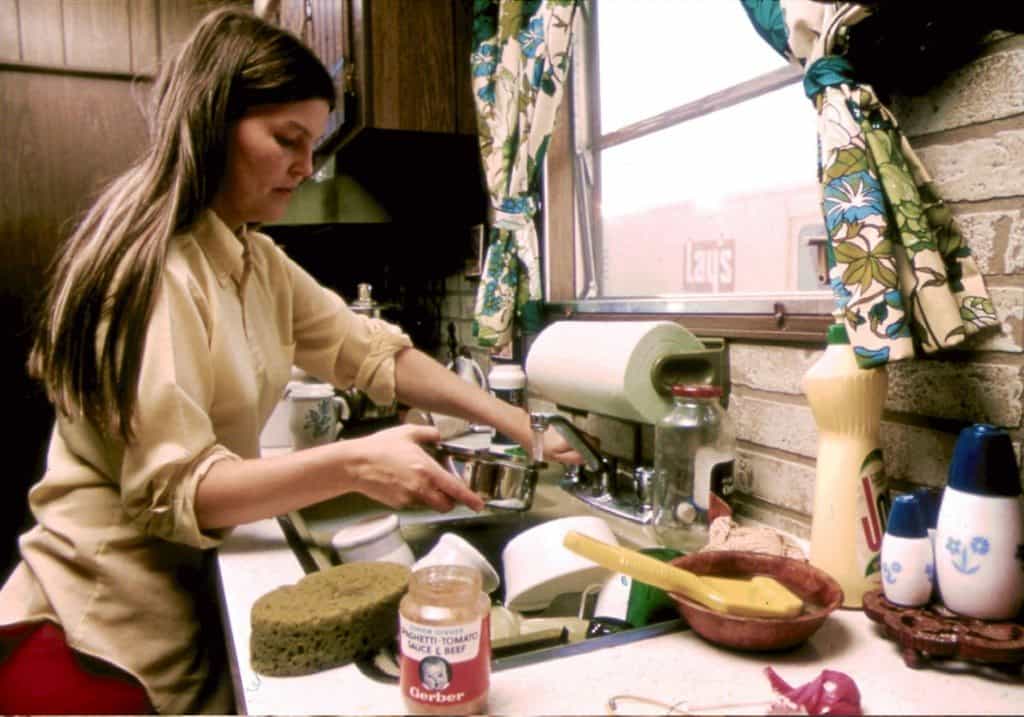
Fibromyalgia is a chronic condition that often comes with persistent pain, fatigue, and sometimes cognitive difficulties. These symptoms can interfere with everyday tasks, making household chores daunting and energy-sapping obstacles.
However, you can ease the burden of cleaning and organizing your home by adapting your approach, breaking tasks into manageable pieces, and using practical tools and strategies.
This article offers friendly, clear, and actionable tips for anyone looking to simplify household chores while dealing with fibromyalgia.
Whether you’re a seasoned pro at managing your symptoms or just starting to navigate these challenges, these hacks are designed to support your well-being and help you keep your home in order.
1. Prioritize Self-Care First
Why It Matters:
Before you begin any chore, you must ensure that your body and mind are well. Fibromyalgia can cause fluctuating energy levels, and pushing yourself too hard can lead to flare-ups.
Tips to Implement:
- Schedule Breaks: Set a timer for 10–15 minutes of work, followed by a short rest. This preemptive rest helps prevent burnout.
- Mindful Meditation: Even five minutes of deep breathing or meditation can reset your energy and reduce stress.
- Stay Hydrated and Nourished: Keep water and a healthy snack nearby to maintain your energy levels.
Quick Tip:
Consider using a journal to note when you feel most energetic and plan your chores during these windows.
2. Break Chores into Tiny, Manageable Tasks
Why It Matters:
Large cleaning projects can feel insurmountable when your energy is low. Breaking them into smaller chunks makes them much more approachable.
How to Do It:
- Set a Timer: Work for 10–15 minutes at a time on one specific task, then take a break.
- Focus on One Area: Instead of cleaning the entire room, concentrate on one shelf, a countertop, or a single drawer.
- Write a Mini-Checklist: List the tiny tasks that make up a larger job and check them off individually.
Example:
Rather than “clean the kitchen,” break it down into “wipe countertops,” “load the dishwasher,” and “sweep the floor.”

3. Simplify and Declutter Your Space
Why It Matters:
A cluttered environment can be mentally and physically exhausting to manage. Reducing clutter minimizes the number of things you need to clean and organize.
Steps to Simplify:
- Declutter Regularly: Dedicate 15 minutes daily to put away items or donate things you no longer need.
- Designate Zones: Organize your space by creating specific areas for everyday items. For example, have a basket for mail and keys near the door.
- Adopt Minimalism: The less you have, the less there is to clean. Prioritize quality over quantity.
Table: Sample Decluttering Schedule
| Time Frame | Task | Area/Details |
|---|---|---|
| Daily | Tidy up | Put items back in designated spots |
| Weekly | Deep declutter | Sort through one small area (e.g., a drawer) |
| Monthly | Purge unused items | Donate, sell, or recycle items not used recently |
4. Use Ergonomic, Lightweight Cleaning Tools
Why It Matters:
Fibromyalgia can cause joint pain and muscle stiffness, making heavy cleaning tools a real burden.
What to Look For:
- Lightweight Vacuum Cleaners: Consider a cordless or robot vacuum that reduces the need for manual pushing and pulling.
- Microfiber Cloths: These are effective at capturing dust and require minimal effort.
- Long-Handled Tools: Tools with extended handles can reduce bending and stooping.
Example:
Replace a heavy mop with a spray mop that uses a refillable container, so you won’t have to carry extra weight around.
5. Create a Visual Chore Schedule or Checklist
Why It Matters:
A structured schedule helps you manage your energy and ensures that tasks are spread out without overwhelming you.
How to Build Your Schedule:
- Daily and Weekly Checklists: Use a whiteboard or a printable chore chart.
- Color Coding: Assign colors to different types of tasks (e.g., blue for kitchen, green for living areas).
- Digital Reminders: Use your phone’s calendar or apps like Todoist to set reminders.
Table: Sample Weekly Chore Schedule
| Day | Task | Estimated Time |
|---|---|---|
| Monday | Dust and wipe surfaces (living room) | 15 minutes |
| Tuesday | Vacuum one room | 15 minutes |
| Wednesday | Wipe down kitchen counters | 10 minutes |
| Thursday | Tidy up decluttered areas | 15 minutes |
| Friday | Quick bathroom clean (sink and mirror) | 10 minutes |
| Saturday | Laundry (one load) | 20 minutes |
| Sunday | Rest/Plan for the week | – |
6. Leverage Cleaning Hacks to Save Time
Why It Matters:
Smart cleaning hacks can reduce the effort needed for common chores, making them more manageable on low-energy days.
Effective Hacks Include:
- Multipurpose Cleaners: Use natural cleaners like diluted vinegar or baking soda to tackle multiple surfaces.
- Dishwasher Pods for Quick Stain Removal: A dissolved pod in warm water can work wonders on stubborn stains in mugs or on countertops.
- Microfiber Cloths: Microfiber cloths are both effective and gentle for quick dusting and wiping.
7. Delegate and Ask for Help
Why It Matters:
You don’t have to shoulder the entire burden of household chores on your own. Sharing responsibilities reduces your workload and helps foster a supportive home environment.
Strategies for Delegation:
- Family Meetings: Discuss chore responsibilities with family members. Use your chore checklist to illustrate how tasks can be shared.
- Task Rotation: Rotate chores so everyone gets a turn, reducing feelings of unfairness.
- Professional Help: When necessary, consider hiring a cleaning service for tasks that are too physically demanding.
8. Modify Your Environment for Better Accessibility
Why It Matters:
Adapting your living space to reduce physical strain can make daily chores easier and prevent unnecessary pain or fatigue.
Practical Adjustments:
- Rearrange Furniture: Ensure that high-use items are easily accessible and that there’s enough space to move around safely.
- Storage Solutions: Invest in shelves, baskets, and organizers that keep items within reach.
- Adaptive Equipment: Consider using items like grab bars or elevated storage units to minimize bending and stretching.
9. Embrace Time-Saving Multi-Tasking Techniques
Why It Matters:
Combining tasks can help you maximize your limited energy, ensuring you achieve more without feeling overextended.
How to Multi-Task Effectively:
- Pairing Tasks: For example, clean the kitchen while you wait for your coffee to brew or tidy up a room while on a phone call.
- Overlap Activities: Use waiting times (like during laundry cycles) for light tidying or stretching.
- Combine Routines: Integrate small cleaning actions into your daily habits, such as wiping down surfaces as you move from one room to another.
10. Celebrate Small Wins and Adjust Your Expectations
Why It Matters:
Managing fibromyalgia means accepting that not every day will be super productive—and that’s perfectly okay. Recognizing and celebrating small achievements can boost your morale and keep you motivated.
How to Celebrate:
- Track Your Progress: Use a simple checklist or journal to mark off completed tasks.
- Reward Yourself: Even a small reward, like a favorite snack or a few minutes of relaxation, can make a big difference.
- Set Realistic Goals: Adjust your expectations based on how you feel daily. Some days, completing one task is an achievement worth celebrating.
Frequently Asked Questions (FAQs)
Q1: How can I know which tasks to prioritize when I’m feeling low on energy?
A: Focus on essential tasks that directly impact your daily life, such as cleaning the kitchen and bathroom. Use a visual chore schedule to identify what needs to be done, and remember that even small actions count. Prioritize self-care and tackle additional tasks only if you have the energy.
Q2: What quick cleaning hacks work well on low-energy days?
A: Consider using multipurpose cleaners like diluted vinegar and microfiber cloths for fast dusting and breaking down tasks into 10–15-minute sessions. Utilizing dishwasher pods or natural cleaners can help remove tough stains with minimal effort.
Q3: How can I involve my family or roommates in household chores?
A: Communicate openly about the challenges you face. Create a chore chart that clearly outlines responsibilities and consider rotating tasks. Family meetings and small incentives for shared responsibilities can help foster a cooperative atmosphere.
Q4: Are there any tools specifically designed to help with fibromyalgia-related limitations?
A: Yes, lightweight, ergonomic cleaning tools—such as cordless vacuums, spray mops, and long-handled dusters—can reduce strain. Adaptive equipment like grab bars or elevated storage units can also make everyday tasks easier.
Q5: What should I do if I have a bad day and can’t manage even the smallest tasks?
A: It’s important to listen to your body. On days when energy is extremely low, focus solely on self-care and essential hygiene. Let some chores slide and catch up when you’re feeling better, which is okay. Reach out to family or consider temporary help if necessary.
Conclusion
Managing household chores with fibromyalgia is all about working smarter, not harder. By prioritizing self-care, breaking tasks into manageable chunks, using ergonomic tools, and involving others, you can create a living environment that supports your health and minimizes stress.
Remember, progress is measured in small wins, and every step you take toward maintaining your home is an achievement worth celebrating.
By implementing these practical strategies and embracing flexibility, you can turn daily chores into a series of manageable tasks rather than overwhelming burdens.
Save this article as a reminder of the tools available and share it with others who may benefit from these tips.
Remember, it’s not about perfection—it’s about creating an environment that works for you, one small step at a time.
