
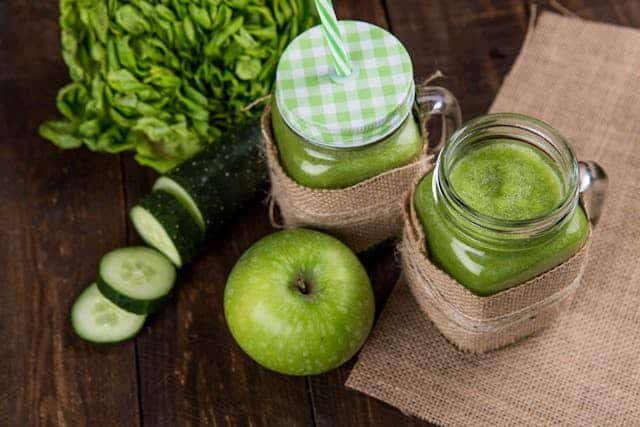
“Detox?” you ask. “Isn’t that just juice cleanses and rabbit food?” Hold on—before you roll your eyes and swear off all “health jargon,” let me let you in on a little secret: your body is a top-notch detox machine already.
All it needs is a little culinary TLC. Think of your liver, kidneys, lungs, and skin as a squad of super-efficient sanitation workers, busily scrubbing away toxins. And guess what? The right foods are like premium fuel that keep those workers in peak condition.
In this deep-dive, we’re going to wander through a vibrant farmers’ market of healing foods—alkaline greens, zingy roots, antioxidant-packed berries—that help your body detoxify naturally.
We’ll chat about why each superstar ingredient belongs on your plate, share easy ways to prep them, and sprinkle in a few of my trademark metaphors and wry asides to keep you smiling. Ready to give your internal “sanitation crew” the gourmet upgrade they deserve? Let’s dig in!

What Is Detoxification, Really?
Detoxification sounds like a buzzword, but it’s really just your body’s way of grabbing the mop and bucket and cleaning up cellular messes. When you eat, breathe, or even think (stress can count!), you generate waste byproducts: metabolic “garbage,” environmental pollutants, heavy metals, stray free radicals.
Your detox organs—the liver, kidneys, skin, lungs, and lymphatic system—work around the clock to neutralize, package, and expel these nuisances.
Imagine a busy kitchen: the dishwasher (liver) breaks down greasy pots, the drain (kidneys) flushes away liquids, the vent hood (lungs) expels smoke, and the floor (skin) can even sweat out small particles.
When you fuel that kitchen with quality ingredients—antioxidants, fiber, healthy fats—you keep everything humming. But when you dump in ultra-processed junk and stress-inducing habits, things back up: clogged drains, smoky vents, and a greasy mess on the floor.
The Role of Food in Natural Detox
Food isn’t just mouthwatering pleasure; it’s biology’s toolkit. Certain foods:
- Stimulate liver enzymes that neutralize toxins.
- Bind heavy metals and escort them out.
- Balance pH so your cells feel at home.
- Support gut health, because 70% of detox happens via the digestive tract.
- Provide antioxidants that mop up free radicals before they damage DNA.
In plain English: the right healing foods help your body’s sanitation crew work efficiently—and even hire extra hands when the mess piles up.
Top Healing Foods That Detox Naturally
Lemon Water: Your Morning Wake-Up Call
Ever wondered why everyone tells you to drink lemon water first thing? Here’s the scoop: lemon’s citric acid encourages bile production, which is essential for fat-soluble toxin elimination. It also supports kidney function, helping you flush out waste.
Tip: Squeeze half a fresh lemon into a glass of warm water and sip it before breakfast. Think of it as a gentle nudge to your liver: “Rise and shine—time to work!”
Leafy Greens: The Chlorophyll Champions
Spinach, kale, Swiss chard, arugula—these green powerhouses are loaded with chlorophyll, which binds to heavy metals and helps shuttle them out of your system. Plus, they’re high in fiber to keep your digestive tract moving.
Pro tip: Toss a handful into smoothies, salads, or sauté with garlic. Your insides will thank you.
Garlic: Nature’s Antibiotic and Detox Booster
Garlic’s sulfur compounds, like allicin, bind to toxins and boost enzymes in the liver. It’s like giving your detox squad a supercharged uniform.
Quick hack: Crush a clove and let it rest 10 minutes before cooking—to maximize allicin formation. Then add to soups, sauces, or roast alongside veggies.
Ginger: The Gut-Gentler
Feeling bloated or gassy? Ginger speeds up gastric emptying and supports digestion, which means fewer toxins linger in your GI tract. Its anti-inflammatory compounds (gingerols) also soothe the gut lining.
Dosage: Brew fresh ginger slices in hot water for tea, or grate into stir-fries and dressings.
Turmeric: The Golden Detoxifier
Curcumin, turmeric’s star compound, ramps up antioxidant enzyme activity and supports phase II liver detoxification. It’s like calling in special ops to clear out stubborn toxins.
Serving suggestion: Pair with black pepper (for absorption) in curries, golden milk, or turmeric-spiced hummus.
Beets: Betaine for the Win
Beets are rich in betaine, which helps the liver process fats and toxins. Plus, their nitrates support blood flow—think of it as opening highway lanes so your detox products can travel swiftly.
How to enjoy: Roast, juice, or spiralize into “zoodles” for a tangy, earthy boost.
Berries: Antioxidant Powerhouses
Blueberries, raspberries, strawberries—packed with anthocyanins and vitamin C, they neutralize free radicals and support collagen for skin detox. It’s like giving your cells little bodyguards.
Snack idea: Mix berries into oatmeal, yogurt, or blend into a vibrant smoothie.
Green Tea: The Catechin Cleanser
Green tea’s catechins, especially EGCG, boost liver enzymes and support fat metabolism. Plus, the gentle caffeine kick revs your metabolism without overloading your adrenals.
Tip: Sip 2–3 cups daily—ideally between meals—to maximize detox benefits.
Cruciferous Veggies: Broccoli, Cauliflower, Brussels Sprouts
These veggies contain glucosinolates, which convert into isothiocyanates—compounds that enhance phase II detoxification in the liver. In plain terms: they help your liver tag and bag toxins more efficiently.
Preparation: Lightly steam or roast with olive oil and sea salt to preserve nutrients.
Apple Cider Vinegar: The Acid Ally
With its acetic acid content, apple cider vinegar helps regulate blood sugar, support digestion, and maintain healthy pH in the GI tract. It’s like giving your gut a balanced pH playground.
How to use: Mix 1–2 tablespoons in a glass of water before meals. Add a dash of honey if you’re feeling fancy.
Cilantro: The Heavy Metal Magnet
Cilantro has been shown to bind to heavy metals like mercury and lead, helping escort them out. Consider it a botanical magnet for unwanted metallic guests.
Serving: Blend into pesto, salsa, or sprinkle fresh leaves over tacos and salads.
Chia Seeds: Fiber and Omega-3 Fusion
Chia’s fiber bulks up stools, speeding elimination, while omega-3s calm inflammation. It’s a one-two punch for a cleaner, calmer gut.
Easy prep: Make overnight chia pudding with almond milk and a touch of vanilla.
Asparagus: The Pee-Prompter
Asparagus contains asparagine, an amino acid that acts as a diuretic—helping you pee out excess fluids and toxins. Think of it as a natural UTI-style flush (minus the bladder infection).
Cooking: Grill or steam until just tender, then drizzle with lemon and olive oil.

Dandelion Greens: The Bitter Leaf Cleanser
Those unassuming weeds are liver-loving bites, rich in bitter compounds that stimulate bile flow and support detox. They’re nature’s own liver tonic.
Try: Sauté with garlic and chili flakes, or blend into your green smoothies for a detox kick.
Avocado: Healthy Fats for Cell Repair
Avocados provide monounsaturated fats that support cell membrane repair and glutathione production—a master antioxidant that your liver uses to neutralize toxins.
Ways to eat: Mash into guacamole, slice onto salads, or blend into creamy dressings.
Nuts & Seeds: Magnesium & Selenium Support
Brazil nuts pack selenium, while almonds and pumpkin seeds offer magnesium and vitamin E—nutrients critical for antioxidant enzyme function. Consider them micro fuel cells for detox pathways.
Snack: Handful of mixed nuts or sprinkle seeds over yogurt and cereals.
Fermented Foods: Gut Flora Guardians
Kombucha, sauerkraut, kimchi, kefir—these fermented heroes replenish beneficial bacteria, supporting gut barrier function so fewer toxins slip into your bloodstream.
Incorporate: Add a side of sauerkraut to meals or swap soda for kombucha.
Watermelon: Nature’s Hydrator
Hydration is key for all detox organs. Watermelon is 92% water, plus it contains lycopene and citrulline—compounds that support blood flow and antioxidant defense.
Summer treat: Cube and chill for a snack, or blend into a refreshing gazpacho.
Bone Broth: Gut-Soothing Collagen
Bone broth provides amino acids like glycine and proline, which repair the gut lining and support detox pathways. It’s like a warm, healing hug from the inside out.
Recipe: Simmer bones with veggies, herbs, and apple cider vinegar for 12–24 hours.
Extra Virgin Olive Oil: The Healthy Fat Lubricant
Olive oil stimulates bile secretion and provides polyphenols that boost antioxidant defenses. Drizzle liberally—your liver and gallbladder will high-five you.
Use: Salad dressings, sautéing low-temperature veggies, or finishing soups.
Frequently Asked Questions
Q1: Do I need to buy special detox supplements?
A: Not necessarily! Whole foods like those listed above provide natural combinations of nutrients your body already recognizes. Focus on variety and balance—supplements can be helpful, but they’re no substitute for real food.
Q2: How long does it take to see benefits?
A: Everyone’s timeline is different. You might notice improved digestion or clearer skin within a week; deeper benefits—such as liver enzyme support and reduced oxidative stress—can take 4–6 weeks of consistent eating.
Q3: Can I detox while pregnant or breastfeeding?
A: Always check with your healthcare provider. Most whole foods are safe, but specific herbs or concentrated supplements may not be recommended during pregnancy or lactation.
Q4: Is it okay to juice all these foods?
A: Juicing can concentrate nutrients, but you lose fiber—key for binding toxins and supporting gut health. If you juice, complement it with whole-food intake or blend instead.
Q5: Can I combine these foods in one meal?
A: Absolutely! A power bowl with greens, beets, berries, avocado, seeds, and a turmeric-lemon dressing is a one-stop detox feast. Just be mindful of portion sizes and personal tolerance.
Conclusion
Your body is already an ingenious detox machine—it just needs the right raw materials. By weaving these healing foods into your daily menu, you’re giving your liver, kidneys, gut, and skin the very best support.
It’s not about deprivation or extreme cleanses; it’s about abundant, colorful plates that nourish and cleanse in harmony. So go ahead—sip that lemon water, toss spinach into your morning smoothie, grate ginger into your stir-fries, and sprinkle cilantro over your tacos. Watch how a few simple swaps can turn your body’s sanitation crew into an elite task force, leaving you feeling lighter, clearer, and more vibrant than ever.
Now it’s your turn: which healing food will you invite to your next meal? Let me know how you feel after a week of “detox-friendly” eating—any surprising wins or challenges? Share in the comments below, and let’s keep this detox party going together!