
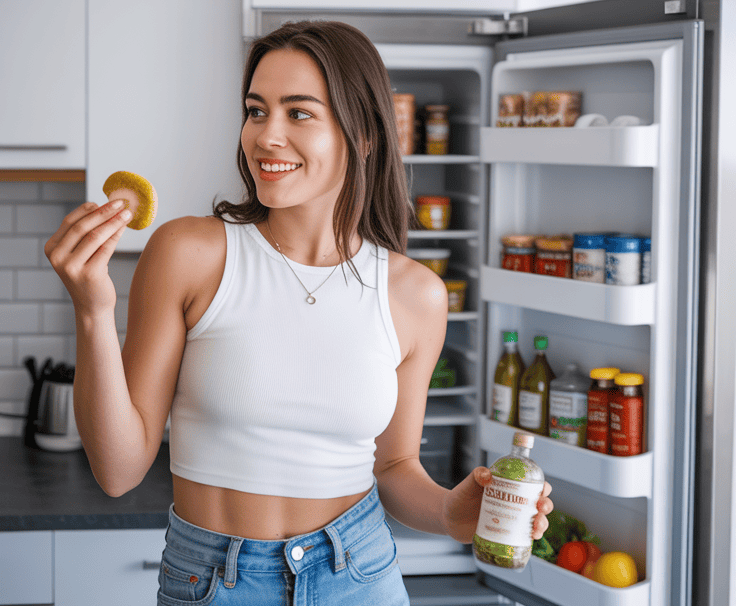
Late-night cravings are as real as they get—whether it’s a rumbling stomach, boredom at the end of the day, or simply the comfort of a small snack before bed. But reaching for chips, cookies, or ice cream can disrupt sleep, spike blood sugar, and leave you feeling sluggish the next morning. The good news? With a little planning and the right ingredients, you can satisfy those nighttime hunger pangs in a nutritious, sleep-friendly way.
In this article, you’ll learn why late-night hunger happens, how to choose balanced snacks, top recipes to try tonight, and tips to make healthy habits stick. Let’s dive in!

The Science Behind Late-Night Hunger
1. Circadian Rhythm & Appetite
Your body follows a roughly 24-hour cycle—your circadian rhythm. As evening approaches, your metabolism slows, and hunger signals can get out of sync. If you skip meals or eat too early, you’ll likely feel famished by 10 or 11 PM.
- Tip: Aim for consistent meal times throughout the day to keep the evening appetite in check.
2. Hormonal Factors
Three key hormones influence nighttime hunger:
- Ghrelin (“hunger hormone”) rises when you haven’t eaten for hours.
- Leptin (“satiety hormone”) signals fullness but can dip at night if overall calorie intake is low.
- Cortisol—the stress hormone—peaks in early morning but can spike with late-night stress or screen time, prompting comfort-eating.
Managing stress and maintaining balanced meals helps keep these hormones in harmony.
3. Impact on Sleep & Metabolism
Heavy, high-sugar, or fatty snacks can:
- Disrupt sleep by causing acid reflux or blood sugar dips.
- Slow digestion, making it harder to fall asleep.
- Promote fat storage since your body’s energy demands are low while you rest.
Bottom line: Choose snacks that digest easily, stabilize blood sugar, and even support melatonin production.
Key Principles for Healthy Late-Night Snacking
- Balance Macronutrients
- Protein: Keeps you full longer (e.g., Greek yogurt, cottage cheese, turkey).
- Complex Carbs: Provide steady energy release (e.g., whole-grain toast, oatmeal).
- Healthy Fats: Support hormones and slow digestion (e.g., avocado, nut butters).
- Portion Control
Keep servings to 150–200 calories. Use small bowls or plates to avoid overeating. - Low Sugar & Low Saturated Fat
Excess sugar spikes insulin then crashes. Heavy fats delay sleep. Opt for unflavored dairy, minimal added sugars, and moderate healthy fats. - Timing
Snack 1–2 hours before bed to give your body time to digest without waking you up.
Top Healthy Late-Night Snack Ideas
Below are ten nutrient-packed snacks under 200 calories each. Prep tips and variations included.
| Snack | Protein | Carbs | Fat | Approx. Calories |
|---|---|---|---|---|
| 1. Greek Yogurt & Berries | 12g | 15g | 0g | 100 |
| 2. Cottage Cheese & Pineapple | 14g | 16g | 1g | 110 |
| 3. Whole Grain Avocado Toast (¼ avocado) | 5g | 20g | 8g | 180 |
| 4. Hummus & Veggie Sticks | 4g | 16g | 5g | 120 |
| 5. Almond Butter & Apple Slices | 4g | 20g | 9g | 190 |
| 6. Turkey or Chicken Roll-Ups | 10g | 1g | 2g | 70 |
| 7. Warm Oatmeal with Cinnamon | 5g | 30g | 2g | 170 |
| 8. Banana with Peanut Butter | 4g | 25g | 8g | 190 |
| 9. Roasted Chickpeas | 6g | 18g | 4g | 110 |
| 10. Low-Fat Cheese & Whole Grain Crackers | 8g | 18g | 5g | 160 |
1. Greek Yogurt with Berries
Why it works: Greek yogurt packs up to 12g of protein in ½ cup, supporting muscle repair and long-lasting fullness. Berries add fiber and antioxidants.
Prep tips:
- Choose plain, nonfat Greek yogurt to avoid added sugars.
- Top with ¼ cup mixed berries (fresh or frozen).
- Optional: sprinkle 1 teaspoon chia seeds for extra fiber.
2. Cottage Cheese and Fruit
Why it works: High in casein protein, cottage cheese digests slowly, feeding muscles overnight. Fruit adds natural sweetness and micronutrients.
Flavor variations:
- Pineapple tidbits + a dash of cinnamon.
- Sliced peach + unsweetened shredded coconut.
- Diced apple + pumpkin pie spice.
3. Whole Grain Toast with Avocado
Why it works: The fiber in whole grains plus heart-healthy monounsaturated fats in avocado help stabilize blood sugar and promote satiety.
How to assemble:
- Toast one slice whole-grain bread.
- Mash ¼ avocado with a fork, season with salt, pepper, and a squeeze of lime.
- Spread on toast and top with chili flakes or microgreens.
4. Hummus and Veggie Sticks
Why it works: Hummus offers plant-based protein and fiber; crunchy veggies add volume without many calories.
Quick serving:
- Measure 2 tablespoons hummus (about 60 calories).
- Cut cucumber, bell pepper, and carrot into sticks.
5. Almond Butter & Apple Slices
Why it works: Combines the sweetness of fruit with the healthy fats of nuts, plus a satisfying crunch.
Portion advice:
- Slice a small apple.
- Portion 1 tablespoon almond butter (use a measuring spoon).
6. Turkey or Chicken Roll-Ups
Why it works: Lean deli meat is low-calorie, high-protein, and super portable.
Flavor-boost:
- Spread a thin layer of mustard or hummus on slices.
- Roll up around cucumber or pickle spears.
7. Warm Oatmeal with Cinnamon
Why it works: Oats are a complex carb rich in beta-glucan fiber, which slows digestion and keeps you full. A sprinkle of cinnamon helps regulate blood sugar.
Step-by-step:
- Microwave ½ cup rolled oats + 1 cup water or unsweetened almond milk for 1–2 minutes.
- Stir and top with cinnamon (and a few walnut pieces if desired).
8. Banana with Peanut Butter
Why it works: Bananas provide potassium and magnesium, which aid muscle relaxation. Pairing with protein-rich peanut butter slows sugar absorption.
Serving size:
- ½ medium banana + 1 tablespoon peanut butter.
9. Roasted Chickpeas
Why it works: Crunchy roasted chickpeas deliver fiber and protein in every bite, perfect for that salty fix.
- Simple roast recipe:
Preheat oven to 400°F (200°C). - Drain & rinse 1 can chickpeas; pat dry.
- Toss with 1 tsp olive oil, pinch of salt, paprika.
- Bake 20–25 minutes until crispy.
- Cool, then portion ¼ cup.
10. Low-Fat Cheese & Whole Grain Crackers
Why it works: Cheese is a great source of calcium and casein protein. Whole-grain crackers add fiber for a balanced combo.
Serving suggestion:
- 1 ounce (28g) low-fat cheese + 5–6 whole-grain crackers.

Customizing Snacks to Dietary Preferences
Everyone’s diet is unique. Here’s how to adapt the above ideas:
| Preference | Swap-In Examples |
|---|---|
| Vegan | Coconut yogurt, nut-based cheese, edamame, tofu cubes |
| Gluten-Free | Rice cakes, gluten-free oats, chickpea crackers |
| Low-Carb/Keto | Full-fat cheese, olives, hard-boiled eggs, nuts |
| Nut-Free | Sunflower seed butter, pumpkin seeds, dairy yogurt |
| Dairy-Free | Almond/coconut yogurt, hummus, avocado-based dips |
- Plant-Based Protein: Swap Greek yogurt for soy or coconut-based alternative with added pea protein.
- Carb Adjustments: Replace grains with extra veggies or fruit.
- Allergens: Always read labels for hidden gluten, nuts, or dairy.

Practical Tips for Success
- Snack Prep & Planning
- Set aside 3–4 options in grab-and-go containers at the start of each week.
- Portion into single servings to curb overeating.
- Mindful Eating Practices
- Eat slowly, savor each bite, and pause halfway through.
- Turn off screens to focus on flavor and fullness cues.
- Keep Temptations Out of Reach
- Store indulgent treats on high shelves or out of sight.
- Keep healthy snacks at eye level in fridge or pantry.
- Hydration Check
- Thirst often masquerades as hunger. Sip water first.
- Herbal teas (e.g., chamomile, peppermint) soothe and hydrate without caffeine.
Potential Pitfalls & How to Avoid Them
| Pitfall | Solution |
|---|---|
| Overeating ‘healthy’ foods | Pre-portion and measure servings. |
| Hidden sugars in flavored items | Choose plain/dry-roasted versions; read labels. |
| Relying on caffeine or sugary drinks | Switch to caffeine-free herbal teas or sparkling water. |
| Late-night screen time triggers eating | Set a tech curfew 1 hour before bed. |
Frequently Asked Questions
Q1: Is it okay to eat right before bed?
A: Yes, as long as it’s a light, balanced snack eaten 1–2 hours before bedtime. This helps avoid blood sugar crashes without overloading your digestive system.
Q2: Can late-night snacking cause weight gain?
A: Weight gain is driven by overall calorie balance. Choosing nutrient-dense, portion-controlled snacks prevents excess calories and supports metabolism.
Q3: What’s the best drink to have with a late-night snack?
A: Water or herbal tea (chamomile, peppermint) are ideal. Avoid sugary or caffeinated drinks that can interfere with sleep.
Q4: How do I stop craving sweets at night?
A: Include a small portion of natural sweetness (e.g., berries, banana) in your snack to curb sugar cravings, or satisfy them with a square of dark chocolate (70% cocoa+).
Q5: Are there supplements that help with late-night hunger?
A: Rather than supplements, focus on balanced meals and stress management. Magnesium-rich foods (e.g., banana, nuts) can support relaxation.
Conclusion
Late-night snack attacks don’t have to sabotage your health or sleep. By understanding why you’re hungry, focusing on balanced macronutrients, and prepping simple, tasty options, you can satisfy cravings and wake up energized. Try one of these top 10 snacks tonight—your body (and taste buds) will thank you!
Ready to snack smarter? Pick your favorite recipe, plan your portions, and transform your evenings into moments of restful satisfaction and nourishment. Sweet dreams!