
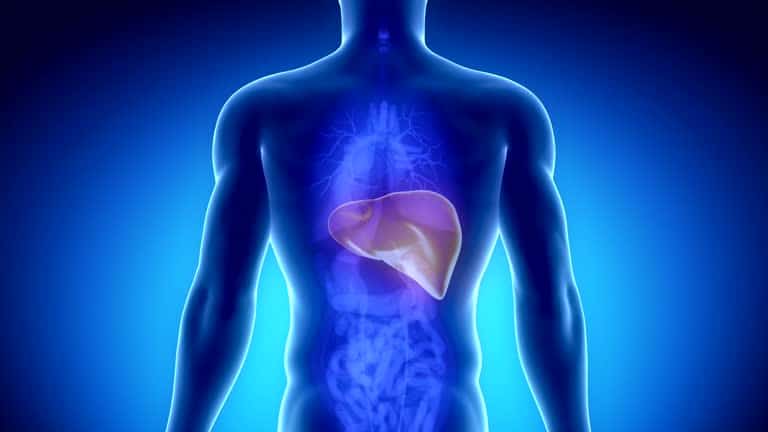
You and I both know the liver doesn’t get the applause it deserves. It’s the silent workhorse that digests, detoxes, stores energy, and quietly keeps us ticking while we Netflix-and-snack.
Treat it like the friend who brings a casserole to your moving day — neglected at your peril. This guide is for the everyday human: real tips, easy language, a few jokes, and no weird juice cleanses. Let’s give your liver the TLC it actually needs.

How The Liver Works (Quick)
Think of your liver as a busy kitchen and traffic cop rolled into one. It:
- Breaks down what you eat and drink into usable parts (like a sous-chef).
- Filters toxins and old cells (traffic control for chemicals).
- Stores sugar for energy and releases it when you need a pick-me-up.
- Makes bile to help digest fats (the dishwasher of the digestive world).
When it’s overwhelmed—too much alcohol, too many added sugars, persistent inflammation—it slows down, gets fatty, or worse, scars. The good news? A lot of that can be helped with common-sense changes.
Quick Reference Tables
Foods That Help Versus Foods That Hurt
| Helps Your Liver (Eat More) | Hurts Your Liver (Limit) |
|---|---|
| Vegetables and fruits (whole) | Sugary drinks and fruit juices |
| Whole grains (oats, brown rice, barley) | Refined carbs (white bread, pastries) |
| Lean protein (fish, chicken, legumes) | High-fat processed meats (sausages, bacon) |
| Healthy fats (olive oil, nuts, fatty fish) | Trans fats, deep-fried fast foods |
| Coffee (moderate) | Excess alcohol |
| Fiber-rich foods | Excessive calorie intake/binge eating |
(Short, practical swaps: swap soda for sparkling water with lemon; trade white rice for brown or barley; use olive oil instead of butter when you can.)
Alcohol Guidance (Simple Comparison)
| Guideline Source | What They Say |
|---|---|
| CDC (U.S.) | Moderate drinking: up to 1 drink/day for women, up to 2 drinks/day for men. |
| NHS (U.K.) | Do not regularly drink more than 14 units/week; aim for several alcohol-free days. |
(If you’re treating liver disease or have elevated liver tests, your clinician may advise cutting out alcohol completely.)
Top Daily Habits For A Happier Liver
You don’t need to become a monk or join a 30-day detox cult. Try these small, consistent moves.
1. Eat Real, Whole Foods (Not Just Kale Memes)
Swap processed boxes of mystery for colorful plates. Whole fruits, vegetables, legumes, whole grains, and lean protein give your liver nutrients it actually uses — fiber, antioxidants, and steady-release energy. Avoid sugary drinks and cut down on refined carbs that sneakily dump fat into your liver.
2. Keep Moving (Yes, Even Short Walks Count)
Aim for about 150 minutes of moderate activity a week (brisk walks, dancing, cycling). Strength training twice weekly is a nice bonus. Moving helps reduce liver fat and improves insulin sensitivity, which is central if you’re dealing with fatty liver.

3. Mind Your Weight, Not Vanity Numbers
If you’re carrying extra weight, losing 5–10% of body weight can dramatically reduce liver fat for many people. Steady, sustainable weight loss beats crash diets every time: slow and steady is the liver’s best friend.
4. Respect Alcohol
Drinking more than moderate amounts increases your risk of liver disease. Lowering intake, having alcohol-free days, or stopping entirely (if advised) will help your liver recover and prevent long-term damage.
5. Don’t Overdo Painkillers
Acetaminophen (paracetamol) is safe at recommended doses but can cause severe liver damage when taken in excess or combined unknowingly with other medicines. Always check labels and ask your pharmacist if unsure.
6. Get Vaccinated If Needed
Vaccines exist for hepatitis A and B — both can harm the liver. If you’re at risk or unsure of immunity, check with your clinician. Prevention beats treatment.
7. Be Cautious With Supplements
“Natural” does not mean harmless. Some herbal remedies and high-dose supplements can injure the liver. Talk to your provider before starting anything new.
Foods To Eat And Foods To Avoid — The Practical Grocery List
Let’s make shopping less painful. Here’s a simple list you can stick in your phone.
Liver-Friendly Grocery List
- Oats, barley, brown rice
- Leafy greens (spinach, kale), cruciferous veg (broccoli, cauliflower)
- Berries, apples, oranges
- Salmon, sardines, skinless poultry, beans, lentils
- Olive oil, avocados, nuts, seeds
- Coffee (moderation)
- Plain yogurt, low-fat dairy in moderation

Foods To Limit Or Skip
- Soda, energy drinks, sugary juices
- Pastries, white bread, white rice, sweets
- Fried fast foods, processed meats
- Excess red meat and heavy cream-based dishes
- Alcohol beyond moderate limits
Swap idea: Instead of dessert after dinner, try Greek yogurt with a spoonful of berries and crushed walnuts.
Alcohol: The Quiet Saboteur
We all know alcohol has calories, but it’s sneaky in the way it tells your liver, “You deal with this.” Frequent heavy drinking can inflame the liver, leading to fatty liver, alcoholic hepatitis, or cirrhosis over time. Even if you feel “fine,” your liver could be silently accumulating damage.
If you drink:
- Count your drinks. Know what a standard drink is where you live.
- Aim for alcohol-free days during the week.
- Consider swapping one drinking day for a social tea, club soda with lime, or a non-alcoholic beer.
- If you’ve already got liver disease or high liver enzymes — stop, or follow specialist advice.
Medications And Supplements To Watch
Your liver is the body’s chemical factory — it processes medications. Two quick rules:
- Never combine multiple acetaminophen-containing meds without checking doses. Overdose is a major cause of acute liver failure.
- Ask before taking herbs. Supplements like kava, certain traditional remedies, and herbal mixtures have been linked to liver injury in case reports. If you’re on prescription meds for liver disease (or anything else), double-check with a pharmacist.
Pro tip: Keep a current list of every pill, supplement, and topical you use. When in doubt, a quick pharmacist question protects your liver.
Weight, Exercise, And Fatty Liver — What Science Says (In Plain English)
Non-alcoholic fatty liver disease (NAFLD) is common and often linked to insulin resistance, high-calorie diets, and low activity. The powerful news: lifestyle changes actually reduce liver fat and inflammation.
Even losing 5–10% of your body weight can make a meaningful difference for many people. Regular exercise — both cardio and resistance — helps shift fat out of the liver and improve overall metabolism. Think of exercise as the broom that sweeps fat out of the kitchen.
If you’re overwhelmed, start tiny: 15–20 minutes of brisk walking daily, then build. Small wins stack up.
Vaccines, Tests, And When To See A Doctor
Your liver rarely shouts. It whispers. That’s why a few basic checks make sense.
When To Consider Testing
- If you have persistent fatigue, yellowing of the eyes, dark urine, pale stools, or abdominal pain — see a clinician.
- If routine bloodwork shows elevated liver enzymes (AST, ALT), your provider will investigate causes.
- Risk factors like diabetes, obesity, heavy alcohol use, or viral hepatitis exposure are reasons to screen or test.
Vaccines To Ask About
- Hepatitis A vaccine (if at risk)
- Hepatitis B vaccine (widely recommended for those not immune)
Vaccination prevents infections that can damage the liver, so it’s one of the clearest “do” items on the list.
Detoxes And “Liver Cleanse” Myths
Stop right now if someone sells a juice that “detoxes” your liver in 7 days. The liver is your detox organ — it doesn’t need a cleanse to work.
What it does need is fewer toxic hits (alcohol, high-calorie junk, dangerous supplements) and steady, healthy support (good nutrition, regular movement, safe meds).
Real “detox” is a long-term lifestyle change, not a weekend of celery juice and guilt.
Practical Weekly Plan: What To Do Monday Through Sunday
You want actionable. Here’s a low-effort, high-return plan.
- Monday: Meatless meal (beans + big salad). Count one alcohol-free day.
- Tuesday: 30-minute walk after work. Swap soda for sparkling water.
- Wednesday: Strength training (20–30 minutes — bodyweight or light weights). Cook with olive oil.
- Thursday: Fish night (salmon or sardines) + steamed veggies. Alcohol-free day.
- Friday: Social night — if drinking, pick one drink and hydrate between sips.
- Saturday: Long leisure activity (bike ride, hike, long walk). Try a new vegetable.
- Sunday: Meal prep for the week (grains, roasted veggies, lean protein). Reflect on wins.
Small steps, consistent rhythm. Not punishment — planning.
Fast Liver Dos And Don’Ts
Dos
- Do eat whole, fiber-rich foods.
- Do aim for 150 minutes of moderate activity per week.
- Do have regular check-ups if you have risk factors.
- Do follow the dosing instructions for acetaminophen.
- Do consider hepatitis vaccination if you’re not immune.
Don’ts
- Don’t believe “liver cleanses” that promise quick fixes.
- Don’t mix multiple meds without checking doses.
- Don’t binge drink or dismiss frequent heavy drinking as “no big deal.”
- Don’t assume supplements are automatically safe.
- Don’t ignore persistent fatigue, jaundice, or abdominal discomfort.
FAQs
What Foods Should I Eat Daily For Liver Health?
Aim for vegetables at most meals, whole grains, lean protein, healthy fats (olive oil, nuts, fish), and fiber. Keep portions reasonable and cut back on added sugars and refined carbs.
Is Coffee Good Or Bad For The Liver?
Moderate coffee consumption has been associated with a lower risk of advanced liver disease in several studies. If you enjoy coffee and tolerate it, it may be a small bonus for liver health — but don’t overdo sugar-filled coffee drinks.
How Much Alcohol Is Safe?
Guidelines vary slightly, but moderation is key: up to 1 drink/day for women and up to 2 drinks/day for men in some guidelines; other guidance suggests not routinely exceeding 14 units/week. If you have liver disease, aim for zero unless your clinician advises otherwise.
Can I Reverse Fatty Liver?
Yes, in many cases, early-stage fatty liver can be improved or reversed with weight loss, dietary changes, and increased activity. The sooner you act, the better.
Are Supplements Safe?
Some are, many aren’t regulated tightly. Always check with your healthcare provider. Avoid herbal products that promise quick cures; they sometimes cause liver injury.
When Should I See A Doctor?
If you have persistent unexplained fatigue, yellowing of the eyes, dark urine, pale stools, swelling in the legs/abdomen, or unintentional weight loss — see a clinician. Also, get evaluated if blood tests show abnormal liver enzymes.
Keys To Long-Lasting Success
- Consistency Over Perfection: Small, daily wins beat occasional heroics.
- Hydration and Fiber: They keep digestion and liver processing smoother.
- Know Your Medicines: Check labels, ask pharmacists, and avoid accidental overdoses.
- Limit Alcohol: Real reductions matter more than moralizing.
- Get Checked When Risky: Diabetes, obesity, and prior hepatitis exposure are not reasons to panic — they’re reasons to act and monitor.
Key Takeaways
- Your Liver Likes Routine: Balanced meals, regular activity, and sensible alcohol habits keep it humming.
- Weight Loss Helps The Liver More Than Any Juice Cleanse Ever Will: A 5–10% reduction in body weight can have measurable benefits.
- Medications Matter: Acetaminophen overuse can be dangerous — always follow dosing directions and ask a pharmacist when in doubt.
- Vaccines Prevent Liver Damage: Hepatitis A and B vaccines are simple, effective tools — ask your provider if you need them.
- Small Practical Steps Add Up: Swap sugary drinks, move a little more, plan meals, and be skeptical of “detox” scams.
Final Pep Talk
Your liver isn’t a mysterious oracle — it’s a very practical organ that rewards steady, sensible care. You don’t need to overhaul your life overnight.
Start with one swap, one walk, and one less sugary drink each day. Check in with your doctor if you have risk factors or weird symptoms.
Treat your liver the way you would a friend who has been fixing your problems behind the scenes for years: with gratitude, respect, and just a little bit of help.
What one tiny habit will you try this week? Swap it in, tell someone (accountability is magic), and let’s celebrate the small victories. We got this.