
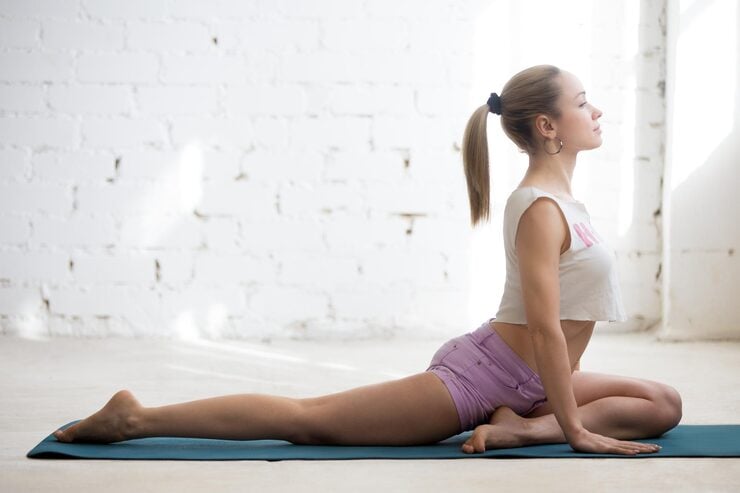
Hip pain can turn ordinary movement into a tiny battle, and the worst part is how personal it feels. I know that heavy, tight, stubborn ache that makes you walk like your body forgot how to cooperate, and that is exactly why gentle stretching can feel like a small miracle.
Disclaimer: This article is for general wellness support and is not a substitute for medical advice.

| Stretch | Main Area It Helps | Hold Time | Best For |
|---|---|---|---|
| Knee-To-Chest Stretch | Lower back and hips | 20 to 30 seconds | Morning stiffness |
| Figure Four Stretch | Outer hip and glutes | 20 to 30 seconds | Tight hips after sitting |
| Seated Butterfly Stretch | Inner thighs and hips | 20 to 30 seconds | General hip tightness |
| Hip Flexor Stretch | Front of hip | 20 to 30 seconds | Tightness from walking or sitting |
| Supine Twist | Hips and low back | 20 to 30 seconds | Overall tension release |
| Pigeon Pose | Deep outer hip | 20 to 30 seconds | Deep glute tightness |
| Lizard Stretch | Hip flexors and groin | 20 to 30 seconds | Front hip stiffness |
| Bridge Pose | Glutes and pelvic support | 10 to 15 seconds | Weak, sleepy hips |
| Standing Quad Stretch | Front thigh and hip | 20 to 30 seconds | Tight front body chain |
| Happy Baby Pose | Hips and low back | 20 to 30 seconds | End-of-day release |
Why Hip Pain Feels So Heavy
Hip pain is annoying in a way that feels unfair, because the hip is not just one lonely joint doing one simple job. It is part of a whole chain of muscles, ligaments, nerves, and movement patterns, so when one part gets irritated, the whole area can start acting like it is in a bad mood.
That is why hip pain can show up as stiffness, soreness, pinching, pulling, burning, or that strange deep ache that makes you feel older than your age. Sometimes the real problem is not only in the hip itself, because tight lower back muscles, weak glutes, or even too much sitting can make the hip complain like a dramatic little alarm system.
The good news is that gentle stretching can help the body remember how to move without fighting itself. It is not magic, and it will not fix every cause of hip pain, but it can reduce tightness, improve mobility, and give your muscles a reason to stop gripping so hard.
Before You Stretch
A good stretch should feel like relief, not a punishment session. If the movement creates sharp pain, numbness, a pulling sensation that feels wrong, or a deep angry pinch, that is your cue to back off and choose something gentler.
Before you begin, keep these rules in mind:
- Move slowly and breathe like your body has nothing to prove.
- Warm muscles respond better, so try stretching after a short walk or a warm shower.
- Hold each stretch without bouncing, because bouncing likes to make tightness louder.
- Stop if the pain gets sharp, electric, or unstable.
- Aim for regular practice instead of forcing one heroic session.
Your hips usually prefer consistency over intensity, and that is a beautiful thing. A few calm minutes every day often do more than one intense session followed by two days of regret.
Knee-To-Chest Stretch
This stretch is simple, comforting, and a little bit like telling your lower body that it can finally exhale. It gently opens the low back and the back of the hips, which makes it a lovely place to start when the whole area feels stiff and tangled.
Lie on your back with both legs extended, then slowly bring one knee toward your chest and hold it with both hands. Keep the other leg relaxed, breathe into your belly, and let your hips soften instead of forcing them into submission.
If one side feels tighter than the other, that is completely normal and not a sign that you are broken. Stay on the tighter side a little longer, but never drag the knee so far that your body starts bracing back at you.
Figure Four Stretch
This stretch is a favorite for that deep outer-hip tightness that makes sitting, standing, and climbing stairs feel extra rude. It targets the glutes and piriformis area, which often get cranky when the hips have been overworked or underused for too long.
Lie on your back, cross one ankle over the opposite knee, and gently pull the uncrossed thigh toward you. You should feel a stretch in the outer hip of the crossed leg, not a sharp stab in the knee or a warning shot in the lower back.
This one can feel emotional in the best way, because sometimes tight hips hold tension like they have been keeping secrets. Give the stretch time to settle, and breathe as if you are making space around the pain instead of wrestling it.
Seated Butterfly Stretch
The seated butterfly stretch is gentle, open, and useful for the inner thighs as well as the hips. It is one of those stretches that looks easy but can reveal just how much tension has been hanging around in the body without asking permission.
Sit tall, bring the soles of your feet together, and allow your knees to fall outward as far as feels comfortable. You can hold your feet or ankles, and you can let your torso lean forward a little if that feels soothing rather than forceful.
This is a great stretch for anyone whose hips feel stiff after long hours at a desk or in a car. It reminds the body that it does not need to stay clenched just because life kept it seated for too long.
Hip Flexor Stretch
The hip flexors are the front-body muscles that love to tighten when you sit a lot, walk a lot, or live in a body that spends too much time bracing. When they get short and stubborn, they can make the hips feel pulled forward and slightly angry.
Start in a half-kneeling position, with one knee on the floor and the other foot planted in front of you. Gently shift your weight forward until you feel a stretch in the front of the back leg’s hip, then tuck your pelvis slightly so the stretch stays honest instead of becoming a lower-back bend.
This stretch is one of the best ways to undo that tight front-of-hip feeling that can make standing up feel awkward. If you want it to work even better, squeeze the glute of the kneeling leg and keep your ribs from flaring out like they are trying to escape.
Supine Twist
A supine twist is one of those stretches that feels like a small reset button for the body. It helps unwind the hips and low back at the same time, which is perfect for days when everything feels bundled together in one long knot.
Lie on your back and bring one knee across your body toward the opposite side while keeping both shoulders as relaxed as possible. The goal is not to twist yourself into a pretzel, because the point is to unwind tension, not impress anyone with flexibility.
Hold the position and breathe slowly, letting your body sink rather than collapse. This stretch often feels especially good at the end of the day, when your hips have been carrying the memory of every step, every chair, and every stressful thought.
Pigeon Pose
Pigeon pose is a deep hip stretch that can feel amazing for some people and too intense for others, so it deserves respect. It targets the outer hip and deep glute muscles, which can become tight when you walk unevenly, sit too long, or guard pain in the lower body.
From a tabletop or plank position, bring one knee forward and angle the lower leg across the mat while stretching the opposite leg behind you. Keep your hips as level as possible, and use a cushion or block under one hip if the floor feels too aggressive.
This stretch should feel like a deep release, not a battle for survival. If your body starts shaking in a defensive way, that is your signal to come out a little and meet the stretch where your tissues are ready to receive it.
Lizard Stretch
Lizard stretch is a deeper variation that can help open the front of the hip, the groin, and the surrounding connective tissue. It is useful when the hip flexors and inner thighs are sending that stiff, bound-up message that makes walking feel shorter than usual.
From a low lunge, place both hands inside the front foot and lower the hips toward the floor as comfortably as you can. You can stay on your hands, lower to your forearms, or keep the back knee down if that feels more manageable.
This stretch often gives the feeling that the front of the body has been hidden in a too-tight jacket and is finally getting a little air. Slow breathing matters here because the body releases tension more easily when it does not feel rushed or trapped.

Bridge Pose
Bridge pose is not just a stretch, because it also wakes up the glutes and helps the hips feel supported again. Weak or sleepy glutes can leave the hip muscles overworking, and that overwork can add to pain or stiffness faster than people realize.
Lie on your back with your knees bent and your feet flat on the floor, then gently lift your hips toward the ceiling. Squeeze the glutes lightly at the top, hold for a moment, and lower with control so the movement feels smooth instead of sudden.
This is one of the best stretches for people who want both activation and relief in the same movement. It can help the hips feel less like they are carrying the whole house by themselves and more like they finally have backup.
Standing Quad Stretch
The front thigh and the front of the hip like to work together, which means tight quads can sometimes feed hip discomfort without getting blamed. A standing quad stretch can help release that front-body chain, especially after walking, climbing, or standing for a long time.
Stand tall, hold onto a wall or chair if needed, bend one knee, and bring your heel toward your glute. Keep your knees close together and your torso upright so the stretch stays clean and does not turn into a wobbling circus act.
This stretch can feel especially good when the hip pain is connected to tightness in the front of the body. It reminds you that the hip does not live alone, because every muscle around it is part of the same noisy family.
Happy Baby Pose
Happy Baby pose has a funny name, but the stretch itself can be deeply soothing for the hips and lower back. It helps open the inner thighs, calm the pelvis, and create a gentle sense of release after a long day of carrying tension.
Lie on your back, bring your knees toward your chest, and hold the outer edges of your feet or ankles. Let your knees open wider than your torso, and keep your tailbone heavy so the stretch feels supported rather than strained.
This pose often gives the body a sweet, almost childlike feeling of surrender. That matters more than people think, because a nervous body does not loosen up when it feels commanded, but it often softens when it feels safe.
A Simple 10-Minute Hip Relief Routine
You do not need a perfect workout mat, a fancy setup, or a whole hour to help your hips. A short routine done consistently can calm the area more effectively than occasional overdoing followed by days of stiffness.
Start with the knee-to-chest stretch for one minute on each side, then move into the figure four stretch for another minute per side. After that, do the hip flexor stretch, the supine twist, and the seated butterfly stretch, giving each one about thirty seconds to a minute depending on how your body responds.
If your hips are especially stubborn, end with bridge pose and happy baby pose to balance release with support. This kind of routine works well because it does not only stretch the hip, but also tells the surrounding muscles that they can stop holding their breath.
How To Make The Stretches Work Better
The body usually opens more easily when it feels safe, warm, and unhurried. That is why the best stretching sessions often happen after a little movement, a warm shower, or even a few minutes of quiet breathing.
Try pairing each stretch with slow exhales, because the exhale helps the nervous system soften its grip. When your breath gets shallow and rushed, the body tends to protect itself, but when your breath gets slower, your muscles often stop acting like they are being chased.
Consistency matters more than drama, and gentle repetition often brings better results than forcing range of motion. Your hips may not love a grand performance, but they usually appreciate steady kindness.
What Makes Hip Pain Worse
Hip pain often gets louder when the body is stuck in the same position for too long. Long sitting, awkward sleeping, uneven walking, weak glutes, and tight hip flexors can all keep the area feeling irritated and locked up.
Stress can make it worse too, because the body does not separate emotional tension from physical tension very neatly. When life feels heavy, the hips often join the conversation by tightening, guarding, and making everything feel one level more difficult than it should.
Overstretching can also backfire, especially if the body is already inflamed or sensitive. The goal is not to force the hip into submission, because a tense hip usually responds better to patience than pressure.
When To Stop Stretching
Stretching should not create a sharp, stabbing, burning, or unstable feeling. If the pain intensifies, radiates down the leg, causes numbness, or makes walking feel worse afterward, the movement needs to be stopped and reassessed.
A mild pull or comfortable deep stretch is normal, but a panicked body sensation is not. Your body is very good at whispering before it screams, and learning to listen early is one of the smartest things you can do for long-term relief.
If hip pain is severe, persistent, linked to injury, or getting worse instead of better, it deserves proper medical attention. Stretching can be helpful, but it is not a replacement for real evaluation when something deeper may be going on.
A Gentle Mindset Makes A Big Difference
People sometimes think flexibility is only about muscles, but the nervous system plays a huge role too. If your body has been living in protection mode for a while, it may need reassurance before it can relax enough to move freely.
That is why the emotional side of stretching matters just as much as the physical side. When you approach your hips with frustration, they often tighten up to defend themselves, but when you approach them with patience, they tend to stop acting like they are under attack.
You are not failing if your body feels stiff today. You are simply working with a body that has likely been carrying more than its share, and it deserves a kinder conversation.
Tiny Habits That Help The Hips
Small daily choices can make a surprising difference in hip comfort over time. A short walk, better sitting posture, regular position changes, and a quick stretch break can all reduce the amount of tension your hips have to store.
Here are a few simple habits that support the stretches:
- Stand up every so often instead of sitting for hours without moving.
- Keep one or two easy stretches in your daily routine.
- Use a pillow between the knees when sleeping on your side.
- Strengthen the glutes and core so the hips do not have to do everything alone.
- Notice early stiffness before it turns into a full-body complaint.
These habits sound small, but small things are often the reason the body finally starts feeling less trapped. Relief usually arrives through repetition, not through one dramatic moment of perfect posture.
Why These Stretches Feel So Helpful
Hip pain often feels bigger than the hip because the area connects to so much of the body. When the hips loosen, people often notice that walking, sitting, bending, and sleeping start to feel less like negotiations and more like normal human movement.
That is why these stretches are not just about flexibility, because they are also about ease. A body that moves more freely often feels less defensive, and a less defensive body usually spends less energy complaining.
The best part is that gentle movement can restore a sense of trust. When the hips stop feeling like an angry locked door, the rest of the body often stops bracing for impact all day long.
Final Thoughts
Hip pain can make a person feel older, slower, and more tired than they really are. The frustration is real, but so is the possibility of relief when the body gets consistent, gentle attention instead of punishment.
These stretches are here to remind your hips that they are allowed to soften. You do not need to force anything, and you do not need to prove toughness, because sometimes the bravest thing is simply breathing through the discomfort and letting the body begin again.
FAQs About Hip Pain Relief Stretches
How Often Should I Do Hip Stretches?
Most people do well with a few minutes every day, especially if the hips are tight from sitting or repetitive movement. A little practice done often is usually more helpful than one hard session done once in a while.
Should Hip Stretches Hurt?
No, they should not hurt in a sharp or alarming way. A mild pulling sensation is fine, but pain that feels stabbing, burning, or unstable means you should stop.
What Is The Best Stretch For Tight Hips?
The best stretch depends on where the tightness is coming from, but the hip flexor stretch, figure four stretch, and happy baby pose are common favorites. Many people get the best results by combining a few gentle stretches instead of relying on only one.
Can Stretching Help Hip Pain From Sitting?
Yes, stretching can help a lot when sitting is part of the problem. Sitting tends to shorten the front of the hips and weaken the glutes, so a balanced routine can be especially helpful.
What If My Hip Pain Keeps Coming Back?
Recurring hip pain often means the underlying cause is still being repeated. That could be posture, muscle weakness, irritation, or something medical, so persistent pain deserves a proper evaluation.
Is It Better To Stretch In The Morning Or At Night?
Both can help, but the best time is the time you will actually do it consistently. Morning stretching can reduce stiffness, while evening stretching can calm the body before sleep.
Can I Do These Stretches If One Hip Hurts More Than The Other?
Yes, but keep the painful side extra gentle and do not push into the discomfort. Uneven pain is common, and it usually means one side needs more patience, not more force.
How Long Until I Feel Better?
Some people feel relief right away, while others need several days or weeks of steady practice. The hips often reward patience, because they tend to trust gradual change more than sudden demands.
Should I Stretch Through A Flare-Up?
Only very gently, and only if the movement feels soothing rather than irritating. When the body is flared up or inflamed, softer is usually smarter.
When Should I See A Doctor?
See a doctor if the pain is severe, keeps returning, follows an injury, or comes with numbness, swelling, fever, or weakness. Stretching helps many kinds of hip tightness, but it should never replace medical care when something feels seriously wrong.