
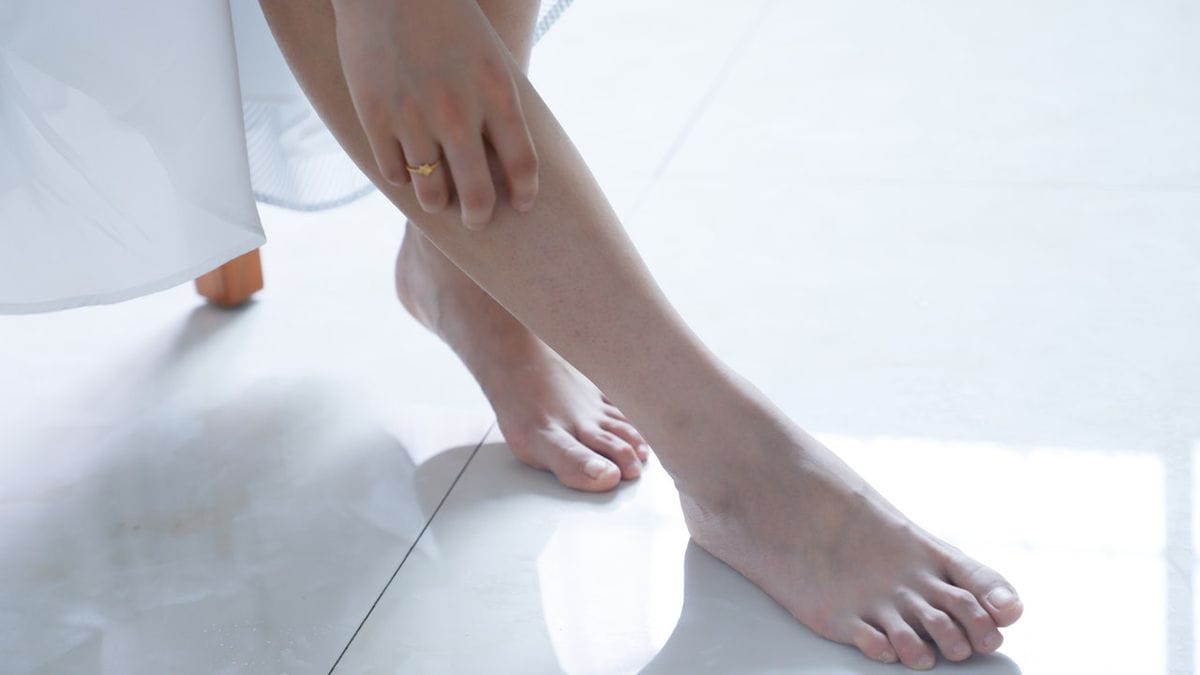
Ever felt like your feet morphed into two water balloons after a long day? Yeah, me too—way too many times.
Swollen feet (aka edema) can hit anyone: office warriors, gym junkies, new parents chasing toddlers… you name it.
But before you resign yourself to hobbling around in pain or doling out cash at the pharmacy, let me share some simple, budget-friendly home remedies for swollen feet that actually work.
Trust me, I’ve been there—puffy, achy, and ready to try anything short of standing on my head.

Why Do Feet Swell Anyway?
Ever wondered why your feet decide to throw a surprise party after you’ve been on them all day? Here’s the lowdown:
- Gravity’s Not Your Friend: When you stand or sit for long stretches, fluid pools down in your lower extremities.
- Heat & Humidity: Blame it on those scorching days when your body struggles to cool itself—fluid retention skyrockets.
- High Salt Intake: Too much sodium means your body clings to water like a toddler with candy.
- Hormonal Fluctuations: Pregnancy or your monthly cycle? Hello, bloat city.
- Medical Conditions: Diabetes, heart, kidney, or liver issues can also cause edema—so don’t ignore persistent swelling.
Got it? Awesome. Now, let’s dive into some actionable tips that’ll help you 👣 feel lighter and happier.
Elevate & Chill: The Foundation of Swelling Relief
The Magic of Elevation
Elevating your feet above heart level remains the OG remedy for swelling. Here’s how to do it right:
- Find a Cozy Spot: Lie on your back on the couch or floor.
- Prop ‘Em Up: Stack pillows under your calves so your feet sit comfortably above your heart.
- Take a Breather: Chill for 15–20 minutes, ideally 3–4 times a day.
Pro Tip: Pop on a lightweight blanket if you get chilly. No one wants to trade foot relief for goosebumps. 😉
Cold Therapy (But Not Arctic Tundra)
Cold compresses help constrict blood vessels and reduce fluid buildup:
- Ice Packs: Wrap an ice pack or a bag of frozen peas in a thin towel.
- Duration: Apply for 10–15 minutes, allow 10-minute breaks, then repeat if needed.
- Warning: Never place ice directly on skin—frostbite is not on your bingo card.
Soak It Up: Baths & Foot Soaks
Epsom Salt Bath: Grandma’s Secret Weapon
Epsom salt (magnesium sulfate) does wonders for aches and swelling:
- Fill a Basin: Warm water—just enough to cover your ankles.
- Stir in ½–1 cup of Epsom Salt: Watch it fizz (science!).
- Soak for 15–20 Minutes: Grab a book, scroll social media, or simply zone out.
- Pat Dry Gently: No vigorous rubbing—respect that skin.
FYI, IMO, this is my go-to after long flights. Instant relief and it feels so spa-like.
Vinegar Soaks: Tart but Effective
White or apple cider vinegar can help regulate pH and reduce swelling:
- Ratio: Mix 1 part vinegar to 2 parts warm water.
- Soak: 10–15 minutes, once or twice daily.
- Smell Alert: ACV aroma is… pungent. Open a window or light a candle if you’re sensitive.
Massage & Movement: Get That Fluid Flowing
Self-Massage Techniques
Light massage stimulates lymphatic drainage. Here’s a quick routine:
- Start at Ankles: Use gentle, circular strokes.
- Move Upward: Glide hands from your calves to knees—always towards the heart.
- Pressure Level: Enough to feel, but not so much it hurts.
Quick Q: Ever massaged your feet after a marathon? If you haven’t, you’re missing out on major bliss.
Simple Foot Exercises
Keeping your muscles active prevents fluid pooling:
- Ankle Pumps: Flex and point your toes—20 reps.
- Toe Raises: Stand or sit, lift toes while heels stay down—15 reps.
- Heel Lifts: Rise onto toes, lower back down—15 reps.
Do these 3–4 times daily, especially if your job chains you to a desk.
Dietary Tweaks: What You Eat Matters
Cut Down on Salt & Processed Foods
Sodium draws water into tissues. Reducing salt is straightforward:
- Cook at Home: You control the seasoning.
- Read Labels: Watch out for hidden sodium in sauces and snacks.
- Herb Spices: Swap salt for garlic, basil, or cumin to amp up flavor.
Hydrate Wisely
Sounds counterintuitive, but drinking water helps flush excess fluids:
- Aim for 8–10 Glasses a Day: More if you’re active or in the heat.
- Add Lemon or Cucumber: Flavor boost without sugar.
- Limit Caffeine & Alcohol: Both can dehydrate you, prompting your body to hold onto water.
Compression Socks & Gear
Why Compression Works
Compression stockings apply gentle pressure, preventing fluid from settling in your feet and ankles:
- Levels: Light (15–20 mmHg) for mild swelling; moderate (20–30 mmHg) for chronic cases.
- Fit: Snug but not painfully tight.
- Wear Time: During the day or when you’re on your feet.
Side Note: I used my grandma’s old pair once—turned out I’d outgrown her socks (lol). Lesson? Get properly sized ones.
Alternative Gear
- Ankle Braces: Provide extra support if you have instability.
- Elevating Foot Stool: Perfect for keeping feet up under your desk.
Herbal & Natural Remedies
Dandelion Tea: Nature’s Diuretic
Dandelion helps you pee out excess fluid—naturally:
- Brew: Steep 1 tsp dried leaves in hot water for 10 minutes.
- Drink: 1–2 cups daily, preferably in the morning.
Parsley & Celery Seed
Both contain compounds that promote fluid elimination:
- Parsley Water: Boil a handful of fresh parsley in water for 10 minutes; sip slowly.
- Celery Seed Capsules: Follow package instructions—convenient for busy bees.
Quick Anecdote: I tried parsley water before a big presentation once. I blamed the frequent bathroom breaks on nerves—no one suspected my herbal sidekick!
Lifestyle Habits to Keep Swelling at Bay
Avoid Prolonged Sitting or Standing
Mix it up:
- Desk Hacks: Stand up every 30 minutes.
- Walking Breaks: A 5-minute stroll works wonders.
- Alternate Positions: Try sitting cross-legged or kneeling occasionally (weird but effective).
Weight Management & Exercise
Extra pounds add pressure on veins, worsening edema:
- Regular Cardio: Swimming, cycling, or brisk walking are foot-friendly.
- Strength Training: Builds calf muscles, aiding fluid return.
- Balance & Stretch: Yoga or Pilates improve circulation and flexibility.

When to See a Doctor
Look, home remedies rock—but they’re not a substitute for professional care. See a healthcare provider if you notice:
- Severe, sudden swelling in one or both feet.
- Redness, warmth, or pain that worsens.
- Shortness of breath, chest pain, or dizziness.
- Persistent swelling that doesn’t respond to home treatments.
Ignoring these could turn a minor issue into a major headache.
Sample Daily Routine to Keep Feet Happy
Here’s a no-fail plan you can tweak to fit your schedule:
| Time of Day | Activity |
|---|---|
| Morning | • Glass of lemon water• 15-min foot exercises |
| Midday (Lunch Break) | • 5-min walk• Elevate feet for 10 min |
| Afternoon | • Dandelion tea or parsley water |
| Evening | • Epsom salt soak (15–20 min)• Self-massage |
| Before Bed | • Elevate feet in bed• Light ankle pumps |
Stick with this for a week—you’ll likely notice less puffiness and more pep in your step.
Frequently Asked Questions (FAQs)
Q1: How quickly will I see results from these home remedies?
You’ll often notice mild relief within a few hours of elevation and cold therapy. For more stubborn swelling, stick with your routine—consistency is key—and you should feel a real difference in 3–5 days.
Q2: Can I combine multiple remedies at once?
Absolutely! In fact, pairing elevation + Epsom salt soaks or compression socks + foot massage can speed up relief. Just listen to your body—if something feels off, dial back and adjust.
Q3: Are there any side effects to using Epsom salt or vinegar soaks?
Most people tolerate them well, but overdoing it (e.g., daily vinegar soaks) can dry out your skin. FYI, always pat your feet dry and moisturize afterwards to avoid itchiness or irritation.
Q4: Should pregnant women use these remedies?
In most cases, yes—elevation, gentle exercises, and hydration are safe and effective. However, if you experience severe or sudden swelling, check with your OB‑GYN to rule out conditions like preeclampsia.
Q5: Do compression socks really make a difference?
Yep! They apply targeted pressure that stops fluid from pooling, so you’ll feel snazzily supported and less puffy. Just get the right fit—too tight can backfire, too loose won’t help.
Q6: Can diet alone eliminate foot swelling?
Diet tweaks—like cutting salt and upping water intake—definitely help, but they work best in combo with movement and elevation. Think of food as one part of your overall anti‑swelling toolkit.
Q7: When should I see a doctor instead of relying on home remedies?
If swelling hits suddenly, hurts badly, is red or warm, or comes with shortness of breath, don’t DIY—seek medical attention ASAP. Better safe than sorry, right?
Conclusion: Your Feet, Your Rules
Look, dealing with swollen feet sucks, but you’ve got options that don’t require a PhD—or a second mortgage.
From elevation and cold therapy to diet tweaks and herbal remedies, these home remedies for swollen feet are friendly, wallet-safe, and often more effective than you’d expect.
So, what’s the first step? Kick off your shoes, grab a pillow, and elevate those puppies. Your feet will thank you—and you’ll wonder why you ever put up with the pain.
Ready to wave goodbye to puffy feet? Give these tips a whirl, and drop a comment to let me know which remedy became your new BFF. After all, sharing is caring—especially when it comes to happy, healthy feet! 😄
Disclaimer: This article is for informational purposes only and doesn’t replace professional medical advice. If you have underlying health issues, please consult your doctor.