
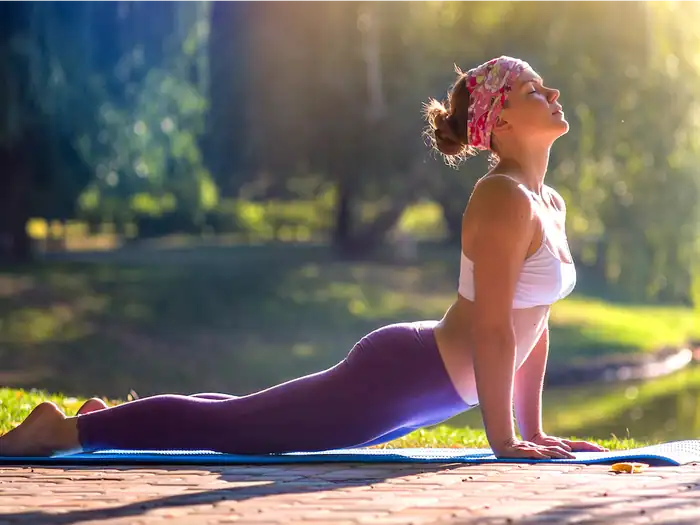
Hot yoga is more than just a workout—it’s a practice that connects you to your body, calms your mind, and strengthens your spirit. For curvy women, finding yoga poses that accommodate your body and build confidence can sometimes feel challenging. This guide is here to help you embrace your curves and celebrate your strength with 13 hot yoga poses designed to empower you in the heat of the practice.
Each pose has been carefully selected to work with your body’s natural shape, providing modifications and support where needed. So, roll out your mat, grab a towel, and let’s dive into a practice that’s built for you.
Pose 1: Goddess Pose (Utkata Konasana)
Description:
Goddess Pose is a powerful standing pose that opens the hips and strengthens the lower body. It invites you to feel grounded and confident, encouraging you to embrace your natural curves with every breath.
Benefits:
- Opens the hips and strengthens the inner thighs.
- Promotes balance and stability.
- Boosts self-confidence and empowerment.
Modification Tips:
- If balancing is a challenge, try using a wall for support.
- Keep your knees slightly bent and focus on engaging your core.

Pose 2: Yoga Squat (Malasana)
Description:
Yoga Squat is a deep squat that stretches the hips and lower back. This pose is excellent for releasing tension and creating space in the lower body, making it perfect for warming up before deeper stretches.
Benefits:
- Improves hip flexibility.
- Enhances digestion by gently massaging the internal organs.
- Strengthens the legs and glutes.
Modification Tips:
- If you feel pressure on your heels, place a folded blanket or a small block under them.
- Use your elbows to gently press your knees open if your hips feel tight.
Pose 3: Cobbler’s Pose (Baddha Konasana)
Description:
Cobbler’s Pose is a seated position that focuses on opening the groin and inner thighs. It’s a relaxing pose that also offers a deep stretch for your hips, making it a great addition to your cool-down routine.
Benefits:
- Increases hip flexibility.
- Helps alleviate menstrual discomfort.
- Calms the mind and encourages relaxation.
Modification Tips:
- Sit on a cushion or folded blanket to elevate your hips for a more comfortable stretch.
- Keep your spine long and relaxed, allowing your knees to gently drop toward the floor.
Pose 4: Happy Baby Pose (Ananda Balasana)
Description:
Happy Baby Pose is a fun, reclining position that opens the hips and stretches the lower back. This pose invites a sense of playfulness while releasing tension and improving flexibility in your lower body.
Benefits:
- Gently stretches the hips and lower back.
- Relieves lower back tension.
- Calms the nervous system, reducing stress.
Modification Tips:
- If reaching your feet is challenging, hold behind your thighs instead.
- Keep a gentle bend in your knees and focus on deep, slow breaths.
Pose 5: Five-Pointed Star Pose
Description:
The Five-Pointed Star Pose is a standing pose that encourages openness and balance. It’s a simple yet effective way to engage the entire body, stretching and strengthening your muscles simultaneously.
Benefits:
- Enhances overall body balance.
- Strengthens the legs and core.
- Improves posture by promoting an open chest.
Modification Tips:
- Keep a slight bend in your knees for added stability.
- Focus on reaching out with your arms and grounding through your feet.
Pose 6: Child’s Pose with Support
Description:
Child’s Pose is a restful position that stretches the back and hips, offering a gentle way to release tension. Adding support, such as a bolster or pillow, can make this pose more comfortable and accessible.
Benefits:
- Provides deep relaxation and gentle stretching.
- Relieves tension in the back and shoulders.
- Acts as a reset pose between more challenging asanas.
Modification Tips:
- Place a bolster or pillow under your chest to relieve any discomfort.
- Keep your arms extended or rest them alongside your body, depending on what feels best.

Pose 7: Elevated Downward Dog
Description:
Elevated Downward Dog is a modified version of the traditional pose that uses an elevated surface like a chair or countertop. This variation takes pressure off the wrists and shoulders while still delivering a great stretch to the hamstrings and calves.
Benefits:
- Stretches the entire back of the body.
- Strengthens the arms and shoulders.
- Reduces wrist strain compared to the classic version.
Modification Tips:
- Use a sturdy chair or countertop to support your hands.
- Focus on lengthening your spine and pressing your heels gently toward the ground.
Pose 8: Elevated Plank
Description:
The Elevated Plank is a core-strengthening pose performed with your hands on an elevated surface. It’s an excellent way to build upper body strength without putting too much strain on your wrists or lower back.
Benefits:
- Builds core stability and upper body strength.
- Engages the arms, shoulders, and legs.
- Encourages proper alignment and form.
Modification Tips:
- Ensure the elevated surface is stable to prevent any slipping.
- Keep your body in a straight line from head to heels, engaging your core throughout.
Pose 9: Low Lunge with Blocks
Description:
Low Lunge is a pose that deeply opens the hips and stretches the front thighs. Adding yoga blocks under your hands can make the pose more accessible, especially if you’re working on balance or flexibility.
Benefits:
- Opens the hips and stretches the quadriceps.
- Relieves tension in the hip flexors.
- Improves overall balance and coordination.
Modification Tips:
- Use yoga blocks under your hands to provide extra support.
- Keep your back straight and avoid leaning forward too much.
Pose 10: Seated Forward Fold with Wide Legs
Description:
This variation of Seated Forward Fold opens the hamstrings and lower back, offering a deeper stretch by widening the legs. It’s perfect for relieving tension and improving flexibility in the lower body.
Benefits:
- Stretches the hamstrings, calves, and lower back.
- Promotes relaxation and stress relief.
- Enhances blood circulation to the legs.
Modification Tips:
- Widen your legs to a comfortable distance to accommodate your torso.
- Use a yoga strap around your feet if reaching them is a challenge.
- Keep your spine elongated and avoid rounding your back.
Pose 11: Supported Bridge Pose
Description:
Supported Bridge Pose is a gentle backbend that opens the chest and strengthens the back. It’s a wonderful way to improve spinal flexibility and boost your posture, especially when you use a block for support.
Benefits:
- Opens the chest and strengthens the back muscles.
- Improves spinal flexibility.
- Provides a gentle massage to the abdominal organs.
Modification Tips:
- Place a yoga block or bolster under your sacrum for added support.
- Focus on lifting your hips slowly and keeping your knees aligned.
Pose 12: Cat-Cow Pose
Description:
Cat-Cow Pose is a dynamic movement that alternates between arching and rounding the back. It’s excellent for warming up the spine and creating a smooth, flowing movement that synchronizes with your breath.
Benefits:
- Increases spinal flexibility and mobility.
- Warms up the body, preparing it for deeper stretches.
- Helps relieve tension in the back and neck.
Modification Tips:
- Move slowly and focus on your breath, letting your spine move naturally.
- Use a mat or cushion under your knees if the floor feels too hard.
Pose 13: Savasana (Corpse Pose)
Description:
Savasana, or Corpse Pose, is the final relaxation position that allows your body to absorb the benefits of your practice. Lying flat on your back, you release all tension and invite deep relaxation.
Benefits:
- Promotes deep relaxation and stress relief.
- Allows the body to integrate the benefits of the yoga practice.
- Calms the mind and supports mental clarity.
Modification Tips:
- Use a folded blanket under your knees to relieve pressure on the lower back.
- Consider covering your body with a light blanket if the room is cool.
- Focus on your breathing and let go of any remaining tension.
Summary Table
Below is a table summarizing the key details for each pose:
| Pose | Key Benefits | Modification Tips |
|---|---|---|
| Goddess Pose | Hip opener, balance, empowerment | Use wall support; slight knee bend |
| Yoga Squat | Hip flexibility, leg strength, digestion boost | Place blanket under heels; press knees with elbows |
| Cobbler’s Pose | Groin stretch, hip flexibility, relaxation | Sit on cushion; keep spine long |
| Happy Baby Pose | Hip & lower back stretch, stress relief | Hold thighs if needed; gentle knee bend |
| Five-Pointed Star Pose | Overall balance, core strength, open chest | Keep slight knee bend; ground through feet |
| Child’s Pose with Support | Back and hip stretch, relaxation | Use bolster under chest; adjust arm placement |
| Elevated Downward Dog | Full body stretch, reduced wrist strain | Use a sturdy chair; lengthen spine |
| Elevated Plank | Core stability, upper body strength | Use stable surface; maintain straight alignment |
| Low Lunge with Blocks | Hip opener, quadriceps stretch, improved balance | Use yoga blocks; keep back straight |
| Seated Forward Fold (Wide Legs) | Hamstring and lower back stretch, relaxation | Widen legs; use strap; keep spine long |
| Supported Bridge Pose | Chest opener, back strength, spinal flexibility | Use block under sacrum; lift hips slowly |
| Cat-Cow Pose | Spinal mobility, warm-up, tension relief | Move slowly; use mat under knees if needed |
| Savasana | Deep relaxation, stress relief, mental clarity | Use blanket under knees; adjust for comfort |
Additional Helpful Details
Each of these poses is adaptable to your unique body shape. Here are some extra tips to ensure you get the most out of your practice:
- Warm Up First: Always begin your practice with a gentle warm-up to prepare your muscles and joints. Simple movements like neck rolls, shoulder shrugs, and gentle twists can make your transitions smoother.
- Hydrate and Cool Down: Hot yoga makes you sweat, so remember to hydrate well before, during, and after your session. A proper cool-down with light stretching or Savasana will help your body recover.
- Listen to Your Body: The most important part of any yoga practice is to honor what your body is telling you. If a pose feels uncomfortable, modify it, take a break, or skip it altogether. Yoga is a personal journey.
- Use Props Wisely: Props like blocks, bolsters, and blankets are not signs of weakness; they are tools to help you practice safely and effectively. Embrace these aids to find the best version of each pose for your body.
- Focus on Breath: Deep, controlled breathing enhances the benefits of each pose. Inhale deeply to energize and exhale slowly to release tension. Let your breath guide you through every movement.
- Practice Regularly: Consistency is key. Even if your sessions are short, regular practice will lead to improvements in flexibility, strength, and overall well-being.
By following these tips and modifications, you can create a personalized hot yoga routine that empowers your body and mind. Embrace the heat, challenge yourself, and enjoy the journey to a healthier, more confident you.
FAQs
Q1: Is hot yoga safe for beginners?
A: Yes, hot yoga can be safe for beginners. Start slowly, stay hydrated, and use modifications or props to ease into the practice.
Q2: How often should I practice these poses?
A: Aim for 3-4 sessions per week to gradually build strength and flexibility. Always listen to your body and rest as needed.
Q3: What should I do if a pose feels too challenging?
A: Modify the pose using props like blocks or blankets, and focus on slow, controlled movements. It’s okay to take breaks and adjust to your comfort level.
Q4: Can hot yoga help with weight loss?
A: Hot yoga can support weight loss by boosting metabolism, increasing heart rate, and improving overall strength. However, consistency and a balanced lifestyle are key.
Q5: Do I need special clothing for hot yoga?
A: Wear moisture-wicking, breathable clothing that allows for full range of movement. Light, flexible fabrics are best to keep you comfortable in the heat.
Conclusion
Hot yoga is a powerful practice that can help you feel strong, flexible, and confident in your own skin. These 13 poses are designed to meet the needs of curvy women, with modifications and tips to make every movement accessible and effective. Whether you’re aiming to improve flexibility, boost strength, or simply find a moment of calm in a busy day, this guide offers a welcoming, supportive approach to your yoga journey. Enjoy the heat, trust your body, and embrace every curve with a smile.
Take your time, be patient with yourself, and remember that every practice is a step toward a healthier, happier you. Happy practicing!
