
The first time a blood sugar reading startled me, I realized how quickly a simple drink could become a serious choice.
I still wanted something fresh and comforting, but I needed every sip to feel gentle on my body, and that changed the way I looked at juicing forever.
Disclaimer: This article is for general wellness education and does not replace medical advice. Anyone with diabetes should check with a healthcare professional before making major changes to juice, diet, medication, or blood sugar management.

Can Juice Really Help With Blood Sugar?
Juice is not a magic fix, and it cannot replace medication, meal planning, movement, or good sleep. The right kind of juice, however, can support hydration, provide micronutrients, and fit into a blood-sugar-friendly routine when it is built with low-sugar ingredients and sensible portions.
The biggest mistake is treating juice like a free pass because it looks healthy. When fruit is overused and fiber is removed, blood sugar can rise faster than many people expect, which is why vegetable-forward recipes are the better path.
What Makes A Juice More Diabetic-Friendly?
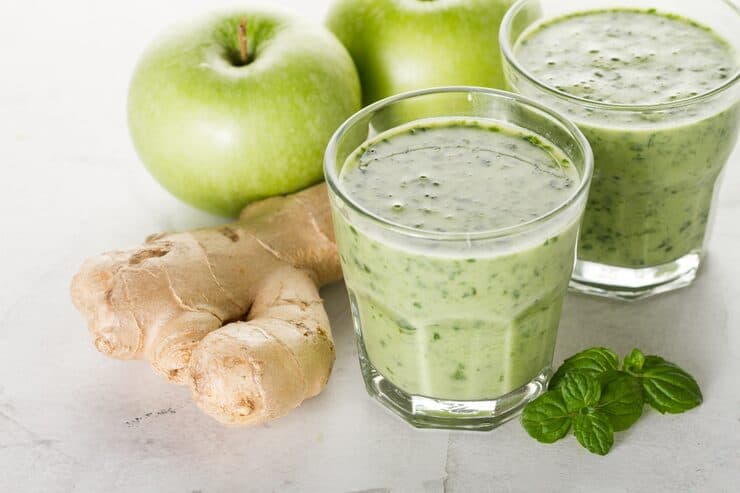
A better juice starts with ingredients that are naturally lower in sugar and higher in water content. Cucumber, celery, spinach, lemon, ginger, parsley, and a small amount of green apple are all common choices because they add flavor without turning the drink into dessert.
Portion size matters just as much as ingredients. A small glass is usually easier to manage than a giant tumbler, and pairing juice with protein or healthy fat can help slow the rise in glucose after drinking.
Ingredient Guide For Blood-Sugar-Smart Juicing
These are the ingredients I reach for when I want something fresh without making it overly sweet. Each one brings flavor, hydration, or a little balance that helps the drink feel satisfying instead of sugary.
| Ingredient | Why It Helps | Best Use |
|---|---|---|
| Cucumber | Very hydrating and light | Base for most juices |
| Celery | Crisp flavor, low sugar | Adds volume and freshness |
| Spinach | Mild taste, nutrient dense | Blends well with citrus |
| Kale | Bitter, earthy, hearty | Good for stronger green juices |
| Lemon | Brightens flavor without much sugar | Use for balance |
| Lime | Sharp and refreshing | Great with cucumber |
| Ginger | Adds warmth and bite | Useful in small amounts |
| Parsley | Fresh and clean tasting | Helps soften veggie flavors |
| Mint | Cooling and bright | Makes juice feel lighter |
| Green Apple | Slight sweetness in small amounts | Use sparingly |
The goal is not to create the sweetest juice in the kitchen. The goal is to make something clean, balanced, and easy to drink without overloading your system with sugar.
Recipe 1: Green Balance Juice
This is the kind of juice that tastes fresh enough to wake up your senses, but not so sweet that it feels risky. It works well for someone who wants a gentle starting point and does not want a heavy fruit taste.
Ingredients
| Ingredient | Amount |
|---|---|
| Cucumber | 1 large |
| Celery stalks | 4 |
| Spinach | 2 packed cups |
| Lemon | 1, peeled |
| Ginger | 1 small piece |
| Water | 1/2 cup, if blending |
Nutrition Facts Per Serving
| Nutrient | Estimated Amount |
|---|---|
| Calories | 45 |
| Carbohydrates | 9 g |
| Fiber | 2 g if blended |
| Sugars | 4 g |
| Protein | 2 g |
How To Make It
Wash everything well and chop it into pieces that fit your juicer or blender. If you blend instead of juice, strain only lightly or leave it unstrained for more fiber.
Pour into a glass and sip slowly instead of drinking it all at once. That small habit can make a big difference in how your body handles the drink.
Why It Works
This juice leans on cucumber, celery, and spinach, which keeps the sugar level lower than fruit-heavy blends. Lemon and ginger add personality, so you do not miss the sweetness as much.
Recipe 2: Cucumber Mint Refresher
This one feels like a cool breeze in a glass, especially on a hot day. It is simple, clean, and easy to pair with a meal that already contains protein.
Ingredients
| Ingredient | Amount |
|---|---|
| Cucumber | 1 large |
| Mint leaves | 10 to 12 |
| Lime | 1, peeled |
| Celery | 2 stalks |
| Green apple | 1/4 apple |
| Ice | Optional |
Nutrition Facts Per Serving
| Nutrient | Estimated Amount |
|---|---|
| Calories | 38 |
| Carbohydrates | 8 g |
| Fiber | 1 to 2 g if blended |
| Sugars | 5 g |
| Protein | 1 g |
How To Make It
Juice the cucumber, celery, lime, mint, and apple together. If you are using a blender, blend with a small splash of water and strain only if you want a smoother texture.
Serve it cold and drink it with a meal instead of on an empty stomach. That small choice may help the body handle it more gently.
Why It Works
Mint and lime add a lot of flavor with very little sugar. The tiny amount of green apple gives it enough sweetness to feel friendly without making it fruit-dominant.
Recipe 3: Ginger Greens Juice
This is the recipe for days when the body feels sluggish and the mind wants something sharp and clean. The ginger gives it a little attitude, and the greens keep it grounded.
Ingredients
| Ingredient | Amount |
|---|---|
| Kale | 2 cups |
| Cucumber | 1 large |
| Lemon | 1 |
| Ginger | 1 to 2 inches |
| Parsley | 1 small handful |
| Celery | 3 stalks |
Nutrition Facts Per Serving
| Nutrient | Estimated Amount |
|---|---|
| Calories | 50 |
| Carbohydrates | 10 g |
| Fiber | 2 g if blended |
| Sugars | 4 g |
| Protein | 2 g |
How To Make It
Feed the ingredients through a juicer in the order they fit best, or blend them with a little water for a more filling version. Taste it before serving because ginger can become strong very quickly.
Add more cucumber if you want it lighter and more hydrating. Add a bit more lemon if you want the flavor to wake up faster.
Why It Works
Kale and parsley make this juice feel more like nourishment than dessert. Ginger can also make the drink feel more satisfying, which may help some people stop at a smaller portion.

Recipe 4: Celery Citrus Cooler
This recipe tastes bright without leaning too sweet, which makes it a good middle ground for people who are still learning what works for them. It has a clean finish and a refreshing bite that feels easy on the palate.
Ingredients
| Ingredient | Amount |
|---|---|
| Celery | 5 stalks |
| Cucumber | 1 medium |
| Lemon | 1 |
| Lime | 1/2 to 1 |
| Fresh parsley | 1 handful |
| Water | 1/4 cup if blending |
Nutrition Facts Per Serving
| Nutrient | Estimated Amount |
|---|---|
| Calories | 35 |
| Carbohydrates | 7 g |
| Fiber | 1 to 2 g if blended |
| Sugars | 3 g |
| Protein | 1 g |
How To Make It
Wash the produce and juice or blend everything together until smooth. If the citrus feels too strong, add a little more cucumber to soften the flavor.
Drink it as a small snack or alongside a balanced breakfast. That pairing can help it feel more stable than drinking it alone.
Why It Works
Celery and cucumber give volume without pushing sugar levels too high. Lemon and lime make the drink taste lively, so it still feels like a treat.
Recipe 5: Green Apple Recovery Juice
This is the one for people who want a hint of sweetness without going overboard. It tastes friendlier than a fully savory juice, but it still keeps fruit under control.
Ingredients
| Ingredient | Amount |
|---|---|
| Cucumber | 1 large |
| Spinach | 2 cups |
| Celery | 3 stalks |
| Green apple | 1/2 small |
| Lemon | 1/2 to 1 |
| Ginger | Small piece |
Nutrition Facts Per Serving
| Nutrient | Estimated Amount |
|---|---|
| Calories | 55 |
| Carbohydrates | 12 g |
| Fiber | 2 g if blended |
| Sugars | 7 g |
| Protein | 2 g |
How To Make It
Juice the vegetables first and add the apple last so the sweetness stays subtle. If you use a blender, keep the texture slightly thicker so it feels more like a nourishing drink than a quick sugar hit.
Sip slowly and pay attention to how your body responds afterward. That habit teaches you more than any label ever could.
Why It Works
A small amount of green apple can make juice easier to enjoy for someone who is used to sweeter drinks. The vegetables still lead the recipe, which keeps the overall profile more blood-sugar-aware.
Smart Rules For Juicing When You Have Diabetes
These are the rules that keep juice from becoming a problem. They are simple, but simple rules are often the ones that save the day.
- Keep fruit portions small.
- Use mostly vegetables.
- Drink a smaller serving.
- Pair juice with protein or fat.
- Watch your glucose response.
- Choose blended drinks when possible.
- Avoid adding honey, syrup, or sweeteners.
The more often you follow these basics, the easier it becomes to enjoy juice without turning it into a blood sugar gamble. That balance is the whole point.
Juice Versus Smoothie
Juice and smoothie are not the same thing, even when they share many ingredients. Juice removes most of the fiber, while a smoothie keeps it, and that fiber can help slow digestion.
For many people with diabetes, smoothies are the safer everyday choice because they are more filling and less likely to cause a quick spike. Juice can still fit in, but it usually works best as a small, thoughtful option rather than a large habit.
Best Times To Drink Juice
Timing can make a bigger difference than people think. Drinking juice with a meal or right after one is often easier to manage than drinking it on an empty stomach.
A small glass after a balanced breakfast may feel gentler than one first thing in the morning. The body is already working with protein, fat, and fiber from the meal, which can help soften the impact.
What To Pair With Juice
Juice becomes more manageable when it is not sitting alone. Pairing it with food can make the whole experience calmer and more balanced.
- Boiled eggs
- Greek yogurt without added sugar
- Nuts or seeds
- Whole-grain toast with nut butter
- Cottage cheese
- Hummus and vegetables
These pairings help turn juice from a quick sugar moment into part of a real snack or meal. That shift matters more than most people realize.
Mistakes To Avoid
A lot of people are not struggling because of the ingredients, but because of the habits around them. The wrong portion, the wrong fruit load, or the wrong timing can take a healthy idea and make it backfire.
- Using too much pineapple or mango
- Adding sweetened protein powders
- Drinking large servings too fast
- Skipping meals and using juice as a substitute
- Assuming “natural sugar” cannot raise glucose
The body does not care whether the sugar came from a candy bar or a fruit-heavy juice. It cares about how fast it arrives and how much of it shows up.
How To Make Juice Taste Better Without Adding Sugar
This is the part people usually worry about the most. They want the drink to taste good, but they do not want it to become a sugar bomb.
A little lemon, lime, mint, or ginger can change the flavor enough to make the juice exciting. A tiny amount of green apple can also help, but the trick is to use it as support, not as the main event.
A Simple 3-Day Juice Rhythm
This is not a cleanse and it is not a cure. It is just a gentle rhythm that helps you test what your body likes without turning the process into chaos.
Day 1
Choose one green-forward juice and keep the serving small. Eat it with a protein-rich breakfast and check how you feel afterward.
Day 2
Try a different recipe with similar ingredients but a slightly different flavor. Notice whether citrus, mint, or ginger feels best for your body.
Day 3
Repeat the recipe that felt easiest to tolerate. That is often the one your body is quietly telling you to keep.
Quick Blood Sugar-Friendly Juice Tips
These tips sound small, but they add up fast. The more of them you use, the more likely your juice will behave like a helpful habit instead of a risky one.
- Start with vegetables first.
- Keep fruit to a small fraction of the recipe.
- Use fresh lemon or lime for brightness.
- Drink slowly.
- Check your glucose response when trying a new recipe.
- Choose fiber-rich blended versions when possible.
- Keep portions modest.
The best juice is not the sweetest one. It is the one that tastes good, feels light, and does not leave you dealing with regret an hour later.
Frequently Asked Questions
Can Juicing Lower Blood Sugar Fast?
Juicing is not a fast blood sugar treatment, and it should never be treated like one. Some recipes may fit into a diabetes-friendly routine, but blood sugar management depends on the full picture of food, movement, medication, stress, and sleep.
Is Fruit Juice Safe For Diabetics?
Fruit juice can be hard to manage because it often contains concentrated sugar and very little fiber. A small amount of fruit inside a vegetable-based recipe is usually a smarter approach than drinking pure fruit juice.
Are Green Juices Better Than Fruit Juices?
Green juices are usually easier to work into a blood-sugar-conscious plan because they rely more on low-sugar vegetables. They still need portion control, but they are generally more flexible than sweet fruit-heavy drinks.
Should I Juice Or Blend?
Blending often keeps more fiber, which is helpful for blood sugar control. Juicing can still work in small amounts, but blending is usually the gentler everyday option.
How Often Can I Drink These Juices?
That depends on your glucose response, your meals, and the advice of your healthcare team. Many people do better with occasional small servings rather than large daily glasses.
Final Thoughts
Juicing for diabetes is not about chasing a miracle in a glass. It is about making a smarter choice that respects the body instead of fighting it.
When the ingredients are mostly vegetables, the fruit stays small, and the portion stays modest, juice can feel refreshing without becoming reckless. That is the sweet spot, and it is usually where the best habits begin.