
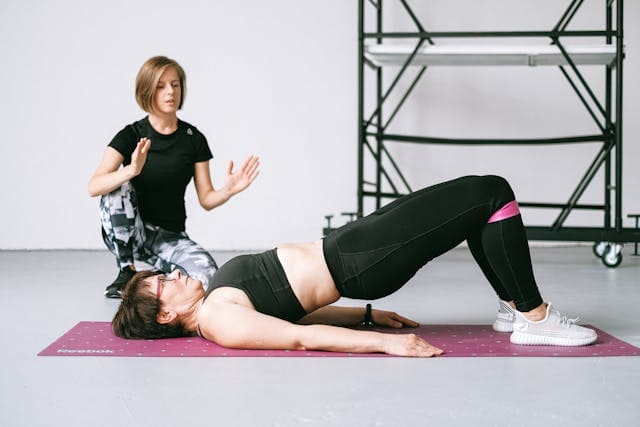
Have you ever had one of those “is this happening to me… or do I need to stop sneezing?” moments? Welcome to the club. Pelvic floor issues — the little annoyances and the loud, life-changing ones — are more common than we whisper to each other.
The great news: Kegel exercises are a quiet, portable, and no-equipment way to strengthen your pelvic floor muscles, often improving symptoms such as leaking, urgency, and certain sexual concerns.
Think of Kegels as the gym for the muscles that keep the plumbing in order. You can do them sitting in traffic, during Zoom calls, or while pretending to listen to a friend’s drama.

What Are Kegel Exercises?
Kegels are targeted squeezes of the pelvic floor muscles — the hammock of muscles that sit under your pelvis and support your bladder, uterus, and rectum.
When you contract and then relax those muscles regularly, you build strength and control. It’s like training a tiny, very important muscle group that most of us don’t think about until it starts misbehaving.
Why Pelvic Floor Strength Matters
Okay — picture your pelvic floor as a supportive sling: when it’s strong, your organs stay supported, you sneeze without drama, and things generally behave downstairs.
When it’s weak (pregnancy, childbirth, aging, heavy lifting, chronic constipation, or genetics can help with this), you might notice:
- Small leaks when you cough, laugh, or jump.
- A sudden, strong urge to pee and racing to the loo.
- Heavier feelings or pressure in the pelvis (sometimes a sign of prolapse).
- Pain or discomfort during sex or difficulty achieving pelvic control.
Strengthening the pelvic floor with Kegels often helps reduce urine leakage, improve recovery after childbirth, and support pelvic organ health. It can also improve — for some people — sexual sensation because that muscle group contributes to contraction and awareness.
Who Should Do Kegels?
Short answer: Many of us.
Slightly longer: Kegels are commonly recommended for:
- Women with stress urinary incontinence (leak when you cough/laugh).
- Women with mild pelvic organ prolapse or pelvic heaviness who have been advised to try conservative therapy.
- Pregnant and postpartum women (with medical clearance), to support recovery.
- Anyone wanting better pelvic awareness and control.
BUT — and this is a big but — Kegels aren’t automatically right for everyone. If your pelvic floor is overactive (tight, painful, with trouble relaxing), pushing into more squeezes can make things worse. If you have pelvic pain, pain with intercourse, or difficulty relaxing those muscles, check with a pelvic-health clinician first.
How To Find The Right Muscles (Without Losing Your Mind)
Finding your pelvic floor is the trickiest part because they don’t show up on selfies. Try one of these safe ways:
- The “Stop the Stream” Test (Only As a Finder, Not A Regular Move):
While peeing, try to stop the flow mid-stream. The muscles you use are your pelvic floor. Don’t make a habit of stopping urine routinely — it’s just a way to identify the muscles. - The Finger Test (If Comfortable):
Wash hands. Gently insert one finger into the vagina. Squeeze as if you’re stopping the flow of urine or preventing a little gas. You should feel a squeeze against your finger. That’s the pelvic floor contracting. - The “Pretend You’re Holding In Gas” Cue:
If you prefer imagery, imagine you’re holding in gas or closing the openings of the vagina and anus. The inward lift and squeeze you feel = pelvic floor.
If you can’t feel anything, don’t panic. Many people need guidance from a pelvic-health physio or specialist who can use internal palpation, biofeedback, or ultrasound to teach activation.

Step-By-Step Kegel Technique
Let’s make this practical — step-by-step and low on weirdness.
- Get Comfortable: Sit, stand, or lie down. Beginners often like lying down.
- Breathe: Inhale normally. Don’t hold your breath.
- Find the Muscles: Use one of the identification methods above.
- Squeeze And Lift: Imagine you’re trying to stop the flow of urine and hold for a count (start with 3 seconds). You should feel an inward lift.
- Release Fully: Let the muscle relax completely for the same amount of time. Relaxation is as important as contraction.
- Repeat: Do 8–12 squeezes per set. Try 2–3 sets per day to start. Gradually increase hold time toward 10 seconds as strength improves.
Common Mistakes (And How To Stop Doing Them)
- Holding Your Breath: Breath is your friend. Breathe normally during contractions.
- Squeezing Buttocks/Thighs/Abs Instead: If your glutes or belly are doing the work, you’re not isolating the pelvic floor. Keep the rest of your body relaxed.
- Doing Kegels Only When You Leak: Start before symptoms are severe. Prevention > panic repairs.
- Overtraining: Just like any muscle, your pelvic floor needs rest and recovery. Don’t do 500 tiny squeezes and expect magic. Quality beats quantity.
- Forgetting To Relax: If your pelvic floor can’t relax, it can cause pain and constipation. Pair strengthening with relaxation work.
Types Of Kegel Contractions
| Type | What It Feels Like | How To Do It | When To Use |
|---|---|---|---|
| Slow Holds | A sustained, gentle inward lift | Squeeze and hold for 5–10 seconds, then fully relax same time | Build endurance for stress incontinence prevention |
| Quick Flicks | Short, sharp squeezes | Squeeze fast for 1 second, relax for 1 second; repeat 10–20x | Reactivity for sudden cough/sneeze; quick control |
| Elevator Reps | Gradual lift to several levels | Lift a little, pause, lift more, then release floor by floor | Muscle coordination and awareness |
| Functional Holds | Use during real-life tasks | Squeeze before lifting, coughing, or sneezing | Protects against leakage during exertion |
(Use a mix — variety = better strength and practicality.)
Sample Kegel Programs
| Level | Frequency | Example Session |
|---|---|---|
| Beginner | 2 sets/day | 8 slow holds (3s hold, 3s relax) + 10 quick flicks |
| Intermediate | 2–3 sets/day | 10 slow holds (5–8s) + 20 quick flicks + 3 elevator reps |
| Advanced | 3 sets/day | 10 slow holds (8–10s) + 30 quick flicks + functional holds during daily tasks |
Progress slowly. Increase hold time by ~1 second per week until you reach 10-second holds if that’s comfortable.
Tips For Better Results (Because We Like Practical Hacks)
- Pick Two Daily Reminders: Brushing teeth + morning coffee = two perfect cues to do a set. Habit stacking, baby.
- Quality Over Quantity: It’s better to do 10 perfect squeezes than 100 sloppy ones. Feel the lift. Feel the release.
- Work On Relaxation Too: Try breathing into the belly and letting the pelvic floor soften on the exhale occasionally. An overactive pelvic floor needs relaxation training.
- Combine With Whole-Body Moves: Bridges, squats, and hip-hinges with pelvic floor awareness can be useful — but only if you can isolate the pelvic floor first.
- Use Simple Biofeedback If Stuck: Pelvic floor clinics often use biofeedback or internal exams to show you what’s happening — super helpful if you can’t feel contractions.
How Long Until You See Results?
Patience alert: pelvic floor muscles are not Instagram muscles — they respond slowly. For many people, improvements in leakage or control can be seen in 6 to 12 weeks of consistent practice.
Some people feel changes sooner; others take longer. The key is consistent, correct practice and occasionally checking technique.
When Kegels Aren’t Working (And What To Do)
If you’ve done 3 months of correct, consistent Kegels and see no improvement — or if symptoms are getting worse — get evaluated. Reasons Kegels may not work:
- You’re not activating the correct muscles.
- Your pelvic floor is too tight (so more squeezes are harmful).
- There’s significant pelvic organ prolapse or other pelvic pathology requiring a different approach.
- You need a structured pelvic-health physiotherapy program or devices for additional help.
A pelvic floor physiotherapist can assess muscle strength, coordination, and relaxation, and give a tailored program — often way more effective than guessing online.
Devices, Weights, And Apps — Helpful Or Hype?
Short version: Tools can help if used properly, but they aren’t magic.
- Biofeedback Devices: Can show you if you’re activating correctly — often used in clinics. Helpful for people who can’t feel or coordinate contractions.
- Vaginal Weights (Ben Wa/Kegel Balls): Some people find them useful for resistance training, but they require correct technique and are not for everyone.
- Apps & Timers: Good for reminders and structure. Don’t substitute for a proper technique check.
- Electrical Stimulation: Sometimes used in clinics for people who cannot voluntarily contract pelvic floor muscles. Should be done under professional guidance.
If you try a device, pair it with professional advice at least once to ensure safe, effective use.
Pelvic Floor And Pregnancy/Postpartum — What You Need To Know
Pregnancy and childbirth are huge factors for the pelvic floor — no surprise there. Doing pelvic floor exercises during pregnancy (with your care provider’s go-ahead) can:
- Improve bladder control during and after pregnancy.
- Help with recovery after vaginal delivery.
- Give you better control during pushing (for some people).
Postpartum, start gently and increase as comfort and medical guidance allow. A pelvic-health physio can be gold in the months after birth to help with healing, pelvic pain, and safe re-training.
Always check with your OB/midwife before beginning any new exercise program in pregnancy or immediately postpartum.
Red Flags — When To See A Health Professional (Like Yesterday)
- Sudden, large increases in pelvic pressure or bulge (possible prolapse).
- New severe pelvic pain or pain with intercourse.
- Continual inability to urinate or pass stool.
- No improvement after 8–12 weeks of correct, consistent training.
- Symptoms that limit daily life (sneezing sends you to the loo three times?)
Don’t tough it out in silence. A pelvic-health clinician, urogynecologist, or pelvic floor physiotherapist can run tests and design a program — often life-changing.
Frequently Asked Questions (FAQs)
Q: Will Kegels Make Prolapse Worse?
A: Not if done correctly. In many cases, pelvic floor training helps reduce symptoms and supports the pelvic organs. However, if you have a large prolapse or an overactive (tight) pelvic floor, the type of exercise matters. Always get a professional assessment for a significant prolapse.
Q: How Many Kegels Should I Do Every Day?
A: Aim for 2–3 sets per day of 8–12 focused squeezes to start. Progress by increasing hold time or reps as strength improves. Quality > quantity.
Q: Can Kegels Help Sex?
A: For many people, yes — stronger pelvic floor muscles can increase awareness, sensation, and the ability to contract. But if pelvic pain or tightness is present, Kegels without relaxation work can make sex more uncomfortable. Balance is everything.
Q: Are Kegels Safe During Pregnancy?
A: Generally yes, and often recommended — but always check with your care provider first. Don’t start aggressive programs without medical clearance in pregnancy.
Q: I Feel Tightness All The Time. Should I Still Do Kegels?
A: Probably not without assessment. Tight, overactive pelvic floor muscles often need relaxation techniques, manual therapy, and guided biofeedback rather than more contraction. See a pelvic floor specialist.
Quick Reference
- Find the right muscles first (stop-stream or finger test).
- Breathe normally — don’t hold your breath.
- Do 2–3 sets/day of 8–12 quality squeezes to start.
- Mix slow holds + quick flicks + functional holds.
- Relaxation matters — if your pelvic floor is tight, seek help.
- Expect 6–12 weeks before meaningful improvement for many people.
Short Checklist To Self-Assess Technique
- Do you feel an inward lift (not a bear hug from your abs)? ✔️
- Can you relax fully between reps? ✔️
- Is your breathing normal? ✔️
- Are your glutes, inner thighs, or belly not doing the work? ✔️
If you answer “no” to any, consider a professional check-in.
Practical Day-By-Day Micro Plan (7-Day Starter)
- Day 1: Find muscles. 2 sets: 8 x 3s holds + 10 quick flicks.
- Day 2: Same. Add one short bridge while engaging the pelvic floor lightly.
- Day 3: 2 sets: 10 x 4s holds + 15 quick flicks.
- Day 4: 2 sets, add elevator reps (3 reps).
- Day 5: 2–3 sets: 10 x 5s holds + 20 quick flicks.
- Day 6: Recovery day with gentle relaxation breathing and pelvic floor stretches.
- Day 7: Test: 12 x 5–8s holds + 30 quick flicks. Note how you feel. Increase slowly next week.
Track progress in a small journal — wins and weird sensations are both data.
Real Talk — The Emotional Side
We’ve joked about sneezes and Zoom calls, but pelvic floor issues carry real shame, self-consciousness, and avoidance (of exercise, intimacy, or travel). Kegels are part of the toolkit, but they aren’t a fix for the emotional fallout.
Find a trusted friend, join a supportive group, or talk to a counselor if the stress is heavy. We do better when we’re not carrying pelvic issues plus shame about them.
When A Specialist Helps More Than Google
Pelvic floor physiotherapists are basically the special forces for this region — they use internal assessment, biofeedback, electrical stimulation (if needed), manual therapy for tightness, and tailor-made exercise plans. If you’re stuck, don’t treat that as failure. Treat it as “time to call the pros.”
Myths And Short Answers
- Myth: Kegels cure every bladder problem.
Reality: Kegels help many types of leakage, especially stress incontinence. Other conditions need different treatments. - Myth: You should do Kegels forever for life.
Reality: Ongoing maintenance is useful, but the dose and type may change across life stages. - Myth: More Kegels = better.
Reality: Overtraining and poor technique can hurt. Quality over quantity.
Keys Takeaway
- Kegels Work — When Done Right. They strengthen the pelvic floor, reduce many kinds of leakage, and support pelvic health.
- Find The Muscles First. Technique beats grind. Use simple tests or get a clinician to show you.
- Balance Strength With Relaxation. A healthy pelvic floor both contracts and relaxes. If you can’t relax, stop and seek help.
- Be Patient And Consistent. Expect weeks for change. Track progress and adjust.
- Get Professional Help If Symptoms Persist. Pelvic-health physiotherapists and urogynecologists are specialists for a reason. Don’t guess for months.
Final Note (Because You Deserve a Pep Talk)
You didn’t do anything wrong. Pelvic floor changes happen for a dozen reasons — pregnancy, aging, heavy lifting, genetics, that time you coughed for three months straight.
Kegels are one of the simplest tools we have: they’re private, portable, and effective for many people. Start gently, focus on feeling the lift and release, and be kind to yourself in the process.