
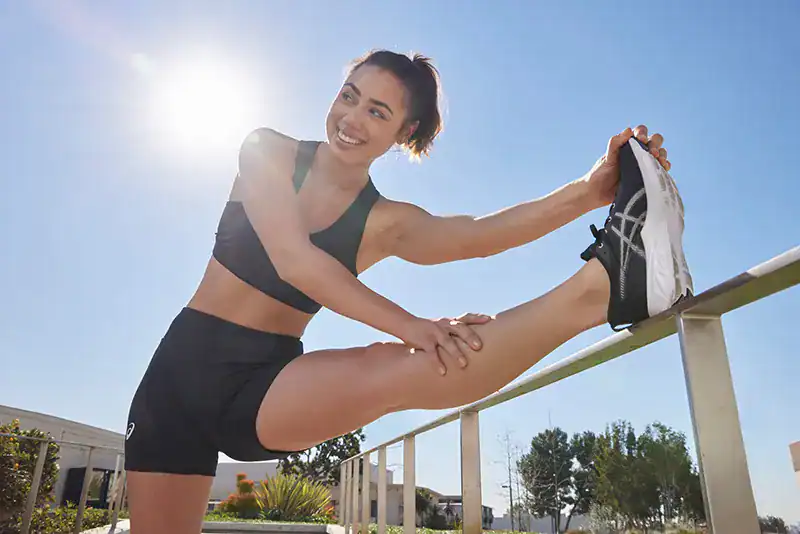
Knees are the unsung heroes of our bodies, silently supporting us through every step, squat, and sprint.
Whether you’re an avid runner, a gym enthusiast, or simply someone looking to improve everyday mobility, strengthening your knees is vital for maintaining an active, pain-free lifestyle.
However, effective knee strengthening is not just about performing exercises—it’s equally about taking the right precautions to prevent injuries.
This article shares ten essential knee-strengthening secrets and the precautions you must follow.
1. Warm-Up Wonders: Prepare Your Knees for Action
A proper warm-up is the cornerstone of any effective exercise routine, especially regarding knee health.
Spending 5–10 minutes engaging in low-impact activities like brisk walking, cycling, or dynamic stretching elevates your heart rate, increases blood flow to the muscles, and gradually prepares your joints for more strenuous activity.
By warming up, you help lubricate your knee joints, making them less prone to injuries such as strains or sprains. Research shows that a consistent warm-up routine can reduce muscle stiffness and enhance performance.
Precautions:
Skipping your warm-up can leave your muscles and joints cold, significantly increasing the risk of injury. Avoid static stretching before your workout; instead, opt for dynamic stretches like leg swings or high knees, which mimic the movement patterns you’ll be performing.
Gradually increase the intensity of your warm-up instead of jumping straight into high-intensity exercises. This gentle build-up protects your knees and enhances your overall exercise performance.
Table: Warm-Up Routine Example
| Activity | Duration | Benefit |
|---|---|---|
| Brisk Walking | 5 minutes | Increases heart rate, blood flow |
| Leg Swings (front-to-back and side-to-side) | 2 minutes for each leg | Activates hip and knee muscles |
| High Knee March | 2 minutes | Enhances dynamic mobility |

2. Start Slow & Steady: Gradual Progress is Key
Building knee strength is a marathon, not a sprint. When beginning any new exercise regimen, especially those targeting the knees, it’s crucial to start slowly and gradually increase the intensity and volume of your workouts.
Begin with low resistance, using bodyweight exercises or light weights, and progressively add more challenge as your muscles become stronger and more accustomed to the movement patterns.
This gradual progression helps prevent overuse injuries and gives your connective tissues, ligaments, and tendons the time they need to adapt to increased loads.
Precautions:
Avoid the temptation to rush the process. Overloading your knees too soon or increasing intensity too rapidly can lead to muscle strains, ligament sprains, and even chronic joint issues.
Listen to your body; reduce the intensity or take a short break if you experience sharp pain or excessive discomfort. Incorporate rest days into your routine to allow for recovery and muscle rebuilding.
Consistency is key—steady, incremental progress builds long-lasting strength and resilience without putting undue stress on your knee joints.
Remember, a slow and steady approach is safer and more sustainable in the long run. Over time, you’ll notice improvements in your knee stability, range of motion, and overall lower body strength.
3. Master Your Form: Technique Over Speed
Proper exercise form is non-negotiable when it comes to protecting your knees. Whether you’re performing squats, lunges, or leg extensions, focusing on technique rather than speed or weight can significantly prevent knee injuries.
For instance, during squats, ensure that your knees do not extend beyond your toes and that your weight is evenly distributed across your feet.
Maintaining proper alignment helps ensure that the forces exerted during the movement are absorbed by the correct muscles and not by the joints.
Precautions:
Poor technique can lead to excessive stress on the knee joint, potentially causing pain, inflammation, or even more severe injuries like cartilage damage.
Always take the time to learn and practice proper form before increasing weight or intensity. Consider working with a qualified trainer or physical therapist who can provide personalized feedback and corrections.
Additionally, avoid using momentum to complete exercises; instead, focus on controlled, deliberate movements. This controlled approach maximizes muscle engagement and minimizes the risk of injury.
A helpful tip is to use mirrors or record your exercise sessions to self-assess your form. Ensuring correct alignment and controlled movement is the best investment you can make in your long-term knee health.
4. Strengthen Surrounding Muscles: Balance is Everything
Your knee joint doesn’t work in isolation—it’s supported by a network of muscles, including the quadriceps, hamstrings, glutes, and calves.
Strengthening these surrounding muscles provides extra stability and reduces the burden on your knees during movement.
For example, strong quadriceps help to support the knee joint during activities like walking and climbing stairs, while robust hamstrings protect the knee from excessive forward movement.
Precautions:
Neglecting any of these muscle groups can create imbalances that stress the knee more. Imbalances may lead to improper joint tracking and increased risk of injury.
A balanced workout routine should include exercises targeting all these key areas. To build comprehensive lower body strength, incorporate compound movements like squats and lunges and isolated exercises such as leg curls and calf raises.
Table: Key Muscle Groups & Recommended Exercises
| Muscle Group | Example Exercises | Benefit |
|---|---|---|
| Quadriceps | Squats, Leg Extensions | Stabilizes knee joint |
| Hamstrings | Hamstring Curls, Deadlifts | Balances knee forces |
| Glutes | Bridges, Lunges | Improves hip stability |
| Calves | Calf Raises, Toe Walks | Enhances joint support |
5. Boost Stability with Balance Exercises
Balance exercises are often overlooked, yet they are essential for knee stability and overall lower-body coordination.
Simple balance drills, such as standing on one leg, using a balance board, or practicing yoga poses like tree pose, can significantly enhance proprioception—the body’s ability to sense its position in space.
Improved balance reduces the risk of falls and helps stabilize the knee joint during dynamic movements, reducing the likelihood of twists and sprains.
Precautions:
Poor balance can lead to missteps and falls that can severely injure the knee. Start with basic balance exercises and gradually progress to more challenging routines as your stability improves.
Always ensure you have a stable surface or a support nearby when practicing these exercises, especially if you’re new to them.
If you experience dizziness or loss of balance, stop immediately and rest. Consistency in practice is key; even a few minutes daily can lead to significant improvements over time.
Incorporating balance exercises into your routine enhances knee stability and contributes to overall body coordination and strength. This holistic approach helps protect your knees while enhancing your athletic performance and everyday mobility.

6. Use the Right Gear: Support Your Knees
Investing in the right gear can substantially improve your knee health during workouts. Supportive footwear is crucial, as it provides cushioning and proper alignment and reduces the impact on your knees.
Additionally, knee braces or sleeves can offer extra support during high-intensity exercises or for individuals recovering from knee injuries. These tools help stabilize the joint and reduce the risk of misalignment or overuse injuries.
Precautions:
Using worn-out or inappropriate gear can undermine your efforts and potentially lead to injury. It’s important to periodically assess and replace your shoes when they no longer provide adequate support.
If you’re using knee braces, ensure they are properly fitted and appropriate for your specific needs—consult a healthcare professional if you’re unsure. Do not rely solely on gear as a crutch; use it as an aid to complement proper form and balanced training.
Table: Gear Comparison for Knee Support
| Gear Type | Recommended For | Key Benefits |
|---|---|---|
| Supportive Shoes | All workouts | Cushions impact, proper alignment |
| Knee Braces/Sleeves | High-impact exercises, rehab | Added joint stability, reduces injury risk |
| Orthotic Inserts | Those with flat feet or misalignment | Custom support, improved biomechanics |
7. Listen to Your Body: Don’t Ignore the Warning Signs
Your body sends signals when something isn’t right—paying attention to these cues is one of the most important aspects of maintaining knee health.
Mild discomfort can be normal when challenging your muscles, but persistent or sharp pain is a clear sign that something may be amiss.
Learning to differentiate between the normal sensations of exertion and the warning signs of potential injury is crucial for long-term knee protection.
Precautions:
Ignoring pain can lead to chronic issues or even severe injuries that might require medical intervention. If you experience persistent discomfort, take a break and evaluate your technique, weight load, or overall training routine.
It might be necessary to modify or reduce certain exercises temporarily. Regularly incorporate rest days into your schedule to allow your muscles and joints to recover properly.
If pain continues, consult with a physical therapist or healthcare professional to address any underlying issues before they worsen.
8. Cool Down & Stretch: The Recovery Secret
Cooling down is an integral part of any exercise regimen that often gets overlooked. After an intense workout, spending 5–10 minutes on a cool-down routine helps gradually lower your heart rate, reduces muscle stiffness, and aids in the removal of metabolic waste products from your muscles.
Following your workout with gentle static stretches—especially for the muscles surrounding your knees—can greatly improve flexibility and prevent soreness.
Precautions:
Neglecting to cool down properly can result in tight muscles, reduced range of motion, and even increase the risk of post-exercise injuries. Avoid bouncing or forcing stretches; hold each stretch steadily for 30–60 seconds to allow the muscles to relax and lengthen naturally.
To relieve tension in the knee joint, focus on stretches that target the quadriceps, hamstrings, calves, and glutes. Incorporating foam rolling after stretching can further enhance recovery and alleviate any residual tightness.
Table: Post-Workout Stretching Routine
| Stretch Type | Target Muscle Group | Duration |
|---|---|---|
| Quadriceps Stretch | Front of thigh | 30-60 seconds per leg |
| Hamstring Stretch | Back of thigh | 30-60 seconds per leg |
| Calf Stretch | Calf muscles | 30-60 seconds per leg |
| Glute Stretch | Buttocks, hip muscles | 30-60 seconds per leg |
Taking time to cool down and stretch after your workouts is a simple yet powerful way to enhance recovery, reduce muscle soreness, and keep your knees flexible and healthy.
9. Avoid Overtraining: Rest is Part of the Routine
Rest is as crucial as exercise in your journey toward stronger knees. Overtraining, or pushing your body too hard without adequate recovery, can lead to inflammation, muscle fatigue, and chronic knee pain.
After intense workouts, your muscles and joints need time to repair and rebuild; rest days are vital.
Giving your body the time it needs to recover allows the strength and stability gained from your training to solidify.
Precautions:
It’s important to listen to your body and recognize the signs of overtraining, such as persistent soreness, fatigue, and decreased performance.
Incorporate at least one or two rest days into your weekly routine and consider active recovery days that involve low-impact activities like gentle yoga or walking.
Overtraining can compromise your progress and lead to long-term damage, so be proactive in scheduling downtime between high-intensity sessions. Balance your workout regimen with adequate sleep, hydration, and proper nutrition to support recovery.
Taking regular breaks not only prevents injury but also boosts overall performance. Remember, more isn’t always better—strategic rest can be the secret ingredient to long-term success and healthier, stronger knees.
10. Seek Professional Guidance: Tailor Your Routine
Every individual’s body is unique, and what works for one person might not work for another. Consulting a physical therapist, certified trainer, or healthcare professional can help you design an exercise routine that is tailored to your specific needs, limitations, and goals.
Professionals can assess your current knee strength, identify any imbalances or weaknesses, and provide personalized advice on the best exercises and modifications for your condition.
Precautions:
Self-diagnosis and trial-and-error methods can sometimes lead to improper technique or overexertion, increasing the risk of injury.
A professional can guide you on proper form, correct any mistakes, and help you avoid exercises that may not suit your situation.
They can also offer advice on recovery strategies and supplemental exercises and even suggest appropriate gear or orthotic supports if necessary.
By seeking expert guidance, you ensure that your workout regimen is safe, effective, and aligned with your long-term knee health goals.
This personalized approach helps prevent injury and maximizes the benefits of your training, leading to sustainable, long-term improvements in knee strength and overall mobility.
FAQs
Q: How often should I exercise to strengthen my knees?
A: For optimal results, aim for 2–3 strength-training sessions per week, incorporating rest days for recovery. Include a mix of dynamic warm-ups, balance exercises, and targeted muscle strengthening. Adjust the frequency based on your body’s response, and consult with a professional if you experience persistent pain.
Q: What are some signs that I’m overtraining my knees?
A: Warning signs include persistent soreness, swelling, sharp or chronic pain during or after exercise, reduced performance, and fatigue. If these symptoms persist despite rest, modify your routine or consult a healthcare professional.
Q: Can I continue my regular activities while strengthening my knees?
A: You can maintain your regular activities with proper precautions and a balanced workout routine. Ensure you warm up, use proper form, and avoid overtraining to protect your knees during daily tasks and exercise.
Q: What if I experience pain during a knee-strengthening exercise?
A: Stop immediately if you experience sharp or persistent pain during an exercise. It may indicate improper form or that the exercise is too advanced for your current level. Consult a physical therapist to assess your technique and make necessary adjustments.
Q: Do I need special equipment to strengthen my knees effectively?
A: While many effective knee-strengthening exercises can be done with just your body weight, supportive gear such as good-quality shoes, knee sleeves, and resistance bands can enhance your routine. Use these tools in conjunction with proper form and guidance from a professional if needed.
Conclusion
Strong, healthy knees are essential for an active lifestyle and overall well-being. By following these ten knee-strengthening secrets—and the accompanying precautions—you can build a resilient foundation for your lower body, prevent injuries, and improve your performance in daily activities and sports.
Remember, every step in your journey counts, from a proper warm-up and balanced muscle training to listening to your body and seeking expert guidance.
Consistency, mindful progression, and respect for your body’s signals are the keys to long-term knee health. Embrace these strategies, and take confident steps toward a stronger, pain-free future.
