
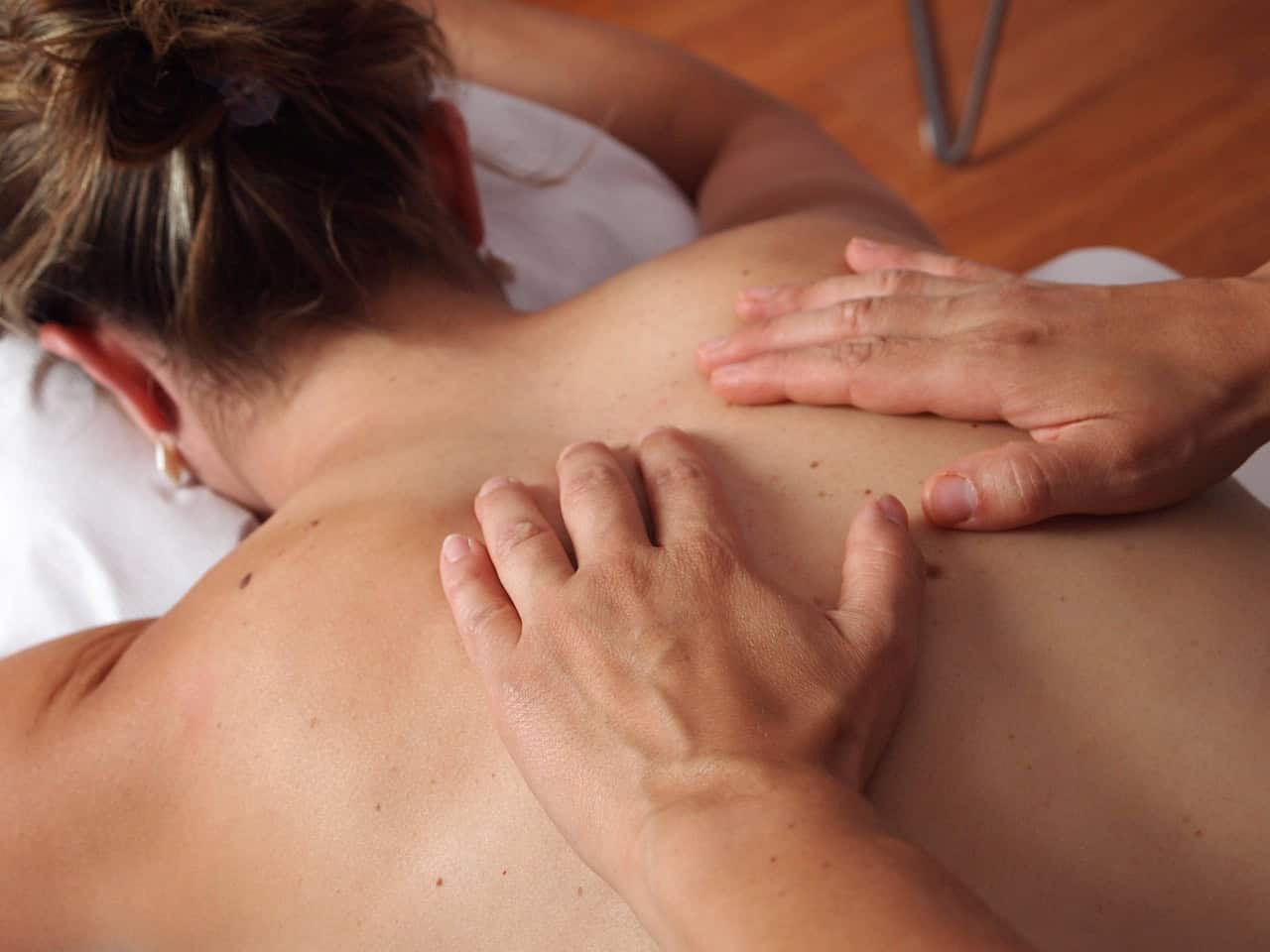
Fibromyalgia is a condition characterized by widespread muscle pain, stiffness, and tenderness, often making even simple movements feel like a struggle.
Many fibromyalgia sufferers also experience muscle tension and fatigue, which can significantly impact daily life.
While medications are often part of treatment, therapeutic massages can also significantly relieve muscle tension and help individuals feel better.
Here, we explore 7 effective types of massages that can relieve fibromyalgia-related muscle tension, explaining how each technique works and offering tips to make the most out of each experience.
1. Swedish Massage: A Gentle Way to Soothe Tension
Swedish massage is one of the most popular and accessible massage techniques. It involves long, smooth strokes, kneading, and circular movements to promote overall relaxation and circulation.
This technique is often recommended for individuals with fibromyalgia as it is gentle yet effective at soothing muscle tightness and stiffness.
Benefits for Fibromyalgia: Swedish massage improves blood flow and reduces muscle tension throughout the body. The long strokes used in this method help relax tight muscles, promote the release of endorphins (natural painkillers), and reduce stress. This can be particularly helpful for fibromyalgia sufferers who deal with chronic muscle tension.

What to Expect:
- Depending on your comfort level, the therapist will use light to moderate pressure.
- Swedish massage can be performed anywhere on the body, but focusing on areas like the neck, shoulders, and back may be particularly beneficial for fibromyalgia patients.
Tips for Maximum Benefit:
- Communicate with your therapist about the pressure levels. Let them know if you’re new to massage or have sensitive areas.
- A regular Swedish massage routine can help alleviate ongoing tension and stress.
2. Trigger Point Therapy: Targeting Knots and Tightness
Trigger point therapy is a massage technique that targets “trigger points” — hyperirritable spots in muscle fibers that cause pain and discomfort when pressed.
These knots can develop in fibromyalgia patients due to muscle overuse or chronic tension. Trigger point therapy is focused on applying firm pressure to these areas to release the built-up tension.
Benefits for Fibromyalgia: Fibromyalgia often causes the development of trigger points that refer pain to other parts of the body. Trigger point therapy relieves this referred pain by deactivating these painful spots, easing overall muscle tension, and reducing discomfort.
What to Expect:
- The therapist will apply firm pressure directly on the trigger points, which may cause some temporary discomfort before the pain subsides.
- Sessions are typically short but can be highly effective for those with specific muscle knots or localized pain.
Tips for Maximum Benefit:
- Focus on relaxation techniques during the therapy. Deep breathing can help your muscles relax more easily, allowing the therapist to work more effectively on trigger points.
- Ask your therapist to adjust the pressure if it becomes too intense.
3. Deep Tissue Massage: For Chronic Tension Relief
Deep tissue massage can be an excellent option for fibromyalgia patients with chronic muscle tension. This type of massage targets the deeper layers of muscle and connective tissue, aiming to break up adhesions and promote long-term muscle relaxation.
Benefits for Fibromyalgia: Deep tissue massage is particularly helpful for fibromyalgia sufferers who experience persistent tightness or chronic pain. It works by focusing on the deeper muscle layers and fascial tissue, releasing tension that may not be addressed with gentler techniques.
What to Expect:
- The therapist will use more intense pressure, which might feel intense but is generally focused on breaking down tension within the muscle tissue.
- You may feel sore for a day or two after the massage, which is normal, but the relief is often long-lasting.
Tips for Maximum Benefit:
- Before your massage, discuss your pain tolerance with the therapist to ensure the pressure is appropriate.
- Drink plenty of water after a deep tissue massage to help flush out any toxins released from your muscles.
4. Hot Stone Massage: Relaxing Heat for Deep Relief
Hot stone massage combines traditional massage techniques with the use of heated stones. Smooth stones are heated and placed on specific body parts, delivering soothing warmth that can help melt away muscle tension and improve circulation.
Benefits for Fibromyalgia: The heat from the stones helps improve blood flow and relax tight muscles. It also enhances the effectiveness of the massage, making it a great choice for fibromyalgia sufferers who experience severe muscle pain and stiffness.
Heat is a common therapeutic tool for muscle relaxation; the stones help distribute it evenly.
What to Expect:
- Heated basalt stones are placed on your back, shoulders, and other areas of tension. The therapist may also apply pressure with these stones.
- The heat from the stones should provide deep relaxation, allowing the muscles to loosen up gradually.
Tips for Maximum Benefit:
- Make sure to communicate if the stones feel too hot or uncomfortable.
- If you prefer heat but are sensitive to pressure, a hot stone massage could be a great way to combine both relaxation and relief.
5. Aromatherapy Massage: Combining Scent and Touch
Aromatherapy massage incorporates essential oils into the massage experience. These oils are selected for their therapeutic properties, such as lavender for relaxation or eucalyptus for muscle tension relief. The massage stimulates both the body and the senses, promoting deeper relaxation.
Benefits for Fibromyalgia: Aromatherapy can help calm the nervous system and reduce the impact of fibromyalgia symptoms like pain and stress. The right essential oils can help improve circulation, reduce muscle inflammation, and promote a sense of well-being.
What to Expect:
- The therapist will combine a standard massage with a blend of essential oils, either diffused in the room or directly applied to your skin.
- Common oils used include lavender, peppermint, and eucalyptus, each chosen for their unique benefits.
Tips for Maximum Benefit:
- Ask about which oils will best target your symptoms. Lavender and chamomile are great for calming, while peppermint and ginger can help with pain relief.
- Make sure the oils are diluted properly to avoid skin irritation.
6. Lymphatic Drainage Massage: Reducing Inflammation
Lymphatic drainage massage is a very gentle, rhythmic technique that stimulates the lymphatic system to help remove excess fluids and toxins from the body. This massage is ideal for fibromyalgia patients who experience swelling, inflammation, or fluid retention, which can exacerbate muscle stiffness and pain.
Benefits for Fibromyalgia: By encouraging the movement of lymphatic fluid, this massage helps reduce swelling and inflammation, which can contribute to muscle pain and tension. It’s a light, relaxing technique that’s especially beneficial for those with fibromyalgia-related swelling or who feel bloated.
What to Expect:
- The therapist uses light, rhythmic strokes, often focusing on areas like the arms, legs, and abdomen, to promote fluid movement.
- This technique is very gentle and should feel soothing without deep pressure.
Tips for Maximum Benefit:
- This is a great massage technique if you’re feeling swollen or fatigued.
- Drink plenty of water after your session to assist the lymphatic system in eliminating toxins.
7. Reflexology: Balancing the Body Through the Feet
Reflexology is based on the idea that specific points on the feet correspond to different organs and systems in the body. Reflexologists aim to restore balance and promote healing by applying pressure to these points.
Benefits for Fibromyalgia: Reflexology can benefit fibromyalgia sufferers by promoting relaxation and reducing overall stress. The pressure applied to the feet is believed to stimulate healing responses throughout the body, which can help reduce muscle tension and discomfort.
What to Expect:
- The therapist will focus on various pressure points on the feet, which may correlate with specific body areas experiencing tension or pain.
- Reflexology is typically non-invasive and is usually a gentle yet powerful tool for relaxing both body and mind.
Tips for Maximum Benefit:
- Reflexology can be especially effective if you’re looking for a more localized form of therapy that targets specific areas of tension.
- Don’t hesitate to tell the therapist if any pressure points cause discomfort or sensitivity.
Conclusion
Massage therapy offers a range of techniques that can significantly help manage muscle tension associated with fibromyalgia. The right massage can provide immediate and long-term relief from Swedish massage to reflexology.
Remember to consult with your healthcare provider before beginning any new treatments, and always communicate with your massage therapist about your specific needs.
Regular massage sessions can be an important part of a fibromyalgia management plan. They help ease muscle tension, reduce pain, and improve overall well-being.
FAQs
1. How often should I get a massage for fibromyalgia? It depends on your symptoms and what you’re comfortable with. Most people prefer weekly or bi-weekly sessions, but some may benefit from more frequent treatments.
2. Does massage hurt if I have fibromyalgia? Some types of massage, like deep tissue therapy, may be uncomfortable initially, but they should not cause excessive pain. Always communicate with your therapist to ensure the pressure is comfortable.
3. Are there any risks with massage for fibromyalgia? While generally safe, certain types of massage can aggravate symptoms if too much pressure is applied. It’s important to choose a therapist experienced with fibromyalgia.
4. What is the best type of massage for fibromyalgia pain? Swedish massage, trigger point therapy, and deep tissue massage are all commonly used to alleviate fibromyalgia pain. The best type depends on your individual needs and pain levels.
