
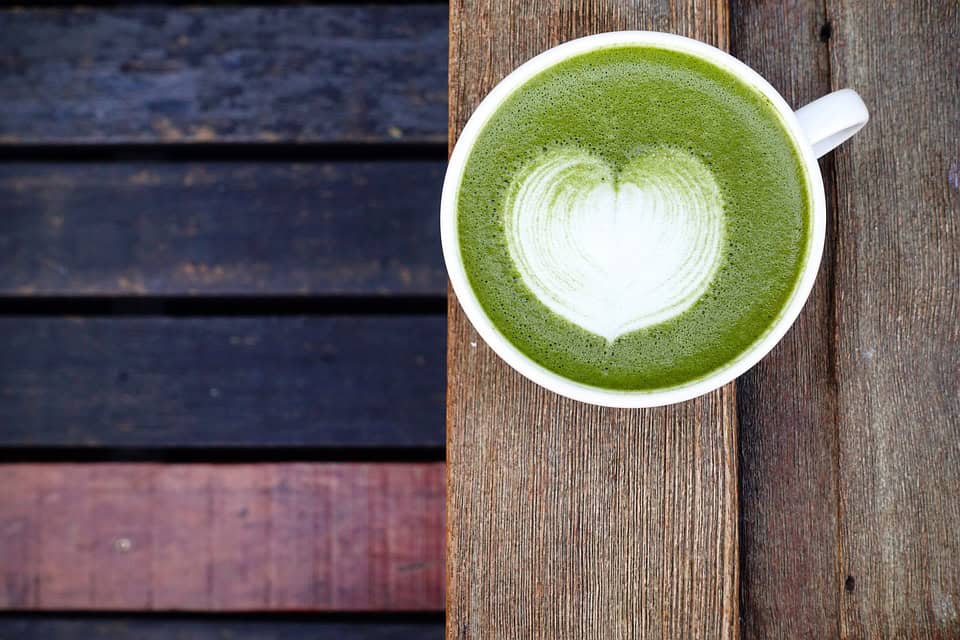
Matcha tea has long been hailed as a powerhouse of health benefits. Packed with antioxidants, it’s often regarded as a superfood that boosts metabolism, supports heart health, and provides a calm yet focused energy.
While many people sip matcha lattes and powders for their remarkable health perks, there are a few hidden side effects you might not expect.
In this article, we’ll explore some of the lesser-known impacts of matcha on your body and offer tips to ensure you enjoy this green elixir without any unpleasant surprises.
Overstimulation: The Caffeine Rush You Didn’t Expect
Matcha contains caffeine, and for many, this is one of the main draws. However, unlike coffee, the caffeine in matcha doesn’t provide the same sharp, jittery high.
Matcha’s caffeine content comes in a more gradual release due to the presence of L-theanine, an amino acid that promotes relaxation. That said, the caffeine level is still potent and can cause overstimulation if consumed in large quantities, especially if you’re sensitive to caffeine.
Drinking matcha can lead to restlessness, an increased heart rate, or even headaches, especially if consumed on an empty stomach. If you feel overly jittery, consider reducing your daily intake or enjoying it alongside food.
Also, be mindful of how much matcha you drink throughout the day. While one or two servings of matcha might be energizing, more than that could leave you feeling on edge.
Tip: If you’re caffeine-sensitive, opt for lower-caffeine alternatives or drink matcha in the morning to avoid disrupting your sleep later in the day.
Possible Digestive Issues: Why Your Stomach Might Protest
For some, matcha can cause digestive discomfort, especially if consumed too quickly or on an empty stomach.
Matcha contains tannins, compounds known to bind to proteins and metals. These can irritate the stomach lining, which is why some people report feeling bloated or nauseous after consuming matcha.
The bitterness of matcha, especially when taken in concentrated amounts, can exacerbate this issue.
If you tend to have a sensitive stomach, drinking matcha in moderation and pairing it with food might help prevent stomach upset. The matcha’s acidity and tannins will help buffer the stomach’s acidity, giving your digestive system more balance.
Tip: Try pairing your matcha with a light breakfast or snack to minimize stomach irritation. Avoid drinking matcha on an empty stomach if you’re prone to digestive issues.
Iron Absorption Interference: Could Matcha Be Hindering Your Nutrients?
While matcha is packed with nutrients and antioxidants, it can interfere with your body’s ability to absorb iron.
The tannins and catechins in matcha can inhibit iron absorption, which could concern those with iron deficiencies or anemia.
If you regularly suffer from low iron levels, it’s a good idea to be mindful of when and how you consume matcha.
For individuals looking to improve their iron levels, consuming matcha at least an hour away from iron-rich meals can help mitigate this issue.
If you rely on iron supplements, it can also be smart to take iron supplements at a different time from your matcha tea.
Tip: If you need to boost your iron intake, pair matcha with foods high in vitamin C (like citrus fruits), as vitamin C can enhance iron absorption.
Sleep Disruptions: The Unseen Impact on Your Rest
Although often milder than coffee, Matcha’s caffeine content can still affect your sleep cycle, especially if consumed later in the day.
Caffeine has a half-life of about 3 to 5 hours, meaning it stays in your system long after you’ve finished your matcha. For those sensitive to caffeine, this could lead to disrupted sleep or difficulty falling asleep.
Despite its calming properties due to L-theanine, Matcha can still impact the body’s ability to wind down. Enjoying a cup of matcha in the evening may interfere with the deep, restful sleep you need for proper recovery.
Tip: Drink matcha in the morning or early afternoon to give your body time to metabolize the caffeine before bedtime.
Teeth-Staining: Not All Green Teas Are the Same
One of the lesser-known side effects of drinking matcha is its potential to stain your teeth. Because matcha is made from finely ground green tea leaves, the particles can adhere to the enamel on your teeth, causing discoloration over time. This is especially true for those who drink matcha frequently.
The high chlorophyll content in matcha is responsible for its vibrant green color, but this same pigment can also lead to staining.
If you already have a predisposition to teeth stains from coffee or tea, matcha might not be the best choice for keeping your pearly whites bright.
Tip: Drinking water after your matcha or brushing your teeth can help prevent staining. Using a straw might also reduce contact between matcha and your teeth.
Potential Interaction With Medications: What You Might Not Know
Matcha’s powerful antioxidants, particularly EGCG (epigallocatechin gallate), can interact with certain medications, such as blood thinners, antidepressants, or medications for high blood pressure.
In particular, EGCG can affect how drugs are metabolized in the liver, amplifying or decreasing their effectiveness.
If you regularly take medication, it’s crucial to check with your healthcare provider before making matcha a daily part of your routine.
While matcha’s health benefits are widely touted, understanding how it may interact with your specific medications can help you avoid any unwanted side effects or complications.
Tip: If you are on any medication, consult your healthcare provider to ensure matcha won’t interfere with your treatment plan.
Risk of Heavy Metal Contamination: Are You Getting What You Paid For?
Though matcha can offer numerous health benefits, the quality of matcha varies greatly between brands.
In some cases, lower-quality matcha may be contaminated with heavy metals like lead, which can accumulate in the leaves as they are grown in polluted environments. This can pose health risks if consumed in large quantities over time.
To avoid this issue, always choose organic, high-quality matcha from reputable brands that test their products for contaminants. High-quality matcha is grown in the shade, reducing the amount of harmful metals the plants absorb.
Tip: Look for matcha that is certified organic and tested for purity. Avoid bargain-bin brands, as they may not prioritize safety.
Allergic Reactions: A Hidden Danger for Some
While rare, some people may experience an allergic reaction to matcha, particularly those allergic to certain grasses or plants.
Symptoms of a matcha allergy can include itching, swelling, hives, or, in more severe cases, difficulty breathing. If you’re new to matcha, it’s wise to do a patch test before drinking it regularly.
Even though matcha is a natural product, some people’s bodies don’t respond well to specific compounds in the tea.
If you experience any of the symptoms mentioned, it’s essential to stop using matcha immediately and consult with a healthcare professional.
Tip: Always do a patch test when trying a new matcha product, and consult your doctor if you have concerns about potential allergens.
Conclusion
While matcha tea is undoubtedly a superfood with impressive health benefits, it’s not without its potential side effects.
From digestive issues to interactions with medications, these hidden effects are essential to remember if you plan to incorporate matcha into your routine.
Remember, moderation is key, and being mindful of your body’s reactions can help you enjoy matcha in a way that benefits your health without any unwanted surprises.
FAQs
Q: Can matcha be consumed safely every day?
A: Yes, matcha can be enjoyed daily but must be consumed in moderation. Be mindful of the caffeine content, and avoid drinking it on an empty stomach to prevent digestive issues. Always choose high-quality matcha to minimize risks.
Q: Does matcha help with weight loss?
A: Matcha can support weight loss due to its metabolism-boosting properties, thanks to its high antioxidant content. However, it’s most effective with a healthy diet and regular exercise.
Q: Is matcha safe for pregnant women?
A: Pregnant women should be cautious with matcha due to its caffeine content. Limiting caffeine intake during pregnancy is advisable, so consult a healthcare provider before consuming matcha regularly.
Q: How can I prevent my teeth from staining from matcha?
A: Drink water immediately after your matcha or brush your teeth to prevent staining. You can also consider drinking matcha through a straw to minimize contact with your teeth.
Q: How do I know if I’m allergic to matcha?
A: If you have a known allergy to grasses or plants related to matcha or experience symptoms like itching or swelling after consuming it, discontinue use immediately and consult a doctor.
