
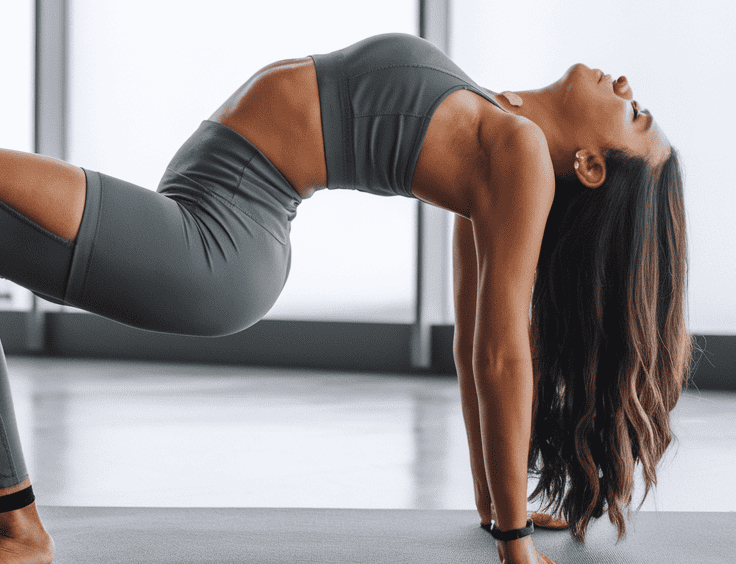
Start your day with a burst of energy and mindfulness by incorporating these yoga poses into your morning routine.
Whether you’re a seasoned yogi or just beginning your journey, these poses are designed to gently awaken your body, release tension, and prepare you mentally for the day ahead.
Each pose is explained with clear instructions, benefits, and tips to help you practice safely and effectively.
Child’s Pose (Balasana)
Description:
Child’s Pose is a gentle resting position that helps calm the mind while providing a deep stretch for the back and hips. It’s perfect for easing into your practice and grounding your energy for the day.
How to Do It:
- Begin on your hands and knees, aligning your wrists under your shoulders and knees under your hips.
- Slowly sit back on your heels while lowering your torso forward between your thighs.
- Extend your arms in front of you or rest them by your sides.
- Breathe deeply and allow your body to relax into the pose.
Benefits:
- Relieves tension in the back and shoulders
- Calms the nervous system
- Gently stretches the hips, thighs, and ankles

Cat-Cow Stretch (Marjaryasana-Bitilasana)
Description:
This dynamic duo of poses warms up the spine and improves flexibility by alternating between arching and rounding your back. It’s a great way to sync your breath with movement.
How to Do It:
- Start on all fours with your hands beneath your shoulders and knees under your hips.
- Inhale as you drop your belly toward the mat, lift your head and tailbone (Cow Pose).
- Exhale as you round your spine, tucking your chin and tailbone (Cat Pose).
- Continue to flow between these positions with your breath.
Benefits:
- Increases spinal flexibility
- Relieves back tension
- Stimulates abdominal organs and improves digestion
Downward Facing Dog (Adho Mukha Svanasana)
Description:
The downward-facing dog is a full-body stretch that energizes the body and calms the mind. This inversion helps to release tight muscles and boosts blood circulation.
How to Do It:
- From a hands-and-knees position, lift your knees away from the floor and push your hips up and back.
- Straighten your legs as much as possible while keeping a slight bend in your knees if needed.
- Press your hands firmly into the mat, extending through your fingers.
- Hold the pose for several breaths, feeling the stretch along your spine and legs.
Benefits:
- Lengthens the spine and relieves tension
- Strengthens the arms, shoulders, and legs
- Improves circulation and energy flow
Standing Forward Bend (Uttanasana)
Description:
A soothing forward fold, the Standing Forward Bend helps to release tension in the back and legs while calming the mind. It’s ideal for stretching hamstrings and improving posture.
How to Do It:
- Stand with your feet hip-width apart.
- Hinge at the hips and fold forward, letting your upper body hang.
- Keep a slight bend in the knees if your hamstrings feel tight.
- Allow your head to relax and hold the pose, breathing deeply.
Benefits:
- Relieves stress and calms the mind
- Stretches the hamstrings and back
- Encourages blood flow to the brain
Warrior I (Virabhadrasana I)
Description:
Warrior I is a powerful standing pose that builds strength, stability, and focus. It opens up the hips and chest, creating a sense of grounded energy.
How to Do It:
- Stand with your feet wide apart.
- Turn your right foot out 90 degrees and your left foot slightly inward.
- Bend your right knee, keeping it directly over your ankle.
- Raise your arms overhead, palms facing each other, and gently arch your back.
- Hold for several breaths, then switch sides.
Benefits:
- Strengthens the legs, core, and arms
- Opens the chest and shoulders
- Enhances focus and concentration
Warrior II (Virabhadrasana II)
Description:
A variation of the warrior series, Warrior II emphasizes endurance and balance. This pose engages your core while expanding your chest and shoulders.
How to Do It:
- From a wide stance, turn your right foot out 90 degrees and your left foot slightly inward.
- Extend your arms out to the sides at shoulder height.
- Bend your right knee deeply, keeping your knee aligned with your ankle.
- Gaze over your right hand and hold the pose before repeating on the opposite side.
Benefits:
- Builds leg strength and stability
- Improves balance and coordination
- Boosts mental focus
Triangle Pose (Trikonasana)
Description:
The Triangle Pose provides a deep lateral stretch that opens your hips, chest, and shoulders. It’s excellent for improving overall flexibility and digestion.
How to Do It:
- Stand with your feet about three to four feet apart.
- Turn your right foot out and your left foot slightly inward.
- Extend your right arm toward your right foot and your left arm straight up.
- Gently lower your right hand to your shin or the floor, ensuring a long, straight line in your body.
- Hold for several breaths and repeat on the other side.
Benefits:
- Enhances flexibility in the legs and torso
- Improves balance and posture
- Stimulates abdominal organs and aids digestion
Seated Forward Bend (Paschimottanasana)
Description:
Seated Forward Bend is a calming pose that deeply stretches the back and hamstrings. It is perfect for slowing down and centering your thoughts in the morning.
How to Do It:
- Sit on the floor with your legs extended straight in front of you.
- Inhale and lengthen your spine, then exhale as you bend forward at the hips.
- Reach for your feet, ankles, or shins, keeping your back as straight as possible.
- Hold the position and breathe slowly, allowing the stretch to deepen naturally.
Benefits:
- Calms the mind and relieves stress
- Stretches the entire back and hamstrings
- Improves circulation to the brain
Bridge Pose (Setu Bandhasana)
Description:
The Bridge Pose is a gentle backbend that opens the chest and strengthens the back. It helps to energize the body while reducing tension in the spine.
How to Do It:
- Lie on your back with your knees bent and feet flat on the floor, hip-width apart.
- Press your feet into the mat as you lift your hips upward.
- Clasp your hands under your back for added support and lift your chest higher.
- Hold for a few breaths before gently lowering your hips back to the floor.
Benefits:
- Opens the chest and improves lung capacity
- Strengthens the back and glutes
- Enhances spinal flexibility
Cobra Pose (Bhujangasana)
Description:
Cobra Pose is a gentle backbend that focuses on strengthening the spine and opening the chest. It’s an invigorating pose that prepares the body for a productive day.
How to Do It:
- Lie face down on your mat with your hands positioned under your shoulders.
- Press into your hands to slowly lift your chest off the ground, keeping your elbows close to your body.
- Keep your shoulders relaxed and avoid straining your neck.
- Hold the pose for a few breaths, and then slowly lower back down.
Benefits:
- Strengthens the spine and back muscles
- Opens the chest and improves posture
- Helps alleviate fatigue and stiffness
Tree Pose (Vrksasana)
Description:
Tree Pose is a balancing pose that improves focus and stability. It connects you to the present moment and strengthens the muscles in your legs and core.
How to Do It:
- Stand tall with your feet together.
- Shift your weight onto your left foot and place the sole of your right foot against your inner left thigh (avoid the knee).
- Bring your hands together in a prayer position at your chest or extend them overhead.
- Focus on a fixed point in front of you to maintain balance.
- Hold for several breaths, then switch sides.
Benefits:
- Enhances balance and concentration
- Strengthens leg muscles
- Encourages mental clarity and focus
Plank Pose (Phalakasana)
Description:
Plank Pose is a core-strengthening exercise that builds endurance throughout your body. It’s a straightforward yet challenging pose that sets a strong foundation for your practice.
How to Do It:
- Start in a push-up position with your hands directly under your shoulders.
- Keep your body in a straight line from head to heels, engaging your core muscles.
- Hold the pose for 20-30 seconds, gradually increasing your duration as you build strength.
Benefits:
- Strengthens the core, arms, and shoulders
- Improves overall body stability
- Enhances endurance and posture
Happy Baby Pose (Ananda Balasana)
Description:
Happy Baby Pose is a playful and relaxing posture that gently opens the hips and soothes the lower back. It’s an excellent way to wind down and create a sense of joy in your practice.
How to Do It:
- Lie on your back and bring your knees toward your chest.
- Grab the outer edges of your feet with your hands.
- Gently pull your knees toward your armpits while keeping your lower back grounded.
- Hold the pose and take deep, relaxing breaths.
Benefits:
- Relieves lower back tension
- Opens the hips and calms the mind
- Promotes relaxation and stress relief
Extended Side Angle Pose (Utthita Parsvakonasana)
Description:
Extended Side Angle Pose is a dynamic stance that combines strength with flexibility. This pose stretches the sides of your body and deepens your breath, making it a refreshing addition to your morning routine.
How to Do It:
- From Warrior II, lean your upper body forward and rest your right elbow on your right knee.
- Extend your left arm overhead, reaching for the sky.
- Keep both legs engaged and your chest open as you feel the stretch along your side.
- Hold for several breaths before switching sides.
Benefits:
- Deepens the stretch along the side of the body
- Strengthens the legs and core
- Opens the chest and enhancing lung capacity
Corpse Pose (Savasana)
Description:
Though often reserved for the end of a yoga session, a brief Corpse Pose at the close of your morning routine can help integrate the benefits of your practice. This pose allows your body and mind to absorb the energy and calmness generated from the earlier postures.
How to Do It:
- Lie flat on your back with your legs extended and arms relaxed at your sides, palms facing up.
- Close your eyes and focus on your breath, letting go of any residual tension.
- Remain in the pose for 2-3 minutes, enjoying the stillness and rejuvenation.
Benefits:
- Calms the nervous system and reduces stress
- Promotes deep relaxation and mental clarity
- Allows the body to integrate the benefits of your practice
Quick Reference Table
To help you quickly review the key details of each pose, here’s a summary table:
| Pose | Key Benefit | Focus Area |
|---|---|---|
| Child’s Pose | Relaxes and releases tension | Back, Hips |
| Cat-Cow Stretch | Increases spinal flexibility | Spine, Abdomen |
| Downward Facing Dog | Energizes and stretches the full body | Arms, Legs, Spine |
| Standing Forward Bend | Calms the mind and stretches the back | Hamstrings, Back |
| Warrior I | Builds strength and focus | Legs, Core, Chest |
| Warrior II | Enhances balance and stability | Legs, Arms |
| Triangle Pose | Improves flexibility and digestion | Torso, Hips |
| Seated Forward Bend | Calms the mind and deepens the stretch | Back, Hamstrings |
| Bridge Pose | Opens the chest and strengthens the back | Glutes, Spine |
| Cobra Pose | Strengthens the spine and opens the chest | Back, Shoulders |
| Tree Pose | Enhances balance and concentration | Legs, Core |
| Plank Pose | Builds core strength and stability | Core, Arms, Shoulders |
| Happy Baby Pose | Relieves tension and calms the mind | Hips, Lower Back |
| Extended Side Angle Pose | Deepens side stretch and opens the chest | Side Body, Legs |
| Corpse Pose | Integrates benefits and calms the system | Full Body, Mind |
FAQs
Q1: How long should I hold each pose?
A: Hold each pose for 30 seconds to 1 minute, adjusting based on your comfort and experience level.
Q2: Can beginners perform these poses?
A: Yes, each pose can be modified for beginners. Listen to your body and use props like blocks or straps if needed.
Q3: Is it necessary to do all 15 poses every morning?
A: Not at all. Feel free to choose a few poses that resonate with you or gradually work your way through the full routine.
Q4: What time of day is best for morning yoga?
A: Early morning, soon after waking up, is ideal to help energize your body and mind for the day ahead.
Q5: Should I warm up before starting these poses?
A: A gentle warm-up, like a few minutes of deep breathing or light stretching, can help prepare your muscles and prevent injury.
Final Thoughts
Incorporating these 15 morning yoga poses into your daily routine can be a game changer. By gently awakening your body, releasing tension, and sharpening your focus, you set a positive tone for the entire day.
Remember, the goal is to cultivate a practice that is sustainable and tailored to your needs. Over time, you may find that your body becomes more flexible, your mind clearer, and your energy levels higher—all thanks to a mindful start each morning.
Feel free to revisit this guide as you refine your routine, and remember that consistency is key. Even a few minutes of intentional movement can lead to lasting benefits. Embrace the journey and enjoy each step along the way!
