
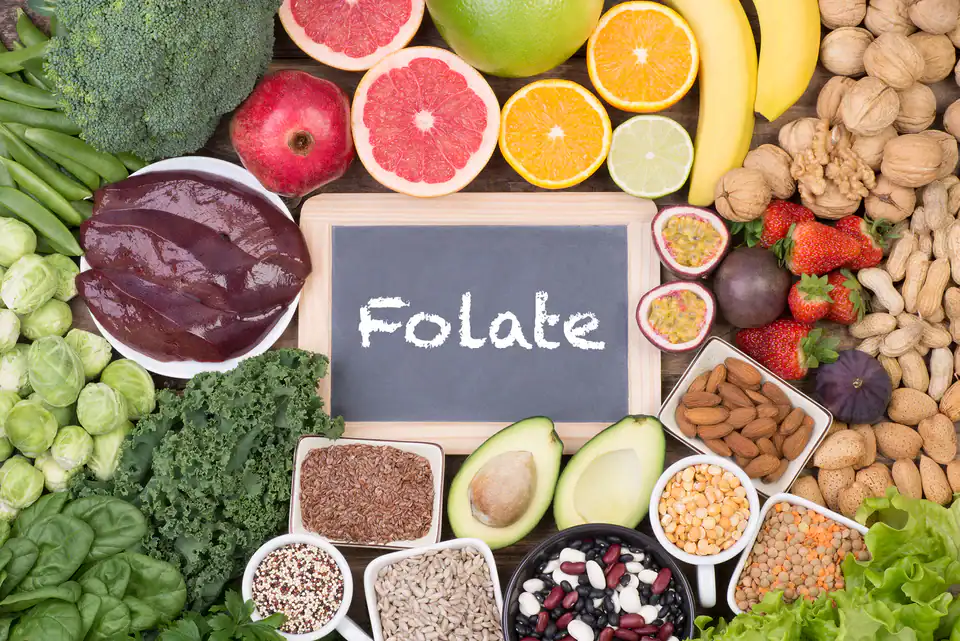
Individuals with the MTHFR mutation can experience challenges in processing folate, making a diet rich in natural folate essential for supporting overall health.
In this article, we explore the top 10 folate-rich foods that can help boost your health and provide practical tips on incorporating them into your everyday meals.
Whether you’re looking to improve your nutrient intake or manage specific health concerns related to methylation, these foods offer a delicious and natural way to enhance your diet.
1. Spinach
Spinach is a powerhouse when it comes to folate and overall nutrition. This leafy green provides a significant dose of folate, along with vitamins A, C, and K, iron, and fiber. Its versatility makes it easy to add to your daily routine.
Why It’s Great:
- High Folate Content: Spinach is one of the top sources of natural folate.
- Nutrient Dense: Offers antioxidants and anti-inflammatory compounds.
- Versatile Usage: Perfect in salads, smoothies, soups, or lightly sautéed as a side dish.
How to Enjoy:
Add fresh spinach leaves to your morning smoothie, or toss them into your lunchtime salad. For a warm meal, try lightly sautéing spinach with garlic and a drizzle of olive oil.
2. Asparagus
Asparagus is not only delicious but also a rich source of folate. This vegetable is low in calories and high in fiber, making it a smart choice for maintaining energy levels and supporting digestion.
Benefits:
- Excellent Folate Source: Helps to boost your folate levels naturally.
- Rich in Vitamins: Offers vitamins A, C, E, and K.
- Low-Calorie Option: Ideal for those looking to manage their weight while improving nutrient intake.
How to Enjoy:
Grill or roast asparagus with a touch of lemon and olive oil for a side dish, or chop it into stir-fries for added crunch and flavor.

3. Broccoli
Broccoli is a familiar cruciferous vegetable that provides a healthy dose of folate along with vitamins C and K. Its fiber content also supports a healthy digestive system and may aid in detoxification processes.
Nutritional Highlights:
- Cruciferous Benefits: Contains compounds that may support detoxification.
- Vitamins and Minerals: Packed with vitamins, minerals, and antioxidants.
- Multiple Cooking Methods: Steamed, roasted, or stir-fried broccoli is easy to incorporate into your meals.
How to Enjoy:
Try steaming broccoli to maintain its nutrient content, or add it to a stir-fry with lean proteins and other vegetables. Roasting broccoli with a sprinkle of Parmesan can also be a delicious alternative.
4. Avocado
Avocado is well known for its healthy fats and creamy texture, but it also provides a modest amount of folate. This fruit is beneficial for heart health and overall well-being due to its rich content of monounsaturated fats and essential vitamins.
Key Benefits:
- Healthy Fats: Supports heart health and aids in nutrient absorption.
- Nutrient Profile: Contains vitamins E, K, and several B vitamins in addition to folate.
- Culinary Flexibility: Works well in both savory and sweet dishes.
How to Enjoy:
Spread mashed avocado on whole-grain toast, blend it into a smoothie, or mix it into salads for a creamy texture that enhances flavor and nutrition.
5. Lentils
Lentils are an excellent plant-based protein that also ranks high in folate. They’re a budget-friendly source of essential nutrients like fiber, iron, and protein, making them a staple for those looking to optimize their diet naturally.
Highlights:
- High Folate & Protein: Ideal for vegetarians and anyone looking to boost their folate intake.
- Fiber-Rich: Supports healthy digestion and stabilizes blood sugar levels.
- Versatile Ingredient: Can be used in soups, stews, salads, or even as a meat substitute in various recipes.
How to Enjoy:
For a nutritious and filling meal, prepare a hearty lentil soup, toss cooked lentils into a salad, or create a lentil-based veggie burger.
6. Brussels Sprouts
Brussels sprouts are small but mighty. They offer a good dose of folate, along with vitamins C and K and fiber. When roasted, their slightly bitter flavor becomes a delightful treat to bring out a natural sweetness.
Nutritional Advantages:
- Rich in Folate: Supports cell growth and repair.
- Packed with Nutrients: Offers vitamins, minerals, and antioxidants.
- Delicious When Roasted: Roasting helps mellow their flavor while enhancing their nutritional value.
How to Enjoy:
Roast Brussels sprouts with olive oil and a sprinkle of salt for a crispy, caramelized side dish. Alternatively, steam them lightly and add a squeeze of lemon for extra zest.
7. Black Beans
Black beans are a great source of plant-based protein and an impressive source of folate. Their high fiber content helps maintain digestive health and keeps you feeling full longer.
Benefits:
- Nutrient Rich: Offers folate, protein, fiber, and essential minerals.
- Heart Health: The fiber and antioxidants in black beans support cardiovascular health.
- Versatile Use: Can be added to various dishes, from salads to tacos.
How to Enjoy:
Incorporate black beans into your diet by adding them to salads, making a hearty bean chili, or using them as a filling in wraps and tacos. Their mild flavor pairs well with a range of spices and seasonings.
8. Oranges
Oranges are well known for their high vitamin C content but also provide a decent amount of folate. This citrus fruit is refreshing and contributes to a healthy immune system.
Nutritional Perks:
- Dual Benefits: Combines vitamin C with folate for overall health.
- Boosts Immunity: The vitamin C content supports immune function.
- Easy to Incorporate: Perfect as a snack or juice.
How to Enjoy:
Peel an orange for a quick snack, blend it into a fresh juice, or segment it into salads for a burst of citrus flavor. Oranges’ natural sweetness makes them versatile ingredients in both sweet and savory dishes.
9. Beets
Beets are more than just a colorful addition to your plate; they are an excellent source of folate and antioxidants. Their deep, earthy flavor and vibrant hue make them a visually appealing option for various dishes.
Key Benefits:
- Rich in Folate: Supports detoxification and cell repair.
- Antioxidant Properties: Helps combat oxidative stress.
- Supports Heart Health: Known to improve blood flow and lower blood pressure.
How to Enjoy:
Roast beets with a drizzle of olive oil, blend them into a vibrant smoothie or toss them in a salad for an added nutritional punch. Their natural sweetness also makes them a great base for dips and spreads.
10. Sunflower Seeds
Sunflower seeds are a convenient, crunchy source of folate, vitamin E, and healthy fats. They are great for snacking and can easily be added to various meals to boost nutritional content.
Nutritional Highlights:
- Compact Nutrient Source: Rich in folate, vitamin E, and magnesium.
- Healthy Fats: Contribute to brain and heart health.
- Snack-Friendly: Ideal for topping salads, oatmeal, or enjoying on their own.
How to Enjoy:
Sprinkle sunflower seeds on salads or yogurt, mix them into homemade granola, or enjoy them as a quick, on-the-go snack. Their nutty flavor makes them a delightful addition to both savory and sweet recipes.
Nutritional Comparison Table
To help you better understand the folate content and other nutritional benefits of these top foods, here’s a simple table summarizing key details (approximate values per serving):
| Food | Serving Size | Approx. Folate (mcg) | Other Key Nutrients |
|---|---|---|---|
| Spinach | 1/2 cup cooked | 130 | Vitamins A, C, K; Iron, Fiber |
| Asparagus | 1/2 cup cooked | 134 | Vitamins A, C, K; Fiber |
| Broccoli | 1/2 cup cooked | 50 | Vitamins C, K; Fiber; Antioxidants |
| Avocado | 1/2 fruit | 59 | Healthy Fats; Vitamins E, K, Potassium |
| Lentils | 1/2 cup cooked | 179 | Protein, Fiber, Iron |
| Brussels Sprouts | 1/2 cup cooked | 55 | Vitamins C, K; Fiber; Antioxidants |
| Black Beans | 1/2 cup cooked | 128 | Protein, Fiber, Iron |
| Oranges | 1 medium | 40 | Vitamin C, Fiber |
| Beets | 1/2 cup cooked | 68 | Antioxidants, Fiber, Manganese |
| Sunflower Seeds | 1/4 cup | 70 | Vitamin E, Magnesium, Healthy Fats |
Note: Values are approximate and can vary based on preparation methods and variety.
Frequently Asked Questions (FAQs)
Q: What is the MTHFR mutation?
A: The MTHFR mutation is a genetic variation that can affect how the body processes folate, leading to potential imbalances in methylation and related health issues.
Q: How does folate benefit someone with the MTHFR mutation?
A: Folate is crucial in cell growth, DNA repair, and methylation processes. Consuming natural folate from food sources can help individuals with the MTHFR mutation bypass certain metabolic challenges.
Q: How much folate do I need daily?
A: Daily folate needs vary by age, gender, and specific health conditions. Most adults require between 400-600 micrograms of folate equivalents per day. It’s best to consult a healthcare professional for personalized advice.
Q: Can these folate-rich foods replace supplements?
A: Whole foods are always a preferred source of nutrients because they provide additional vitamins and fiber. However, if your healthcare provider recommends supplements for your specific condition, they should be used as directed.
Q: How can I incorporate these foods into my diet if I have a busy schedule?
A: Many of these foods can be easily prepped ahead of time. For example, wash and chop spinach and broccoli for quick salads or smoothies, prepare a batch of lentil soup, or roast Brussels sprouts and beets in advance. Snack on oranges or a handful of sunflower seeds when you’re on the go.
Final Thoughts
Adopting an MTHFR mutation diet doesn’t have to be complicated. By incorporating these top 10 folate-rich foods into your meals, you’re boosting your natural folate levels and supporting overall health through a variety of essential nutrients. Remember, every meal is an opportunity to nourish your body in a balanced way.
Making small, manageable changes—like adding a handful of spinach to your smoothie or tossing some black beans into your salad—can greatly impact your well-being. If you have specific dietary concerns or health conditions, consulting with a nutritionist or healthcare professional can help tailor these recommendations to your unique needs.
Enjoy experimenting with these delicious foods and discover creative ways to integrate them into your daily routine. Your body will thank you for the extra nutrients and energy boost a natural, folate-rich diet provides.
This article is meant to serve as a friendly, informative guide. For personalized dietary advice, always consult a healthcare professional.
