
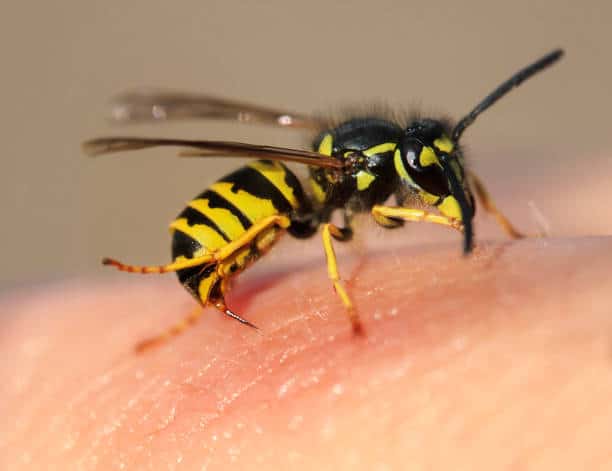
You’ve been minding your own business—maybe enjoying a picnic or watering your flowerpots—when out of nowhere, zap! A wasp sting. Ouch, right? But what happens when the pain doesn’t stop at that sharp little prick?
Instead, you wake up the next morning with achy muscles and stiff joints, like you misplaced your body in the night and now everything’s jammed.
Sound familiar? You’re not alone—and this guide is your new best friend in untangling the mystery of post-sting muscle and joint pain.

Why Does a Wasp Sting Hurt Beyond the Initial Shock?
First things first: a wasp sting is more than just angry–insect justice. Their venom is a cocktail of proteins, enzymes, and small molecules designed to incapacitate prey—and sometimes, it sticks around to play mischief in your muscles and joints for hours or even days.
- Venom Ingredients: Phospholipases, hyaluronidase, mastoparans—names that sound like bad sci-fi villains, but really they’re the troublemakers that trigger your immune response.
- Immune Reaction: Your body sees these foreign proteins and mounts a defense, releasing histamines, cytokines, and a bunch of other immune soldiers.
- Inflammation Cascade: That immune barrage can spill over into nearby tissues, turning your muscles into red, swollen battlegrounds.
In plain English? Your body said “Intruder alert!” and ended up wrecking the joint—literally.
Common Symptoms—More Than Just a Bump
So what does this look like in real life? You might see:
- Delayed Onset Pain: Your sting site might feel fine at first, then crank up the volume six to twelve hours later.
- Radiating Ache: Instead of a pinpoint ouch, the pain spreads—sometimes all the way up your arm or leg.
- Joint Stiffness: That knuckle or knee that got grazed by venom now feels like it’s encased in concrete.
- Muscle Cramps: Spontaneous tightness, as if your muscle fibers are having an uninvited cramp party.
- Mild Swelling and Redness: A little heat, a little redness—your body’s way of saying, “I’m on high alert.”
The Science Bit—How Venom Triggers Pain
Hang with me here. I promise it won’t read like a textbook. Imagine your body as a city. The venom’s like a gang of vandals breaking streetlights and spurring traffic jams. Here’s the play-by-play:
- Venom Injection: Wasp’s stinger pierces skin, leaves a small reservoir of venom.
- Local Cell Damage: Phospholipases start breaking down cell membranes—ouch.
- Immune Cell Recruitment: White blood cells roll in, releasing inflammatory signals (cytokines).
- Vascular Leak: Tiny blood vessels become more permeable—hello, swelling.
- Pain Signal Amplification: Nerve endings get hypersensitive—so every movement feels amplified.
Result? Your muscles and joints feel like they’ve been through a demolition derby.
Timeline of Symptoms
| Time After Sting | Common Experience |
|---|---|
| 0–1 hour | Sharp pain, redness, possible itching |
| 1–6 hours | Localized swelling, throbbing begins |
| 6–24 hours | Muscle ache in area, joint stiffness |
| 1–3 days | Peak inflammation, flare-ups with movement |
| 3–5 days | Gradual subsiding of swelling and pain |
| 5+ days | Usually back to normal (unless complications) |
Home Remedies & First-Aid Hacks
Before you dash to the ER screaming, try these at-home tricks. Think of them as your trusty Swiss Army knife in sting survival.
- Cold Compress: Ice pack wrapped in thin cloth—20 minutes on, 20 minutes off—to slow down swelling.
- Elevation: Keep the limb up on pillows. Gravity is not your friend when inflammation is involved.
- OTC Pain Relievers: Ibuprofen or naproxen—double duty to soothe pain and tamp down inflammation.
- Topical Ointments: Hydrocortisone cream or calamine lotion to ease itching and redness.
- Gentle Movement: Light stretching every few hours to keep joints from seizing up completely.

When to Worry & Seek Medical Help
Most of us will ride out a wasp sting at home—no biggie. But if your reaction resembles the script of a medical thriller, it’s time to call in reinforcements.
- Spreading Redness > 5 cm: Could signal an infection.
- Fever or Chills: Your body may be battling more than just venom.
- Severe Swelling Beyond Sting Site: Might need prescription anti-inflammatories.
- Difficulty Breathing or Swallowing: Anaphylaxis risk—call emergency services immediately.
- Intense Joint Pain That Won’t Ease: Rule out serum sickness or deep tissue involvement.
Preventing Future Stings
Let’s be real: you can’t outlaw wasps—nature gave them a purpose too. But you can tip the odds in your favor.
- Avoid Bright Colors & Floral Scents: Wasps love to crash your party when you smell like flowers.
- Keep Food Covered: Sweet drinks and picnic spreads are like a neon “All You Can Eat” sign.
- Wear Protective Clothing: Light-colored, loosely woven fabrics and closed-toe shoes.
- Seal Garbage & Compost Bins: Minimize wasps’ neighborhood hotspots.
- Professional Nest Removal: If you spot a nest near your home, don’t DIY—call an expert.
Nutritional Support & Supplements
Think of your diet as backup reinforcements for your immune system. Certain foods and supplements can help moderate inflammation and speed recovery.
- Turmeric (Curcumin): Nature’s anti-inflammatory superstar.
- Omega-3 Fatty Acids: Salmon, flaxseed, or fish oil capsules to keep inflammation in check.
- Vitamin C & Zinc: Bolster immune function and tissue repair.
- Hydration: Water, herbal teas, and broths—flush out toxins.
- Magnesium: May help reduce muscle cramping.
Gentle Exercises to Keep You Moving
Yes, I know movement feels like a four-letter word when your joints are screaming. But a little goes a long way.
- Range-of-Motion Stretches: Think slow arm circles, ankle pumps—just enough to keep synovial fluid flowing.
- Walking: Short, easy strolls around the block to prevent stiffness.
- Yoga Nidra or Meditation: Not strenuous, but helps reset your pain perception.
- Light Resistance Band Work: Gentle bicep curls or leg extensions—low resistance, high repetition.
FAQs
- Q: Can a wasp sting cause arthritis?
- A: No, you won’t develop true arthritis from a single sting. But the inflammation can mimic arthritic pain for a short window—think “guest appearance,” not a permanent resident.
- Q: Why does my pain shift locations?
- A: Sometimes venom disperses through lymphatic channels, or your immune response is more aggressive in areas of prior injury. It’s like the sting sent a postcard to every achy spot you already had.
- Q: Is heat or cold better for pain relief?
- A: Cold in the first 48 hours to curb inflammation, then you can switch to warm compresses to soothe tight muscles.
- Q: How long should I rest before returning to exercise?
- A: Listen to your body. If you’re still hobbling after three days, scale back intensity. Easing back with gentle movements is key.
- Q: Could I be allergic even if I’ve never had a bad reaction before?
- A: Yes—sensitization can happen over time. If you notice swelling beyond the sting site or any breathing issues, treat it as an emergency.

Conclusion
There you have it—a 360° tour of what happens when you get that uninvited wasp sting, why your muscles and joints stage a protest, and how you can ride out the storm with minimal fuss.
Remember: most of this is your body doing its job, even if it feels like chaos at first. Cold packs, gentle movement, and a dash of anti-inflammatory TLC usually send the venom’s shenanigans packing within a few days.
Now it’s your turn: What home remedy surprised you with the quickest relief? Have you discovered a weird-but-wonderful trick I missed?
Drop your tips below and let’s build our own sting-survival playbook—because in the Fibro Army (and beyond), we’re stronger together.