
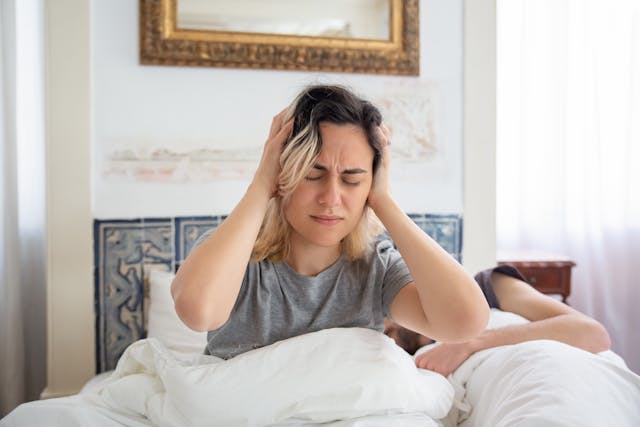
It was a Tuesday morning, and I woke up feeling like I’d been run over by a dump truck—minus the gratitude of getting free dirt in my hair.
That’s how fibromyalgia flares always sneak up on me: stealthy, unwelcome, and prone to turning an ordinary day into a battleground of pain, fatigue, and mental fog.
If you’re reading this, maybe you’ve been through it too. Maybe you’ve sat on the edge of your bed, fingers trembling, heart pounding, wondering if it’s worth even trying to stand. Or maybe you’ve watched a friend suffer in silence, helpless to make it better.
Either way, I get it. I’ve been there—and I’ve come out the other side with some hard-earned tricks up my sleeve.
Here’s my story of the worst flare I’ve ever had in my 40-something years, and the toolbox of strategies—some simple, some a little quirky—that helped me claw my way back to feeling like myself again.

The Flare That Took Me Down
It started innocently enough: a dull ache in my left hip, the kind I could shrug off as “just one of those days.” But by midday, the ache had blossomed into a searing, all-over muscle pain that felt like tiny jackhammers busying themselves under my skin.
My neck and shoulders stiffened into immovable boards; my knees felt swollen even though they looked perfectly normal. Every joint, every trigger point, lit up like a Christmas tree of agony.
Then came the exhaustion—an oppressive fog that smothered your every thought. I couldn’t string two sentences together, my brain swimming in cotton candy clouds. I sipped my morning coffee and forgot I’d sipped it.
I typed an email and stared at the screen for minutes, blank-faced, before realizing I’d never hit “send.”
And sleep? Ha. That night, I twisted and turned so much that I woke up more sore than when I lay down. My legs ached, my back pounded, and no amount of pillows could cradle me into comfort.
By day three, I was living in the fetal position on the sofa, tears burning behind my eyes, wondering if this was how my life would always be—pain, fatigue, frustration, rinse, repeat.
When Everything Hurts: Understanding the Symptoms
Before I dive into how I clawed my way back, let’s break down what else went haywire:
| Symptom | What It Felt Like | Duration |
|---|---|---|
| Widespread Pain | Like a million tiny needles, then burning heat | Days 1–5 |
| Muscle Stiffness | Turning my neck felt like cracking a coconut | Days 1–4 |
| Fatigue (“Fibro Fog”) | Couldn’t recall my kids’ names—true story 🙈 | Days 2–6 |
| Headaches | From dull ache to full-blown migraine | Days 1–3 |
| Digestive Upset | IBS flare: cramps, bloating, bathroom sprints | Days 2–5 |
| Mood Swings | Tears one minute, anger the next | Days 2–7 |
| Sleep Disturbance | Tossing, turning; woke up more exhausted | Nights 1–7 |
(Not everyone experiences all of these at once—consider yourself unlucky if you do!)
My Coping Toolbox: Strategies That Made a Difference
Here’s the real meat of this article—the things I actually did to survive that flare. Feel free to bookmark or screenshot this table; it’s the quick-reference version of my pain-fighting playbook.
| Strategy | How It Helped | My Personal Twist |
|---|---|---|
| Pacing & Micro-Breaks | Prevented me from “crashing” after overdoing it | Set a timer for 15 min on/15 min rest |
| Heat Therapy | Loosened stiff muscles, eased joint pain | Heated rice sock with lavender essential oil |
| Gentle Stretching | Kept muscles from locking up | Followed YouTube “Fibro Yoga” short clips |
| Capsaicin Cream | Numbed localized trigger points | Applied sparingly to my worst spots |
| Mindful Breathing | Calmed my nervous system; lowered perception of pain | Box breathing with a soft playlist |
| Magnesium Bath Soak | Relaxed muscles; promoted better sleep | Epsom salts + a few drops of bergamot oil |
| Low-Impact Movement | Kept lymph flowing; prevented malaise | 10 min gentle dance party in my living room |
| Diet Tweaks | Reduced IBS symptoms; stabilized energy levels | Eliminated gluten for the duration of the flare |
| CBD Tincture | Reduced anxiety; helped me nod off | Started with 5 mg sublingual at bedtime |
| Support Network Check-In | Felt seen, heard, and less alone | Daily 2-minute note to my best friend |
| Professional Help | Adjusted meds; validated experience | Telehealth consult on day 3 of flare |
Below, I’ll unpack each of these with more detail, personal anecdotes, and “what to watch out for” notes.
1. Pacing & Micro-Breaks
Why it matters: Overexertion is a flare’s best friend. When you push past your limits, you pay the next day—or the next week.
My method: I set an old-fashioned kitchen timer for 15 minutes of activity (folding laundry, typing emails), followed by 15 minutes of complete rest. No exceptions. Rest meant lying down, closing my eyes, or doing nothing more than gentle diaphragmatic breathing.
Real talk: The first few times, I cheated—“Oh, I can do just five more minutes.” Big mistake. By day two, I was back in pain jail. So I owned the timer. When it beeped, I rested.
2. Heat Therapy
Why it matters: Applying heat increases blood flow, relaxes spasming muscles, and can ease joint stiffness.
My method: I filled an old tube sock with uncooked rice, tied the end, and microwaved it for about 90 seconds. Then I added a drop or two of lavender essential oil before wrapping it around my neck, hip, or wherever the pain was worst.
Pro tip: Test the rice sock on your forearm first—no third-degree burns allowed! And change the rice every few months to avoid any musty smells.
3. Gentle Stretching
Why it matters: Keeping muscles gently lengthened prevents them from seizing into painful knots.
My method: I searched YouTube for “5-minute fibromyalgia yoga stretches” and found a short clip I could follow without pausing the video. No fancy poses—just gentle neck rolls, cat-cow on hands and knees, and child’s pose with a bolster.
Warning: If a stretch hurts, stop immediately. Discomfort is okay; sharp pain is not.
4. Capsaicin Cream
Why it matters: Capsaicin (the compound that makes chili peppers hot) depletes Substance P—a neurotransmitter that sends pain signals to the brain.
My method: I purchased a 0.025% capsaicin cream and applied a pea-sized amount to my worst trigger point (in my case, the back of my left shoulder). Within 20 minutes, the area felt like it was on fire in a “burning away the pain” kind of way. After a few days of regular use, that spot was noticeably less tender.
Heads-up: The initial burning sensation can be intense—start with a small dose and wash your hands thoroughly after application.
5. Mindful Breathing
Why it matters: Pain isn’t just physical; your sympathetic nervous system (fight-or-flight) can crank up the hurt. Deep, slow breathing calms the system and lowers perceived pain.
My method: I used “box breathing”: inhale for 4 seconds, hold for 4, exhale for 4, hold for 4. I synced it with a soft playlist (think ocean waves or rain sounds) on my phone.
Real change: After two minutes, my heartbeat slowed, and the pain felt more manageable, like turning down the volume knob on a loud radio.
6. Magnesium Bath Soak
Why it matters: Magnesium helps muscles relax and can improve sleep quality.
My method: I ran a lukewarm bath, added two cups of Epsom salts, and four drops of bergamot essential oil (for a bit of citrusy calm). I soaked for 20 minutes before bed, then slid into fresh PJs.
Little bonus: The ritual itself signaled to my brain that it was time to wind down, helping me fall asleep despite fibro fog.
7. Low-Impact Movement
Why it matters: Complete immobility can make malaise and stiffness worse. Gentle movement keeps your lymphatic system moving, which helps detox and reduces that “blech” feeling.
My method: I cranked up my favorite disco playlist and had a 10-minute dance party in my living room. No choreography required—just swaying, stepping side to side, and throwing my arms around.
Fun fact: Laughing at yourself trying to dance while sore is a surprisingly good endorphin boost.
8. Diet Tweaks
Why it matters: Gut issues often accompany fibromyalgia flares; certain foods can worsen inflammation and IBS symptoms.
My method: During the flare, I went gluten-free and low-FODMAP. Breakfast became a smoothie with spinach, banana, and collagen powder. Lunch was a simple grilled chicken salad. Snacks were rice crackers and almond butter.
Caveat: Everyone’s triggers differ. If dairy, nightshades, or caffeine bother you, consider an elimination diet—but consult your doctor or dietitian first.
9. CBD Tincture
Why it matters: CBD can reduce inflammation and anxiety, and promote sleep—three big wins for a fibro flare.
My method: I used a broad-spectrum CBD oil (5 mg) under the tongue 30 minutes before bedtime. It took the edge off my racing mind and helped me drift off, even when every muscle ached.
Tip: Start low and go slow. Check local regulations and talk to your doctor if you’re on other meds.
10. Support Network Check-In
Why it matters: Fibro is as much a mental battle as a physical one. Feeling alone can amplify pain.
My method: Each afternoon, I sent a quick voice note to my best friend describing one small win (“I managed five minutes of stretching!”) or one challenge (“My IBS is raging today”). Her replies—sometimes goofy GIFs, sometimes heartfelt pep talks—made me feel less isolated.
Reminder: If you don’t have a friend who “gets it,” consider joining an online Fibro Warriors group. Connection is medicine.
11. Professional Help
Why it matters: When self-care isn’t enough, it’s time for medical backup.
My method: On day three, I booked a telehealth appointment with my rheumatologist. We reviewed my meds (tweaked the gabapentin dose), discussed adding low-dose amitriptyline at bedtime, and scheduled a follow-up in two weeks.
Pro tip: Keep a flare journal—dates, symptoms, tried remedies—so your doc can see patterns and adjust treatment.

From Flare to Recovery: Timeline & Reflection
Here’s roughly how my worst flare unfolded and how each tool chipped away at the pain:
| Day | Morning Pain | Afternoon Mood | Coping Focus | Evening Outcome |
|---|---|---|---|---|
| 1 | 7/10 | Frustrated | Heat + pacing | Soothed muscles, but still tired |
| 2 | 8/10 | Tearful | Stretching + diet tweak | Less bloating, mood lifted |
| 3 | 9/10 | Anxious | Telehealth consult | Medication adjusted |
| 4 | 7/10 | Hopeful | CBD + mindful breathing | Better sleep, less brain fog |
| 5 | 5/10 | Energized | Dance party | Malaise lifted |
| 6 | 3/10 | Motivated | Magnesium bath | Deep, restorative sleep |
| 7 | 2/10 | Grateful | Light yoga | Almost back to baseline |
By day seven, I was wobbling back to my “normal” self—walking the dog, tackling light chores, even planning a short grocery run (with pacing, of course).
Real Talk: What I Wish I’d Known
- Flare intensity doesn’t always predict duration. Some flares that feel milder can linger longer.
- It’s okay to cancel plans. I used to guilt myself; now I tell friends, “Fibro’s in the driver’s seat.” Real friends get it.
- Variety is key. Rotate therapies—what works today might not tomorrow.
- Celebrate micro-victories. Managed a shower? That’s huge. Cooked a meal? Legendary.
- Pain ≠ weakness. You’re not lazy, you’re fighting an invisible foe.
FAQs
1. How long do fibromyalgia flares usually last?
Duration varies wildly: anywhere from a couple of days to several weeks. Tracking symptoms helps you spot patterns—maybe stress or diet triggers make them longer.
2. Can diet really influence a flare?
Yes! For many, certain foods (gluten, dairy, high-FODMAP items) increase inflammation or IBS symptoms. An elimination diet, under professional guidance, can highlight your personal triggers.
3. Is exercise off-limits during a flare?
Not entirely. Gentle, low-impact movement (walking, stretching, dance) can actually help reduce stiffness and malaise. The key is pacing and listening to your body.
4. Should I see my doctor every time I flare?
Not necessarily. But if a flare is unusually intense, long-lasting, or accompanied by new symptoms, a telehealth check-in can ensure you’re on the right meds and rule out other causes.
5. Do heat and cold therapy both help?
Heat tends to loosen and soothe tight muscles, while cold packs can numb sharp, localized pain. I personally stuck to heat during my worst flare, but experiment to see what your body prefers.
6. How can I manage fibro fog?
Structured routines (timers, checklists), mindful breathing, short naps, and some people find low-dose stimulants helpful—always under doctor supervision.
7. What’s the best way to explain fibromyalgia to loved ones?
Use metaphors: “Imagine carrying a backpack filled with rocks 24/7,” or “It’s like my nerve signals are scrambled emails—sometimes they never arrive, and sometimes they flood my inbox.” Personal stories (like your worst flare day) help them empathize.
Final Thoughts
Fibro flares suck—no sugarcoating it. But they don’t have to define you. Over the years, I’ve learned that compassion (for myself and from others), creative self-care, and a little stubborn perseverance form the cornerstone of recovery.
Next time pain knocks me down, I’ll get back up armed with my trusty rice sock, a disco playlist, and the knowledge that I’m part of an incredible community of Fibro Warriors. And so are you.
What’s one trick that’s helped you survive a fibromyalgia flare? Share in the comments below—I’d love to add it to my toolbox!