
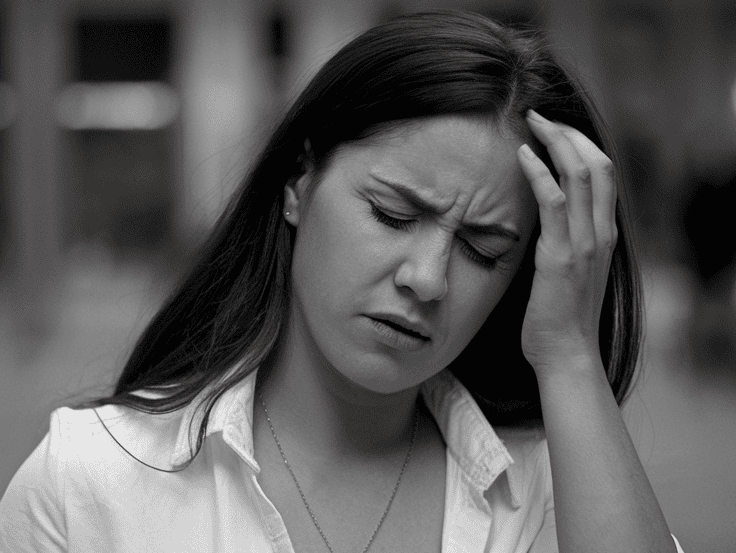
Neurological conditions affect millions of people worldwide, touching every aspect of life from cognition to movement.
This article offers a clear, friendly, and detailed look at the different types of neurological disorders, how they are diagnosed, managed, and treated, and what current research holds for the future.
Whether you’re a patient, caregiver, or simply curious, this guide aims to provide practical insights without unnecessary fluff.
Understanding the Nervous System
The human nervous system is a complex network responsible for controlling body functions and processing information. It consists of:
- Central Nervous System (CNS): The main processing center is composed of the brain and spinal cord.
- Peripheral Nervous System (PNS): This consists of nerves that branch out from the CNS and connect them to other body parts.
How It Works
Neurons, the building blocks of the nervous system, communicate via electrical signals and neurotransmitters.
This network allows for smooth movement, sensation, and thought coordination when functioning properly. Disruptions can lead to various neurological conditions.

Classification of Neurological Conditions
Neurological disorders are diverse, but they can be broadly categorized as follows:
| Category | Examples |
|---|---|
| Developmental Disorders | Autism spectrum disorders, cerebral palsy |
| Degenerative Disorders | Alzheimer’s disease, Parkinson’s disease, Huntington’s disease |
| Demyelinating Diseases | Multiple sclerosis, Guillain-Barré syndrome |
| Vascular Disorders | Stroke, aneurysms, vascular dementia |
| Infectious/Inflammatory Disorders | Encephalitis, meningitis |
| Traumatic Injuries | Traumatic brain injury, spinal cord injury |
| Epilepsy and Seizure Disorders | Various seizure types |
| Other | Genetic conditions, metabolic disorders affecting the nervous system |
These categories help clinicians and researchers understand the underlying mechanisms and tailor treatments accordingly.
Common Neurological Conditions
1. Alzheimer’s Disease
- Overview: A degenerative condition marked by memory loss and cognitive decline.
- Risk Factors: Age, genetics, and lifestyle factors.
- Treatment: Medications, cognitive therapies, and support services.
- Management Tips: Regular mental exercises, social engagement, and a healthy diet can help slow progression.
2. Parkinson’s Disease
- Overview: Characterized by tremors, rigidity, and difficulty with movement.
- Symptoms: Motor issues (tremors, stiffness) and non-motor symptoms (sleep disturbances, depression).
- Treatment: Medication (e.g., levodopa), deep brain stimulation, and physical therapy.
- Management Tips: Exercise routines and supportive community resources are essential.
3. Multiple Sclerosis (MS)
- Overview: An autoimmune condition where the body attacks the protective covering of nerves.
- Symptoms: Fatigue, vision problems, and mobility challenges.
- Diagnosis: MRI, spinal fluid analysis, and clinical evaluations.
- Treatment: Disease-modifying therapies, steroids for flare-ups, and lifestyle adjustments.
4. Epilepsy
- Overview: A disorder marked by recurring seizures.
- Types of Seizures: Ranging from mild absence seizures to full-blown convulsions.
- Treatment: Anti-epileptic medications, surgical interventions, and lifestyle modifications.
- Management Tips: Consistent sleep patterns and stress reduction are beneficial.
5. Headaches and Migraines
- Overview: While headaches are common, migraines are more severe and can be disabling.
- Symptoms: Throbbing pain, nausea, and sensitivity to light and sound.
- Treatment: Pain relievers, preventive medications, and alternative therapies like acupuncture.
- Management Tips: Identify and avoid triggers such as certain foods or environmental factors.

Diagnosis and Diagnostic Tools
Accurate diagnosis is crucial for effective treatment. Key diagnostic approaches include:
Clinical Evaluation
- History and Symptoms: A thorough review of the patient’s medical history and current symptoms.
- Physical Examination: Neurological exams to test reflexes, muscle strength, and sensory responses.
Imaging Techniques
- MRI and CT Scans: Provide detailed brain and spinal cord images to detect abnormalities.
- PET Scans are used to observe brain activity, particularly in conditions like Alzheimer’s disease.
Electrophysiological Tests
- EEG (Electroencephalogram): Monitors brain electrical activity, especially in epilepsy.
- Nerve Conduction Studies: Assess the speed and strength of nerve signals.
Biomarkers and Genetic Testing
- Biomarkers: Specific proteins or genetic markers can indicate the presence or progression of a disorder.
- Genetic Testing: Particularly useful in diagnosing inherited neurological conditions.
Treatment and Management Strategies
Treatments for neurological conditions vary widely, but they generally fall into several categories:
Pharmacological Interventions
- Medications: These may include drugs to manage symptoms or slow disease progression. For example:
- Alzheimer’s: Cholinesterase inhibitors.
- Parkinson’s: Dopaminergic agents.
- Epilepsy: Anti-epileptic drugs.
- Considerations: Each medication comes with benefits and potential side effects. Adjustments are often necessary over time.
Surgical Options
- When Needed: Surgery is sometimes required for conditions like brain tumors and severe epilepsy or to implant devices such as deep brain stimulators.
- Risk and Recovery: Surgical interventions are carefully considered due to inherent risks and the need for specialized recovery plans.
Rehabilitation and Therapy
- Physical Therapy: Helps improve mobility and strength.
- Occupational Therapy: Assists in regaining daily living skills.
- Speech Therapy: Useful for patients with communication difficulties.
- Benefits: Regular therapy can significantly improve quality of life and foster independence.
Innovative and Emerging Therapies
- Stem Cell Research: Offers the potential to regenerate damaged neural tissue.
- Neurostimulation: Techniques such as transcranial magnetic stimulation (TMS) and deep brain stimulation are gaining traction.
- Gene Therapy: Experimental treatments aiming to correct genetic defects at the source.
Lifestyle and Complementary Approaches
- Nutrition: A balanced diet of omega-3 fatty acids, antioxidants, and vitamins supports brain health.
- Exercise: Regular physical activity benefits both mental and physical aspects.
- Stress Management: Mindfulness, meditation, and yoga can reduce symptoms and improve overall well-being.
Research and Future Directions
Ongoing research is at the forefront of discovering better treatments and potential cures. Key areas include:
Ongoing Clinical Trials
- Focus Areas: Trials explore novel drugs, advanced surgical techniques, and new rehabilitative therapies.
- Participation: Patients may consider enrolling in trials to gain access to cutting-edge treatments.
Technological Advances
- AI and Big Data: Help in early diagnosis and personalized treatment plans.
- Brain-Computer Interfaces: These devices are evolving to assist individuals with severe disabilities and offer new ways to interact with technology.
- Neuroimaging Improvements: Enhanced imaging techniques allow for earlier and more accurate diagnosis.
Ethical and Global Considerations
- Access to Care: There is a global need to bridge disparities in treatment availability.
- Ethical Debates: Issues like gene editing and data privacy remain central to discussions in neurological research.
Living with Neurological Conditions
Managing a neurological condition involves more than just medical treatment. It encompasses daily adjustments, emotional support, and a strong community network.
Patient Perspectives and Support Systems
- Personal Stories: Many patients share inspiring journeys of resilience and adaptation.
- Support Groups: Both online and local groups offer invaluable emotional and practical support.
- Role of Caregivers: Family members and professional caregivers are critical in daily management.
Impact on Quality of Life
- Emotional Health: Anxiety, depression, and social isolation can be common; counseling and support groups help mitigate these issues.
- Daily Life Adjustments: Adaptive tools and modifications at home and work environments can significantly enhance independence.
Frequently Asked Questions (FAQs)
Q: What is a neurological condition?
A: Any disorder that affects the brain, spinal cord, or nerves, leading to a wide range of symptoms from pain and weakness to cognitive and behavioral issues.
Q: How are neurological conditions diagnosed?
A: Diagnosis typically involves a clinical evaluation, imaging techniques (MRI, CT scans), electrophysiological tests (EEG), and sometimes genetic testing.
Q: Are neurological conditions curable?
A: Many conditions are manageable with treatment, but not all are curable. Early diagnosis and intervention can improve outcomes.
Q: What are common treatments for neurological disorders?
A: Treatments range from medications and surgery to physical, occupational, and speech therapy. Emerging therapies like neurostimulation and gene therapy are also being explored.
Q: Can lifestyle changes help manage neurological conditions?
A: Yes, a healthy diet, regular exercise, stress management, and supportive therapies can improve overall well-being and help manage symptoms.
Q: What role does research play in treating these conditions?
A: Research is vital for developing new treatments and understanding disease mechanisms. Clinical trials and technological advances continually push the boundaries of what’s possible.
Conclusion
Neurological conditions present complex challenges requiring a comprehensive diagnosis, treatment, and support approach.
With advancements in research and technology, the future holds promise for improved therapies and better quality of life for those affected.
This overview provides a roadmap for understanding these conditions, emphasizing the importance of early intervention, multidisciplinary care, and continued research.
By staying informed and proactive, patients, caregivers, and healthcare providers can work together to navigate the challenges posed by neurological disorders and foster hope for a healthier future.
