
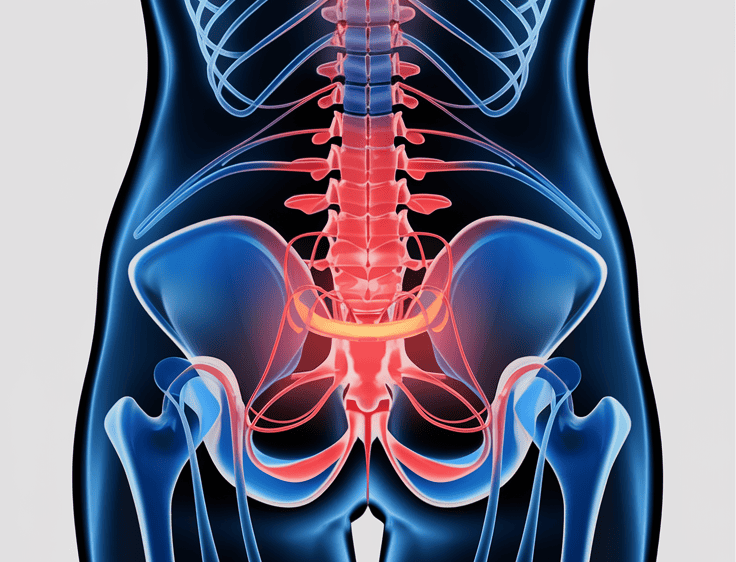
If you’ve been battling nagging hip and back pain, you know how sciatica can throw off your whole day. The good news? You don’t have to rely on endless medications or complicated routines.
If your pain keeps coming back, these hidden triggers of sciatica could be the real reason.
This article introduces you to one simple yet highly effective stretch that can ease sciatica discomfort and help you reclaim your mobility. With clear steps, handy tips, and expert advice, you’ll learn how to incorporate this magic stretch into your daily routine—no fluff, just real relief.

Understanding Sciatica: Causes and Symptoms
Sciatica isn’t just a buzzword—it’s a condition marked by pain that travels along the sciatic nerve path. This nerve runs through your lower back, hips, and buttocks and down each leg. Here’s what you need to know:
- What is Sciatica?
Sciatica occurs when the sciatic nerve is irritated or compressed, often due to a herniated disc, spinal stenosis, or even muscle tightness. The result is a sharp, burning, or aching pain that can worsen with movement. - Many people misidentify their pain—here’s how to tell sciatica from regular back pain
- Doctors actually use specific methods to confirm it—learn how sciatica is diagnosed
- Common Symptoms:
- Sharp or shooting pain in the lower back, buttocks, or legs
- Tingling, numbness, or muscle weakness in the affected leg
- Increased pain after prolonged sitting or standing
- Discomfort that may be alleviated by changing positions
Some symptoms are easy to overlook or misinterpret—especially in the early stages. If your pain feels unusual or doesn’t match typical patterns, these unexpected warning signs of Sciatica might reveal what’s really going on.
- Why Stretching Helps:
Stretching can relieve pressure on the sciatic nerve by loosening tight muscles, especially around the glutes and lower back. When these muscles are relaxed, they reduce nerve strain, which can lessen your pain. But not all stretches are safe—avoid these common stretching mistakes that worsen sciatica
Understanding sciatica’s mechanics is the first step toward effective relief. With this foundation, you can appreciate why the stretch we’re about to explore works so well.
The Magic Stretch: Seated Glute Stretch
The stretch we’re highlighting today is known as the Seated Glute Stretch. This simple yet powerful move targets the gluteal muscles—often a major culprit behind sciatica pain.
Let’s walk through the steps so you can start feeling relief. If you want more fast relief, try these simple sciatica stretches that work instantly.
Step-by-Step Instructions
To make it easier, here’s a table outlining each step:
| Step | Action | Key Points |
|---|---|---|
| 1 | Sit on the Floor: Extend both legs straight out. | Ensure your back is straight and shoulders relaxed. |
| 2 | Bend Your Right Knee: Place your right ankle over your left knee. | This creates a figure-four position that targets the glute area. |
| 3 | Lean Forward Gently: With your back straight, lean forward slowly until you feel a stretch in your right glute. | Avoid rounding your back to maximize the stretch’s effectiveness. |
| 4 | Hold the Stretch: Keep the position for 15-30 seconds. | Breathe deeply to help your muscles relax. |
| 5 | Switch Sides: Repeat the same process on the left side. | Consistency is key—both sides should be equally flexible. |
Breaking it down into these steps helps ensure you perform the stretch correctly, maximizing the benefits and minimizing any risk of further discomfort.
This is just one move—here are more powerful stretches for long-term relief.
Detailed Breakdown of the Stretch
Starting Position:
Begin by sitting on a comfortable, flat surface. Sitting with extended legs gives you full control over your body, allowing you to adjust your position as needed. Make sure you’re in a quiet space where you can focus on your breathing and movement.
Creating the Figure-Four Position:
When you bend your right knee and place your right ankle on your left knee, your leg forms a “4” shape. This position effectively targets the glute muscles. Your left leg must remain straight during this phase to maintain stability.
The Lean:
Slowly lean forward from your hips. The key here is to keep your back straight, ensuring the stretch is concentrated in the glute rather than just straining your back muscles. You should feel a gentle, deep stretch in the right glute. If the stretch is too intense, ease off slightly until you find your comfort zone.
Holding the Position:
Maintain the stretch for at least 15 to 30 seconds. This duration allows your muscles to lengthen gradually, providing sustained relief. Breathe slowly and deeply during the hold, which helps reduce tension further.
Repeating on the Other Side:
Switch to the opposite side once you’ve completed the stretch on one side. Balancing the stretch on both sides is essential for overall muscle symmetry and to prevent imbalances that could lead to further issues.
This stretch is not only effective—it’s also accessible. Whether you’re a beginner or have been managing sciatica for years, this simple move can be easily integrated into your daily routine. If your pain is deeper in the hip, it could be related to this condition.

Additional Tips for Effective Stretching
While the Seated Glute Stretch is incredibly beneficial, here are some additional tips to enhance your stretching routine:
Warm-Up First:
Always start with a light warm-up, such as walking or gentle marching in place. Warming up increases blood flow to your muscles and reduces the risk of injury.
Stay Consistent:
Incorporate the stretch into your daily routine. Consistency is key to seeing long-term improvements. Even 10 minutes a day can make a big difference.
Mind Your Posture:
Maintaining proper form during the stretch is critical. Focus on keeping your back straight and avoid jerky movements. This helps ensure you’re targeting the right muscles without adding stress to your spine.
Boost Your Sciatica Relief Instantly
Listen to Your Body:
Stop immediately if you feel any sharp pain or discomfort beyond the normal stretch sensation. Your body is the best indicator of when you’re pushing too hard.
Complement with Other Exercises:
Consider integrating other low-impact exercises like walking, swimming, or yoga into your routine. These activities promote overall muscle strength and flexibility, further aiding pain management.
Hydrate:
Drinking water before, during, and after your stretching routine can help prevent muscle cramps and keep your body functioning optimally.
Use Visual Aids:
Since Pinterest is a visual platform, consider pairing these tips with high-quality images or short videos. Visual aids can help ensure that you’re performing the stretch correctly and safely.
Following these additional tips enhances the effectiveness of your sciatica relief and promotes overall muscle health and flexibility.
Precautions
While this stretch can be a game-changer for sciatica pain, it’s important to take certain precautions to ensure your safety:
Consult a Professional:
If you’re experiencing severe pain or have underlying health issues, it’s wise to consult with a healthcare provider before starting any new exercise routine.
Avoid Overstretching:
Overstretching can lead to further injury. Always move slowly and gently, especially when you’re just starting out. Remember, the goal is to relieve pain, not to force your muscles beyond their limit.
Modify as Needed:
Everyone’s body is unique. If you find the standard stretch version too challenging, consider modifying it. For instance, you can use a cushion or yoga block for additional support.
Stop if You Feel Pain:
While a mild discomfort is normal during stretching, sharp or severe pain is a warning sign. If you experience this, stop the stretch immediately and reassess your form.
Taking these precautions will help you enjoy the benefits of the stretch without risking further injury.
Frequently Asked Questions (FAQs)
Q1: How often should I perform the Seated Glute Stretch?
A: Aim for 2-3 times per day, or at least once daily, to maintain muscle flexibility and manage sciatica pain effectively.
Q2: How long should I hold the stretch each time?
A: Hold the stretch for 15-30 seconds per side. This duration allows your muscles to relax and elongate without overstraining.
Q3: Can this stretch cure sciatica?
A: While the stretch can significantly reduce pain and improve mobility, it is not a cure for sciatica. It’s most effective as part of a broader treatment plan that may include physical therapy, exercise, and, in some cases, medical intervention.
Q4: What if I feel pain while doing the stretch?
A: Mild discomfort is normal, but if you experience sharp or severe pain, stop immediately and consult a healthcare professional. Adjust your form or reduce the intensity of the stretch if needed.
Q5: Are there any alternative stretches I can try for sciatica?
A: Yes, there are several other stretches that may help. Examples include the knee-to-chest stretch, piriformis stretch, and hamstring stretches. It’s often beneficial to incorporate a variety of stretches into your routine for overall relief.
Q6: Can I do this stretch if I have other back issues?
A: If you have significant back problems or a history of spinal injuries, consult your doctor before trying any new stretches. They may recommend modifications or alternative exercises tailored to your needs.
Q7: How soon can I expect to see results?
A: Results vary from person to person, but many individuals notice reduced discomfort within a few days to a couple of weeks of consistent practice.
Conclusion
Incorporating the Seated Glute Stretch into your daily routine might be the simple solution you need to alleviate persistent sciatica pain.
With clear, step-by-step guidance and additional tips to ensure proper technique, you can take proactive steps toward a more comfortable, pain-free life. Consistency is key; small changes can lead to significant improvements over time.
Whether you’re a Pinterest enthusiast looking for quick relief tips or someone seeking a more holistic approach to managing sciatica, this magic stretch offers a user-friendly, accessible method to improve your daily comfort. Try it out today, listen to your body, and enjoy the journey to better mobility and reduced pain!
