
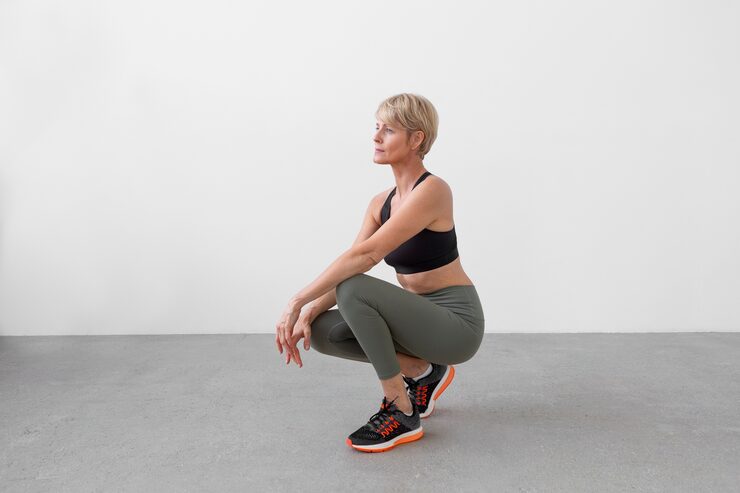
A sudden, heavy pressure settled into my hip while I was folding laundry — a sharp, sinking ache that made standing feel impossible. I didn’t panic; I reached for a chair, shifted my weight, and used a tiny trick I’d practiced before: hip hinge, pillow under glute, breathe slow.
Within minutes the pressure eased enough for me to move without fear. That one small habit turned a freezing moment into something manageable.
This article is a practical, friendly roadmap of posture fixes you can use the moment hip pressure flares — whether you’re at a desk, on the floor, or halfway through an errand.

What Causes Hip Pressure?
Understanding why your hip feels pressurized helps you choose the right fix quickly.
- Muscle Guarding: When pain spikes, surrounding muscles clamp down and increase local pressure.
- Nerve Irritation: Tightness or compression (sciatic, cluneal nerves) can feel like deep pressure.
- Joint Load: Poor alignment or sudden loading (standing from low seat) concentrates force in the hip.
- Circulation Changes: Being stationary too long can cause pooling and that heavy, swollen feeling.
- Referred Pain: Low back or pelvic issues can present as hip pressure.
The good news: many of these drivers respond immediately to small positional changes and simple mechanics. The goal is to reduce load, calm the nervous system, and restore circulation — fast.
Immediate Principles For Instant Relief
Before any specific move, keep these four principles in mind. They guide every quick posture fix.
- Reduce Load: Move so the painful area carries less weight. Sit, lie, or shift to a supported position.
- Stabilize Safely: Protect joints. Avoid jerky movements; use slow, controlled adjustments.
- Breathe First: Slow exhale-focused breaths (4 in / 6 out) lower panic and downshift muscle tension.
- Micro-Movements: Small motions beat frantic attempts to “power through.” Finger-sized progress, not force.
Quick Fixes You Can Do Immediately (0–5 Minutes)
These are the fastest things to try in order. Do one, pause, and notice change.
Sit With Hip Support
- Scoot to the back of a chair.
- Place a cushion or rolled towel behind your lower back and under the hip crease on the sore side.
- Keep both feet flat and slightly wider than hip-width.
- Breathe calmly for 2–3 minutes.
Why it helps: It opens the hip crease, reduces load on the joint, and allows muscles to relax into the support.
Lie On Your Back With Pillows
- Lie flat on your back.
- Place a pillow under your knees or a firmer pillow under the glute of the pressured side.
- Let your legs relax and breathe slowly.
Why it helps: Slight knee bend reduces lumbar and hip tension. A pillow under the glute offloads the joint and nerve stretch.
Sidelying Lift (Gentle)
- Lie on the non-painful side.
- Bend both knees slightly.
- On the painful side, keep the hip relaxed. If safe, very gently raise the top knee a few inches and lower slowly — tiny range only.
- Repeat 6–8 slow reps if comfortable.
Why it helps: Activates glute stabilizers without heavy load, reduces reflex guarding over time.
Weight Shift If Standing
- If you must stand, shift weight to the non-painful leg.
- Slightly bend the painful-side knee.
- Plant toes and imagine sinking into the supporting leg so the painful hip can “rest.”
Why it helps: Transfers load away from the irritated side instantly.

Seated Pelvic Tilt
- Sit tall.
- Tilt pelvis forward and backward slowly in small ranges — 6–8 reps.
- Focus on breathing with the movement.
Why it helps: Mobilizes the pelvis, reduces stiffness, improves circulation.
Desk And Chair Adjustments That Stop Pressure Fast
Many hip pressure moments happen at desks. These quick ergonomics protect your hips without a full workstation overhaul.
Chair Setup Checklist (Table)
| Item | Action |
|---|---|
| Seat Depth | If the seat presses at the back of your knees, move forward so there’s a 2–3 finger gap behind the knee. |
| Seat Height | Feet flat, knees ~90–100°. Use a footrest if your feet dangle. |
| Lumbar Support | Small rolled towel or lumbar pillow behind lower back to maintain curve. |
| Arm Support | Rest forearms to avoid slumping into one hip. |
| Hip Angle | Slightly open (seat tilted forward a few degrees) can reduce anterior hip pressure. |
Small Desk Hacks
- Use a firm cushion behind one hip to mimic side-lying support while sitting.
- Keep a short phone charger or water bottle within reach to avoid extended twisting or leaning.
- Stand up every 20–30 minutes for 1–2 minutes and perform gentle ankle pumps and pelvic tilts.
Bed, Floor, And Nighttime Fixes
Nighttime or waking episodes are common. These positions reduce pressure while you rest.
Bed Positioning Sequence
- Lie on your back.
- Place a pillow under the knees.
- If side-sleeping, place a pillow between the knees to keep hips aligned.
- Use a small wedge or folded towel under the hip crease if pressure persists.
Getting Up Safely From Bed
- Roll to your side.
- Use your arms to push your torso into a seated position.
- Swing your legs off the bed and push from your hands to stand, using a stable surface for support.
Why it helps: Avoids sudden hip loading and uses larger, stronger muscle groups rather than the hip alone.
Standing, Walking, And Transfers
Pressure can spike during standing or walking. These strategies reduce load and prevent falls.
The Hip Hinge (Safe Stand Technique)
- From sitting, slide to the front edge of chair.
- Feet hip-width, slightly back under knees.
- Lean forward from the hips (not the waist) keeping chest open.
- Push through the heels and stand using both legs equally.
Tip: Practice without weight when well so it becomes automatic.
Use A “Two-Stage” Transfer
If rising is hard:
- Move from floor to side-sit, then to hands-and-knees.
- Push into the stronger leg or a stable surface.
- Bring yourself to a chair using a pivot technique rather than a single explosive movement.
Walk Short Intervals
- Walk 1–2 minutes, rest 1 minute.
- Use a cane or walker temporarily if balance is shaky.
- Short frequent walks maintain circulation without overloading.

Targeted Micro-Movements You Can Do Anywhere
Micro-movements are tiny, low energy gestures that reset muscle tone and reduce pressure.
- Ankle Circles: 10 each side while seated.
- Toe Taps: Tap toes while keeping heels down — 20 reps.
- Seated Hip Circles: Small circular motion at the hip joint — 6 slow reps each direction.
- Glute Squeezes: Tighten glute for 3–5 seconds, relax — 8–12 reps.
- Pelvic Clock: Imagine a clock on your belly and tilt pelvis to 12, 3, 6, 9 in tiny ranges.
Why they work: They send non-threatening signals to the nervous system, reduce guarding, and improve blood flow.
Short Routines: 2-Minute, 10-Minute, 30-Minute Plans
Pick one depending on how much bandwidth you have.
2-Minute Reset
- Sit with lumbar support (30 sec).
- 6 slow breaths (30 sec).
- Ankles circles + toe taps (60 sec).
10-Minute Recovery
- Lie on back, pillow under knees (2 min).
- Gentle sidelying micro-lifts (2 min).
- Seated pelvic tilts (2 min).
- Slow walk around the room + hydration (4 min).
30-Minute Reboot
- Warm pack 10 minutes while lying with knees bent.
- Gentle hip mobility sequence: pelvic clocks, bridge holds, sidelying micro-lifts (15 min).
- Posture review + plan update (5 min).
Simple Strength And Mobility Exercises (Do When You’re Well)
Strength and mobility reduce future pressure episodes. Keep reps small and frequent.
Exercise Table (Suggested Sets/Reps)
| Exercise | Purpose | Sets/Reps |
|---|---|---|
| Glute Bridge | Build posterior chain support | 2–3 sets of 8–12 |
| Clamshell (tiny range) | Hip stabilizer, avoid pain provocation | 2 sets of 10 each side |
| Mini Squat (hands support) | Load tolerance | 2 sets of 8 |
| Standing Hip Extension | Posterior chain activation | 2 sets of 10 each leg |
| Hip Flexor Stretch | Reduce anterior tension | Hold 30 sec x2 each side |
| Cat-Cow Pelvic Mobility | Spinal-hip rhythm | 8–10 slow reps |
Notes:
- Start with pain-free ranges.
- Stop if sharp or new neurological symptoms occur.
- Progress slowly; frequency beats intensity.
Ergonomic Tools Worth Having
Small tools can immediately change hip load.
- Firm Seat Cushion: Prevents posterior pelvic tilt and reduces anterior hip pressure.
- Lumbar Roll: Maintains lower back curve.
- Footrest: Keeps knees at ideal angle.
- Slip-Resistant Socks: Safer footing when moving.
- Portable Heat/Cold Pack: Immediate local relief.
Pain Management When Movement Is Limited
If you physically can’t reposition, there are in-place strategies that ease pressure and calm the nervous system.
- Breathing + Visualization: Slow exhale patterns while imagining a cooling sensation at the hip.
- Topical Analgesic: If reachable, apply per instructions.
- Self-Massage: Light circular massage around the hip crease (avoid deep aggressive pressure).
- Contrast Touch: Hold a cool object briefly then a warm one to shift focus.
- Micro-Contractions: Gentle 3–5 second squeezes of glute then relax — repeat 8–10x.
Emergency Hip Relief Kit (Table)
| Item | Why It Helps | Where To Keep |
|---|---|---|
| Small Pillow / Rolled Towel | Hip offload, lumbar support | Bedside, couch-side |
| Reusable Heat/Cold Pack | Immediate analgesia | Kit |
| Short Phone Charger | Call for help without moving far | Kit |
| Water Bottle (non-spill) | Hydration reduces muscle cramping | Kit |
| Slip-Resistant Socks | Safer short transfers | Kit |
| Whistle / Small Alarm | Attract attention if voice weak | Kit |
Tip: Keep duplicates in spots you use most. Rotate heat packs every 6–12 months.
Scripts To Use When You Need Help
Short, direct lines reduce thinking during panic.
- To a Friend/Neighbor: “Hi, it’s [Name]. I can’t move my hip and need help sitting up. Can you come now? I’m at [address].”
- For 911/EMS: “I have severe hip pain and reduced movement. I’m [age], at [address]. I’m not having chest pain or difficulty breathing.”
- For Your Clinician: “I had acute hip pressure lasting [time]. I used [list actions]. I’m requesting advice or a check-in.”
Travel And Out-Of-Home Tips
Being away from home doesn’t mean you’re helpless. Use compact strategies.
- Pack a flat inflatable pillow or foldable seat cushion.
- Sit near exits and choose seats with armrests on both sides.
- Inform travel companions about your one-page plan.
- Pre-save “If I don’t check in by [time], call me” messages.
When To Seek Medical Attention
Some signs aren’t just posture-related and need urgent care.
Call emergency services if you have:
- New numbness or tingling spreading down the leg.
- Sudden weakness on one side or inability to move a leg.
- New fever, redness, swelling that suggests infection.
- Signs of systemic trouble: chest pain, severe shortness of breath.
Call your clinician if:
- Episodes increase in frequency or severity.
- Recovery takes longer than usual.
- You had a fall or lost consciousness.
Building Your One-Page Posture Plan
Write it, laminate it, keep it near your phone.
Suggested One-Page Template
- If I Feel Hip Pressure: Sit or lie with support. Breathe 6–8 slow breaths. Try pillow under hip or knee.
- If No Red Flags: Use heat/cold, micro-movements, call neighbor if needed.
- If Severe Red Flags: Call 911 and state “acute hip immobility/pain.”
- Medications Today: [list time + med]
- Allergies: [list]
- Emergency Contact: [name + number]
- Nearest Help: [neighbor name + key info]
Share this with family and practice the short transfers once while well.
Preventive Habits That Lower Hip Pressure Frequency
These aren’t dramatic fixes — they’re steady returns on tiny investments.
- Regular sleep routine.
- Hydration throughout the day.
- Micro-breaks every 20–30 minutes.
- Gentle daily mobility routine (5–10 minutes).
- Strength work twice weekly focused on glutes and core.
- Managing stress with breathing or short meditations.
Personal Maintenance: Keep A Simple Log
After any episode, jot:
- Start time.
- What you were doing.
- What helped (and what didn’t).
- Meds taken.
- Duration until improvement.
Bring this to your clinician — it’s pure data and helps refine treatment.
Common Mistakes To Avoid
- Pushing Through Pain: Forcing movement often increases guarding and recovery time.
- One-Size-Fits-All Fixes: What helps one person (heat) may worsen another.
- Ignoring Small Improvements: Tiny stabilizing wins compound over time.
- Waiting Too Long To Ask For Help: Delays risk falls and complications.
FAQs
How Fast Should I Expect Relief From A Posture Fix?
Many people feel measurable relief within 1–5 minutes after a positional change and breathing. Full reduction may take longer depending on the cause.
Is Heat Or Cold Better For Hip Pressure?
Both can help. Use cold for acute swelling and heat for muscle tension. Try a brief test: 5–10 minutes and notice what reduces your perceived pressure.
Are Wearables Helpful For Hip Problems?
They can detect falls and inactivity; however, they’re backups — not replacements for a simple plan and practice.
Can I Do Strength Training If I Keep Getting Hip Pressure?
Yes, but start with low-load, high-frequency exercises and stop if pain increases. Consult your clinician if episodes persist.
What If I Keep Having Episodes Despite Fixes?
Document details and bring them to your clinician. Consider blood pressure checks (sitting/standing), medication review, and possible referrals for imaging or specialist input.
How Do I Explain This To A First Responder?
Short, factual script: “I have fibromyalgia/chronic hip pain with acute immobility. My baseline is [independent/needs assistance]. The episode started at [time]. My meds/allergies are [list].”
Should I Use A Cane Or Walker?
Temporary use can increase safety and confidence. Discuss with a clinician or physical therapist for proper fitting and training.
Final Quick Checklist (Numbered)
- Keep a small pillow or towel within arm’s reach.
- Practice the hip hinge and log-roll while well.
- Save short help scripts in your phone.
- Prepare an emergency kit in the spots you use most.
- Record each episode briefly for your clinician.
- Do short daily mobility and twice-weekly glute-strength work.
- Share your one-page plan with at least one neighbor or friend.
Closing Note
Hip pressure can feel terrifying in the moment — heavy, immovable, and isolating. The power of posture fixes isn’t magic; it’s predictable mechanics and steady preparation. Small positional changes, slow breaths, tiny micro-movements, and a short, practiced plan will get you through most episodes without escalation.
Make one small habit today — a pillow at the bedside, a two-minute reset, a saved script — and you’ll find the next time your hip flares, you have a map to follow. That map keeps your body safer and your panic quieter, and that really is everything.