
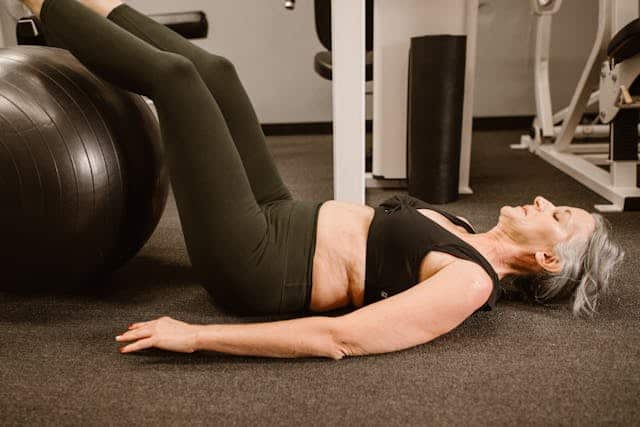
A few years after my 40th birthday I noticed the scale climbing even though I hadn’t changed much. One morning I tried on clothes and felt—frankly—surprised.
I kept a simple note: focus on protein, move more deliberately, and sleep like it matters. That sticky note turned into concrete habits that helped me lose the awkward ten pounds and keep it off.
This article takes that same human, no-nonsense approach: clear steps, quick wins, and safety checks for anyone who wants faster, realistic weight loss after 40 without gimmicks.

Why Weight Loss Feels Harder After 40
As we age our bodies quietly change: muscle mass declines, metabolism slows a bit, hormone levels shift, and recovery from exercise takes longer. These are normal.
The solution isn’t punishing workouts or extreme diets. It’s smarter choices that preserve muscle, control appetite, and create steady calorie gaps you can keep.
For healthy, sustainable results, clinicians typically recommend aiming for about 1–2 pounds a week — a steady pace that’s easier to maintain and safer for most people.
The Big Four Rules For Fast, Safe Weight Loss After 40
- Preserve And Build Muscle
- Control Calories Without Starvation
- Improve Sleep And Manage Stress
- Prioritize Sustainable Habits Over Quick Fixes
Each rule has practical steps below.
Preserve And Build Muscle: The Foundation
Why Muscle Matters
Muscle burns calories even at rest and protects function as we age. Losing muscle makes weight regain easier and mobility harder.
Combining strength (resistance) training with a moderate calorie deficit produces better body-composition results than cardio alone.
How To Do It: Practical Strength Guidelines
- Schedule Strength Training 2–4 Times/Week. Focus on full-body sessions: squats/box sits, push/pull (rows), hinge (deadlift variations), and core. Keep sessions 30–45 minutes.
- Use Progressive Overload. Slightly increase reps, weight, or time under tension every 1–2 weeks.
- Include Compound Movements. These recruit more muscle and burn more calories.
- Prioritize Recovery. Rest 48 hours between heavy sessions for the same muscle groups. Sleep and protein help recovery.
- Start Light If You’re New. Practice form, then increase load.
Sample Beginner Strength Session (30–35 minutes)
- Warm-up: 5 minutes march-in-place + arm circles
- Squat to chair: 3 sets × 10–12 reps
- Bent-over row (band or dumbbells): 3 × 10
- Hip hinge (Romanian deadlift light): 3 × 10
- Push-ups on knees or incline: 3 × 8–12
- Plank holds: 3 × 20–30 seconds
- Cool-down: gentle stretch
Control Calories Without Starvation: Eat Smart, Not Crazy
Small, Consistent Deficits Win
A daily calorie gap of roughly 400–700 calories will typically produce 1–2 lb per week. Radical calorie cuts often backfire: they slow your metabolism, spike hunger, and sabotage muscle. Aim for a sustainable deficit.
Protein: Your Nonnegotiable Ally
After 40, protein helps preserve muscle and curbs hunger. Aim for a meal-by-meal approach: 20–35 g of quality protein at each main meal depending on your weight and activity. Older adults often benefit from slightly higher protein than the minimum RDA to protect muscle.
Practical protein sources:
- Eggs, Greek yogurt, cottage cheese
- Chicken, turkey, lean beef, fish
- Tofu, tempeh, legumes (pair with whole grains)
- Protein powders if needed (check ingredients)
Food Swaps That Save Calories Without Feeling Deprived
- Swap sugary drinks for water or sparkling water.
- Replace a large plate of pasta with half pasta + large green salad with protein.
- Snack: Greek yogurt + berries instead of chips.
- Cook with nonstick pans and measure oil until you get a feel for portions.
Meal Tactics That Reduce Calories Naturally
- Plate Method: Half nonstarchy veg, ¼ lean protein, ¼ whole grains/starchy veg.
- Fill Up On Volume: Veggies and broth-based soups add bulk with fewer calories.
- Protein First: Eat protein early in the meal to reduce overeating later.
- Hydrate Before Meals: A glass of water 20 minutes before eating can reduce intake for some people.

Move Intelligently: Cardio + Strength + NEAT
Cardio For Fat Loss
Aim for at least 150 minutes of moderate aerobic activity weekly; more can increase results. Aerobic exercise reduces body fat and waist circumference when paired with diet.
NEAT: The Hidden Calorie Burner
Non-Exercise Activity Thermogenesis (NEAT) — walking while on calls, taking stairs, standing more — can add hundreds of burned calories weekly without extra gym time. Small habits add up.
Weekly Movement Example (Busy Schedule)
| Day | Strength | Cardio/Movement |
|---|---|---|
| Mon | Strength (30–40 min) | 20-min walk after dinner |
| Tue | Mobility + light walk | 30-min brisk walk |
| Wed | Strength (30–40 min) | 10-min NEAT (standing work) |
| Thu | Yoga or mobility | 30-min cycle or swim |
| Fri | Strength (30 min) | 20-min walk |
| Sat | Long walk/hike (45–60 min) | Active chores |
| Sun | Rest or gentle stretching | Short walk |
Sleep And Stress: The Often-Missed Shortcuts
Why Sleep Matters
Short or low-quality sleep disrupts hunger hormones, increases cravings, and reduces the effectiveness of weight-loss efforts. Prioritizing sleep can move the needle as much as altering food choices.
Sleep Tips That Work
- Aim for 7–9 hours nightly.
- Keep a consistent bedtime and wake time, even on weekends.
- Avoid screens 60 minutes before bed; use a book or bath to unwind.
- Keep the bedroom cool, dark, and quiet.
Stress Management For Weight Control
Chronic stress elevates cortisol, which can increase appetite and encourage fat storage. Practical stress tools:
- 5–10 minutes daily breathing practice (box breathing).
- Short walks after meals to lower stress and aid digestion.
- Brief journaling: one quick line about what went well each day.
Intermittent Fasting: A Tool, Not A Miracle
Intermittent fasting (IF) — like time-restricted eating — can help some people reduce calories and simplify meals. Evidence shows IF often produces similar weight-loss results to continuous calorie restriction, so pick the approach you can maintain.
IF is not magic; it’s a structuring tool that can reduce late-night snacking and simplify choices. If you have diabetes, are on medications, or have a history of disordered eating, consult your clinician before trying IF.
Practical IF options:
- 16:8 (16-hour fast, 8-hour eating window).
- 14:10 for beginners.
- Eat-stop-eat (24-hour fast) — less recommended for beginners.
Smart Use Of Technology And Tracking
Keep It Simple
- Step Count Goal: Aim for 7,000–10,000 steps daily depending on fitness.
- Minimal Tracking: Track weight weekly, not daily. Daily fluctuations are normal.
- Food Tracking: Use a food log for 2–4 weeks to learn portions; then rely on habits.
- Apps/Devices: Use them for accountability, not as a source of shame.
Nutrition: What To Emphasize (Not Just What To Cut)
Focus On:
- Protein-rich meals to preserve muscle.
- Fiber and veggies for satiety and gut health.
- Whole grains, beans, and legumes for sustained energy.
- Healthy fats (olive oil, nuts, avocado) in measured amounts.
- Hydration: water, herbal teas; be mindful of alcohol calories.
Limit:
- Sugary drinks and processed snack foods.
- Refined grains in excess.
- Large portions of high-calorie sauces and dressings.
Quick-Start 14-Day Plan (Practical, Doable)
Goals
- Create a mild calorie deficit.
- Strength train twice weekly.
- Walk 30 minutes on most days.
- Sleep 7+ hours nightly.
Example Day (Template)
- Morning: 20–30 g protein breakfast (Greek yogurt + berries), glass of water.
- Midday: Strength session (30 min) OR brisk walk (30 min).
- Lunch: Salad with 4–6 oz chicken or tofu, large nonstarchy veg, small grain portion.
- Snack: Apple + 1 tbsp nut butter or cottage cheese.
- Dinner: Baked fish, steamed veg, small sweet potato.
- Evening: 20-minute walk if possible; wind-down routine 60 minutes before bed.
Supplements: Helpful, Optional, Not Required
Supplements aren’t required but can help if diet falls short:
- Protein powder to meet protein targets.
- Vitamin D if levels are low (get tested).
- Omega-3 for general health if fish intake is low.
Always check interactions with medications and ask your clinician before starting supplements.
Common Pitfalls And How To Fix Them
- Pitfall: Starving yourself and bingeing later.
Fix: Eat regular protein-rich meals and snacks; don’t skip meals. - Pitfall: Overreliance on cardio and no strength training.
Fix: Add two weekly strength sessions. - Pitfall: Tracking obsessively and failing due to burnout.
Fix: Track short-term to learn, then switch to habits. - Pitfall: Expecting overnight miracles.
Fix: Aim for 1–2 lb/week; celebrate non-scale wins (energy, sleep, clothes fit).
Sample Grocery List For Practical Weight Loss
- Protein: chicken breast, canned tuna, Greek yogurt, eggs, tofu
- Veggies: spinach, broccoli, bell peppers, carrots, mixed greens
- Fruits: berries, apples, oranges
- Whole grains: brown rice, quinoa, oats
- Healthy fats: olive oil, avocados, almonds
- Snacks: hummus, cottage cheese, unsalted nuts
Safety First: When To Talk To A Doctor
Before significant diet changes or starting intense exercise, check with your healthcare provider—especially if you have:
- Heart disease, high blood pressure, diabetes, or other chronic conditions
- Recent surgeries or injuries
- New symptoms like chest pain, dizziness with exercise, or fainting
If you’re on medications that affect appetite or blood sugar, medical supervision is essential.
Checklists: Daily, Weekly, And Monthly
Daily Checklist
- Protein at breakfast, lunch, dinner
- 30–45 minutes movement (walk, strength, or mix)
- 7+ hours of sleep
- Water: at least 6 glasses
- One serve of veg with every meal
Weekly Checklist
- 2–3 strength sessions
- 150+ minutes of moderate activity total
- Plan meals and grocery shop
- Weigh once and log the trend
Monthly Checklist
- Review progress and tweak calorie gap if stalled
- Check clothing fit and energy levels (non-scale wins)
- Rotate foods to avoid boredom
Troubleshooting Plateaus
When weight stalls:
- First, check for hidden calories (sauces, drinks).
- Increase protein slightly or tighten portion sizes.
- Add an extra 10–20 minutes of activity daily or increase intensity of one session.
- Reassess sleep and stress—both can halt progress.
- If plateau persists for months despite changes, consult a clinician; there may be medications or endocrine issues to review.

The Role Of Medications And Medical Options
There are prescription medications and procedures that can aid in weight loss. These are not first-line for everyone and require clinical evaluation for safety and suitability.
If you have a BMI in a range where medications are considered (often BMI ≥30, or ≥27 with comorbidities), discuss options with your clinician.
These tools can be helpful when combined with lifestyle changes, not as stand-alone quick fixes.
Emotional Work: Why Mindset Matters
Fast weight loss isn’t just physical. Shame and perfectionism sabotage progress. Replace “all or nothing” thinking with “progress, not perfection.” Track small wins: better sleep, stronger lifts, one fewer soda per day. These changes compound.
Use scripts for tough days:
- “This day doesn’t erase my progress.”
- “I’ll do one good choice now.”
- “I will be kind to my body while asking it to change.”
Frequently Asked Questions (FAQs)
How Fast Is Safe After 40?
A safe pace is generally 1–2 pounds per week. Faster rates can risk muscle loss, nutritional gaps, or rebound gain.
Should I Try Intermittent Fasting?
IF can work for some people as it reduces eating windows and late-night snacking. It’s comparable to continuous calorie restriction in many studies. Choose an IF schedule you can sustain and check with your doctor if you have medical conditions.
How Much Protein Do I Need?
Aim for ~20–35 g protein at each main meal, adjusted to body weight and activity. Older adults often benefit from a slightly higher intake than the minimum RDA to preserve muscle.
Cardio Or Strength — Which Is More Important?
Both matter. For fat loss, combine aerobic exercise (150+ minutes weekly) with regular resistance training to preserve and build muscle for better body composition results.
Will I Lose Muscle If I Diet?
You can protect muscle by prioritizing protein, doing resistance training, and avoiding extremely low-calorie diets. Strength training is your best defense.
Can Sleep Really Affect Weight Loss?
Yes. Poor sleep disrupts hunger hormones and can increase appetite, cravings, and fat storage. Prioritize 7–9 hours nightly to support weight goals.
What If I’m On Medication That Causes Weight Gain?
Talk to your prescriber. Some medications have alternatives or dose adjustments. Work with your clinician to create a safe plan that considers medication effects.
Final One-Page Plan (Keep This On Your Fridge)
- Daily: Protein at each meal; 30+ minutes movement; 7+ hours sleep.
- Weekly: 2–3 strength sessions; 150+ minutes cardio/movement; weigh once.
- If Stalled: Check calories, add NEAT, tighten portions, improve sleep.
- Safety: Consult clinician before major changes or if you have chronic conditions.
- Mindset: Small, consistent changes beat big, short-lived ones every time.
Closing Note
Losing weight after 40 doesn’t need drama. It needs muscle, protein, sleep, and steady habits. You don’t have to overhaul everything overnight — pick two changes this week (strength twice, protein at breakfast) and build from there.
Your body is not broken; it just needs different signals now. Give it clear, kind instructions and the patience to respond.