
The psoas muscle is vital for maintaining mobility and stability in the body. Incorporating targeted stretches can significantly ease discomfort in the back and knees. Understanding these stretches can promote overall well-being.
Kneeling Lunge Stretch
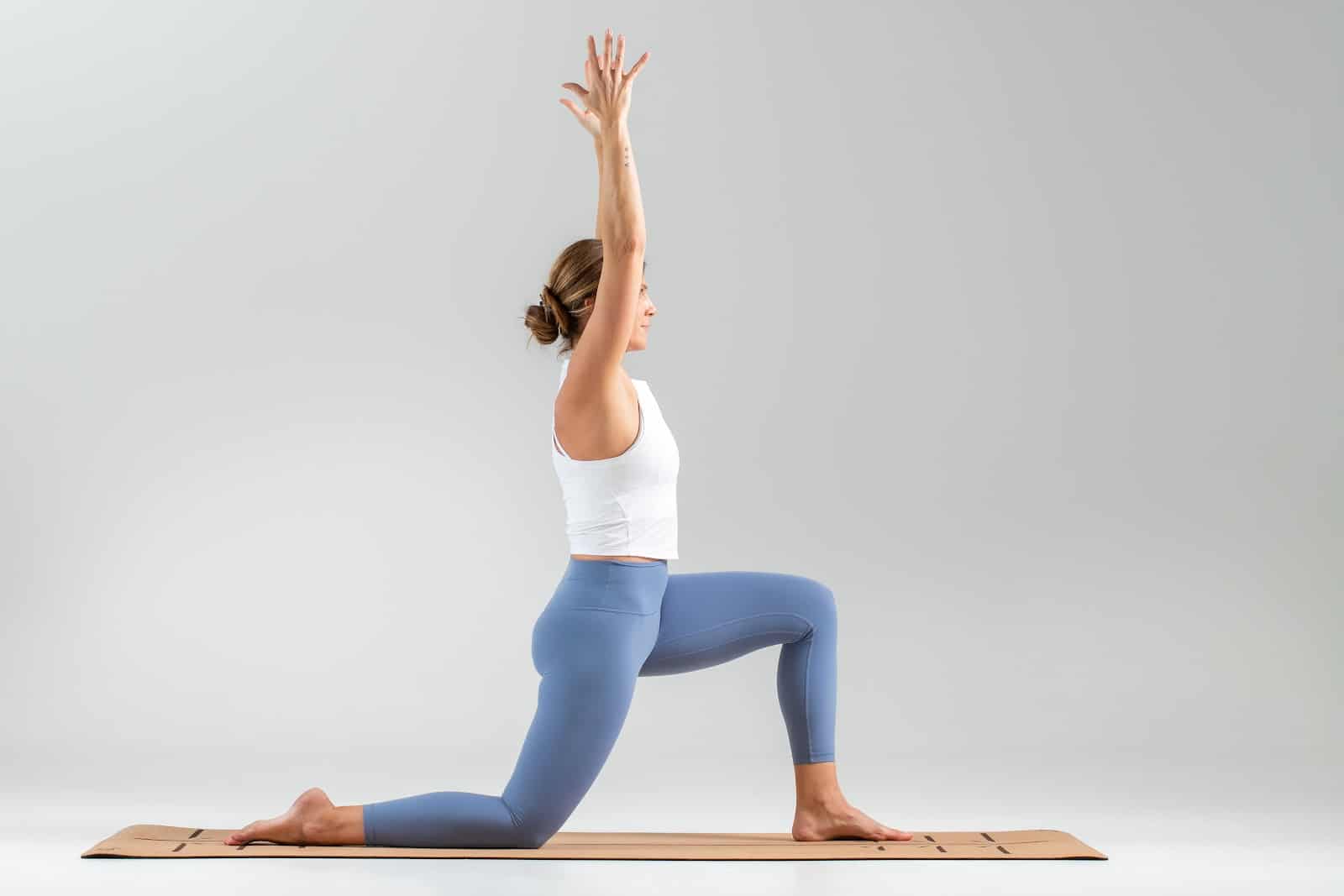
The Kneeling Lunge Stretch effectively targets the psoas muscle, promoting flexibility and relieving tension.
To perform this stretch, one kneels on the floor with one knee while stepping the other foot forward into a lunge position.
As they press their hips forward gently, it is essential to keep the torso upright. This position promotes a deep stretch, alleviating hip and lower back discomfort.
Holding the stretch for 30 seconds on each side allows the muscles to relax and lengthen effectively.
2. Reclining Psoas Stretch
The reclining psoas stretch targets the hip flexors while promoting relaxation. To perform this stretch, one should lie on their back with legs extended.
Next, bend one knee and place the foot flat on the floor. Gently allow the bent knee to fall outward, keeping the other leg straight. This position helps release tension in the psoas muscle.
Breathing deeply during the stretch enhances relaxation. Holding the position for 30 seconds to a minute can relieve tightness.
Standing Quad Stretch
The Standing Quad Stretch is an effective exercise for targeting the quadriceps and psoas muscles. This stretch can alleviate hip and lower back tension, improving overall flexibility.
To perform this stretch, the individual should stand upright, using a wall or chair for necessary support. They can bend one knee and bring the heel towards the buttocks, holding the ankle with the hand.
It is important to keep the knees close together and to avoid arching the back during the stretch. Leaning slightly back can enhance the effectiveness of the stretch while maintaining balance.
This simple yet effective stretch can be incorporated into a regular routine to relieve discomfort.
4. Butterfly Stretch
The Butterfly Stretch targets the psoas and inner thigh muscles. It can help relieve tension in these areas, promoting greater flexibility.
To perform this stretch, sit on the floor with the soles of the feet together. Gently press the knees toward the ground to enhance the stretch. It is important to maintain a straight back throughout the movement.
Hold the position for 20-30 seconds, breathing deeply. This stretch can be particularly beneficial for those who experience discomfort in their lower back or knees.
5. Pigeon Pose
Pigeon Pose is an essential stretch for enhancing hip flexibility and relieving tension in the lower back. This pose allows for a deep stretch in the hips, targeting the piriformis muscle.
Practicing Pigeon Pose regularly can alleviate stiffness and discomfort in the hips and lower back. It also activates the glute muscles without any equipment.
To perform Pigeon Pose, the hips must be squared and relaxed. Beginners may need to use props for support, ensuring proper alignment and avoiding strain.
6. Frog Pose Stretch
Frog Pose is a beneficial stretch that targets the inner thighs, hips, and groin. It can help alleviate tension in the hips and lower back, making it a valuable addition to a back and knee discomfort routine.
To practice Frog Pose, start on all fours. Gradually spread the knees apart while keeping the feet in line with the knees. Lower the forearms to the ground for added support.
Hold the position for 3 to 10 full breath cycles, focusing on deep breathing to enhance relaxation. Listen to the body and avoid pushing into pain.
Those with injuries or conditions affecting the hips, back, or knees should consult a professional before attempting this stretch.
7. Lying Psoas Stretch
The lying psoas stretch effectively releases tension in the psoas muscle. To perform this stretch, lie on your back with your legs extended.
Bend one knee and pull it towards the chest, keeping the other leg flat on the ground. This position allows the hip flexor to lengthen while providing relief from tightness.
Hold the stretch for 20 to 30 seconds, then switch sides. Regular practice can alleviate back and knee discomfort.
8. Half-Kneeling Hip Flexor
The half-kneeling hip flexor stretch effectively targets the hip flexor muscles, which include the iliac and psoas major. This position helps improve hip mobility and alleviate discomfort in the back and knees.
One knee is placed on the floor while the opposite foot is positioned flat and forward to perform the stretch. Leaning slightly forward from the hips intensifies the stretch, engaging the hip flexors.
Proper form is important to avoid strain. If discomfort occurs, adjustments should be made to the position or intensity.
9. Crescent Lunge
Crescent Lunge, also known as Anjaneyasana, is beneficial for stretching the hip flexors and the psoas muscle. This pose helps to relieve discomfort in the lower back and knees.
To perform the Crescent Lunge, one begins standing, stepping one foot back while bending the front knee. For proper alignment, the front knee should remain directly above the ankle.
This pose can also be modified with a chair for added support. Holding the stretch enhances flexibility and strengthens the thighs, contributing to better overall stability.
10. Supine Stretch with Strap
The supine stretch with a strap is effective for targeting the psoas muscle. This stretch can enhance flexibility and relieve tension in the lower back.
Lie on your back and wrap a strap around one foot to perform the stretch. Gently extend one leg upward while keeping the opposite leg flat on the ground.
This position helps isolate the psoas, promoting relaxation. For maximum benefit, individuals need to breathe deeply and maintain a gentle stretch.

Understanding the Psoas Muscle
The psoas muscle is a crucial component of the body’s musculoskeletal system, influencing movement and stability. Its anatomy and function are essential for understanding how it contributes to discomfort, particularly in the back and knees.
Anatomy and Function
The psoas muscle is deep-seated, extending from the lower spine to the femur. It consists of two distinct parts: the psoas major and the iliacus.
The psoas major originates from the lumbar vertebrae, while the iliacus arises from the iliac fossa. Together, they form the iliopsoas, a primary hip flexor.
Functionally, the psoas muscle aids in flexing the hip joint and stabilizes the spine. It plays a vital role in walking, running, and lifting activities. An optimal functioning psoas maintains balance in the pelvis and lower back, allowing for efficient movement.
Conversely, tightness or weakness in this muscle can lead to compensatory movements and imbalances throughout the body.

Role in Back and Knee Discomfort
The psoas muscle can significantly impact back and knee discomfort. When tight, it may cause excessive curvature in the lower back, leading to pain and discomfort. This tightness can also affect posture and strain surrounding muscles.
In addition, tight psoas can contribute to knee issues by altering pelvic alignment. This misalignment can lead to increased stress on the knee joint, resulting in pain and instability.
Therefore, strengthening and stretching the psoas may alleviate discomfort in these areas and promote better overall mobility and function.
Benefits of Psoas Stretching
Stretching the psoas muscle offers significant benefits, including improved flexibility and posture. These improvements contribute to overall health and well-being, particularly for those experiencing back and knee discomfort.
Improved Flexibility
Regular psoas stretching enhances flexibility in the lower back and hips. A flexible psoas muscle allows for better movement patterns and reduces stiffness that can lead to discomfort.
Tight psoas muscles often inhibit hip mobility, affecting activities such as running, squatting, or even walking. Stretching this muscle can improve the range of motion, making these movements smoother and less painful.
Incorporating psoas stretches into a fitness routine can help athletes and individuals alike maintain optimal performance levels. Increased flexibility facilitates better alignment, thus minimizing strain on surrounding muscles and joints.
Enhanced Posture
Psoas stretching also plays a critical role in promoting better posture. A tight psoas can pull the spine into a misaligned position, contributing to an anterior pelvic tilt. This tilt can lead to lower back pain and discomfort, affecting daily activities.
By stretching the psoas, individuals can strengthen their core stability and support spinal alignment. Improved posture reduces the risk of injury and enhances overall bodily function.
Regular practice of psoas stretches helps counteract the effects of prolonged sitting, which is common in modern lifestyles. As the psoas lengthens, it aids in maintaining an upright posture, which is essential for long-term musculoskeletal health.
