
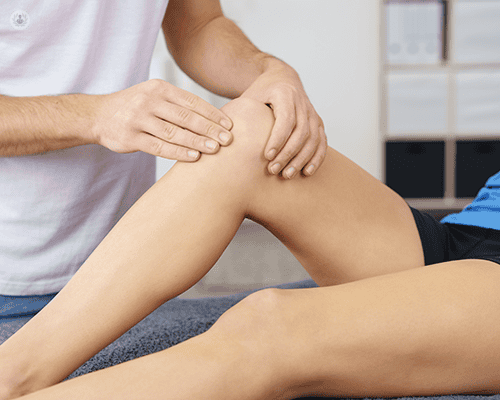
Knee cartilage plays a critical role in smooth, pain-free joint movement. Acting as a shock absorber, it cushions bones reduces friction and helps maintain the right balance of synovial fluid—the lubricant that keeps joints moving seamlessly. Unfortunately, this vital tissue is prone to damage, whether from gradual wear and tear, as seen in osteoarthritis, or sudden injuries like meniscus tears during sports.
Surgical repair has been the standard approach to address damaged cartilage for years. However, surgery comes with risks, extended recovery times, and limitations, particularly for older adults or individuals with other health issues. Fortunately, there’s growing evidence that knee cartilage can be repaired without surgery, thanks to natural and regenerative therapy advancements. Here’s what you need to know.
Natural Methods for Cartilage Repair
Nourishing Your Cartilage Through Diet
Certain foods and supplements can provide the nutrients cartilage needs to repair and regenerate:
- Anti-inflammatory foods like oily fish (salmon, sardines), spinach, kale, and nuts are packed with omega-3 fatty acids, vitamins C and K, and antioxidants. These help combat inflammation and promote healing.
- Calcium and magnesium-rich foods such as broccoli, legumes, and seeds strengthen bones and support cartilage.
- Supplements like glucosamine, chondroitin, and icariin (found in Horny Goat Weed) are believed to reduce cartilage degradation and stimulate repair.

Herbal Remedies for Cartilage Protection
- Turmeric (curcumin): A potent anti-inflammatory agent that may help reduce pain and swelling.
- Ginger: Known for its joint-soothing properties.
- Green tea: Loaded with polyphenols, it helps protect cartilage from damage and may support repair.
Lifestyle Adjustments
- Maintaining a healthy weight reduces strain on your knees. Every pound of extra weight adds four pounds of pressure on the knee joint.
- Engage in low-impact activities like swimming, walking, or yoga, which strengthen the knee without overloading it.
Exercises That Strengthen Without Stress
Physical therapy and targeted exercises can improve flexibility and strength while reducing pain. Activities like cycling, gentle leg curls, and step-ups help stabilize the joint and support recovery. A personalized plan created with a physical therapist ensures safety and effectiveness.
Advanced Nonsurgical Therapies
Platelet-Rich Plasma (PRP) Therapy
PRP therapy uses platelets from your blood to kickstart the body’s natural healing processes. A small blood sample is processed to concentrate platelets injected into the knee. This minimally invasive procedure has shown promise in reducing inflammation and stimulating cartilage repair.
Stem Cell Therapy
Stem cell therapy involves injecting regenerative cells into the knee to repair cartilage.
- Bone marrow-derived stem cells: Harvested from your bone marrow, these cells can regenerate damaged tissue.
- Amniotic-derived stem cells: Taken from amniotic fluid, these cells offer another source of regenerative potential.
Both therapies show positive results in studies and are hailed as potential game-changers.
Hyaluronic Acid Injections
Hyaluronic acid helps lubricate and cushion the joint, making movement smoother and less painful. It also has anti-inflammatory effects, giving damaged cartilage time to recover.
Prolotherapy
This treatment involves injecting a solution that stimulates the body to produce collagen, a key component of cartilage. Over time, this can lead to stronger, healthier joints.
Regenerative Medicine: A New Frontier
Regenerative medicine, including PRP and stem cell therapies, is gaining recognition as a safe, effective alternative to surgery. Unlike invasive procedures, these treatments have minimal risks and shorter recovery times. While larger studies are still underway, early results suggest they could make surgeries for cartilage repair a thing of the past.
Preventing Future Cartilage Damage
While these treatments offer hope, prevention is always better than cure.
- Avoid repetitive high-impact activities that strain your knees.
- Strengthen surrounding muscles through targeted exercises to provide better joint support.
- Fall-proof your environment by removing tripping hazards and using assistive devices when needed.
Conclusion
Cartilage damage doesn’t always have to mean surgery. With natural approaches like diet, exercise, and herbal remedies, as well as advanced therapies like PRP and stem cell injections, there are now more options than ever to repair and regenerate cartilage safely and effectively.
If you’re struggling with knee pain, consult a healthcare professional to explore these options and create a personalized plan. With the right strategy, you can regain mobility, reduce pain, and protect your knees for years.
