
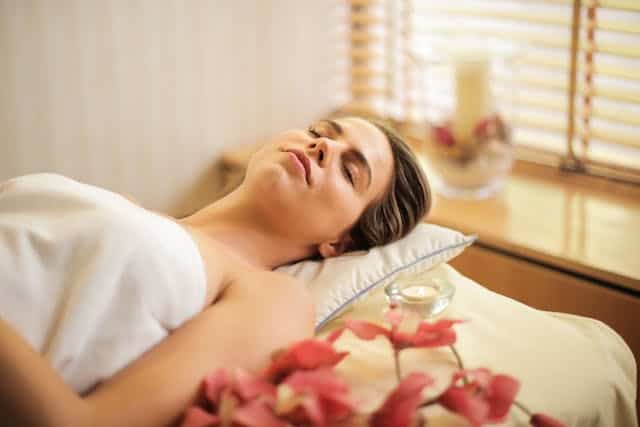
Relaxing massage isn’t a luxury reserved for spa commercials and magazine spreads; it’s a practical, restorative tool you can use to ease tension, clear your head, and feel more anchored in your body.
It doesn’t require a vacation, a fancy robe, or a bank-busting budget. What it does demand is intention, a few simple techniques, and a willingness to slow down.
In this guide, you’ll find a mix of professional methods and easy-at-home approaches designed to help anyone — whether you’re a complete beginner or someone who gives massages to friends — deliver and receive truly relaxing touch.
I’ll walk you through the setup, the techniques, safety tips, and little tricks that make a massage actually feel like a massage (and not an awkward pat-down). Ready? Let’s roll your shoulders back and get to it.

Benefits Of Relaxing Massage
Why bother with a massage? Short answer: because it works. Long answer: Regular, gentle massage can reduce muscle tension, lower stress hormones, improve circulation, ease restless sleep, and boost your mood.
Massage prompts your nervous system to shift from fight-or-flight to rest-and-digest, which — in plain English — means your body relaxes and your mind follows.
But we don’t have to be clinical about it: a good massage is also a tiny ceremony of self-care. It’s permission to exist in your body without hustling for the next thing.
Below are practical benefits you might notice after a massage session:
- Reduced Muscle Tension And Stiffness
- Improved Blood Flow And Lymphatic Circulation
- Lower Levels Of Stress And Anxiety
- Reduced Headache Frequency For Some People
- Better Sleep Quality
- A Greater Sense Of Well-Being And Presence
Notably, “relaxing” doesn’t always mean “light as a feather” always. Effective relaxation sometimes includes focused pressure in the right spots — the kind that makes you exhale out a long “ahhh.”
Preparing For A Relaxing Massage
Preparation matters. Whether you are the person receiving or giving the massage, take five minutes before you begin to set the scene.
Think of it like prepping ingredients before you cook: the end result is way better. Here’s a simple checklist to get you started:
- Create A Comfortable Space: A firm but cushioned surface works well — a massage table is ideal, but a bed or a yoga mat with blankets is fine. Make sure the room temperature is comfortable.
- Use Clean, Warm Linens: Towels and sheets should be clean. Warm them if you can; cold fabric is jarring.
- Choose A Suitable Oil Or Lotion: Lightweight massage oil or unscented lotion helps hands glide. If you use scented oils, make sure the recipient likes the scent and isn’t sensitive.
- Reduce Distractions: Silence your phone or put it on Do Not Disturb. Close windows if outside noise is a problem.
- Check Health Considerations: Ask about recent injuries, skin issues, surgeries, or medical conditions. Avoid massaging inflamed areas or open wounds, and be gentle near varicose veins.
- Communicate About Pressure: Agree on a pressure level before you start, and remind the person to speak up if anything feels uncomfortable.
- Wash Hands And Warm Them: Cold hands are not romantic. Clean, warm hands are. Also, trim nails if you’re working close to the skin.
That’s it. Five to ten minutes of preparation saves a lot of awkwardness and helps the massage feel intentional and safe.
Techniques Overview
Now for the good stuff — techniques. These aren’t hard rules. Think of them as tools in a toolbox: pick a few you like and combine them. The flow matters more than perfection.
Effleurage (Long, Sweeping Strokes)
Effleurage is the foundational move of many relaxing massages. It consists of long, gliding strokes performed with the palms, fingers, or forearms. The purpose is to warm up the muscles, spread oil, and invite the nervous system to relax.
How To Do It:
- Start With Light Pressure: Use broad strokes along the back, legs, or arms. Begin at the extremities and stroke toward the heart to encourage circulation.
- Maintain A Rhythm: Smooth, rhythmic strokes soothe the nervous system. Aim for steady, continuous motion rather than start-stop jerks.
- Gradually Increase Pressure: As muscles warm, you can deepen the pressure slightly, but never so hard that it causes pain.
Tips:
- Use Your Entire Body: Move from the hips or shoulders, not just your wrists, to keep your motion fluid and protect your hands.
- Keep Your Hands Relaxed: A loose grip creates softer, more even pressure.
Petrissage (Kneading)
Petrissage involves kneading the muscles — think of gently kneading dough. It’s great for loosening tight areas and increasing blood flow to specific muscles.
How To Do It:
- Grip and Lift: Gently lift muscle tissue between your fingers and thumbs. Roll the muscle under your hands with a slow, controlled motion.
- Work in Sections: Focus on one area at a time, such as the shoulders or calves.
- Alternate Hands: Use alternating hands to keep a steady rhythm and to prevent hand fatigue.
Tips:
- Avoid Bony Areas: Petrissage should massage muscle tissue, not press on bone.
- Watch For Tension: If the person tenses up, lighten the pressure or switch techniques.
Friction (Small Circular Motions)
Friction uses small, deeper circular motions to work knots and adhesions. It’s a targeted technique that can relieve stubborn tight spots.
How To Do It:
- Use The Pads Of Your Fingers Or Thumbs: Press lightly at first and increase pressure only if the receiver is comfortable.
- Short, Focused Circles: Move in a small radius directly on the knot or tight area.
- Combine With Heat: A warm compress beforehand can make friction more effective.
Tips:
- Communicate: This technique can be intense. Make sure pressure is acceptable.
- Short Bursts: Use friction in short bursts rather than long sessions to avoid irritation.

Tapotement (Rhythmic Tapping)
Tapotement, or rhythmic tapping, includes a variety of brisk percussive movements — like cupping, hacking, or gentle pounding. It’s often used toward the end of a session to stimulate circulation.
How To Do It:
- Start Light: Use relaxed hands to produce a springy motion.
- Use Different Hand Shapes: Cupped hands give a hollow sound, while the edge of the hand (hacking) offers a firmer sensation.
- Keep It Short: Tapotement is invigorating; use it briefly to wake up the muscles without causing jolts.
Tips:
- Avoid Overuse: Too much can be stimulating rather than relaxing.
- Not For Everyone: Skip if there are circulatory issues or sensitivity.
Compression
Compression uses sustained pressure with the palms or fingers to press into muscle bulk, holding for several breaths before releasing. It’s calming and effective on large muscle groups.
How To Do It:
- Apply Even Pressure: Press down with the palm or heel of the hand and hold for 3–6 seconds.
- Breathe With The Receiver: Ask them to inhale as you press, exhale as you release — this synchrony deepens relaxation.
Tips:
- Use Your Body Weight: Lean into the pressure rather than forcing it with your arms.
- Move Slowly: Quick presses feel jarring; slow, deliberate pressure feels grounding.
Myofascial Release
Myofascial release targets the connective tissue (fascia) that surrounds muscles. When fascia is tight, movement and comfort suffer. This technique involves gentle, sustained pressure and stretch.
How To Do It:
- Find A Restricted Area: Use broad fingers or the palm to find places that feel tight or “stuck.”
- Hold And Wait: Apply gentle pressure and wait 30–90 seconds for the tissue to release; a subtle softening is the signal.
- Stretch Gently: Follow releases with gentle movement or stretch to elongate the tissue.
Tips:
- Be Patient: This is slow work. Rushing defeats the purpose.
- Sensation, Not Pain: It should feel like pressure with eventual easing — not sharp pain.
Trigger Point Release
Trigger point work focuses on hyperirritable spots that refer pain to other areas. A brief, direct pressure can “turn off” a trigger point and bring long-lasting relief.
How To Do It:
- Locate The Point: Use fingers to find a small, tender nodule in the muscle.
- Apply Sustained Pressure: Hold moderate pressure for 20–60 seconds, asking for feedback.
- Release Slowly: Ease off gradually and follow with gentle stretching.
Tips:
- Expect Local Discomfort: It may sting, but it shouldn’t produce sharp pain or numbness.
- Not For Nerve Pain: If there’s tingling or shooting pain, stop and reassess.
Lymphatic Drainage
Lymphatic drainage is a very light, rhythmic technique designed to move lymph fluid toward the lymph nodes. It’s gentle and deeply relaxing, often used to reduce puffiness and support immune function.
How To Do It:
- Use Feather-Light Strokes: The touch is barely there — think skin-moving, not muscle-moving.
- Follow Lymph Pathways: Stroke toward the nearest lymph nodes (neck, underarms, groin).
- Maintain Rhythm: Small, repetitive movements at a slow pace.
Tips:
- Keep Pressure Light: Heavy pressure will not move lymph and can be counterproductive.
- Good For Post-Workout Or Swelling: Helpful when combined with hydration and rest.
Hot Stone Massage
Hot stone massage uses warmed stones to deliver soothing heat deep into muscles. The heat encourages relaxation and allows for smoother, deeper strokes.
How To Do It:
- Warm Stones Properly: Stones should be warm — not scalding. Test on your forearm first.
- Alternate Stones And Hands: Place stones in tense areas, then follow with hands or use stones to glide.
Tips:
- Avoid On Sensitive Skin: Not suitable for those with circulatory issues or decreased sensation.
- Use A Barrier If Needed: A towel between the stone and skin can moderate temperature.
Aromatherapy And Relaxation
Aromatherapy isn’t a physical technique, but the right scent can deepen relaxation. Lavender, chamomile, or citrus blends are popular for unwinding.
How To Use:
- Diffuse Lightly Or Add To Carrier Oil: Never use undiluted essential oils on skin.
- Check For Sensitivities: Ask about allergies or pregnancy before using scents.
Tips:
- Less Is More: A subtle scent supports relaxation; overpowering fragrances do not.
Chair Massage Basics
Chair massage is a short, practical way to deliver relaxation when time or space is limited. It’s great for workplaces or events.
How To Do It:
- Focus On Back, Shoulders, Neck, And Upper Arms: Use effleurage and petrissage movements.
- Keep Sessions Short: 10–20 minutes is often enough for a noticeable effect.
- Keep Clothes On: Use oil-free techniques over clothing unless a quick oil rub is agreed upon.
Tips:
- Good for Busy People: A mini session can reset posture and reduce tension.
Self-Massage Techniques
Self-massage helps you stay relaxed between professional sessions. You don’t need special tools — just a tennis ball and a few minutes.
Simple Self-Massage Moves:
- Neck Roll: Gently roll your head side to side, massaging the base of the skull with your fingertips.
- Tennis Ball Back Release: Place a tennis ball between your back and a wall; gently roll to find tight spots and hold.
- Thumb Pressure for Jaw: Apply thumb pressure to the masseter muscle (cheek area) if your jaw is tight.
- Foot Massage: Use thumbs to press along the arch of the foot. This reduces tension and helps you sleep.
Tips:
- Be Mindful: Avoid pushing through sharp pain. Use breath to help release tension.
Safety And Contraindications
Safety First. A relaxing massage should always feel restorative, not risky. Here are basic safety guidelines:
- Avoid Massaging Over Open Wounds Or Skin Infections.
- Skip Deep Techniques Near Varicose Veins Or Blood Clots.
- Be Cautious With High Blood Pressure Or Heart Conditions; check with a healthcare provider if unsure.
- Pregnant People Should Use Prenatal Techniques And Avoid Lying Flat On their Back After The First Trimester.
- Watch For Allergic Reactions To Oils; choose hypoallergenic products if sensitivity is a concern.
- If The Receiver Feels Numbness, Tingling, Or Sharp Pain — Stop Immediately.
Remember: “Relaxing” doesn’t mean ignoring your body’s signals. When in doubt, go lighter or consult a professional.
Aftercare And Recovery
Aftercare Matters. What you do after a massage affects how long the benefits last.
Best Practices:
- Hydrate: Massage moves fluid; drinking water helps flush metabolic waste.
- Rest If Needed: A short nap or gentle stretching supports recovery.
- Apply Heat Or Cold If Appropriate: Heat soothes muscle tightness; cold helps inflammation.
- Nourish: A small, healthy snack can stabilize blood sugar if you feel lightheaded.
Final Thought: Treat the time after your massage like the cooldown after a workout. It helps lock in the benefits.
A Step-By-Step 60-Minute Full-Body Routine
A friendly blueprint for a balanced hour: start with light effleurage (5 minutes) to spread oil and invite calm. Spend 10 minutes on the back using effleurage and petrissage; focus on the shoulders and traps.
Move to the lower back and glutes for 8 minutes using compression and long strokes. Spend 10 minutes on legs and calves with sweeping strokes and kneading. Give the neck and shoulders 7 minutes of gentle friction and release.
Finish with 5–10 minutes of light effleurage and soothing strokes to integrate the work and let the person rest.
This is a flexible template — shorten or lengthen any section to suit your receiver’s preferences.
Equipment And Oil Guide
Keep it simple: a firm, comfortable surface, clean towels, and a bolster for support. Use a lightweight carrier oil or unscented lotion; add a drop of essential oil to a carrier if you want scent.
Keep a towel handy to control excess oil. You don’t need special gadgets to get great results — clear space, warm hands, and attentive touch matter most.
Troubleshooting Common Issues
No session is perfect, but most hiccups are easy to fix.
- The Receiver Is Too Tense: Slow your strokes and drop pressure. Encourage slow, deep breathing. Sometimes silence is golden — just keep a calm, steady touch.
- Hands Hurt During Massage: Adjust your posture. Use your body weight and forearms more than your thumbs. Consider using tools like foam rollers for repetitive work.
- Oil Is Too Slippery: Blot excess oil with a towel and switch to a lotion for more control.
- Person Feels Dizzy Or Unwell: Stop, sit them up slowly, provide water, and let them rest.
These small fixes usually fix the session without drama.
Common Myths About Massage
There are a few persistent myths that can make people hesitate to get a massage or confuse expectations. Let’s bust a few.
Myth: Massage Should Always Hurt To Be Effective.
Truth: False. While some targeted work can be intense, relaxation and relief do not require pain. A skilled touch uses the right pressure in the right place — not brute force.
Myth: More Oil Means Better Massage.
Truth: Not necessarily. Too much oil reduces control and can make detailed work slippery. Use enough to glide, but not so much that you lose contact.
Myth: One Massage Will Cure Chronic Tension.
Truth: Massage helps, but lasting change depends on habits: posture, movement, hydration, and sleep. Think of massage as part of a broader routine, not a one-time fix.
Understanding what massage can and cannot do helps you set realistic expectations and enjoy the benefits without disappointment.
When To See A Professional
If pain is persistent, accompanied by significant weakness, numbness, or unexplained swelling, see a healthcare professional. A trained massage therapist can offer deeper work and personalized strategies, but they complement — not replace — medical advice when needed.
Tips For The Person Giving The Massage
- Check In Regularly: Ask for feedback about pressure and comfort.
- Use Your Whole Body: Keep your posture strong to avoid tiring out your hands.
- Pace Yourself: A 60-minute session doesn’t mean non-stop deep pressure; alternate soothing strokes with focused work.
- Learn Basic Anatomy: Knowing where muscles sit helps you be effective without guessing.
- Keep Learning: Watch workshops, read, and practice on friends (with consent).
These small habits make you a better giver and make the experience more enjoyable for both people.
Building A Relaxation Habit
Start small: five minutes after work or two short sessions per week. Put it on the calendar and make it part of an evening ritual — tea, dim lights, and a quick neck rub. Consistency over time is what improves sleep, mood, and muscle comfort.
Start with a few go-to moves so you don’t overthink it. Once a simple pattern becomes familiar, you’ll find it easier to use massage as a real tool for stress relief rather than another item on a never-ending list.
Frequently Asked Questions
Q: How Often Should I Get A Massage?
A: It depends on your needs. For general relaxation, once every two to four weeks works well. For chronic tension, weekly or biweekly sessions may be more helpful.
Q: Can I Massage My Own Deep Muscle Knots?
A: Yes, to a degree. Use tools like a lacrosse ball and apply measured, patient pressure. If pain is severe or accompanied by numbness, see a professional.
Q: Is Massage Safe During Pregnancy?
A: Prenatal massage is safe when performed by someone trained in prenatal techniques. Avoid pressure on the abdomen and check positioning.
Q: What If I Feel Worse After A Massage?
A: Mild soreness or fatigue is normal. If symptoms are severe or persistent, contact a healthcare professional.
Q: Do I Need Oil To Get A Good Massage?
A: No. Oil helps reduce friction, but towel work, compression, and other techniques work well without oil.
Conclusion
Relaxing massage is equal parts technique and intention. You can learn the moves, but the real art is in listening to the receiver’s body, to your rhythm, and to the subtle cues that say, “Keep going” or “Slow down.”
Whether you’re doing a five-minute neck rub between Zoom calls or giving a full-hour session at home, focus on breath, presence, and steady, caring touch. Make your space comfortable, communicate openly, and remember that small, regular practices compound into big benefits.
So go ahead: pick one technique from this guide, try it tonight, and notice how your body responds. Relaxing isn’t selfish; it’s functional. Your energy, mood, and ability to show up for life get better when you invest in rest.
Keep exploring, stay curious about your body, and remember: a small act of care can change the tone of a whole week.