
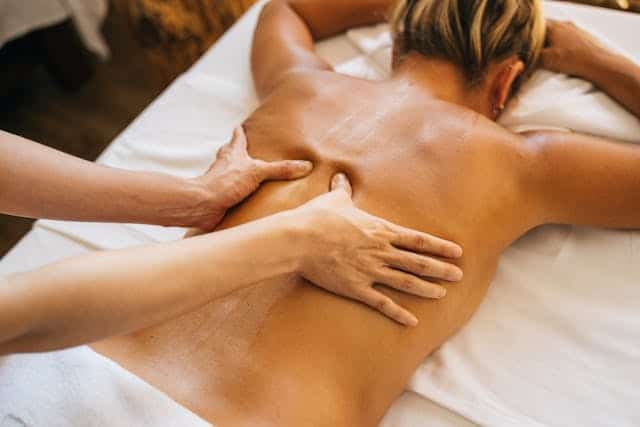
Ever had that sharp, electric jolt that runs from your lower back down one leg and makes you feel like your body has a grumpy neighbor who bangs on the walls at 3 a.m.? That’s sciatica—annoying, often painful, and stubborn as a mule.
The good news: massage can be a powerful ally. It won’t magically erase the underlying problem in every case, but it can reduce pain, ease muscle tightness, improve circulation, and make daily life feel a little less like navigating an obstacle course.
This article is for people who want practical, friendly, no-nonsense guidance on using massage to help sciatica. Think of it as a chat over coffee: we’ll walk through what sciatica is (briefly), how massage helps, which techniques work best, safety warnings, simple routines you can try at home, and the exact questions people always want answered.

What Is Sciatica And Why Massage Might Help
Sciatica is a symptom, not a diagnosis. It’s the name we give to pain that follows the path of the sciatic nerve: from the lower back, through the buttock, down the back of the thigh, and sometimes all the way to the foot.
The nerve gets irritated or compressed; the causes range from a slipped disc to tight muscles, inflammation, or spinal changes.
Why massage? Because massage targets the soft tissues that often make sciatica worse: tight glutes, cranky hamstrings, tense lumbar paraspinals, and the piriformis (that tiny muscle with a big attitude). Massage can:
- Calm muscle spasm and reduce trigger point activity.
- Improve blood flow and lymphatic drainage to speed healing.
- Reduce pain signaling by stimulating touch receptors (hello, pain gate theory).
- Help you relax, which lowers pain sensitivity overall.
We’re not promising a miracle cure. Massage is a tool—very useful, but best used as part of a plan that might include movement, posture fix-ups, heat/ice, meds when needed, and professional care if there’s nerve damage.
How Massage Helps Sciatica: The Mechanisms (Short And Simple)
| Mechanism | What It Does | Why That Helps Sciatica |
|---|---|---|
| Muscle Relaxation | Releases tight muscles and reduces spasm | Less pressure on irritated nerves; fewer painful muscle contractions |
| Trigger Point Release | Soothes local “hot spots” in the muscle | Stops referred pain that mimics or worsens sciatica |
| Improved Circulation | Increases blood flow | Brings oxygen and nutrients; removes inflammatory waste |
| Neural Gliding Support | Reduces adhesions around nerve pathways | Makes the nerve move more smoothly during motion |
| Stress Reduction | Lowers sympathetic nervous system arousal | Pain perception drops; muscles loosen up |
Who Should Try Massage For Sciatica
You, if your sciatica is from muscular tension, mild disc bulge without progressive weakness, or if you have discomfort that improves with movement or positional changes.
Maybe not you; if you have:
- Progressive leg weakness, numbness, or bowel/bladder changes (these need immediate medical attention).
- A recent severe trauma or infection near the spine.
- Uncontrolled blood clotting disorders or certain skin conditions over treatment areas (we’ll explain more in contraindications).
If you’re unsure where your sciatica comes from, a quick check-in with a physiotherapist or doctor is smart before you book treatments.
Types Of Massage Techniques That Help Sciatica
| Technique | What It Feels Like | Best For |
|---|---|---|
| Deep Tissue Massage | Sustained pressure into deeper layers | Long-standing tightness, adhesions |
| Trigger Point Therapy | Focused pressure on “knots” | Referred pain in the buttock/thigh |
| Myofascial Release | Gentle sustained stretch of fascia | Tight, restricted tissue planes |
| Swedish Massage | Long strokes, kneading, lighter pressure | Relaxation, reducing overall tension |
| Neuromuscular (NMT) | Pressure + release focused on muscle imbalances | Nerve-related muscle guarding |
| Massage With Heat (e.g., hot packs) | Warmth + manual work | Soothes spasm, increases tissue elasticity |

Contraindications And Precautions
| Condition | Massage Recommendation |
|---|---|
| Progressive neurological deficits (weakness, loss of function) | Avoid massage until medical evaluation |
| Recent spinal surgery (within weeks) | Only gentle, with surgeon/physio sign-off |
| Suspected spinal infection or cancer | Do not massage; seek immediate medical care |
| Deep vein thrombosis (DVT) | Contraindicated — risk of clot movement |
| Severe osteoporosis | Use very gentle techniques only |
| Skin infections, open wounds, rashes | Avoid local massage until healed |
What To Expect During A Professional Sciatica Massage Session
- A short intake: your therapist will ask about pain pattern, symptoms, and medical history.
- Postural and movement assessments to see what’s tight or weak.
- A treatment plan: one session won’t fix everything; expect a plan of several sessions if needed.
- Combination techniques: therapists commonly blend deep tissue, trigger point release, and neuromuscular techniques.
- Homework: stretches, posture cues, and exercises to help the benefits stick.
Top Techniques You Can Try At Home (Step-By-Step)
We’re big believers in self-care that’s safe and effective. Try these only if you don’t have red flags (like progressive weakness or bladder/bowel issues).
Gentle Glute Release (With Tennis Ball)
- Sit on a firm chair. Place a tennis ball under the buttock on the painful side.
- Lean into the ball until you find a tender spot. Breathe. Hold 20–40 seconds.
- Move the ball slightly and repeat. Work 3–5 spots.
- Do 1–2 times per day.
Piriformis Self-Release (Supine)
- Lie on your back, knees bent. Cross the affected ankle over the opposite knee.
- Reach through the gap and pull the uncrossed thigh gently toward you until you feel a stretch deep in the buttock.
- Hold for 30–45 seconds. Repeat 2–3 times.
Hamstring Glide And Light Massage
- Sit on a chair, cross the ankle over the opposite knee. With your thumbs, gently glide along the back of the thigh from knee to buttock (short strokes).
- Repeat 30–60 seconds to encourage circulation.
Lower Back Self-Squeeze (Towel Assisted)
- Fold a towel into a short, thick roll. Lie on your back and place it horizontally under your lower back.
- Gently rock side-to-side to massage the lumbar paraspinals. Keep it comfortable—stop if pain increases.
Calf And Foot Massage
- Seated, use both hands to knead the calf (starting at the ankle, moving upward).
- Finish by rubbing the sole and top of the foot—sciatic discomfort often includes distal symptoms.
When To Seek Professional Help
- Sudden onset of foot drop or progressive limb weakness.
- Loss of bowel or bladder control (call emergency services).
- Severe, worsening pain that fails to improve with rest, gentle movement, and basic self-care.
- Pain after a major fall or accident.
- Fever with back pain—possible infection.
Typical Massage Session Plan (Example)
- Session Length: 45–60 minutes.
- Frequency: 1–2 times per week initially, tapering as symptoms improve.
- Focus Areas: Lumbar region, gluteals, piriformis, hamstrings, calves.
- Add-Ons: Heat application before deep work; nerve gliding exercises after massage.
Sciatica Massage Routine You Can Do In 15 Minutes (Daily)
- Heat Pack On Low For 3 Minutes (lower back or glute).
- Tennis Ball Glute Release — 3 minutes per side.
- Gentle Hamstring Glide — 2 minutes per side.
- Piriformis Stretch — 1 × 45-second hold per side.
- Cat–Cow Mobilization — 2 minutes, slow breath.
- Finish With Deep Belly Breaths — 1 minute to calm the nervous system.
This isn’t a full therapy session—just a “keep the bad days away” routine.
Practical Tips To Make Massage Work Better
- Warm Up First: Heat or a 5-minute brisk walk makes tissues more responsive.
- Hydrate After Massage: Helps clear metabolic byproducts.
- Short And Frequent > One Long Aggressive Session: Multiple gentle sessions beat a single “go-hard” session.
- Communicate With Your Therapist: Use pain scales (0–10), say when pressure is “too much” or “just right.”
- Combine With Movement: Massage loosens tissue; movement helps re-pattern how you use it.
- Track What Helps: Keep a simple log to determine which techniques are most effective in reducing pain.
- Avoid Pain That Numbs: Discomfort is normal; numbness or increasing radiating pain is a sign to stop.
- Use Ice If There’s Acute Inflammation: Ice for 10–15 minutes after intense work if swelling is present.

Commonly Used Tools For Home Massage
- Tennis Ball (or lacrosse ball) — cheap and effective for glutes.
- Foam Roller — long strokes for hamstrings and calves (use gently).
- Massage Stick — good for calves and hamstrings.
- Handheld Percussive Device — use low settings and avoid direct spine work.
- Heating Pad — warm before deep work; don’t apply directly to bare skin too long.
FAQ — Frequently Asked Questions
Can Massage Cure Sciatica?
Short answer: Not always. Massage often helps symptoms and function, especially when muscle tension or trigger points are involved, but if sciatica is caused by severe structural issues (e.g., a large herniated disc pressing on a nerve), massage alone may not cure it. It’s a helpful part of a broader plan.
How Many Sessions Will I Need?
There’s no one-size-fits-all. Some people feel meaningful relief after 1–3 sessions; others need ongoing weekly or biweekly care alongside exercises and posture fixes. If you’re not improving after a few sessions, re-evaluate the diagnosis with a clinician.
Is Deep Tissue Massage Better Than Light Massage?
It depends. Deep work can release long-standing tightness, but must be delivered by an experienced therapist and done judiciously. Too much force can aggravate nerve irritation. Often, a blend—gentle neuromuscular techniques plus targeted deep work—is best.
Will Massage Make Nerve Damage Worse?
When used safely, massage shouldn’t cause nerve damage. However, if you already have progressive neurological deficits (e.g., worsening weakness or numbness), massage isn’t appropriate until a healthcare provider evaluates you. Also, avoid aggressive direct pressure on the spine.
Is It Normal To Feel Sore After a Massage?
Yes. Mild soreness for 24–48 hours can happen—think of it like a deep stretch. Drink water, use heat or gentle movement, and scale back the intensity next time if soreness is excessive.
Can I Massage If I’m Pregnant?
Many massage techniques are safe in pregnancy, but sciatica in pregnancy has special considerations. Always see a therapist trained in prenatal massage.
What If Massage Only Helps Temporarily?
That’s common. Massage reduces pain and muscle guarding, but the underlying cause—biomechanics, weak core, poor posture—needs addressing so improvements last. Combine massage with exercise, ergonomic changes, and lifestyle tweaks.
Red Flags: When Massage Is Not Appropriate
- New or worsening foot drop (can’t lift the front of your foot).
- Loss of bowel or bladder control—this is an emergency.
- Sudden, severe back pain after trauma.
- Fever or night sweats with back pain—possible infection.
Stop massage and seek medical care if any of the above appear.
Exercises To Pair With Massage (Simple, Gentle)
- Bridge (glute activation): Lie on your back, knees bent, lift hips while squeezing glutes. 2 sets × 10–15 reps.
- Bird Dog (core + spinal stability): On hands and knees, reach opposite arm and leg. 2 sets × 10 per side.
- Hamstring Slides: Lay on your back, slide your heel toward your buttocks to strengthen hamstring control. 2 sets × 10 per side.
- Piriformis Stretch: As above—hold 30–45 seconds, 2–3 times each side.
- Nerve Glides: Gentle neural mobilization performed under guidance—to be learned from a physio.
Do these slowly, avoid pushing into sharp radiating pain, and use the “less is more” approach.
How To Communicate With Your Therapist (What To Say)
- “My pain is here (point). It radiates to here.”
- “Pressure at X is fine; pressure at Y increases the shooting pain.”
- “I have numbness in my foot.”
- “I’m taking medication for pain/blood thinners.”
- “I had spinal surgery X months/years ago.”
Good communication keeps the session safe and effective.
Lifestyle Fixes That Amplify Massage Benefits
- Fix Your Sitting Posture: Use a lumbar support, and stand up every 30–40 minutes.
- Ergonomics: Adjust chair height, monitor level, and keyboard position.
- Sleep Position: Sleep on your side with a pillow between your knees or on your back with a small pillow under your knees.
- Weight Management: Carrying excess weight increases the load on the lower back.
- Regular Movement: Micro-breaks and gentle walking prevent tissue stiffness.
- Stress Management: Chronic stress tightens muscles—massage helps but so does breathing work and sleep.
Case Examples: Realistic Expectations
- Anna, 34, Desk Worker: Sciatica flares after long sits. After 4 massage sessions + daily glute releases + corrected chair height, pain reduced by 70% and she can sit comfortably for longer periods.
- Ahmed, 52, Manual Laborer: Sciatica from a moderate disc bulge. Massage helped with pain and muscle tightness, but long-term improvement required a strengthening program and modified lifting technique.
- Lina, 29, Pregnant: Pregnancy-related sciatic discomfort eased with prenatal massage focusing on the hips and glutes; posture adjustments and pelvic floor work also helped.
Every person’s story is different—massage is rarely a lone hero but often a key supporting character.
Quick Reference — Do’s And Don’ts Do:
- Start with a light warm-up or heat.
- Use a tennis ball for precise glute work.
- Communicate clearly with your therapist.
- Combine massage with movement and posture work.
- Track your pain levels before and after sessions.
Don’t:
- Push through new numbness or severe, sharp pain.
- Getan aggressive massage over an acutely inflamed area.
- Massage if you suspect DVT or infection.
- Ignore progressive neurological signs—seek urgent care.
Common Mistakes People Make
- Treating massage as a one-off fix instead of part of a plan.
- Overdoing deep pressure and creating more inflammation.
- Neglecting strengthening and motor control work after the pain eases.
- Using only passive treatments (massage) without addressing ergonomics or movement patterns.
- Waiting too long to get evaluated when weakness appears.
Key Takeaways
- Massage is a powerful tool for easing sciatica symptoms—especially when muscle tension, trigger points, or fascial restrictions are involved.
- It’s not always a cure. Combine massage with exercise, posture changes, and professional evaluation when red flags or progressive deficits exist.
- Simple home techniques—tennis ball glute release, piriformis stretch, hamstring glides—can complement professional sessions.
- Hydrate, warm up, and communicate. Short, consistent sessions beat occasional aggressive work.
- Seek immediate medical help for sudden weakness, severe numbness, or bowel/bladder changes.
Final Thoughts (A Little Pep Talk)
Sciatica can feel like a grumpy roommate who overstays their welcome. Massage isn’t the eviction notice, but it brings a peace treaty: less pain, looser muscles, and more wiggle room for movement and healing.
We’ve all been there—trying things, hoping one of them sticks. The smartest approach is the patient one: combine sensible massage, gentle movement, posture fixes, and the occasional laugh at how our bodies choose the weirdest times to protest.