
Fibromyalgia is sneaky, stubborn, and wildly unpredictable — and yet, there are things you can do at home that genuinely help.
This isn’t a magic cure (spoiler: there isn’t one), but over the years I’ve collected a kitchen-sink full of comfort tricks, practical routines, and low-key therapies that shave off pain, lift foggy brains, and give us little wins on bad days.
This article is your friendly, no-nonsense guide: useful, evidence-aware, and written like I’m sitting across from you with a cuppa. Ready? Let’s get practical.
Why Home Remedies Matter (And Why They’re Not “Just In Your Head”)
Before we dive in, please know that self-care isn’t second-best to medical care — it is part of your treatment. Fibromyalgia responds best to a mixed plan: a supportive doctor, sometimes medications, and a daily habit of things you can do for yourself.
Why bother with home remedies? Because they’re inexpensive, accessible, often gentle, and — when layered together — can change how you feel over weeks and months. The research is clear that exercise, sleep, stress management, and mind-body approaches help many folks with fibromyalgia.

The Big Four Foundations (Do These First)
These four pillars are my go-to checklist. If you’re going to build anything that helps over time, these are the cornerstones.
Move (But Make It Gentle And Regular)
Yes, I said move — I know, I know. Movement when you hurt feels laughable. But the right kind of movement, done consistently, is one of the single most effective tools we have.
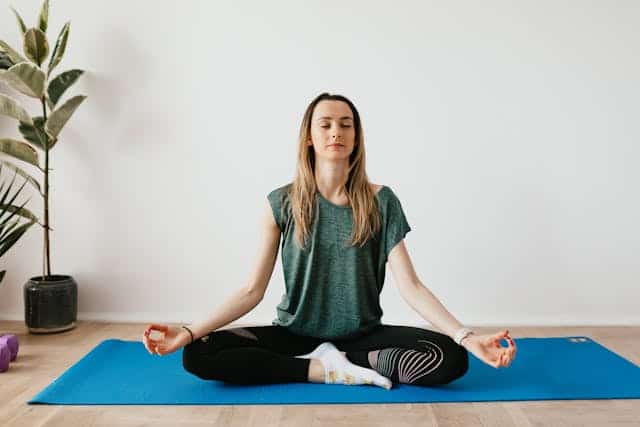
Consider low-impact aerobic activities (such as walking or easy cycling), gentle strengthening exercises, and meditative movements like tai chi or yoga.
Start tiny: five to ten minutes daily, and add a minute or two each week. Small, consistent wins beat heroic-but-brief bursts every time.
Why tai chi? It blends movement, breath, and relaxation — which is like a triple-threat for fibro. Several well-designed trials show tai chi reduces pain and improves overall function, often matching or beating standard aerobic programs. If you hate the gym, tai chi, or a slow yoga class can feel more doable and even fun.
Practical Plan
- Week 1–2: 5–10 minutes of gentle walk or chair yoga daily.
- Week 3–6: Add two 15–20 minute sessions of low-impact movement (tai chi, water aerobics).
- Ongoing: Aim for 20–30 minutes most days. Listen, adapt, and rest on bad days.
Sleep Hygiene That Actually Helps
Pain and sleep are in a toxic tango — broken sleep makes the pain worse, and pain steals sleep. Improving sleep isn’t about forcing yourself to snooze; it’s about setting the stage so your body can do its repair work.
Sleep Basics
- Keep a consistent bedtime and wake-up time (yes, even weekends).
- Make your bedroom a sanctuary: cool, dark, and boring.
- Limit screens 60–90 minutes before bed. Blue light + brain fog = disaster.
- Break up daytime naps (short naps only, ideally before 3 pm).
- Gentle bedtime routines: warm shower, herbal tea, light stretching, and a 5-minute breathing practice.
If sleep problems are severe (you snore, gasp, or wake unrefreshed), ask your doctor about a sleep study — sleep apnea and restless legs are common comorbidities. Improving deep, restorative sleep changes everything.

Stress Management: Not Fluffy — Essential
Stress cramps our nervous system, which in fibromyalgia is already cranky. Your nervous system responds to perceived threats with increased sensitivity; calming that system reduces flare severity. This isn’t about becoming a master meditator; it’s about small, consistent habits to lower baseline stress.
Easy Tools
- 3–5 minute breathing breaks (inhale for 4, hold 2, exhale for 6) several times a day.
- A worry notebook: jot anxious thoughts, then close it. (The brain loves checklists.)
- Gentle guided mindfulness or a short daily walk — movement is stress medicine, too.
- Cognitive-behavioral strategies: reframe catastrophizing thoughts into problem-solving ones.
- Connect: a supportive friend or Fibro Warriors community (you do not have to do this alone).
Behavioral therapies and mindfulness show measurable improvements in pain perception and emotional well-being. Small practice, big payoff.
Basic Nutrition And Hydration — Not A Fad, Just Sense
There’s no single “fibro diet,” but many people feel better when they prioritize whole foods, steady energy, and hydration. Focus on bright vegetables, whole grains, lean proteins, healthy fats (think oily fish or flaxseed), and limit processed sugar and ultra-processed foods that can worsen inflammation or energy crashes.
Simple Tips
- Eat regular small meals to avoid blood sugar dips.
- Try an anti-inflammatory plate: veggies + whole grains + omega-3 source.
- Keep a food journal for 2–4 weeks if you suspect food-related flares (gluten, dairy, and additives are common suspects for some people).
- Stay hydrated — dehydration makes fatigue and headaches worse.
If you’re considering supplements (vitamin D, magnesium, probiotics), talk to your clinician — some can help, but quality and dosing matter.
Daily Routines That Actually Reduce Pain
Home remedies are most effective when wrapped into easy rituals. Here are routines I’ve used and recommended to readers that consistently help.
Morning Reset: Start Soft
- Wake slowly. Stretch gently in bed: side bends, ankle circles, neck rolls.
- Warm water and lemon (if it agrees with your stomach) or a gentle movement routine for 5–10 minutes.
- Short, intentional breathing practice (3–5 minutes) to set the nervous system tone.
Midday Maintenance: Break The Tension
- Stand up and move every 45–60 minutes if you sit.
- Lunch: a balanced meal with protein + fiber to avoid afternoon crashes.
- 10–15 minute walk (gentle) or chair tai chi breaks recharge you without costing energy later.
Evening Wind-Down: Prepare For Better Sleep
- Dim lights, reduce stimulating activities.
- Gentle stretching or self-massage with a warming lotion or capsaicin cream if your skin can tolerate it.
- Keep a small “victory list” of 1–3 things you accomplished; this helps your mood and reduces spinning thoughts before bed.
Targeted Home Remedies For Specific Symptoms
Let’s tackle the major invisible beasts one by one — with home-based, evidence-friendly fixes you can try today.
Pain That Wanders: Heat, Cold, And Mind Tricks
Pain that moves around is classic fibro. Heat and cold are old-school and still useful.
Heat
- Warm baths with Epsom salts (magnesium sulfate) can relax muscles and calm the nervous system. A 15–20 minute soak is a lovely reset.
- Heating pads or warm compresses for sore joints or chest pain (costochondritis) — but never use heat for a newly injured area where swelling is present.
Cold
- Ice packs for acute, sharp flare spots for 10–15 minutes can dull hypersensitive areas.
Mind Tricks
- Distraction techniques (a short audiobook, engaging podcast, or journaling) can reduce how much attention your brain gives to pain. It’s not denial; it’s sensible resource allocation.

Muscle Spasms And Trigger Point Pain: Self-Release And Simple Tools
Trigger point pain responds well to gentle self-release techniques.
Self-Care Techniques
- Gentle sustained pressure on a tender spot for 20–30 seconds, then release — repeat 3–5 times.
- Use a tennis ball against a wall or on the floor to roll tight spots (hip, shoulder blade area).
- Gentle foam rolling (light pressure) — listen to discomfort vs. sharp pain.
If you have a flare with severe trigger point sensitivity, reduce pressure and focus on deep breathing while you apply gentle release.
Headaches And Brain Fog: Sleep, Hydration, And Green Light? (Yes, Really.)
Headaches often come from tension and sleep disruption. Improve sleep and posture first. Hydrate. Try a short neck/shoulder stretch sequence several times a day.
There’s also emerging interest in green light exposure as a calming visual therapy that may reduce pain sensitivity for some people — it’s not mainstream clinical practice yet, but some patients report relief from simple interventions like soft green lamps or green-tinted overlays during the day. If you try it, start slowly and track changes.
Nausea, Vagal Responses, And Feeling Bleh
If severe pain makes you nauseous, pacing and shallow breathing can worsen it. Try diaphragmatic breathing, sipping clear fluids, and light, bland snacks (plain crackers, toast) until the nausea eases.
Ginger tea or ginger chews are classic home remedies for queasiness that many fibromyalgia patients find comforting.
Joint Stiffness And Weather Sensitivity
- Gentle, regular movement keeps joints lubricated.
- Morning warm showers and a 5–10 minute gentle mobility routine break up stiffness.
- Compression sleeves for sore knees or wrists sometimes help; they provide warmth and a feeling of support.
Costochondritis (Upper Chest Pain)
This chest pain can be scary. At home:
- Avoid heavy lifting and chest-straining exercises during flares.
- Gentle chest opening stretches and heat can ease tightness.
- If pain is severe, sudden, or comes with breathing trouble, seek urgent medical advice — always rule out heart-related causes.
Tools And Therapies You Can Use At Home
These are low-risk, high-value options many of us can try without a prescription.
Massage And Self-Massage
Professional massage works, but if that’s not possible, self-massage and using tools (tennis balls, massage sticks, handheld massagers) are helpful. Aim for regular, gentle sessions — consistency beats intensity.
Cold Plunges And Cryotherapy (Proceed With Caution)
Some people get short-term relief from cold therapies; others find them too intense. If you experiment, start with brief cool showers or 30–60 second cold splashes at the end of a warm shower and note your reaction.
Floatation And Warm Hydrotherapy
Float tanks and warm baths are expensive for some, but warm-water therapy (bath, jacuzzi, or pool therapy) reduces load on joints and can be a lovely, calming routine during flares. Even a daily warm shower with focused breathing and gentle movement helps.
Capsaicin Cream And Topicals
Capsaicin (the hot pepper compound) can reduce pain sensitivity for some people when applied topically. It causes a warming, sometimes tingling sensation — if you have sensitive skin or open wounds, avoid it. Test a small area first.
Supplements: What People Try And What To Watch For
Supplements are popular, but approach them with common sense. Not everything is helpful, and not every supplement is safe for everyone.
Supplements Commonly Tried
- Vitamin D — many people are low and report improved energy/pain when levels are corrected.
- Magnesium — for muscle cramps, sleep, and restless legs; try magnesium glycinate for better absorption and gentleness.
- Omega-3 fatty acids — anti-inflammatory potential; helpful as part of a whole-food approach.
- Probiotics — gut health matters; some people see digestive and mood improvements.
- L-carnitine, 5-HTP, and B vitamins — anecdotal benefits reported, but evidence varies.
Important Safety Notes
- Always check interactions with medications (e.g., some supplements can interact with antidepressants or blood thinners).
- Talk to your clinician before starting anything new, especially high doses.
The Gentle Power Of Pacing And Activity Management
Pacing is the secret ninja skill of many long-term Fibro Warriors. It’s about planning activity so you don’t pay later.
Pacing Basics
- Break tasks into small steps and sprinkle rest in between.
- Use timers to prevent overdoing it (set 20–30 minute work blocks followed by 5–10 minute rest).
- Know your limits: if you used lots of energy yesterday, plan a lighter day today.
Pacing is not laziness. It’s strategic energy management that prevents flares and gets you to more good days over time.
Creating A Flare Kit (Because Preparation Is Empowering)
A little box or basket with go-to items makes flares less scary. Here’s my recommended content:
| Item | Why It Helps |
|---|---|
| Heating Pad / Ice Pack | For immediate pain relief |
| Capsaicin Cream or Analgesic Topical | Quick-burning topical option |
| Easy-To-Prepare Foods | Prevents energy drain from cooking |
| Gentle Movement Cards | One-page stretches or breathing scripts |
| Comfortable Socks / Compression | For cold hands/feet or joint support |
| Notepad + Pen | Track symptom triggers & quick wins |
| Phone List of Support People | For emotional and practical help |
Adaptive Tools For Daily Life
Small changes to your environment can save tons of energy and pain.
- Ergonomic chairs and lumbar support.
- Reach tools for grabbing items without bending.
- A lightweight cart for carrying things in small batches.
- Shoes with good cushioning for walks.
Adaptive doesn’t mean “giving up” — it means choosing smart ways to conserve energy for the things that matter.
When To Seek Medical Help (Because Some Things Aren’t Home Remedies)
Home remedies are powerful, but not a replacement for medical evaluation when necessary. See your clinician if you have:
- Sudden or severe chest pain or shortness of breath.
- New neurological changes (sudden weakness, vision loss).
- Worsening symptoms that interfere with functioning despite self-care.
- Signs of infection or unexplained weight loss.
A good team is your friend: the rheumatologist, physical therapist, sleep specialist, and mental health provider can all play roles.
A Practical 14-Day Starter Plan (Mini Program You Can Try)
If you want structure, try this two-week plan to build momentum. Adjust intensity to your level.
Week 1
- Day 1: 10-minute gentle walk + evening stretch.
- Day 2: 5-minute breathing practice + 10 minutes of gentle strength (light bands).
- Day 3: Tai chi video (15 minutes) + warm bath.
- Day 4: Rest day, short walk if feeling up to it.
- Day 5: 20-minute walk (broken into two 10-minute sessions).
- Day 6: Self-massage + 10-minute yoga for sleep.
- Day 7: Reflect, adjust (note what helped).
Week 2
- Repeat with slight increases (add 5 minutes total movement per activity).
- Add one green-light experiment (soft green lamp while relaxing for 15 minutes) if curious.
- Introduce one nutrition change: add a serving of oily fish or a small omega-3 supplement (talk to your clinician).
Common Mistakes And How To Avoid Them
- Doing Too Much Too Soon. Build slowly. The temptation to “make up” for lost time costs you days in bed.
- Ignoring Sleep. Sleep is not optional; it’s medicine.
- Comparing With Others. Fibro is wildly individual. What works for one person may not for another — that’s okay.
- Skipping The Mental Health Piece. Mood and pain are tangled; treat both.
Remedies And What They Help
| Remedy | Helpful For | How Often |
|---|---|---|
| Gentle Aerobic Exercise | Pain, fatigue, mood | Most days, 20–30 min |
| Tai Chi / Yoga | Pain, balance, mental health | 2–3x weekly |
| Sleep Hygiene | Fatigue, pain sensitivity | Nightly routine |
| Stress Practices (CBT/Mindfulness) | Pain perception, mood | Daily short sessions |
| Warm Baths / Hydrotherapy | Muscle soreness, stiffness | 2–4x weekly |
| Massage / Self-Massage | Local pain, tension | Weekly or as tolerated |
| Capsaicin Topical | Localized pain | As directed |
| Magnesium / Vitamin D* | Cramps, low energy (test levels) | Daily as advised |
| Food Diary | Identify triggers | 2–4 weeks |
*Discuss supplements with your clinician.
FAQs (Practical, Honest Answers)
Q: Can home remedies really replace medication?
A: Sometimes people reduce medication with strong lifestyle changes, but home remedies are usually part of a larger plan. Talk with your doctor before changing meds.
Q: What’s the single best home remedy?
A: There isn’t one. If forced to pick, regular gentle movement + sleep hygiene + pacing provide the biggest consistent gains for most people.
Q: Is it safe to exercise during a flare?
A: Gentle movement (short walks, chair stretches, or range-of-motion exercises) is usually safe and helps maintain mobility. Avoid pushing through intense pain — rest is okay. Pacing wins.
Q: Which supplements actually help?
A: Vitamin D and magnesium are commonly helpful if you’re low; omega-3s support overall health. Always check interactions and talk to a clinician.
Q: How long until I see improvements?
A: Some things help quickly (heat, a warm bath). Bigger wins — better sleep, less pain, improved stamina — often take weeks to months of consistent habits. Be patient; steady beats sporadic.
Q: Are alternative therapies like acupuncture or floatation worth it?
A: Many people report benefits from acupuncture, massage, floatation, and tai chi. They can be useful additions, but results vary. Try what feels right and keep what helps.
Q: My family doesn’t understand — any advice?
A: Share short, clear explanations (e.g., “My nervous system overreacts to things; I need to pace myself so I can participate later”). Invite them to read one short article or join a doctor visit for support.
Real-Life Stories: Tiny Wins That Mean Everything
(Short vignettes—names changed)
- Jill, 46: Stopped baking on weekends and started single-step pacing instead. Less pain, more social energy midweek.
- Marcus, 39: Found a 10-minute tai chi video he could do in the office break room. Reduced afternoon haze and fewer headaches.
- Aisha, 52: Added a warm bath and magnesium at night. For the first time in months, she slept seven hours without waking.
These stories aren’t cures — but they’re proof that small, consistent changes add up.
Final Words: You’re Doing Better Than You Think
Fibromyalgia is a long game, and it’s messy. You will have great days and days that make you swear. The point of home remedies isn’t perfection — it’s to give you tools so you can collect more good days and fewer long hospital-pillow ones.
Start small. Pick two things from this guide (one movement-based, one sleep/stress-based), and do them for four weeks. Track a tiny measure (“pain scale today,” “hours slept,” or “mood”); you’ll be surprised how much insight that tiny habit gives you.
You are not asking for pity when you prioritize your health. You are practicing survival with grace. We see you, we’re with you, and many of us have turned tiny habits into big changes.
Quick Checklist To Take Away
- Move a little — every day if possible.
- Prioritize sleep like an appointment with your healing.
- Learn two short stress-reduction moves and use them.
- Pace your energy and build a flare kit.
- Try one new gentle therapy (tai chi, warm baths, or a short massage) and give it time.
- Talk to your clinician about supplements and comorbid conditions (sleep apnea, RLS).