
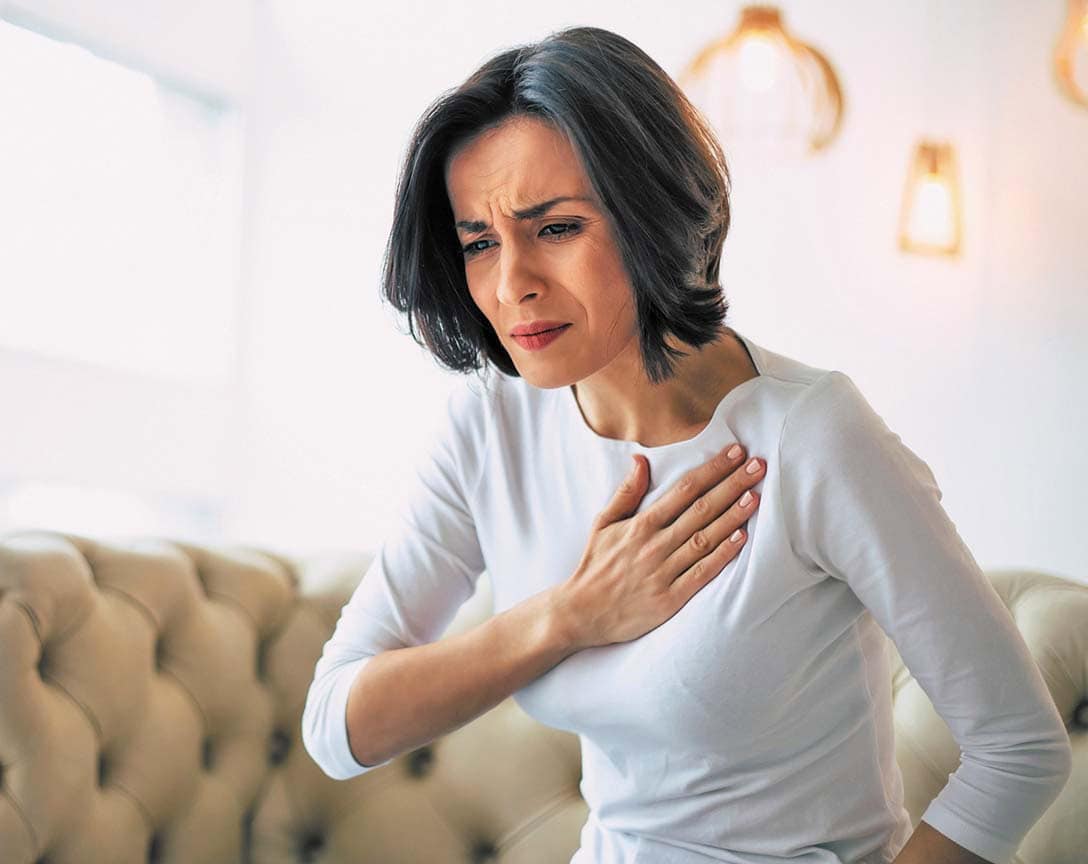
Fibromyalgia is a condition known for causing widespread pain, fatigue, and other chronic symptoms. One area where this pain can manifest is the upper chest, often leading to confusion with more serious conditions like heart problems.
Recognizing the warning signs that your chest pain might be due to fibromyalgia can help you manage your symptoms more effectively and seek the right care.
Here are seven key signs that your fibromyalgia might be causing your upper chest pain.
1. Unexplained Tender Points in the Chest Area
One hallmark of fibromyalgia is the presence of tender points—specific spots on the body that are particularly sensitive to pressure.
The upper chest, especially around the sternum, is one of the common areas where these tender points can occur. Fibromyalgia tender points often feel painful even with a light touch, unlike regular soreness or muscle strain.
How to Identify Tender Points:
| Fibromyalgia Tender Points | Muscle Strain |
|---|---|
| Pain triggered by light pressure | Pain typically requires movement |
| Pain persists without physical strain | Pain improves with rest |
| Symmetrical pain on both sides | Localized to one side |
If you notice symmetrical tenderness around your chest or sternum without an obvious injury or strain, this may be a sign your fibromyalgia is flaring up.

2. Pain That Worsens With Stress or Overexertion
Fibromyalgia symptoms often intensify under stress or physical overexertion. Chest pain triggered by these factors is a common complaint among individuals with fibromyalgia.
Emotional stress, such as anxiety or tension, can cause your muscles to tense up, leading to increased pain in the chest region.
Examples of Triggers:
- Engaging in prolonged or intense physical activity.
- Experiencing emotional stress, such as work deadlines or personal conflicts.
- Lack of rest after physical exertion.
If you notice a pattern of worsening chest pain after stressful events or strenuous activity, this could point to fibromyalgia as the cause.
3. Accompanying Fatigue and Sleep Disturbances
Fibromyalgia is notorious for causing extreme fatigue and disrupted sleep. These issues can make pain—including chest pain—more severe and harder to manage.
Poor sleep quality often leads to muscle stiffness and increased sensitivity, exacerbating discomfort in tender areas like the chest.
How Sleep Affects Chest Pain:
- Poor Sleep Cycles: Reduced restorative sleep heightens pain sensitivity.
- Morning Stiffness: Pain in the chest may feel more pronounced after waking up due to inactivity during the night.
- Fatigue: Overall lack of energy can make coping with chest pain more challenging.
Addressing sleep disturbances with techniques like a consistent bedtime routine or consulting a doctor for sleep aids can help ease this symptom.
4. Radiating Pain Without a Clear Cause
Fibromyalgia pain often radiates to other areas of the body. Chest pain, for example, may spread to the shoulders, back, or arms.
Unlike pain from an injury or a specific condition like angina, fibromyalgia-related chest pain doesn’t usually follow a predictable pattern.
Key Features of Radiating Fibromyalgia Pain:
| Fibromyalgia Pain | Other Causes (e.g., Angina) |
|---|---|
| Pain is inconsistent or migratory | Pain is localized or follows a pattern |
| Triggers include stress or fatigue | Triggers include physical exertion only |
| No clear physical cause | Often linked to blocked arteries |
If your chest pain radiates but tests for heart problems or other conditions come back negative, fibromyalgia might be the explanation.
5. Sensitivity to Touch in the Chest Region
Individuals with fibromyalgia often experience hyperalgesia—an increased sensitivity to pain. This heightened sensitivity means even light touches, like wearing a tight-fitting shirt or a gentle pat on the back, can trigger significant discomfort in the chest area.
Common Scenarios That Highlight Sensitivity:
- Feeling discomfort from tight clothing or bras.
- Pain when lying face down or leaning against a hard surface.
- Increased sensitivity during cold weather.
Hyperalgesia can make everyday activities uncomfortable, but identifying it as a fibromyalgia symptom can help guide your care plan.
6. Pain That Is Not Relieved by Typical Remedies
Chest pain caused by fibromyalgia can be persistent and unresponsive to common remedies like over-the-counter painkillers or muscle relaxants.
Unlike pain from other conditions, fibromyalgia pain may not improve significantly with rest or conventional treatments.
Ineffective Treatments for Fibromyalgia Chest Pain:
| Treatment | Effectiveness |
|---|---|
| OTC Painkillers (e.g., ibuprofen) | Minimal or no relief |
| Muscle Relaxants | Temporary, minor relief |
| Heat or Ice Packs | Mild improvement in some cases |
If your chest pain persists despite trying various remedies, consult a healthcare professional to discuss fibromyalgia-specific treatments such as physical therapy, prescription medications, or lifestyle changes.
7. Coexisting Symptoms Like Brain Fog or Digestive Issues
Fibromyalgia often comes with a host of other symptoms beyond pain, including cognitive difficulties (commonly known as brain fog) and digestive issues like irritable bowel syndrome (IBS).
These symptoms may flare up alongside chest pain, making it easier to identify fibromyalgia as the root cause.
Common Coexisting Symptoms:
- Brain Fog: Trouble concentrating or memory lapses.
- Digestive Problems: Bloating, diarrhea, or constipation.
- Mood Changes: Anxiety or depression.
Tracking your symptoms with a journal can help you and your healthcare provider connect chest pain with other fibromyalgia-related issues.
Frequently Asked Questions
1. How do I differentiate fibromyalgia chest pain from heart problems?
Fibromyalgia chest pain often occurs around the sternum and is tender to touch, while heart-related pain is more likely to feel like pressure or tightness in the chest. If in doubt, always seek medical attention to rule out serious conditions.
2. Can stress management help reduce fibromyalgia chest pain?
Yes, stress is a known trigger for fibromyalgia symptoms. Techniques like deep breathing, meditation, and gentle yoga can help reduce stress and alleviate pain.
3. Are there specific treatments for fibromyalgia chest pain?
Treatment typically includes a combination of medication (like antidepressants or nerve pain medications), physical therapy, and lifestyle adjustments such as improving sleep hygiene and stress management.
4. Is chest pain from fibromyalgia dangerous?
While fibromyalgia chest pain is not life-threatening, it can significantly impact your quality of life. Always consult a doctor to rule out other causes of chest pain.
5. Can diet impact fibromyalgia symptoms?
Yes, a balanced diet with anti-inflammatory foods may help manage fibromyalgia symptoms. Avoiding processed foods, sugar, and caffeine may reduce pain and fatigue.
Conclusion
Understanding the connection between fibromyalgia and chest pain is crucial for effective symptom management. By recognizing these warning signs, you can better communicate with your healthcare provider and explore treatments that work for you. Remember, if you’re ever uncertain about the cause of your chest pain, seek medical advice to ensure your safety.
Save this article to your Pinterest board to reference later and share with others who might find it helpful!
