
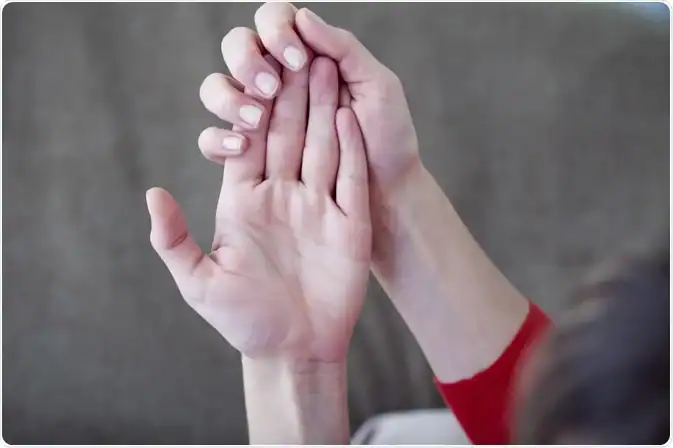
Raynaud’s syndrome, also known as Raynaud’s phenomenon, is a condition that affects blood flow to the fingers, toes, ears, and other extremities.
It’s often overlooked because the symptoms seem mild or strange, but understanding them is crucial for managing and preventing further complications.
Raynaud’s happens when blood vessels in these areas constrict in response to cold, stress, or emotional upset, leading to temporary but worrying color changes and discomfort.
In this article, we’ll explore the surprising signs of Raynaud’s and how to recognize them early to manage this condition effectively.
Your Fingers or Toes Turn White or Blue in Cold Weather
One of the most common and first noticeable signs of Raynaud’s is the discoloration of your fingers and toes when exposed to cold.
When you feel chilly, you might notice that your fingers or toes turn pale, white, or even blue as the blood flow is temporarily reduced due to blood vessel spasms.
This occurs because the tiny blood vessels in your extremities constrict, diverting blood flow to the more vital organs in your body.
These color changes can happen quickly and may be triggered by something as simple as stepping outside into a colder environment or handling something cold like ice.
While it’s normal for your body to respond to the cold by reducing blood flow to preserve core temperature, if the color changes persist or happen often, it could indicate that you are experiencing Raynaud’s.
In most cases, when the person moves to a warmer environment or warms up their hands or feet, the color changes are reversed, and regular blood flow returns.

Your Skin Feels Numb or Tingly During Temperature Changes
A surprising and often overlooked sign of Raynaud’s is numbness or tingling in the fingers or toes when exposed to cold or stressful situations.
This is due to decreased blood flow, which causes the skin and tissues in the affected areas to feel cold, stiff, or “asleep.”
These sensations can occur during activities like walking outside in winter, reaching into a cold fridge, or even when you’re emotionally stressed or upset.
Raynaud’s can make the nerves in your extremities more sensitive, leading to these uncomfortable, strange feelings. If you’ve ever experienced that “pins and needles” sensation after your hand has fallen asleep, it’s similar.
Still, in Raynaud’s, it results from restricted blood flow rather than pressure on nerves. If you find these feelings happening more often or lasting longer, it may be worth discussing with a healthcare provider, as it could point to Raynaud’s.
Your Ears, Nose, or Lips Experience Unusual Sensitivity
While most people think of Raynaud’s affecting the fingers and toes, it can also impact less obvious areas such as the ears, nose, or lips. Secondary Raynaud’s – which occurs alongside other conditions like lupus or scleroderma – can involve these more unusual body parts.
For example, you might notice that your nose or ears turn white or blue when exposed to the cold, and they could feel particularly sensitive or even painful in extreme cases.
These parts of the body are often neglected when discussing Raynaud’s, but they are just as vulnerable to the constricting effects of blood vessel spasms.
In some rare cases, severe episodes in the nose or ears can lead to long-term damage, so it’s essential to be aware of these less obvious symptoms.
Sudden Color Changes in Your Skin After Stress
It could be a sign of Raynaud’s if you’ve noticed that your fingers, toes, or other extremities change color in response to stress, emotional upset, or physical exertion.
Stress causes the body to release hormones like adrenaline, which can trigger blood vessel constriction. This leads to color changes in the affected areas, which may turn pale, blue, and red as blood flow returns when the body calms down.
For many people with Raynaud’s, these episodes happen during moments of emotional or physical stress, such as stressful work meetings or after a physically demanding workout.
If this sounds familiar, it’s worth noting that Raynaud’s can be worsened by chronic stress, making stress management an essential aspect of symptom control.
Difficulty Warming Up After Being in the Cold
Another surprising symptom of Raynaud’s is difficulty warming up after exposure to the cold. It could indicate impaired circulation if your hands or feet remain cold unusually long after being outside in chilly conditions.
For individuals with Raynaud’s, it can take longer for blood to flow back to these areas, leaving them feeling numb and icy.
The body’s natural response to cold is to constrict blood vessels in the extremities to conserve warmth, but this process may be exaggerated for those with Raynaud’s.
When you finally warm up, you might notice pain or throbbing as blood flow returns, a common experience for those with Raynaud’s. The slower recovery process can be frustrating, but it’s one of the condition’s hallmark signs.
Your Hands or Feet Feel Painful or Throbbing After Warming Up
Once your fingers or toes return to their standard color after exposure to cold, you might notice a painful throbbing or aching sensation.
This occurs because the blood flow to the extremities has been restricted for too long, and as blood rushes back to those areas, it can cause discomfort.
This throbbing sensation directly results from the rapid return of blood and can sometimes be painful or even debilitating.
This pain can last for several minutes or longer in some people, which can be especially concerning if you don’t understand the cause.
The intensity of the pain can vary depending on how severe the episode of Raynaud’s is, and it’s usually a sign that your blood vessels were constricted for an extended period.
Taking steps to avoid triggers such as extreme cold or emotional stress can help reduce these painful episodes.
Skin Tightness or Ulcers on Fingertips
In severe cases of Raynaud’s, where blood flow has been restricted for long periods, you may notice sores or ulcers forming on the fingertips.
These open wounds can be painful and result from a prolonged lack of oxygen in the tissues, which damages them.
If left untreated, these ulcers can become infected, and in extreme cases, the affected tissue may die, requiring medical intervention.
These symptoms are more likely to occur in individuals with secondary Raynaud’s, often associated with conditions like scleroderma or lupus.
If you notice ulcers or other unusual skin changes, it’s essential to see a doctor immediately, as they can lead to serious complications like infection or, in rare cases, gangrene.
Unexplained Sensitivity to Emotional Stress
Raynaud’s is often triggered or worsened by emotional stress. If you find that your symptoms worsen during moments of anxiety, frustration, or other emotional upheaval, it could be a sign that Raynaud’s is at play.
Stress triggers the release of hormones such as adrenaline, which can cause blood vessels to constrict and bring on a Raynaud episode.
Learning how to manage stress is a key component in managing Raynaud’s. Techniques like deep breathing, meditation, and mindfulness can help reduce the frequency of attacks.
If stress is a major trigger for you, speaking with a healthcare provider about developing a strategy to manage your emotional well-being may be helpful.
FAQs
Q: What is the difference between primary and secondary Raynaud’s?
A: Primary Raynaud’s occurs independently and is typically less severe. Secondary Raynaud’s is associated with underlying diseases like lupus or scleroderma and can be more severe.
Q: Can Raynaud’s occur in other parts of the body?
A: Yes, while Raynaud’s most commonly affects the fingers and toes, it can also impact areas like the nose, ears, and lips.
Q: What triggers a Raynaud’s episode?
A: Cold, emotional stress, and sometimes physical exertion are common triggers for Raynaud’s episodes.
Q: How is Raynaud’s diagnosed?
A: A healthcare provider will perform a physical exam, review your health history, and may conduct tests like a cold challenge test or blood work to determine whether your Raynaud’s is primary or secondary.
Q: Can lifestyle changes help manage Raynaud’s?
A: Yes, lifestyle changes such as avoiding cold exposure, wearing warm clothing, quitting smoking, and managing stress can help reduce the frequency of episodes.
Conclusion
Recognizing the signs of Raynaud’s early can help you manage the condition before it worsens. From unusual color changes to sensitivity to stress, these surprising signs are essential to watch for, especially if you live in colder climates or have a family history of autoimmune or connective tissue diseases.
Managing Raynaud involves lifestyle changes, medication, and working with your healthcare provider to minimize episodes and reduce long-term complications. If you notice any of these signs, don’t hesitate to seek medical advice to ensure you’re taking the proper steps to manage your symptoms.
