
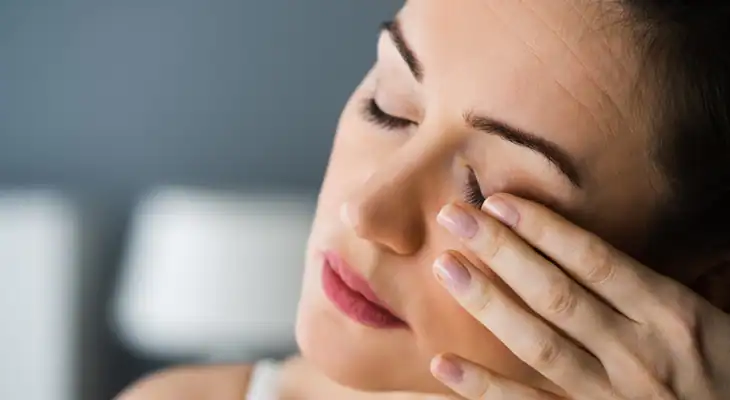
“Wait—my eyes are puffy again? Why do they look like I just spent 48 hours crying over a rom-com marathon?” Sound familiar? If you’ve been diagnosed with Primary Sjögren’s Syndrome (pSS), you know that it’s not just “dry eyes.”
It’s a whole autoimmune roller-coaster where your tear glands go on permanent strike, and suddenly your eyelids decide to audition for the lead in “Swollen: The Movie.”
Between managing chronic dryness, fatigue, joint pain, and now eyelid swelling that makes you resemble a sleepy Shar Pei, it’s enough to make anyone want to scream, “Why me?!” But here’s the good news: you’re not alone, and there are ways to understand, manage, and even laugh a little at this bizarre wrinkle in your health journey.
Ready? Grab a cool compress, settle in, and let’s tackle Sjögren’s eyelid swelling together.

Understanding Primary Sjögren’s Syndrome (pSS)
What on Earth Is pSS?
- Autoimmune meets tear factory strike. In pSS, your immune system mistakenly targets your body’s moisture-producing glands—tears, saliva, and more—leading to chronic dryness in eyes, mouth, and sometimes skin and lungs.
- Beyond “just dry.” Sure, “dry eye” and “dry mouth” are the marquee symptoms, but pSS can throw in fatigue, joint aches, neuropathy, and yes, eyelid swelling.
Personal Anecdote: I remember the first time someone told me, “Why don’t you just use eye drops?” as if my tear ducts were lazy interns I could simply boss around. If only it were that easy, right?
Who Gets It—and Why?
- Mostly women (9 out of 10!). Hormones and genetics play a part.
- Age range: Most diagnoses occur between 40–60, though younger and older folks can get it too.
- Genetic predisposition + environmental trigger. Think: family history, a viral infection, or stress tipping the immune system into overdrive.
Eyelid Swelling in pSS: The What, Why, and How
The “What”
- Eyelid edema (aka blepharoedema). That puffiness around your lids, sometimes making you look perpetually tired (even when you’ve had a full night’s sleep—ha!).
- Associated redness, itching, or crusting. Because why have just one annoying symptom when you can have three?
The “Why”—What’s Happening Inside
| Mechanism | What It Means, Plain English |
|---|---|
| Inflammatory infiltration | Immune cells set up camp in eyelid tissues, causing fluid leakage into surrounding skin. |
| Tear-film instability | With fewer actual tears, your eyelids rub more on the eyeball, triggering inflammation and puffiness. |
| Glandular dysfunction | Meibomian glands (produce the oily layer of tears) clog or shut down, leading to uneven tear evaporation and edema. |
| Lymphatic drainage issues | Chronic inflammation can slow eyelid lymph flow, so fluid pools instead of draining away like it should. |
Quick Metaphor: Imagine your eyelid as a sponge—when too many inflammatory “guests” move in, it soaks up extra fluid and puffs up.
Common Triggers & Flare Factors
| Trigger | Why It Flips the Switch | How to Dodge It (Mostly) |
|---|---|---|
| Environmental irritants (wind/dust) | Scratches tear film; invites inflammation. | Wrap a scarf, wear wraparound shades. |
| Allergy season | Histamines = swelling galore. | Antihistamine drops; keep windows closed. |
| Stress & fatigue | Stress hormones amplify inflammation. | Scheduled rest breaks; mindfulness/meditation. |
| Diet high in salt or processed foods | Salt pulls fluid into tissues; processed foods spike systemic inflammation. | Swap in whole foods, add anti-inflammatory spices. |
| Lack of sleep | Poor lymphatic drainage, higher baseline inflammation. | Sleep hygiene: cool, dark room; consistent schedule. |

Beyond Swelling—pSS Symptom Snapshot
Even if eyelid swelling is front and center today, it often appears alongside other pSS symptoms. Here’s a quick rundown so you know you’re not imagining things:
- Dry Mouth (Xerostomia): Tooth decay, trouble swallowing, “cotton mouth” sensation.
- Dry Eyes (Keratoconjunctivitis Sicca): Gritty, burning, photophobia (light sensitivity).
- Fatigue: Think “I could nap through an apocalypse.”
- Joint & Muscle Pain: Fibro Warriors, does this sound familiar?
- Parotid Gland Swelling: Like having mini water balloons in your cheeks.
- Neuropathy: Pins-and-needles, numbness in hands/feet.
- Skin Rash or Vasculitis: Red, purplish spots, often on legs.
Practical Strategies to Tame Eyelid Puffiness
You don’t have to sit back and let your eyelids win. Here’s your toolkit:
Home Remedies & Lifestyle Tweaks
- Cold Compresses (Frozen Peas Are Your Friend): 10–15 minutes on closed lids to constrict blood vessels and reduce fluid.
- Eyelid Massage & Warm Compress: Helps open meibomian glands; use a clean washcloth dipped in warm water for 5 minutes, then gently massage lids toward lashes.
- Hydration & Diet: Drink water consistently; incorporate anti-inflammatory foods (turmeric, berries, fatty fish) and cut back on salt.
- Allergen Management: Change pillowcases weekly, use HEPA air filters, wash hair before bed to remove pollen.
- Sleep Hygiene: Elevate your head slightly (one extra pillow) to promote lymphatic drainage overnight.
Over-the-Counter (OTC) Aides
| Product Type | Use Case | Notes & Tips |
|---|---|---|
| Artificial tears | Dryness + irritation | Preservative-free if using >4×/day. |
| Anti-inflammatory gel | Redness + mild swelling | Look for ketoprofen or diclofenac gels. |
| Oral antihistamines | Allergy-driven puffiness | Non-drowsy formulas prefered during day. |
| Eyelid scrubs/wipes | Removing crusting or debris | Use hypochlorous-based gentle wipes. |
Prescription Treatments
- Topical Corticosteroids: Short courses to reduce acute inflammation—only under doctor supervision.
- Cyclosporine or Lifitegrast Drops: Immunomodulatory eye drops that help restore tear film and reduce inflammation over weeks to months.
- Oral Immune Modulators: Hydroxychloroquine or methotrexate in more severe systemic cases.
- Sjögren’s-Specific Biologics: Agents like rituximab in refractory or organ-threatening disease (rare).
Friendly PSA: Always consult your rheumatologist or ophthalmologist before starting any prescription—just because it’s a cream doesn’t mean it’s harmless for chronic use.
Coping—Mind, Body, and Soul
Chronic illness can be an emotional roller-coaster, and eyelid swelling is just one car on that train. Keep these mindset tools in your back pocket:
- Validation & Community: Find a Sjögren’s or autoimmune support group—online or local. “No, you’re not overreacting; yes, you deserve empathy.”
- Mindfulness & Stress Reduction: Even 5 minutes of deep breathing can lower cortisol and calm inflammation.
- Creative Distraction: Puzzle games, painting, journaling—anything that shifts focus away from puffiness and pain.
- Celebrate “Good Eye Days”: When your lids behave, plan a small treat—coffee with a friend, a short walk, a favorite podcast binge.
- Keep a Swelling Diary: Note foods, stress levels, weather, sleep quality—patterns often emerge that help you get ahead of flares.
When to Seek Medical Help
| Red Flag | What to Do |
|---|---|
| Sudden, painful swelling & redness | Could be cellulitis or infection—go to urgent care/emergency. |
| Vision changes (blurry, double) | Stop home remedies; see ophthalmologist same day to rule out corneal ulcer or optic issues. |
| Persistent swelling >2 weeks | Schedule rheumatologist follow-up for possible systemic dose adjustment. |
| Signs of systemic flare (fever, severe fatigue, joint swelling) | Visit your primary or rheumatologist to assess broader disease activity. |
FAQs
“I’ve tried cold compresses—why doesn’t it work?”
Cold therapy helps constrict blood vessels temporarily, but if the root issue—gland inflammation or allergy—isn’t managed, puffiness returns soon after. Combine cold wraps with anti-inflammatory drops and lifestyle tweaks for best results.
“Are any foods guaranteed to reduce eyelid swelling?”
No single “magic” food, but an overall anti-inflammatory diet (rich in omega-3s, antioxidants, and low in processed sugars/salt) can lower your baseline inflammation, making puffiness less severe and less frequent.
“Can makeup help hide the swelling?”
Sure—but gently! Use green-tinted concealer to neutralize redness, then a light, oil-free foundation. Avoid heavy creams that may block drainage; always remove makeup gently at night.
“Is surgery ever an option?”
For puffy eyelids due to fat prolapse, blepharoplasty is offered—but it doesn’t treat the underlying inflammation. Surgeons usually recommend waiting until your pSS is well-controlled.
“What about alternative therapies—acupuncture, herbs?”
Some patients find relief with acupuncture (improved lymphatic flow) or herbal supplements like Boswellia. Always discuss supplements with your doctor to avoid interactions.
Conclusion
Look, I get it—waking up to swollen eyelids can feel like life’s cruel little joke. But here’s the silver lining: once you know the “why” behind the puffiness, you gain power over it.
Between home remedies, OTC helpers, prescription options, and mindset shifts, you have an arsenal.
You are not defined by puffiness or by any one symptom of pSS. You are part of a resilient community of warriors who show up every day, capsaicin cream in one hand and cold tea bag in the other, ready to face whatever comes next.
So next time those eyelids puff up, breathe, refer to your swelling diary, and tackle it with the same tenacity you apply to beating fatigue, dryness, and joint pain.
Because here’s the truth: every moment you choose to learn, adapt, and connect is a victory. Keep educating, keep advocating, and keep reminding the world that invisible illnesses deserve just as much compassion as the visible ones.
Stay strong. Stay empowered. Stay hydrated—and keep those peas in the freezer!