
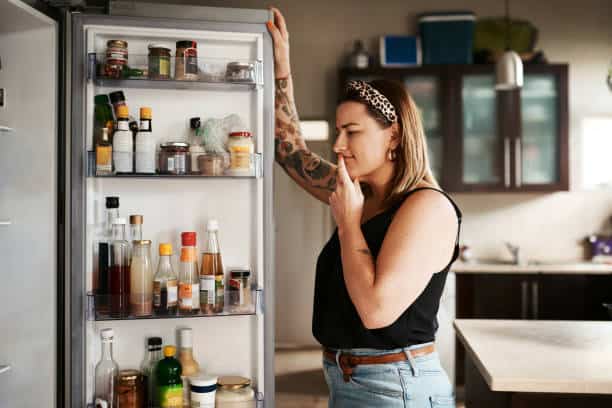
I learned early that hunger and habit are often different animals. One afternoon I finished a full plate even though my tea had gone cold and my hunger was already satisfied — it felt like autopilot had taken the wheel.
After a few weeks of small experiments I discovered gentle changes that quietly cut portions, curbed snacking, and kept satisfaction high.
The tricks below are not about willpower or deprivation; they’re tiny environmental and behavioral shifts that nudge us toward less food without turning meals into a battle. Use the ones that fit your life, try them for a week, and treat this like a toolkit rather than a rulebook.

Why Small Tricks Work Better Than Big Rules
Big rules rely on willpower. Small tweaks change the situation.
- Willpower is finite. When stress or fatigue hits, strict rules break.
- Context shapes behavior. If food is out of sight, we eat less. If our plates look full, our brain thinks we’re satisfied.
- Habits form from cues and rewards. Reframe the cue (the sight of a plate, the routine snack time) and the reward (comfort, distraction) and you’ll shift the habit without a daily internal struggle.
Think of these tricks as friction and scaffolding: add friction to mindless eating, scaffold better choices so you don’t need to decide from scratch.
How To Use This Guide
- Pick 3–5 tricks that seem doable for a week.
- Track qualitatively (energy, fullness, cravings) rather than obsessively weighing every gram.
- Combine environmental, sensory, and practical changes for the best result.
- Be kind to yourself if a trick doesn’t stick — swap it for another.
Plate And Portion Tricks
Use Smaller Plates And Bowls
Our eyes estimate portion size. Smaller plates make normal amounts look generous.
- Use a 9-inch plate instead of a 12-inch plate.
- Serve on a salad plate first; if still hungry, add a small second portion.
- When plating family-style, portion on plates in the kitchen — leaving serving bowls on the table invites mindless seconds.
Divide Your Plate Visually
Half of the plate = veggies. Quarter = protein. Quarter = carbs.
Practical plate formula:
- 50% non-starchy vegetables (roasted, salad, steamed).
- 25% lean protein or plant-based equivalent.
- 25% whole grains or starchy veggies.
This visual rule simplifies choices and fills your plate with volume and fiber.
Use A “Pause And Pour” Plate Method
Pour your grain or carb into the plate rather than spooning directly from a pot. That small pause reduces overserving because you’re forced to transfer rather than mindlessly scoop.
Pre-Portion And Hide Bulk Containers
- Serve from pre-portioned containers rather than family bowls.
- Put bulk foods (chips, candy, cereal) in opaque containers and store them on higher shelves.
- Out of sight = fewer reach-for moments.
Kitchen Layout And Shopping Habits
Shop With A List — And Eat A Snack First
Hunger makes impulse buys. Eat a protein-rich snack before shopping.
- Make a printed or phone checklist prioritized by meal plans.
- Avoid end-of-aisle displays for impulse treats; put them on your list only if deliberate.
Store Helpers At Eye Level
- Put fruits and pre-cut veggies on the counter or at eye level in the fridge.
- Store treats in opaque containers on higher shelves.
- Keep water bottles visible and favorite mugs in easy reach to encourage hydration-first behavior.
Meal Prep For Decision-Free Meals
- Batch-cook proteins and veggies for 3–4 days.
- Pre-portion snacks into single-serve containers.
- Label with date and quick reheating instructions to remove friction.
Sensory Tricks That Fool The Stomach
Add Volume Without Extra Calories
Volume equals stomach stretch signals.
- Fill half your bowl with leafy greens or broth-based soup before adding denser foods.
- Make “rice” from cauliflower or mix half cauliflower with half rice to double volume and fiber.
- Sneak in extra veggies into sauces, casseroles, and omelettes.
Make Food Slower To Eat
Slower eating increases satiety signals.
- Use chopsticks or a smaller fork.
- Put your utensil down between bites.
- Chew deliberately; aim for ~20–30 chews per bite for dense foods.
- Sip water between bites.
Flavor Intensity Over Volume
Strong flavors can make small portions feel satisfying.
- Add herbs, acids (lemon, vinegar), spices, and umami (miso, soy) to punch up taste.
- A small, intensely flavored condiment can make fewer bites feel luxurious.

Mindfulness And Attention Tricks
The Five-Bite Pause
After five bites, pause for 60 seconds. Reassess hunger.
- Take three slow breaths, drink a sip of water, and notice fullness.
- Keep a spoon or fork on the plate; this physical cue ends the “automatic bite” cycle.
Name The Feeling
Before a snack, ask: “Am I physiologically hungry, bored, tired, or emotional?”
- If it’s craving or emotion: try a 10-minute non-food coping strategy (walk, phone a friend, shower).
- If real hunger: choose something nourishing and balanced.
Make Meals Device-Free
Screens accelerate eating and reduce satiety signals.
- Designate at least one device-free meal per day.
- If you must watch or read, put content on a small screen and sit at a table, not in front of TV with a big bowl.
Healthy Swap And Recipe Tricks
Swap To Higher-Fiber Carbs
Fiber slows digestion and increases fullness.
- Choose steel-cut oats, barley, quinoa, or whole-grain bread.
- Swap white rice for brown rice or mixed grains.
- Snack on air-popped popcorn instead of chips.
Protein First Strategy
Protein signals fullness sooner.
- Start meals with a small protein portion (eggs, yogurt, hummus, chicken).
- A protein starter reduces subsequent intake by improving satiety.
Smart Snack Pairings
Pair carb with protein/fat to stabilize blood sugar.
- Apple + 1 tbsp nut butter.
- Greek yogurt + a few chopped walnuts.
- Whole-grain crackers + slice of cheese.
Practical Tricks For Outings And Social Events
Eat A Small Protein Snack Before You Go
A 150–200 kcal protein-rich snack reduces partying impulsiveness.
- Hard-boiled egg, small yogurt, cheese stick, or a handful of nuts.
Use The “Half-Plate” Trick At Buffets
- Fill half your plate with salad/veggies first, then choose one or two items to enjoy.
- Pause after the first plate to assess fullness.
Use A Visible Signal For Portions
- Bring a small reusable plate to parties if you can’t control serving sizes.
- Choose the edge of finger-foods first (vegetables or dips) and avoid continuous grazing near platters.
Emotional And Habitual Eating Strategies
Create A “Delay Ladder”
When craving hits, delay for 10 minutes. If it persists, delay another 10.
- Use a timer and do something different: walk, music, household task.
- Most urges pass — small delays reduce impulse eating.
Replace Rituals, Not Just Food
If an after-dinner habit is a cup of cookies and coffee, swap to a herbal tea and a short walk.
- Keep the reward (comfort, routine) but change the behavior.
Keep A Nothing-To-Lose Log
Track quick notes: time, mood, what you ate, portion size, and how you felt after 30 minutes.
- This creates data without guilt and reveals patterns (sleep debt, stress, social triggers).
Hydration And Beverages
Drink First Strategy
When you feel snacky, drink a large glass of water and wait five minutes.
- Dehydration and thirst can masquerade as hunger.
- Add lemon or a splash of fruit to make hydration pleasant.
Watch Liquid Calories
- Sugary drinks and creamy coffee add unnoticed calories.
- Swap to plain coffee/tea, sparkling water, or small portions of milk-based drinks.
- If you love lattes, buy smaller sizes or dilute with extra hot water.
Practical Tools And Gadgets
Use Timers And Visual Cues
- A 20–minute timer for meals encourages slower eating and better fullness recognition.
- Place a small sticky note on the fridge: “Do I need this?” — a quick cognitive pause.
Plate Dividers And Portion Cups
- Use portion-control containers or plate dividers for kids’ lunches or your own meal prep.
- Store a set of measured serving spoons for rice and pasta so you stop eyeballing.
Wear A Bracelet Or Ring As A Pause Cue
- When you reach for extra snacks, slide a ring or touch a bracelet and pause. The physical action interrupts automatic behavior.

Grocery List And Pantry Setup
| Category | Staples To Keep Visible | Store Out Of Reach |
|---|---|---|
| Fruits & Veggies | Apples, bananas, pre-cut carrot sticks, berries | Fruit bowls with high-sugar dried fruit (if binge-prone) |
| Proteins | Greek yogurt, canned tuna, hard-boiled eggs, tofu | High-fat cured meats in plain sight |
| Snacks | Popcorn, single-serve nut packs, whole-grain crackers | Large bags of chips, cookies |
| Drinks | Sparkling water, herbal tea | Sugary sodas, high-calorie specialty coffees |
| Cooking Basics | Olive oil spray, low-sodium broth, canned tomatoes | Large jars of candy, open containers of sweets |
Meal Planning Template (Weekly)
- Monday: Protein + Big Salad + Whole Grain (e.g., grilled chicken, greens, quinoa)
- Tuesday: One-Pot Veg Forward (e.g., lentil stew with mixed veggies)
- Wednesday: Breakfast-for-Dinner (e.g., vegetable omelette, whole-grain toast)
- Thursday: Stir-Fry with Half Veg, Quarter Protein, Quarter Rice
- Friday: Social Meal — use half-plate trick at dinner out
- Saturday: Flexible Leftovers + Fresh Fruit
- Sunday: Prep proteins and snacks for the week
Tip: Make two proteins (one plant-based, one animal-based) and a double batch of roasted vegetables for modular lunches.
Example Recipe: Herbed Veggie Omelette (With Ingredient And Nutrition Table)
This is a simple, high-protein, quick meal that fills you with volume and satisfaction.
Ingredients
| Ingredient | Amount |
|---|---|
| Eggs (or egg whites) | 2 whole eggs |
| Low-fat milk | 1 tbsp |
| Spinach, chopped | 1 cup |
| Cherry tomatoes, halved | 1/4 cup |
| Mushrooms, sliced | 1/4 cup |
| Onion, finely chopped | 2 tbsp |
| Olive oil spray | 1-2 sprays |
| Fresh parsley or chives | 1 tbsp |
| Salt & pepper | To taste |
Nutrition Facts (Approximate)
| Nutrient | Amount |
|---|---|
| Calories | 210 kcal |
| Protein | 18 g |
| Carbohydrates | 6 g |
| Fiber | 2 g |
| Fat | 12 g |
| Sodium | 320 mg |
Why This Works: Protein at the start of the meal increases satiety; veggies add volume with minimal calories; herbs and a small amount of fat make it taste indulgent.
When Tricks Meet Medical Needs
If you have diabetes, significant GI disease, or are on medications that affect appetite/weight, check with your clinician before drastic changes. These tricks are low-risk, but your medical team can help tailor portions and timing to your clinical needs.
Scripts And Quick Phrases To Use Around Food
- When Declining Seconds: “That was great — I’m satisfied. I’ll save room for dessert later.”
- Shopping Delay: “I’ll sleep on it — if I still want it tomorrow I’ll add it to the list.”
- Social Event: “I’m trying to be mindful tonight — can you pass the veggies first?”
These simple lines reduce awkwardness and give you an ready response that keeps you on track.
Troubleshooting: Why Tricks Don’t Stick
If You Keep Reaching For Snacks
- Problem: Snacks are visible and nearby.
- Fix: Move to opaque containers; pre-portion into small bags; keep a water bottle in hand.
If You Feel Deprived
- Problem: Reducing volume overnight.
- Fix: Increase low-calorie volume (vegetables, broth, salads). Add a small, pleasurable flavor element (a square of dark chocolate or a flavored tea).
If Stress Triggers Eating
- Problem: Emotional eating.
- Fix: Create a list of 4 non-food tools: walk, call a friend, journaling, 5-minute breathing practice. Use the delay ladder.
How To Measure Progress Without The Scale
- Energy Levels: Do you feel more stable mid-afternoon?
- Portion Awareness: Are you naturally choosing smaller amounts at meals?
- Clothing Fit: Is your usual outfit feeling more comfortable?
- Mood And Sleep: Any improvements in sleep or mood indicate better regulation.
Track these weekly for at least 4 weeks to notice real changes.
Long-Term Habit Building
The Two-Week Rule
Pick one new trick every two weeks. That gives time for habit consolidation before adding another layer.
The Maintenance Checklist
Once a trick feels automatic, move it to a weekly checklist:
- Week 1–2: Smaller plates
- Week 3–4: Device-free meals
- Week 5–6: Pre-portioned snacks
- Week 7–8: Pause-and-pour method
This gradual layering keeps changes sustainable.
Quick Reference cheat sheet
- Use smaller plates and portion mindfully.
- Fill half your plate with vegetables.
- Start meals with a protein-rich mini-portion.
- Drink water before snack decisions.
- Make eating slower — utensil down between bites.
- Hide treats and put fruits/veggies on the counter.
- Pre-portion snacks and rotate weekly.
- Delay cravings with a 10-minute non-food activity.
- Use flavor boosts (herbs, vinegars) to increase satisfaction.
- Track qualitative progress — energy, sleep, mood.
Frequently Asked Questions (FAQs)
Will I Feel Deprived If I Eat Less?
Not if you increase volume with non-starchy vegetables, prioritize protein, and use pleasing flavors. Deprivation usually comes from sharp calorie cuts and boredom — these tricks focus on satisfaction, not starvation.
How Fast Will I See Results?
Results vary. Expect behavioral changes within 2–4 weeks if you consistently apply 3–5 tricks. Physiological weight changes may take longer. Focus on energy and portion awareness first.
Are These Tricks Healthy For Long-Term Weight Management?
Yes. These are sustainable environmental and behavioral changes designed to reduce mindless intake and improve satiety. They pair well with balanced diets, regular activity, and medical guidance when needed.
Can I Use These If I’m A Picky Eater?
Absolutely. Many tricks are about structure and environment rather than specific foods. Start with plate size, water-first, and snacking swaps that match flavors you like.
What If I Live With Someone Who Eats Differently?
Share a short version of your plan with them. Agree on shared spaces rules (e.g., keep bulk snacks in the top cupboard) and keep personal items (plates, containers) for your needs.
Is Counting Calories Necessary?
No. These tricks avoid obsessive counting by changing cues and habits. If you want precise tracking, combine these methods with occasional logs, but they’re not required.
Final Notes: Be Tactical, Not Punitive
These are small, stealthy nudges — not punishments. The aim is to make better choices easier and mindless eating harder. Start with kindness: choose 3 doable tricks, practice them for two weeks, and notice how your body and mind respond.
Over time these small shifts add up: less food, more satisfaction, and fewer moments where autopilot decides for you. If one trick fails, swap it for another — building a personalized toolbox is the goal, not perfection.
When your hunger meets intention, you get to keep your tea warm and your choices calm.