
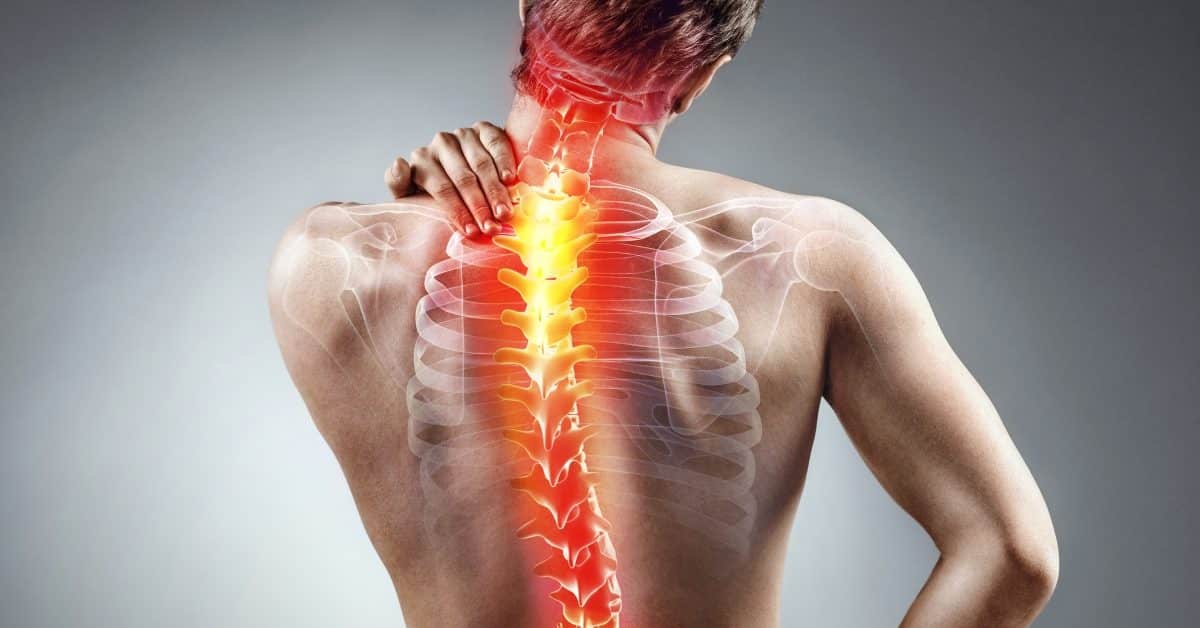
Neck stiffness, shoulder tension, and upper back pain are common issues for many individuals. Incorporating soothing stretches into a daily routine can significantly alleviate discomfort and improve mobility. This article presents effective stretches designed to target these problem areas.
Neck Tilt Stretch
The Neck Tilt Stretch helps alleviate tension in the neck muscles. One should sit or stand comfortably with a relaxed posture to perform this stretch.
Gently tilt the head to one side, bringing the ear toward the shoulder. It is important to keep the opposite shoulder down to enhance the stretch.
Hold this position for about 15-30 seconds, feeling a gentle pull along the neck. Repeat on the other side to ensure balanced relief.
Shoulder Roll Exercise
Shoulder rolls are an effective exercise for relieving shoulder and neck tension. They can be performed while standing or seated.
To begin, the individual should sit or stand up straight. They should then lift their shoulders towards their ears, rolling them back and down in a smooth motion.
This movement helps to stretch and strengthen the shoulder muscles, promoting better posture. Performing shoulder rolls can also increase circulation in the upper body.
Repeating this exercise several times daily can reduce stiffness and improve mobility. It is a simple yet beneficial stretch for those experiencing shoulder tension.
3) Upper Back Cat-Cow Stretch
The Cat-Cow Stretch is an effective dynamic exercise for the upper back. It involves alternating between arching and rounding the back, which enhances flexibility and mobility in the spine.
To perform this stretch, start on all fours, positioning the hands under the shoulders and knees under the hips. Inhale to arch the back, lifting the head and tailbone, and exhale to round the spine, tucking the chin and tailbone.
This movement helps relieve tension in the upper back and encourages better spinal alignment. Regular practice can improve posture and alleviate discomfort associated with stiffness in the neck and shoulders.
4) Chin Tuck Exercise
The chin tuck exercise targets the muscles of the neck and upper back. It is effective for relieving neck pain and improving posture.
To perform a chin tuck, sit or stand upright. Ensure the ears are directly above the shoulders. Gently draw the chin straight back without tilting the head.
Holding this position for a few seconds engages the neck muscles. This can reduce tension caused by forward head posture, often seen in people using electronic devices. Regular practice may help alleviate discomfort and enhance mobility.
5) Levator Scapulae Stretch
The levator scapulae is a muscle located at the back and side of the neck. Tightness in this area can lead to discomfort in the neck and shoulders.
To perform the stretch, one can sit or stand tall. They should turn their head to one side, looking slightly downward, and gently pull their head further into the stretch with the opposite hand.
Incorporating this stretch 3-5 times per week can help alleviate tension and improve mobility. Regular stretching is essential to maintain muscle health and prevent stiffness.
6) Trapezius Muscle Stretch
The trapezius muscle stretches are beneficial for relieving tension in the neck and shoulders. These stretches can target tightness caused by poor posture or prolonged sitting.
One effective stretch involves sitting upright, grasping the chair’s bottom with one hand, and leaning the head to the opposite side. This motion creates a gentle stretch along the side of the neck and the trapezius muscle.
Regularly incorporating these stretches can enhance flexibility and improve overall neck mobility. They may also help reduce discomfort associated with daily activities.
7) Upper Back Foam Roller Stretch
The upper back foam roller stretch aids in relieving tension and improving mobility in the thoracic spine.
To perform this stretch, the individual should lie on their back with the foam roller positioned horizontally beneath the shoulder blades.
By gently rolling up and down, they can target areas of tightness. This method encourages flexibility and helps alleviate discomfort often associated with prolonged sitting or poor posture.
8) Thread the Needle Stretch
The Thread the Needle Stretch effectively targets the neck, shoulders, and upper back. It opens these areas, helping to alleviate tension and discomfort.
To perform this stretch, one kneels on all fours, then slides one arm underneath the body, bringing the shoulder and ear down toward the floor.
This pose may help increase spinal mobility and relieve stiffness, making it beneficial for individuals with a limited range of motion. Caution is advised for those with existing neck or shoulder issues.
9) Sphinx Pose
Sphinx Pose is a gentle backbend that targets the neck, shoulders, and upper back. It encourages spinal extension and helps alleviate tension in these areas.
To practice, one lies on one’s stomach with the forearms on the ground and elbows directly under the shoulders. This position opens the chest and promotes better posture.
Holding this pose enhances flexibility along the spine and encourages relaxation. It can benefit those experiencing stiffness or discomfort in the neck and shoulders.
10) Standing Forward Bend
Standing Forward Bend is an effective stretch for relieving tension in the neck and shoulders. It encourages proper alignment and promotes relaxation throughout the upper body.
To perform this stretch, stand with feet hip-width apart. Inhale deeply, then exhale while bending forward at the hips. Aim to bring the torso toward the thighs and let the arms dangle towards the floor.
This position allows for a gentle release of tightness in the shoulders and upper back. Maintaining an even breath during the stretch enhances its soothing effects.
11) Scalene Muscle Stretch
The scalene muscles are located in the neck and play a crucial role in movement and respiration. Stretching these muscles can help alleviate neck stiffness and shoulder tension.
To perform the stretch, stand with feet shoulder-width apart. Interlace fingers and place hands on the back of the head.
Gently pull the head forward and down, aiming to touch the chin to the chest. Hold this position for 15-30 seconds. Repeat 5-10 times for optimal relief.
12) Wall Angels Exercise
Wall Angels are effective for relieving upper back and neck tension. This exercise promotes better posture and spinal alignment.
To perform Wall Angels, stand with your back against a wall. Keep your feet slightly away from the wall and press your lower back against it.
Raise your arms to form a “W” shape while keeping your elbows and wrists flat against the wall. Slowly move your arms upward, maintaining contact with the wall, then lower them back to the starting position.
This movement helps stretch and strengthen the shoulder and upper back muscles, enhancing flexibility and reducing stiffness. Regular practice may contribute to improved neck and shoulder comfort.
13) Behind-the-Back Handclasp
The Behind-the-Back Handclasp is an effective stretch for enhancing shoulder mobility and relieving tension. To perform this stretch, an individual should stand or sit upright.
They should clasp their hands behind their back, pulling their shoulders down and back. This position opens up the chest and promotes better posture.
Holding the stretch for 15 to 30 seconds allows the muscles to lengthen. It benefits those who experience tightness in the shoulders and upper back, particularly from prolonged sitting or poor posture.
14) Thoracic Spine Extension
Thoracic spine extension is a key stretch for improving upper back mobility. It targets the thoracic region, which is often stiff due to poor posture or prolonged sitting.
To perform this stretch, one can start by standing or sitting upright. They should interlace their fingers and gently arch their back while lifting their chest towards the sky.
Incorporating thoracic spine extension can alleviate shoulder tension and reduce neck discomfort, making it a valuable addition to any stretching routine.
15) Child’s Pose Stretch
Child’s Pose is a gentle yoga posture that effectively relieves neck, shoulders, and upper back tension. It promotes relaxation and provides a restorative stretch.
To perform the Child’s Pose, kneel on the floor, sit back on the heels, and extend the arms forward while lowering the torso toward the ground. This position allows gravity to assist in stretching the spine and neck.
Holding the pose for several breaths encourages a sense of calm and eases muscle tightness. It is an accessible stretch suitable for most fitness levels.
16) Cow Face Pose
Cow Face Pose, or Gomukhasana, is a seated yoga posture that effectively stretches the shoulders, upper back, and neck. It promotes flexibility and helps alleviate tension in these areas.
One leg is crossed over the other to perform the pose, and the arms are extended behind the back to clasp hands. This position creates a deep stretch and relieves tight shoulder muscles.
It is beneficial for individuals experiencing shoulder pain or stiffness. However, those with severe discomfort or injury should consider alternative stretches.
17) Eagle Arms Stretch
The Eagle Arms Stretch effectively targets the deltoids and upper back, promoting tension relief. It can be performed seated or standing.
To execute the stretch, one should extend the arms in front, crossing them at the elbows. Then, wrap one arm under the other and bring palms together if possible. This position helps open the shoulders and enhances mobility.

Understanding Neck, Shoulder, and Upper Back Anatomy
The neck, shoulders, and upper back are interconnected regions crucial to overall mobility and posture. Understanding the anatomy of these areas helps identify discomfort and facilitate recovery.
Common Causes of Discomfort
Discomfort in the neck, shoulders, and upper back often arises from several factors, including:
- Muscle Strain: Overuse during physical activity or sudden movements can lead to muscle strain. Activities like lifting heavy objects increase the risk.
- Poor Posture: Prolonged periods of slouching, especially while using computers or mobile devices, place unnecessary stress on these muscles, leading to discomfort.
- Nerve Compression: Conditions such as herniated discs can cause nerves to compress, resulting in pain that radiates to the neck, shoulders, and upper back.
- Stress and Tension: Emotional stress can lead to muscle tightness, particularly in the shoulders and upper back.
Recognizing these causes is essential for developing effective management strategies.
Impact on Daily Activities
Discomfort in these regions can significantly affect daily activities.
- Work Efficiency: Neck and shoulder pain can make concentrating and performing tasks difficult, particularly those requiring prolonged attention.
- Physical Limitations: Reduced range of motion may hinder tasks like reaching for objects, carrying items, or even engaging in physical activities, affecting overall quality of life.
- Sleep Quality: The neck and upper back pain can disrupt sleep patterns, leading to further fatigue and discomfort during waking hours.
Addressing these issues proactively can help enhance overall function and well-being.
Benefits of Stretching for Muscle Tension Relief
Stretching serves multiple purposes, particularly benefiting muscle tension relief through pain reduction and improved flexibility. Regular stretching can establish a routine that promotes overall musculoskeletal health.
Reducing Pain and Discomfort
Stretching is crucial in alleviating pain and discomfort associated with muscle tension. When muscles are tight, they can restrict movement and cause discomfort. Stretching helps by promoting relaxation in the tight muscles, providing immediate relief.
Incorporating neck and shoulder stretches can specifically reduce tension that accumulates from prolonged positions, such as working at a desk.
For instance, simple neck tilts and shoulder rolls help relieve stiffness and encourage better blood circulation, which is vital for healing.
As muscle tension dissipates, individuals often experience enhanced mobility. This improvement lowers the risk of further injury, creating a positive feedback loop that reinforces the benefits of stretching.

Improving Flexibility and Range of Motion
Flexibility is essential for maintaining joint health and preventing injury. Stretching increases flexibility by elongating muscle fibers, making them more pliable.
This process can lead to an improved range of motion, which is particularly important for activities requiring mobility.
For example, dynamic stretches, such as arm circles or torso twists, can enhance flexibility in the upper body. By regularly engaging in these activities, individuals can support joint function and reduce stiffness.
Additionally, regular stretching enhances the body’s ability to perform daily tasks easily. As flexibility improves, movements become smoother and more coordinated, allowing for greater overall physical performance.
