
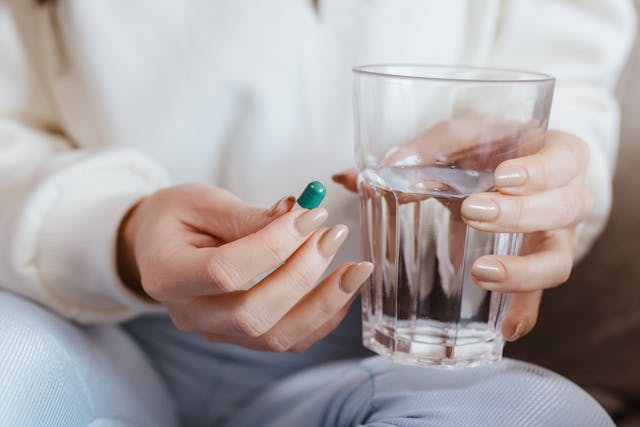
Ever feel like your stress hormone is running the show? Like cortisol is that uninvited guest at your party, knocking over the snack table and refusing to leave?
We’ve all been there—juggling work deadlines, family drama, and the occasional existential crisis.
Cortisol, our body’s chief “stress ambassador,” can be handy in small doses (hello, fight-or-flight!), but when it overstays its welcome, we start noticing unwanted weight gain, trouble sleeping, and all the fun side effects of chronic stress.
Lucky for you, Mother Nature (and modern science) has teamed up to offer a lineup of supplements that might help dial down cortisol and bring back your zen.
In this friendly, coffee-chat style guide, we’ll walk through the what, why, and how of each superstar supplement—complete with easy-to-read tables, concrete tips, and a few metaphors to keep things juicy. Ready to calm that cortisol rollercoaster? Let’s dive in.

What Is Cortisol, Really?
Cortisol is like your body’s very own emergency broadcast system. When something stressful happens—missed bus, awkward Zoom call, spider in the shower—it sounds the alarm.
It spikes your blood sugar, revs up your heart, and gives you that “ready for anything” boost. But if that alarm blares 24/7, your system eventually wears down.
- Short-term perks: Increased alertness, energy surge, temporary strength boost.
- Long-term pitfalls: Weight gain (especially around the middle), sleep disruptions, foggy thinking, mood swings—and more.
So while cortisol’s got our back in crisis mode, we don’t want it turning into a permanent roommate. That’s where supplements come in—as gentle mediators to help restore balance.
Why Turn to Supplements?
We could binge-watch meditation videos until our eyes blur, but hey—sometimes you want a little biochemical backup. Supplements can:
- Support your body’s natural stress-regulating pathways
- Fill nutritional gaps that can exacerbate cortisol overproduction
- Potentially speed up your results when combined with lifestyle tweaks
Think of supplements as the supportive friend who helps you carry the load—while you still do the heavy lifting of good sleep, movement, and mindful breaks.
The A-Team of Cortisol-Lowering Supplements
Below is a quick snapshot of our top picks. Don’t worry—we’ll unpack each one in glorious detail right after.
| Supplement | Suggested Daily Dosage | Key Mechanism | Common Side Effects |
|---|---|---|---|
| Ashwagandha | 300–600 mg (standardized to 5% withanolides) | Downregulates HPA axis activity | Digestive upset, drowsiness |
| Phosphatidylserine | 100–300 mg | Modulates cortisol response post-exercise | Headache, insomnia (rare) |
| L-Theanine | 100–200 mg | Promotes alpha brain waves, reduces stress | Dizziness (rare) |
| Rhodiola Rosea | 200–400 mg (standardized to 3% rosavins & 1% salidroside) | Supports adrenal resilience | Irritability, dry mouth |
| Magnesium | 200–400 mg (glycinate or citrate) | Calms HPA axis & relaxes muscles | Loose stools (with some forms) |
| Omega-3 Fatty Acids | 1,000–2,000 mg EPA+DHA | Anti-inflammatory, supports mood | Fishy aftertaste, mild GI upset |

Deep Dive: How Each Supplement Works
Ashwagandha – The Chill-Out Champion
Ever wish you had a stress-shield? Enter Withania somnifera, aka ashwagandha. It’s like a safety net for your HPA (hypothalamic-pituitary-adrenal) axis, helping your body say, “Okay, alarm off—this isn’t life-or-death.” Studies show it can lower both resting cortisol and perceived stress levels within weeks.
How to use it: Aim for 300–600 mg per day of a standardized extract (5% withanolides). Split doses morning and evening to keep stress in check around the clock.
What you’ll notice: A gentler response to daily stressors, maybe better sleep, and less “wired but tired.”
Phosphatidylserine – The Post-Workout Protector
Love hitting the gym, but hate the cortisol crash afterward? Phosphatidylserine (PS) is a phospholipid that helps your cells talk nicely to each other—especially in your brain and adrenal glands. When taken after intense exercise, PS can blunt that cortisol spike, protecting your hard-earned gains.
How to use it: 100–300 mg taken within 30 minutes of a workout.
What you’ll notice: Less achiness, better mood post-sweat, and no feeling of being “on edge.”
L-Theanine – The Focus & Calm Fusion
If stress were a tangled headphone cord, L-theanine would be the nimble fingers that unknot it. This amino acid, found in green tea, promotes alpha brain waves—the same state you get during meditation—without making you drowsy.
How to use it: 100–200 mg as needed, especially before high-pressure situations or in the afternoon slump.
What you’ll notice: A sense of calm focus—like “I got this” vibes, minus the jitters.
Rhodiola Rosea – The Adaptogen All-Rounder
Picture a rugged mountain herb that’s been helping Siberian villagers endure freezing temps for centuries. That’s Rhodiola. It’s an adaptogen—meaning it helps your body adapt to stress—boosting energy when you need it and calming you when you don’t.
How to use it: 200–400 mg of a root extract standardized to 3% rosavins & 1% salidroside, taken early in the day (it can be mildly stimulatory).
What you’ll notice: More resilience to stress, better stamina, and a brighter outlook.
Magnesium – The Relaxation Mineral
Magnesium is like the off-switch for your muscles—and your frazzled nerves. When cortisol’s running wild, magnesium helps quiet the HPA axis and promotes GABA activity (your brain’s “relax now” chemical).
How to use it: 200–400 mg nightly. Glycinate or citrate forms tend to be gentler on the gut.
What you’ll notice: Cozier sleep, fewer muscle cramps, and less “mind-whirring” at bedtime.
Omega-3 Fatty Acids – The Mood & Inflammation Modulators
Fish oil isn’t just for heart health—it’s a mood booster too. EPA and DHA help dial down inflammation, which in turn can reduce chronic cortisol release. Plus, they support healthy brain function, giving you better emotional resilience.
How to use it: 1,000–2,000 mg combined EPA+DHA daily, with meals.
What you’ll notice: Smoother moods, clearer thinking, and a bit more bounce in your step.
Stacking Your Stress-Busting Regimen
No one supplement is a magic bullet. Think of each one as a piece of a puzzle. Here’s a sample daily stack to get you started:
- Morning: Ashwagandha (300 mg) + Omega-3 (1,000 mg)
- Pre-Workout: Phosphatidylserine (200 mg)
- Afternoon Slump: L-Theanine (100 mg) with tea or water
- Evening: Magnesium (300 mg) + Ashwagandha (300 mg)
Adjust based on how you feel, your schedule, and any other meds or conditions. And as always, chat with your healthcare provider before diving in—especially if you’re on prescriptions or pregnant.
Frequently Asked Questions
1. How long until I notice a difference?
Patience is key. Some folks report calmer moods in as little as one week, but for most of us, the sweet spot is 4–6 weeks of consistent use. Keep a simple stress journal—rate your daily stress on a scale of 1–10 and watch the trend.
2. Can I take all these supplements together?
Generally, yes—but start one at a time. That way, you’ll know which one is giving you magic vibes (or any unwanted side effects). Give each new supplement 7–10 days before adding the next.
3. Are there any contraindications?
If you’re on thyroid meds, blood thinners, or antidepressants, check with your doctor. Ashwagandha can affect thyroid hormones, and high-dose omega-3s may thin blood slightly.
4. Can lifestyle changes replace supplements?
Supplements are helpers, not replacements. Prioritize sleep, whole foods, movement you enjoy, and daily stress management (yep, meditation counts!). Think of supplements as the cherry on top of an already healthy sundae.
5. What if I experience side effects?
Dizziness, mild digestive upset, or vivid dreams can happen. If anything feels off, scale back the dose or pause for a few days. Your body will usually give you a clear “all good” signal when it’s ready.
6. Can I cycle these adaptogens?
Absolutely. Many people do 6–8 weeks on, then 1–2 weeks off—especially with ashwagandha and rhodiola. It keeps your system from getting too accustomed.
7. Are there food sources that help, too?
Yes! Fatty fish (salmon, mackerel), pumpkin seeds (magnesium), green tea (L-theanine), and whole grains (support balanced blood sugar) can all play a supporting role.
Conclusion: Your Next Steps Toward Cortisol Control
Feeling like stress is the boss of you? Time to flip the script. By weaving these supplements into your routine—alongside solid sleep, movement, and mindful moments—you can gently retrain your body to treat stress like the occasional guest it was meant to be.
Remember:
- Start slow: Introduce one supplement at a time.
- Track your progress: A simple stress journal goes a long way.
- Listen to your body: Adjust doses or take breaks as needed.
- Build a holistic foundation: Supplements support, but healthy habits lead.
We’ve walked you through the A-team of cortisol-lowering helpers—now it’s your turn to experiment, personalize, and share what works.
What supplement made the biggest difference for your stress levels? Drop your experience below and let’s keep this “we’re in it together” conversation rolling!