
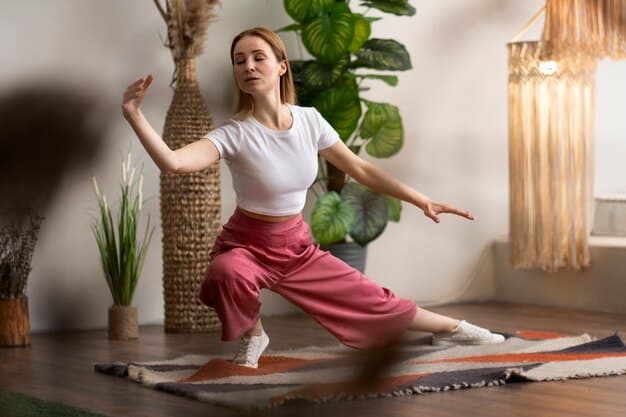
Living with Chronic Fatigue Syndrome can feel like your body forgot how to cooperate with your plans.
One minute you want to do something simple, and the next minute you are already paying for it with exhaustion, heaviness, and that awful drained feeling that never seems to leave fully. That is exactly why Tai Chi feels so comforting to many people like us.
It is gentle, slow, and forgiving. It does not demand much, yet it can offer a surprising sense of relief, calm, and control when everything else feels out of reach.
Disclaimer: This article is for general information only and is not medical advice. Please talk to your doctor before starting any new exercise if you have Chronic Fatigue Syndrome or any other health condition.

What Makes Tai Chi So Different?
Tai Chi is often described as moving meditation, but that description does not fully capture how kind it feels to the body. It is not a workout that shouts at you.
It does not punish you for being tired. It does not ask you to jump, rush, or prove anything. It simply invites you to move slowly, breathe deeply, and stay present.
For people with Chronic Fatigue Syndrome, that matters a lot.
When your energy is limited, the idea of exercise can feel almost insulting. A walk may be too much. Stretching may be too much. Even thinking about movement can feel like work.
Tai Chi is different because it gives your body motion without harshness. It offers structure without strain. It is gentle enough to meet you where you are, even on a low-energy day.
That is why so many people call it the lazy way to feel better. And honestly? Sometimes, lazy is just another word for wise.
Why Tai Chi Can Help With Chronic Fatigue Syndrome
Chronic Fatigue Syndrome is not just tiredness. It is the kind of exhaustion that can feel deep, heavy, and stubborn. It can affect your body, your brain, your mood, and your daily life. Some days, even simple tasks can feel like climbing a mountain in wet socks.
Tai Chi may help because it works on several levels at once.
It Gives You Gentle Movement Without Overloading You
A lot of exercise advice is built for people who already have energy. That is not very helpful when your energy is already on empty.
Tai Chi offers movement that is slow, controlled, and low-impact. You are not pounding your joints or forcing your heart to sprint. You are moving with your body instead of fighting it.
It Calms The Nervous System
Many people with Chronic Fatigue Syndrome feel like their body is stuck in a strange state of overload and shutdown at the same time.
Tai Chi can help create a calmer internal rhythm. Slow breathing, steady motion, and focused attention may support relaxation and reduce the “wired but tired” feeling.
It Encourages Pacing
Pacing is one of the most important skills in managing Chronic Fatigue Syndrome. Tai Chi naturally teaches pacing because it is slow by design. There is no prize for rushing. There is no gold medal for pushing harder. The entire practice is built around restraint, balance, and control.
It Can Improve Balance And Body Awareness
When you are fatigued, your body can feel disconnected or clumsy. Tai Chi helps you reconnect with how you move, how you stand, and how you breathe. That sense of awareness can be grounding, especially when your body feels unpredictable.
What Tai Chi Feels Like When You Have Low Energy
This is one of the nicest things about Tai Chi: it does not have to look impressive to work.
You do not need to be graceful. You do not need to be flexible. You do not need to remember every movement perfectly. You can move slowly, take breaks, sit down when needed, and still benefit from the practice.
For someone with Chronic Fatigue Syndrome, that flexibility is everything.
Tai Chi can feel like:
- a quiet reset
- a soft wake-up for stiff muscles
- a break from mental overload
- a way to move without triggering a crash
- a small pocket of peace in a tiring day
That is why people often stay with it. It does not bully you. It does not demand drama. It simply helps.
How Tai Chi Supports The Body
Tai Chi may seem simple from the outside, but its effects can reach far beyond the surface. When you move slowly and breathe with intention, several things happen at once.
Gentle Muscle Engagement
The body still has to work during Tai Chi. You are not lying still. You are supporting your weight, shifting slowly, and coordinating movement. But the effort is measured. It is not the kind of effort that leaves you wrecked for the rest of the day.
Better Circulation
Slow movement can help encourage circulation without overwhelming the body. For people who feel stiff, sluggish, or disconnected, that can be very welcome.
Less Tension
When your body hurts or feels exhausted, you may hold tension without realizing it. Shoulders rise. Jaw tightens. Breathing gets shallow. Tai Chi invites release. Over time, that can make your body feel less braced against life.
More Calm Breathing
Breathing deeply and steadily can help lower stress and bring more awareness to the present moment. That may not sound dramatic, but when you live with chronic fatigue, even a little calm can feel like a gift.
Why It Fits So Well With The “Spoon Theory” Lifestyle
If you live with Chronic Fatigue Syndrome, you probably know the feeling of budgeting energy carefully. Every activity has a cost. Every decision matters. You cannot spend all your energy at once and then act surprised when your body stages a protest.
Tai Chi fits beautifully into this reality because it respects the budget.
It is not one of those activities that drains you before you begin. It can be done:
- for just a few minutes
- in a small space
- at your own pace
- without special equipment
- with seated modifications if needed
That means it can fit into real life, not fantasy life. And for chronic illness, that is a huge deal.
How To Start Without Making Yourself Worse
Starting anything new with Chronic Fatigue Syndrome should be done carefully. The goal is not to “power through.” The goal is to test gently and pay attention.
Start Tiny
Do not begin with a long video or a full routine. Start with 2 to 5 minutes. That is enough. Seriously. Your body does not need a dramatic speech. It needs kindness.
Choose A Quiet Time
Pick a time of day when your energy is usually a little more stable. For some people, that is morning. For others, it is late afternoon. There is no universal rule.
Keep The Space Simple
You only need enough room to stand or sit comfortably. No fancy setup. No stress.
Learn A Few Basic Movements First
You do not need a full class right away. Just learn a few simple movements and repeat them. Familiarity is comforting, and repetition can feel safer than complexity.
Stop Before You Feel Exhausted
This part matters. Stop while you still feel okay. Do not wait until your body waves a white flag. With Chronic Fatigue Syndrome, prevention is often smarter than recovery.

Simple Tai Chi Movements To Try
You do not need to be an expert to benefit from Tai Chi. A few basic movements can be enough to begin.
Cloud Hands
This movement is slow and flowing, almost like gently moving through air. It can help you focus on smooth transitions and steady breathing.
Parting The Wild Horse’s Mane
The name is dramatic, but the motion is calm and controlled. It feels like a slow shifting of weight and a soft opening of the arms.
Brush Knee
This is another classic movement that teaches coordination and balance without harsh impact.
Raise And Lower
Simple up-and-down movements can be soothing when you are fatigued. Sometimes the body just wants a gentle rhythm, not performance.
Standing Meditation
Sometimes the most useful practice is simply standing still, breathing, and noticing how your body feels. That counts too.
A Sample Beginner Routine
Here is a very gentle starter routine for low-energy days.
- Stand or sit comfortably.
- Relax your shoulders.
- Take three slow breaths.
- Raise your arms slowly.
- Lower your arms slowly.
- Shift your weight gently from one side to the other.
- Repeat one or two simple movements.
- Rest.
That is enough.
You do not need to “earn” the right to stop. Rest is part of the practice, not a failure of the practice.
When Tai Chi Helps Most
Tai Chi may be especially helpful when you are dealing with:
- stiffness
- stress
- low mood
- shallow breathing
- poor body awareness
- tension from being sick for too long
- fear of movement
- feeling disconnected from your body
It is not a cure. It is not magic. But it can be a gentle support.
When Tai Chi Might Not Be The Right Choice That Day
This is important too. Some days are not movement days. Some days your body needs stillness more than motion. That is not laziness. That is information.
You may need to skip or modify Tai Chi if:
- you are in a flare
- you are dizzy
- you feel faint
- movement causes a crash afterward
- your doctor has told you to avoid exercise for now
Listening to your body is not giving up. It is part of surviving chronic illness with dignity.
Common Mistakes To Avoid
Tai Chi is gentle, but people still make mistakes with it, especially when they are eager for relief.
Doing Too Much Too Soon
This is the biggest one. Even gentle exercise can be too much if you jump in with both feet and a big optimistic smile. Start small.
Copying Healthy People
Your body is not their body. Your limits are not their limits. A routine that looks easy for someone else may be too much for you.
Chasing Perfection
Tai Chi is not about looking beautiful. It is about feeling connected. No one needs perfect posture, perfect timing, or perfect form.
Ignoring After-Effects
The real test is not how you feel during the routine. It is how you feel later. If you crash afterward, the routine was too much. Adjust accordingly.
Tai Chi And The Emotional Side Of Chronic Fatigue Syndrome
Chronic illness is never just physical. It changes how you see yourself. It changes how you plan your day. It changes how you feel about your own body.
That is why Tai Chi can be so meaningful. It gives you a moment when your body is not only a problem to solve. It becomes something you can gently inhabit.
That may sound small, but it is not.
When you are always tired, always careful, and always calculating your next move, a calm practice can feel deeply healing. Tai Chi does not demand that you become someone else. It meets you as you are, even on the hardest days.
And sometimes that is exactly what the heart needs.
Why The “Lazy Way” Label Actually Makes Sense
The word lazy is usually used as an insult, but here it can be reclaimed in a softer way. Tai Chi is the lazy way to feel better because it does not ask for violence, pressure, or punishment.
It is “lazy” in the best possible sense:
- low effort
- low impact
- low stress
- low pressure
- high kindness
That is not weakness. That is strategy.
When your body is already fighting hard, the smartest thing you can do is stop adding more fights. Tai Chi lets you work with your body instead of against it.
A Gentle Daily Plan For Real Life
If you want to make Tai Chi part of your routine, keep it simple.
On Low-Energy Days
- 2 minutes of breathing
- 1 slow movement
- stop
On Medium-Energy Days
- 5 to 10 minutes of easy practice
- repeat 2 to 3 movements
- rest afterward
On Better Days
- 10 to 15 minutes
- a short video or guided practice
- seated or standing, depending on how you feel
The goal is consistency, not intensity.
What To Look For In A Tai Chi Class Or Video
Not every Tai Chi resource is designed for people with chronic fatigue. Some are too fast, too advanced, or too long. Look for:
- beginner-friendly instruction
- slow pacing
- clear explanations
- seated options
- gentle transitions
- no pressure to keep up
If a class makes you feel stressed, lost, or physically wiped out, it is not the right class.
Can Tai Chi Replace Other Treatments?
No. Tai Chi is a supportive practice, not a replacement for medical care. Chronic Fatigue Syndrome often requires a broader approach that may include rest, pacing, symptom management, medical guidance, and lifestyle adjustments.
Tai Chi can be one piece of the puzzle, not the whole puzzle.
That being said, small supportive pieces matter. A lot.
How To Know If It Is Helping
You may notice:
- less stiffness
- a calmer mind
- better mood
- less body tension
- easier breathing
- improved balance
- a little more confidence moving your body
These changes may be subtle at first. With chronic illness, subtle is still valuable.
Sometimes progress is not dramatic. Sometimes progress is simply having one less bad day.
Frequently Asked Questions
Is Tai Chi Safe For People With Chronic Fatigue Syndrome?
It can be, but it depends on the individual and their symptom severity. Start gently and speak with a healthcare professional before beginning, especially if exercise tends to trigger symptoms.
How Long Should I Practice Tai Chi?
Start with just a few minutes. There is no need for long sessions. Even very short practice can be enough.
Should I Do Tai Chi Standing Or Sitting?
Either is fine. Sitting is a great option for people with very low energy, balance issues, or flare-ups.
What If I Feel Worse After Practicing?
Reduce the time, slow the movements, or stop for now. If Tai Chi consistently worsens symptoms, it may be too much at this stage.
Do I Need An Instructor?
An instructor can help, but you can also start with a gentle beginner video or a few simple movements at home.
Can Tai Chi Help With Pain Too?
Some people find it helps reduce tension and stiffness, which may make pain feel more manageable. Results vary from person to person.
Is Tai Chi Better Than Yoga For Chronic Fatigue Syndrome?
Neither is automatically better for everyone. Tai Chi may feel gentler and more flowing for some people, while others may prefer yoga. The best choice is the one your body tolerates well.
Final Thoughts
Tai Chi is not loud. It is not flashy. It does not promise miracles. What it offers is something quieter and maybe more valuable: a way to move that does not feel like punishment.
For people with Chronic Fatigue Syndrome, that can be life-changing in a small, steady, honest way. It can help you reconnect with your body without forcing it. It can support calm without demanding perfection. It can give you a little more ease on days when ease feels impossible.
And sometimes, that is enough.
Not every healing practice has to be dramatic to matter. Sometimes the best things are slow, soft, and almost invisible at first. Tai Chi can be that kind of helper. Gentle. Patient. Kind. The kind of movement that whispers, “You do not have to fight today.”